The world is getting more uptight about lending money to President Donald Trump's government — causing interest rates to climb in ways that are worsening affordability pressures, hampering economic growth and creating a new risk for Republicans in November's midterm elections.
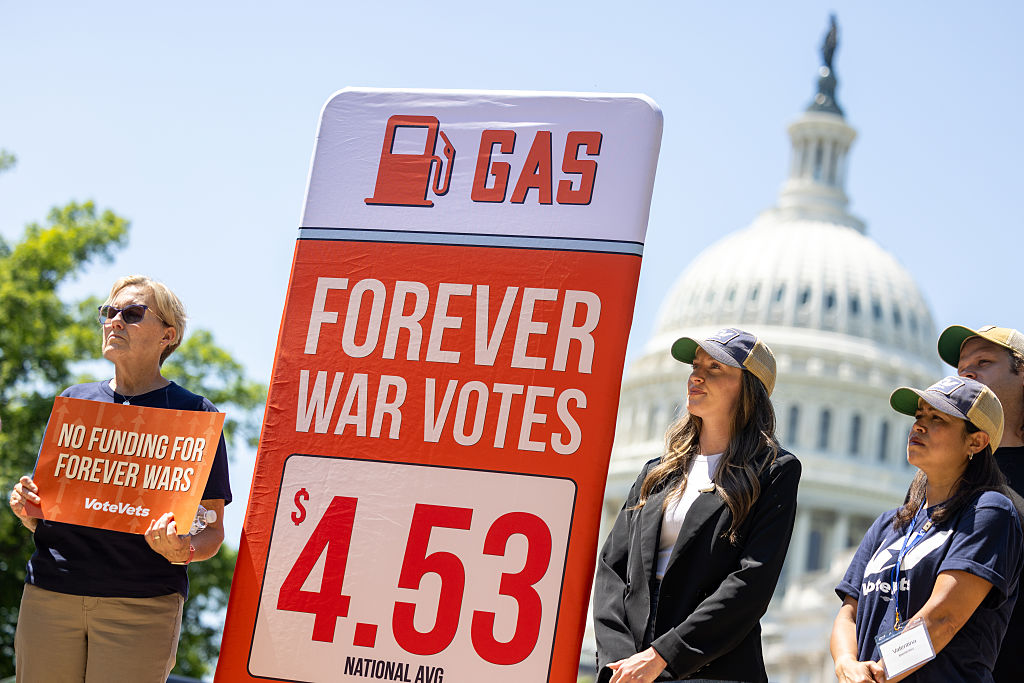
The rise in energy prices following the Iran war has fed into bond markets that help finance the US government. Yields on 10-year US Treasury notes have climbed above 4.44%, up from 3.95% before the conflict began in late February. Mortgage rates have risen to their highest level in nine months, while auto sales have weakened.
The trend is not limited to the United States. Borrowing costs have increased in several countries as investors adjust to the prospect of higher inflation, concerns over government debt sustainability and growing investment in artificial intelligence.
Trump has said his administration has a plan to reduce the roughly $1.8 trillion (€1.5trn) annual budget deficit. He has pointed to tariff revenues, payments linked to the proposed "Gold Card" visa programme, spending cuts introduced by the Department of Government Efficiency and stronger economic growth. Last week, he said a fraud task force led by Vice President JD Vance could help generate significant savings.