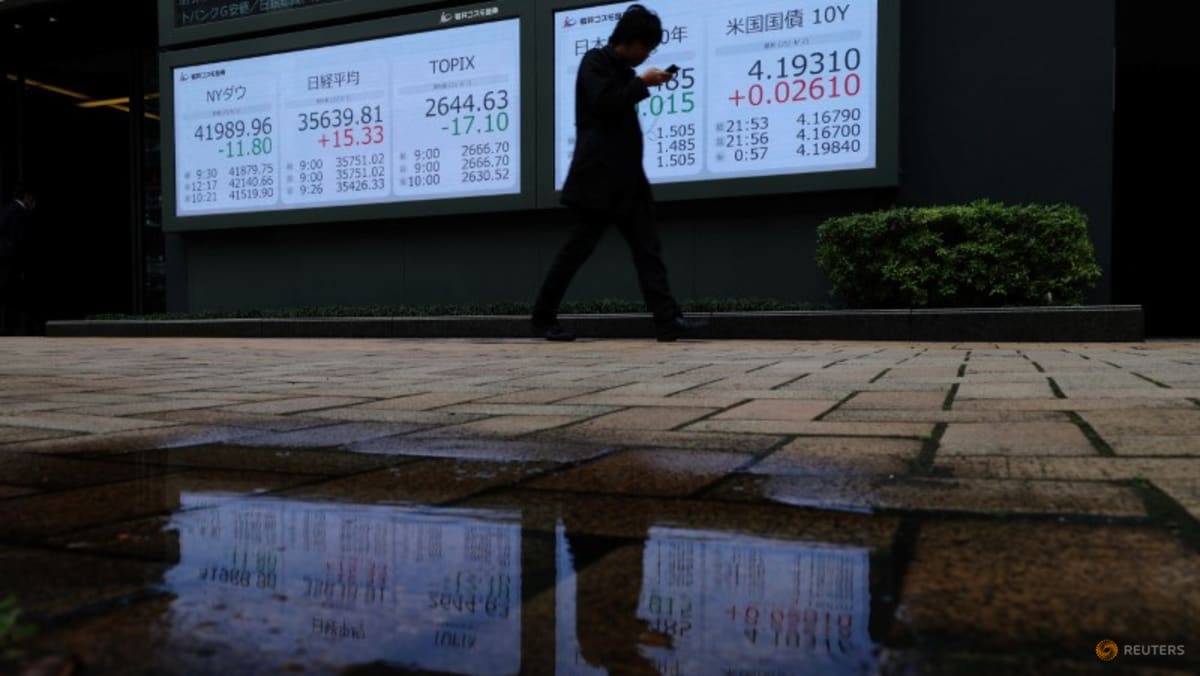
Global bond markets experienced another turbulent month in May as the Iran war sparked sharp swings in government borrowing costs, highlighting investor concerns over inflation and mounting fiscal pressures.According to Reuters, yields on sovereign bonds surged to multi-decade highs during the month as traders reassessed the outlook for inflation and central bank policy amid escalating tensions in the Middle East. However, signs of progress in peace negotiations between the United States and Iran, coupled with weaker-than-expected economic data, later triggered a significant rally in bond markets.The sharp reversal underscored how sensitive investors remain to inflation risks and rising government debt levels, even as hopes for a diplomatic resolution offered temporary relief.U.S. Treasury Market at the EpicentreThe selloff was particularly severe in the United States, where the benchmark 30-year Treasury yield climbed to around 5.2% on May 20, its highest level since 2007. Concerns over stalled peace talks and a rebound in oil prices above $110 a barrel fueled fears that inflation could remain elevated for longer.The turmoil extended beyond the U.S., pushing British government bond yields to their highest levels in decades, driving some Japanese yields to record highs and lifting Germany's 10-year yield to levels last seen in 2011.Weak Growth Revives Demand for BondsBond markets regained footing later in the month as oil prices retreated and diplomatic developments suggested progress toward easing tensions. Softer economic indicators, particularly in Europe, also reduced expectations of aggressive monetary tightening.Recent data showed euro zone business activity contracted at its fastest pace in two-and-a-half years during May, reflecting the economic strain caused by elevated energy costs and slowing demand.The weakening growth backdrop encouraged investors to return to fixed-income assets, with higher bond yields making government debt increasingly attractive from a valuation perspective.U.S. Diverges from Global TrendWhile most major bond markets recovered by the end of May, the United States remained an outlier. The U.S. economy continued to display resilience, supported in part by strong investment linked to artificial intelligence technologies.Between April 30 and May 29, U.S. 10-year Treasury yields rose by 6 basis points, while equivalent German yields fell by a similar margin. Strong economic data prompted traders to abandon expectations of Federal Reserve rate cuts this year, with markets briefly pricing in the possibility of a rate increase before year-end.Inflation data reinforced those concerns. Reuters reported that the Federal Reserve's preferred inflation gauge rose 3.8% year-on-year in April, marking its fastest pace in three years.UK Gilts Face Another Stress TestThe British gilt market also endured heightened volatility during May. Long-dated gilt yields surged to their highest levels since 1998 amid the global bond selloff and concerns over potential fiscal expansion following political uncertainty in the UK.However, Reuters reported that gilts later rallied as hopes for peace in the Middle East improved, domestic economic data softened, and leading political figures signaled commitment to existing fiscal rules.Despite the recovery, UK bond yields remain significantly higher than they were before the conflict began, reflecting lingering concerns over inflation and fiscal sustainability.Long-Term Debt Bears the BruntThe most pronounced selling pressure was concentrated in longer-dated bonds as per a report by Reuters, which are more sensitive to concerns about government finances and long-term economic prospects.Rising inflation-adjusted, or real, yields across both the U.S. and Europe suggested that investor concerns extended beyond inflation alone. Analysts increasingly pointed to deteriorating fiscal conditions, particularly in the United States, as a key driver behind the weakness in Treasury markets.Additional uncertainty emerged around monetary policy credibility. Some investors have expressed concerns about the independence of the Federal Reserve under its new leadership, raising questions about how policymakers would respond if inflation remains elevated while economic growth slows.As bond markets navigate the intersection of geopolitical tensions, inflation pressures and expanding government debt burdens, May's dramatic swings illustrate the challenges investors face in assessing the future path of interest rates and global growth.
Global Market: Iran war sparks bond market turmoil as yields swing wildly in May
Global bond markets saw significant turbulence in May. Geopolitical tensions and inflation worries caused government borrowing costs to surge. The US Treasury market was particularly affected. However, signs of peace progress and weaker economic data later led to a bond market rally. This highlights investor sensitivity to inflation and government debt. The US economy showed resilience, diverging from global trends.
638 words~3 min read