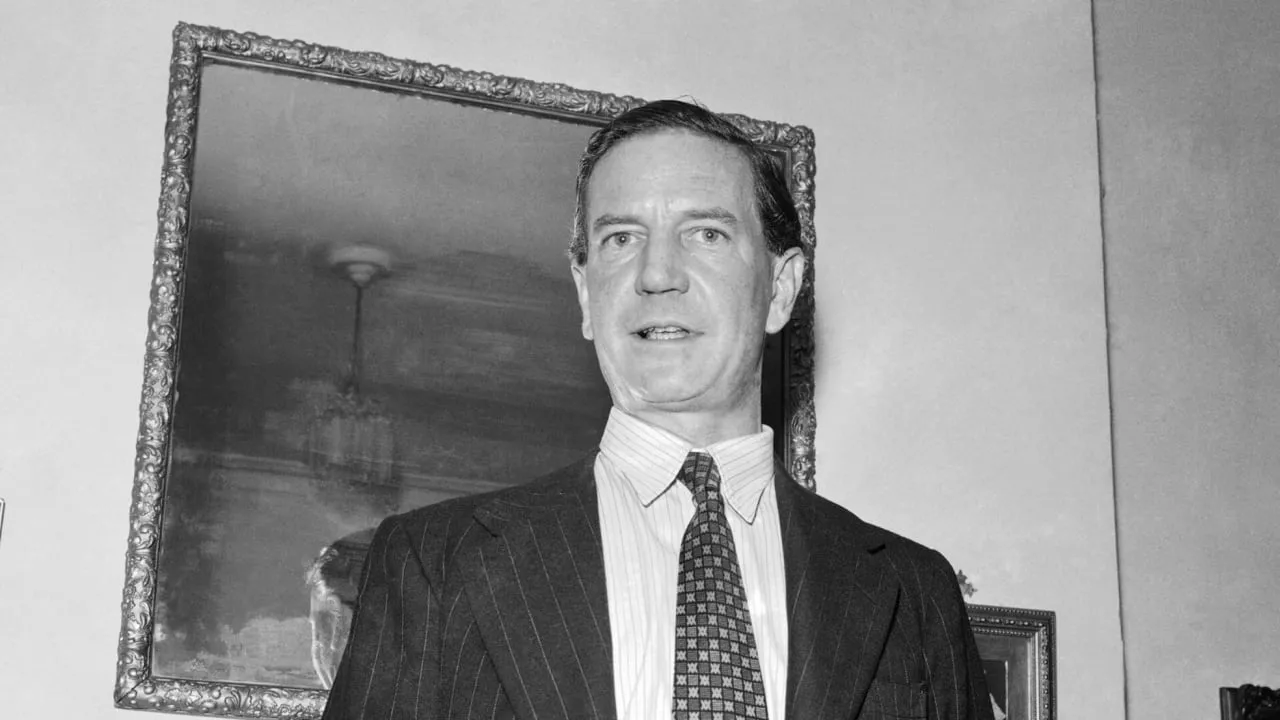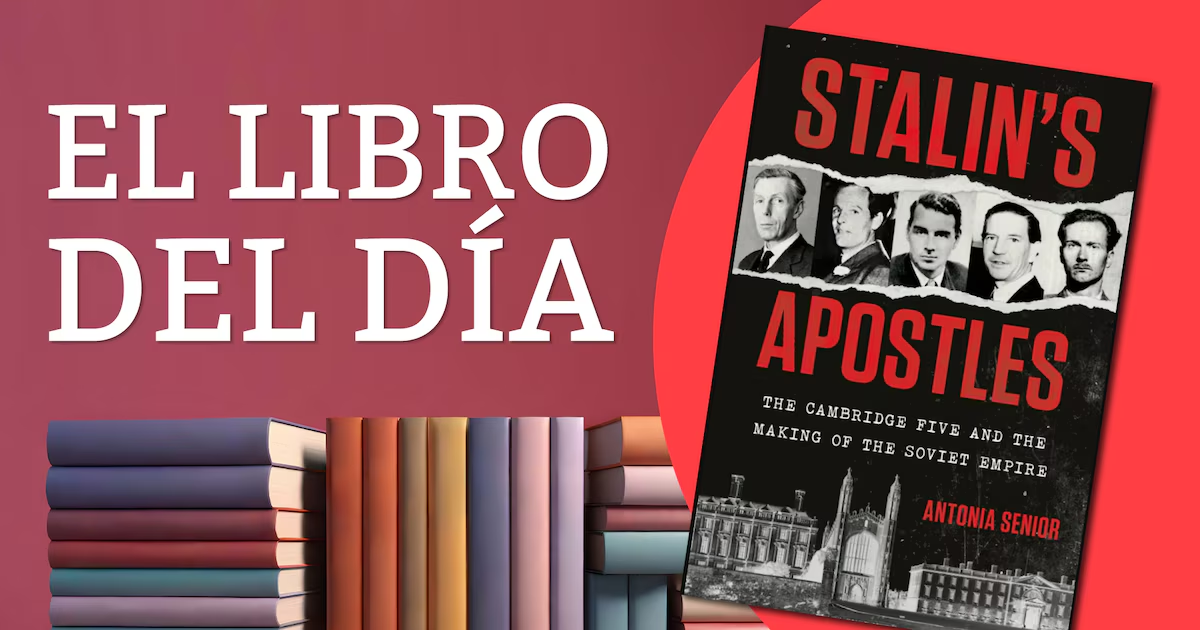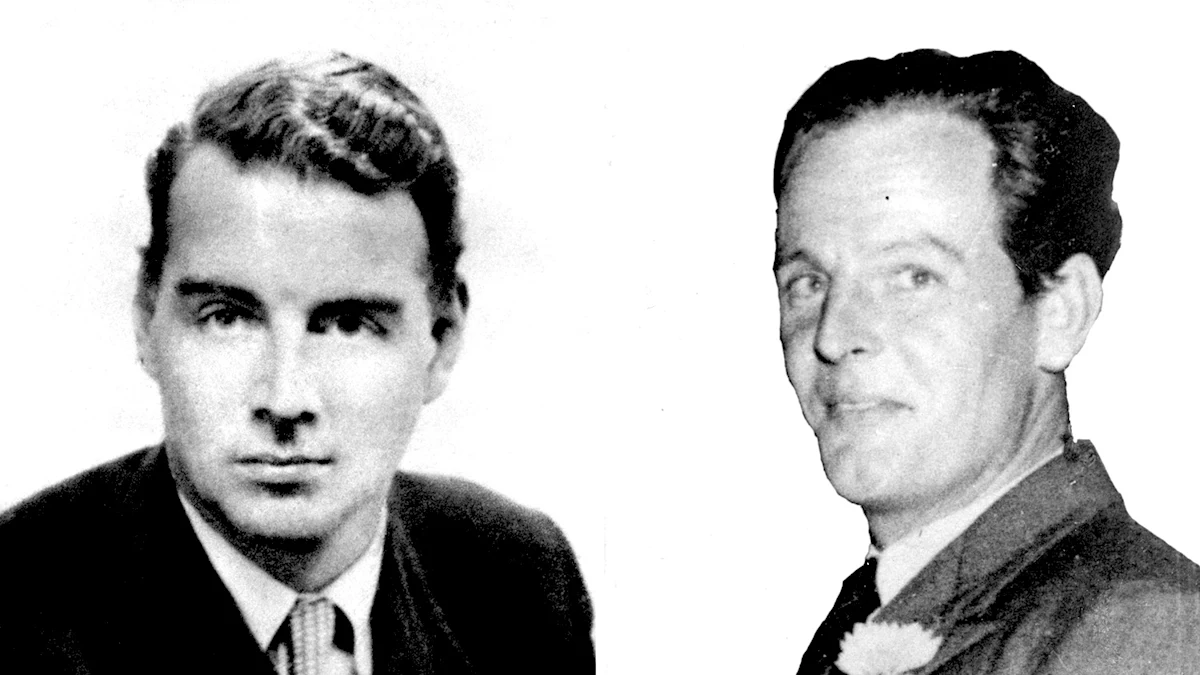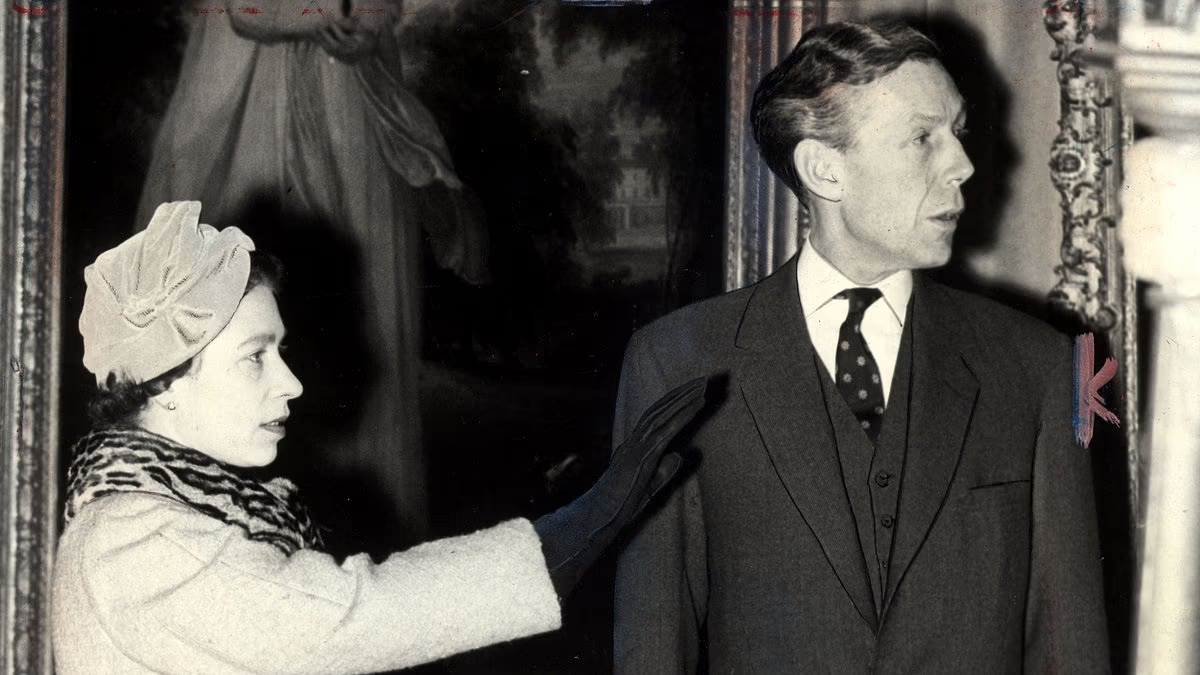
Just before Christmas in 1961, a KGB major named Anatoliy Golitsyn defected to the West after turning up unannounced at the U.S. Embassy in Helsinki. He came bearing secrets, revealing to his slightly bewildered hosts that Western intelligence agencies had been penetrated for decades by rather excellent Soviet spies. At the center of this effort was a network of British communist sympathizers who’d attended Cambridge University during the 1930s and had subsequently attained prominence within the organs of British statecraft. All these years later, it is still hard to know the full extent of their treachery. What is certain is that throughout the corridors of power in London and Washington, the eyes and ears of comrade Stalin were everywhere. So total was his access to information that, in the years following World War II, when the former allies were sliding toward confrontation, the Soviet leader was reading the correspondence between the British prime minister and the U.S. president in real time.In Stalin’s Apostles: The Cambridge Five and the Making of the Soviet Empire, Antonia Senior reveals how this extensive subterfuge came to be. Senior has produced a beautifully written retelling of the Cambridge Five saga and the tortured epoch in which they carried out their work. She skillfully reconstructs the port- and gin-soaked clubs of St. James’s, drunken dinner parties in London and Washington, and the innocuous drop sites where thousands of carefully photographed pages of state secrets were transmitted via microfilm to Soviet handlers. Bolstered by newly released files from the MI5 archives, this isn’t quite a definitive history, but it is a meticulous character study of the Five and their bright, duplicitous, slowly unraveling lives. Special attention is given to the victims of their treason, particularly that of Kim Philby: the thousands of Poles, Balts, Ukrainians, Albanians, and others sent to their deaths on doomed infiltration missions behind the Iron Curtain.The defection of Golitsyn led to the final unmasking of Philby, a suave, highly competent, and popular former intelligence officer who sat at the center of the Cambridge Five intelligence network. Then living in Beirut as a correspondent for the Observer and the Economist, he slinked aboard a Soviet ship, thus completing his long journey to Moscow.
Review of Stalin's Apostles
In Stalin’s Apostles: The Cambridge Five and the Making of the Soviet Empire, Antonia Senior reveals how this extensive spying happened.
1,230 words~6 min read