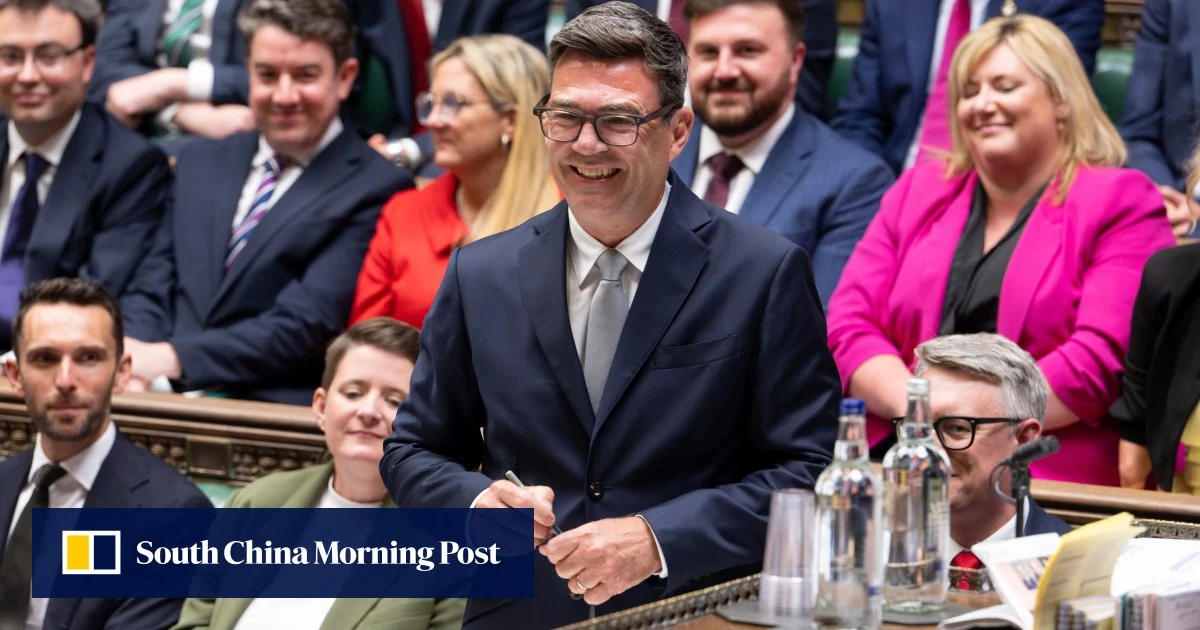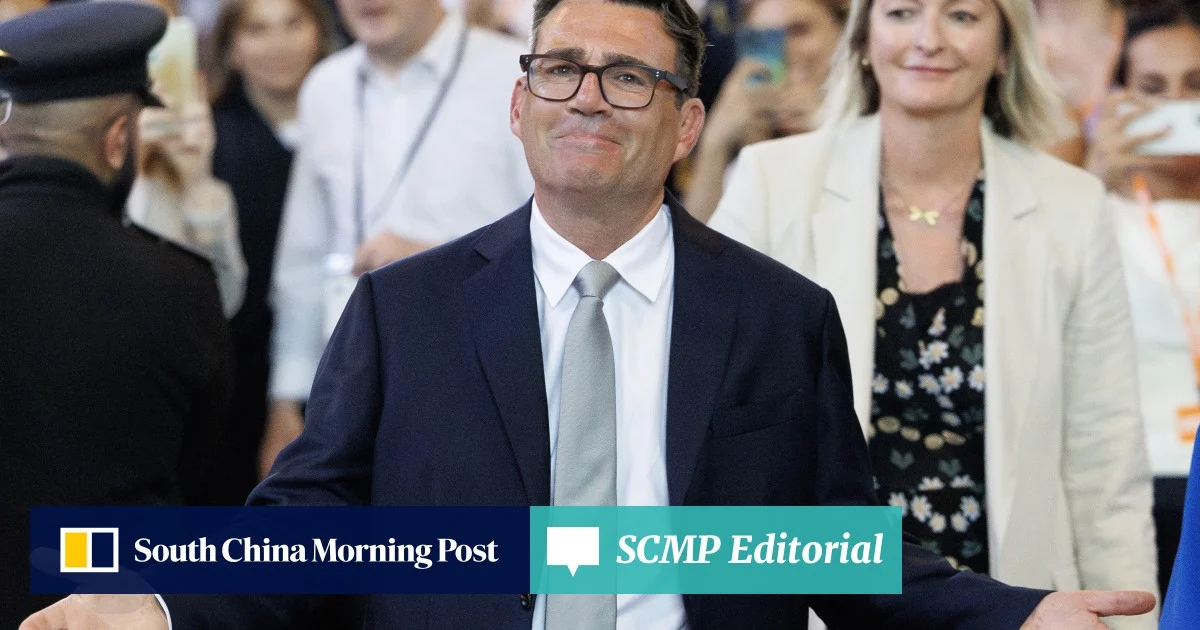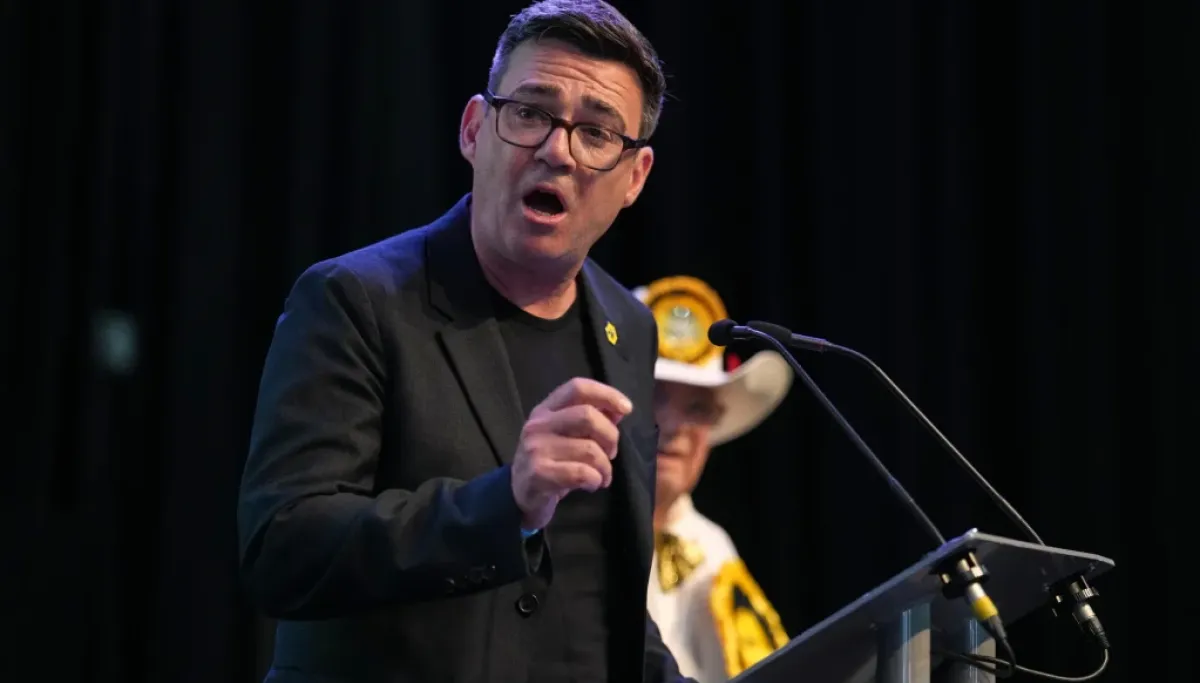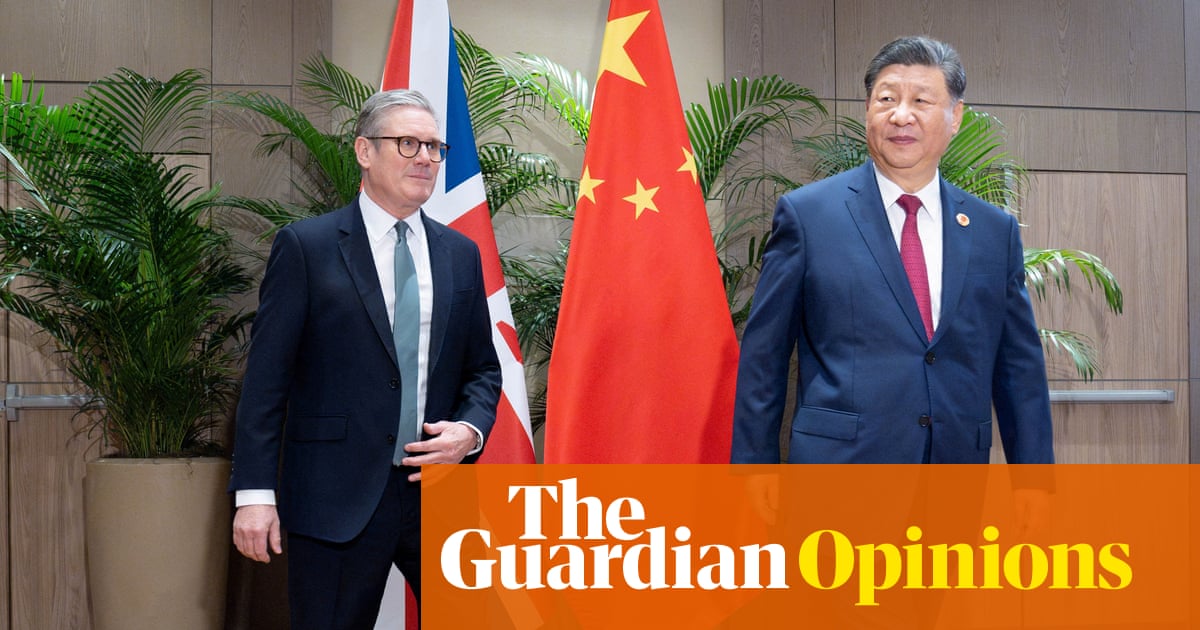
1. The article discusses the potential successors to UK Prime Minister Keir Starmer and their implications for Sino-British relations. At a China-Britain Business Council event, a former British diplomat asked about which of two likely Labour candidates—Andy Burnham (Mayor of Greater Manchester) or Wes Streeting (former health secretary)—would have a friendlier policy toward China if they replaced Starmer later in 2025. [para. 1][para. 2]2. Starmer’s position within Labour has steadily eroded due to policy missteps and poor personnel choices, making him one of the most unpopular prime ministers at this stage in British history. A crushing defeat for Labour in the May 2025 local and regional elections became the final straw, making it all but certain that Starmer will not lead the party into the next general election. [para. 3][para. 4][para. 5]3. Burnham represents the “soft left” wing of Labour, which sits between the hard-left camp of Jeremy Corbyn and the center-right Blairite faction. Starmer relied on this soft-left platform to win the leadership and the 2024 general election. In practice, the threat from the hard-right Reform UK party forced Starmer’s government to veer rightward, creating a lack of clear political anchor. Streeting, in contrast, is a Blairite product of the party’s right wing, supporting market faith, anti-nationalization, economic growth, tough-on-crime policies, and a hawkish foreign stance. [para. 6][para. 7][para. 8][para. 9][para. 10][para. 11]4. Returning to the diplomat’s question, Labour’s internal factions diverge sharply on domestic policy but have far narrower differences on foreign affairs, especially on China. However, Britain’s post-Starmer China policy will undergo some shifts. If Burnham wins and becomes prime minister (likely relying on the soft-left base), he may take a more activist approach on sensitive issues like human rights and continue national security-driven pushback against Chinese investments, risking the pragmatism Starmer’s January trip to Beijing had injected into bilateral ties. [para. 12][para. 13][para. 14][para. 15]5. Conversely, if Streeting comes to power, he is more likely to sustain pragmatic economic cooperation. Blairites view economic growth as the ultimate imperative, and post-Brexit reality plus the fragile U.S. “Special Relationship” leave Labour with a dual mandate: moving closer to the EU and tapping into major markets including China, as part of an “EU+” blueprint. Conventional political theory suggests no fundamental differences on China policy among mainstream parties, but a change in Downing Street will not leave bilateral relations untouched. [para. 16][para. 17][para. 18]6. If Burnham—the likelier victor—takes over this autumn, Sino-British relations should not see major short-term upheavals. Starting next year, however, several shifts are plausible. First, Britain’s approach to protecting domestic industries will increasingly mirror continental Europe, following the European Commission’s Industrial Accelerator Act to tighten oversight and restrict Chinese investment and access to public procurement. Since the UK is actively aligning closer to Europe, it is unlikely to roll out a red carpet for Chinese capital while Sino-European relations remain stagnant. [para. 19][para. 20][para. 21]7. Second, a supply chain security framework orchestrated by “middle powers” is taking shape in the Asia-Pacific. The UK, as the first non-regional member of the CPTPP, a G7 member, and a critical pillar of AUKUS, will see defense realignments that inevitably leave their mark on Sino-British relations. Whether through the evolution of AUKUS or new defense coalitions, these shifts will impact bilateral ties. [para. 22][para. 23][para. 24][para. 25]8. Huang Shan is a London-based advisor for Caixin Insight. [para. 26]AI generated, for reference only
Commentary: What Britain’s Looming Labour Shake-Up Means for Beijing
A collapsing Keir Starmer premiership means London’s fragile economic ties with Beijing will face new geopolitical pressures from Europe and the Indo-Pacific
561 words~3 min read