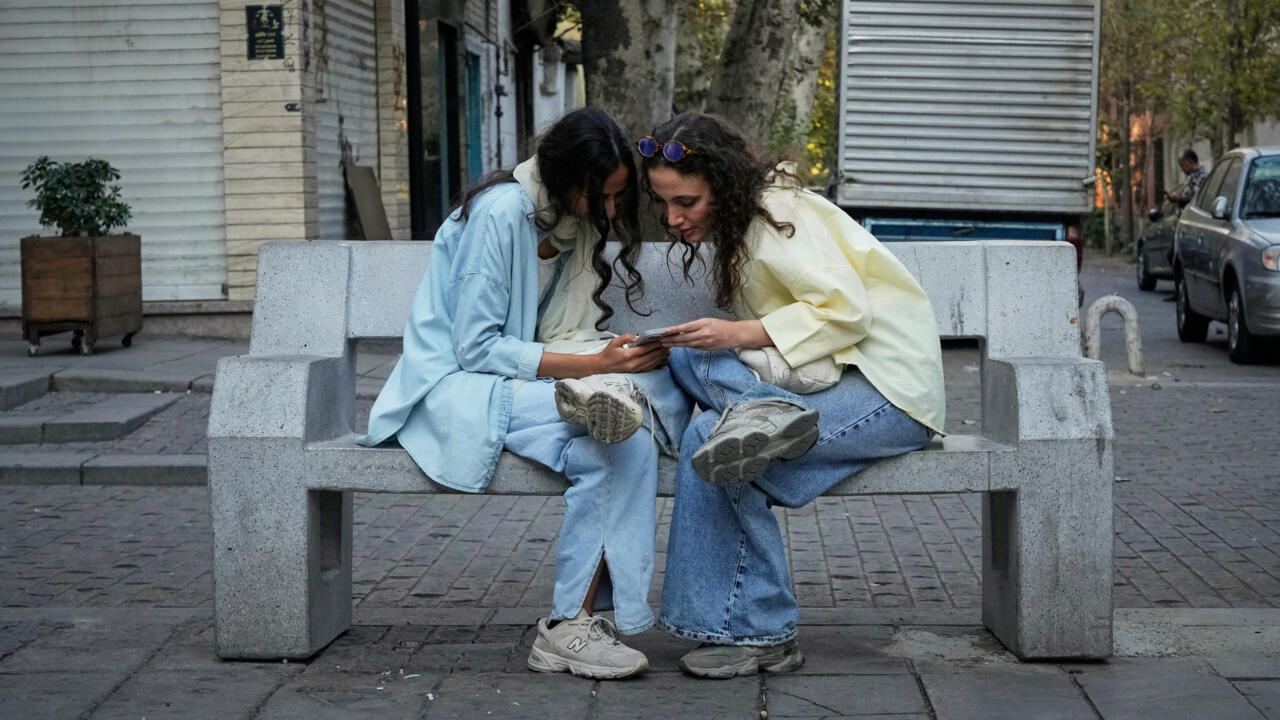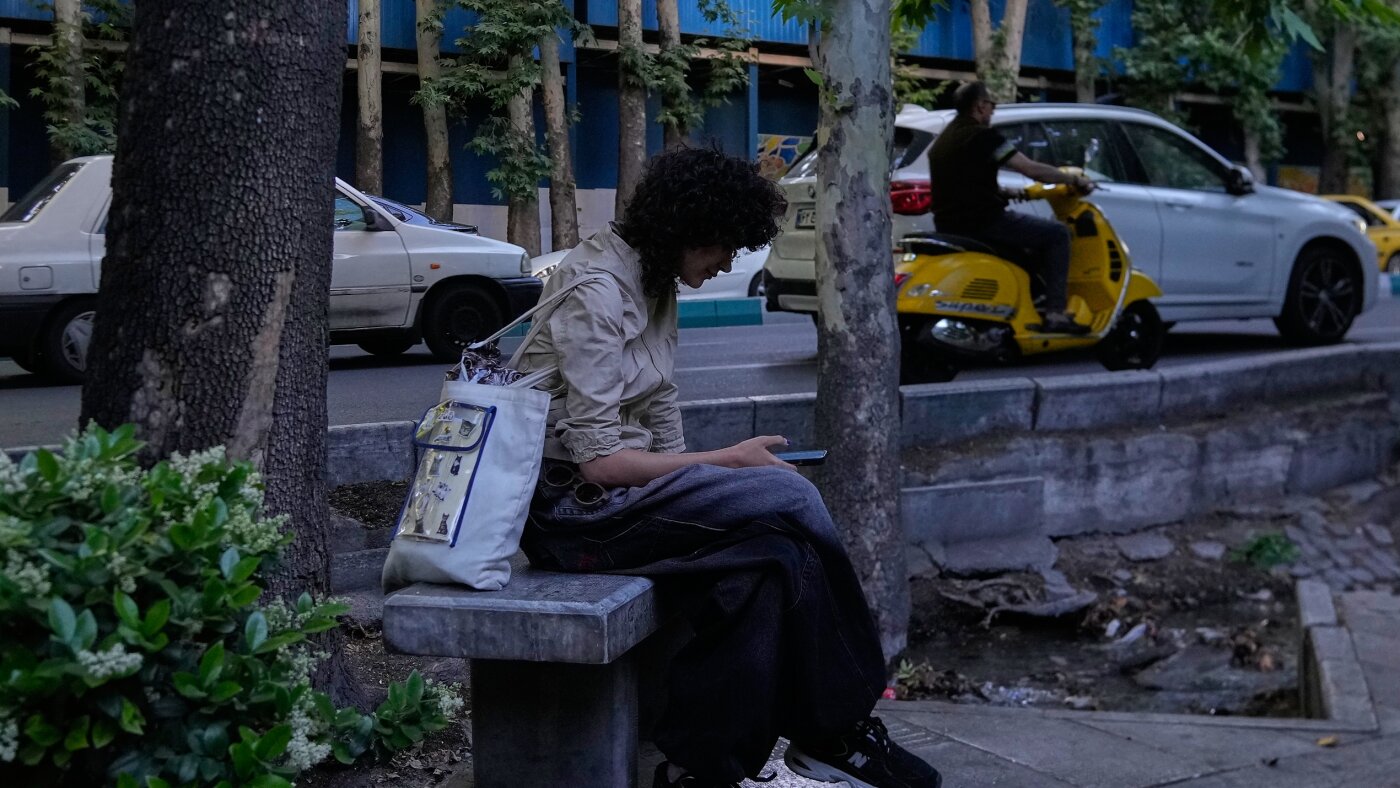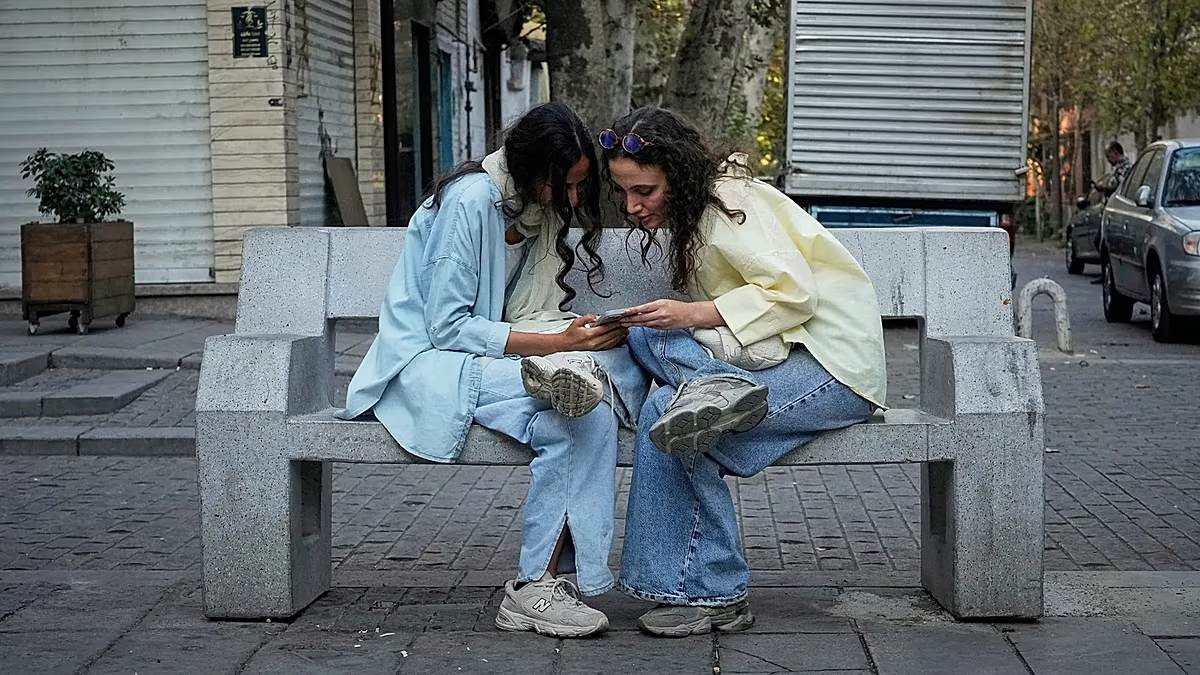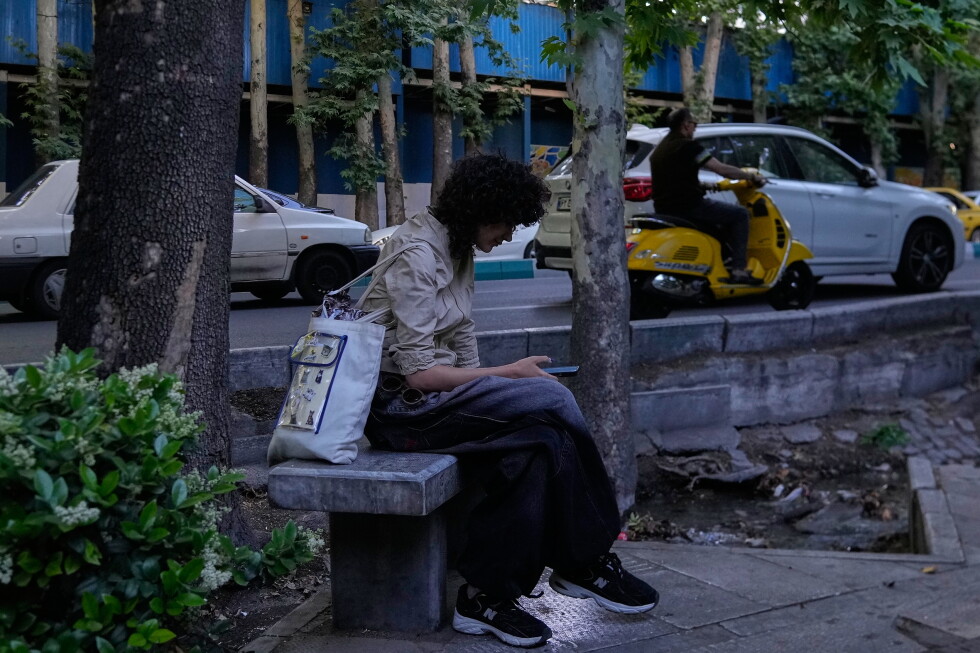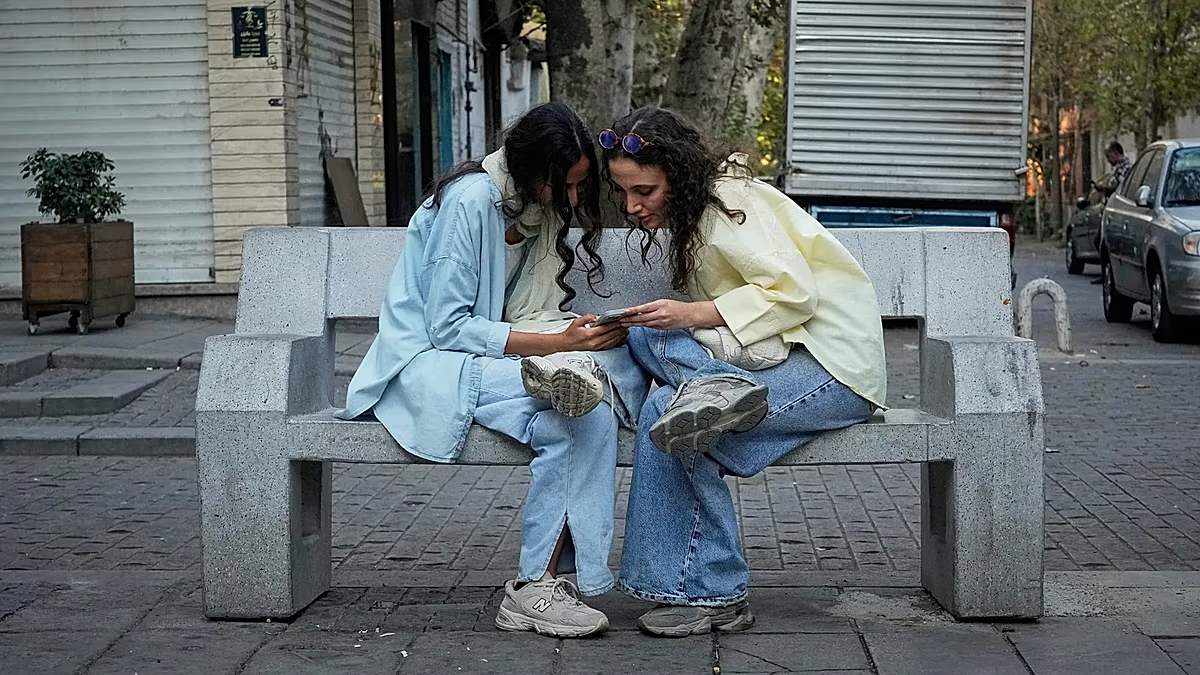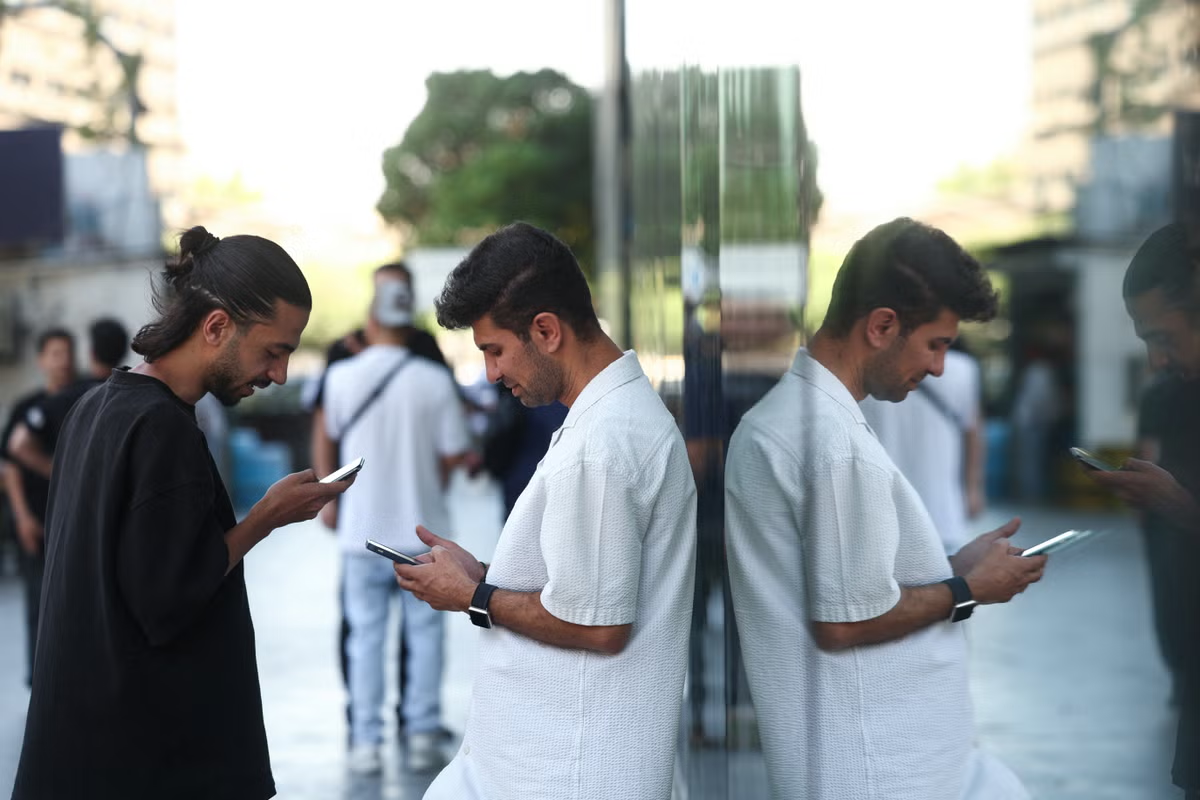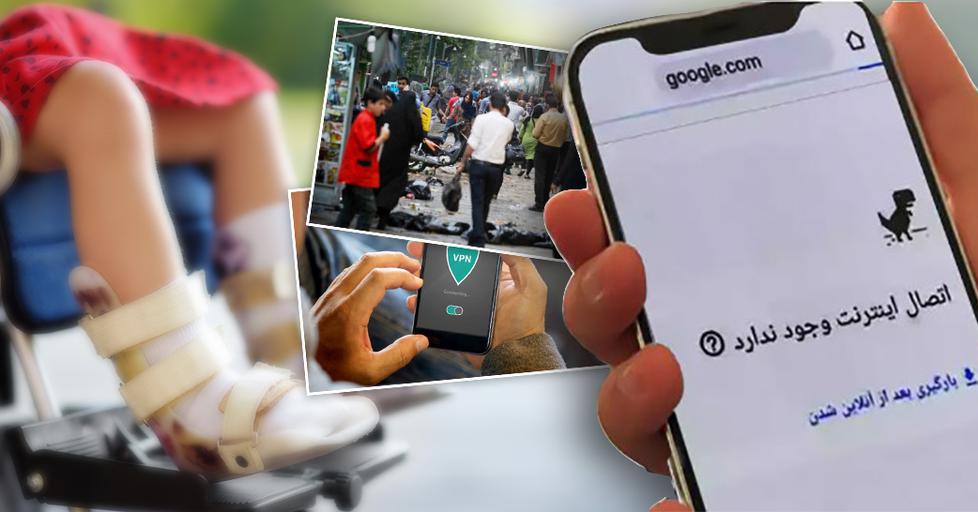
On May 27, some users in Iran reported that their home internet services were back online. It seemed as though the global internet had, for a segment of users, become accessible again in a manner reminiscent of the days before the January protests. The reactions of Iranian users returning to platforms like X (formerly Twitter) and Instagram were mixed. Some felt a sense of joy and relief. For others, a mounting anger left no room for happiness; they believed that this access, far from being truly free yet manageable via relatively standard, free VPNs, is the bare minimum of their rights, but that the regime has “brought us to death’s door so that we settle for a fever.”
This report presents three narratives of the contradictory emotions felt by the people of Iran following the reconnection to the internet.
Narrative One: Somayeh, Mother of a Child with Disabilities
Somayeh, her husband, and their eight-year-old son spent the days of the US-Israeli war in Khuzestan. The couple has a child with disabilities, and every year during the Nowruz holidays, they take him to his grandparents’ house to break the monotony of his life.
Somayeh tells IranWire: “You cannot imagine what an internet shutdown means for a family with a child who has cerebral palsy (CP). Our son was born with a congenital spinal cord injury. Because of his condition and to have access to specialized doctors in the capital, we came to Tehran and settled here. We have seen many ups and downs over these eight years, but from March until yesterday, when the internet was reconnected, those were the hardest days of our lives.”