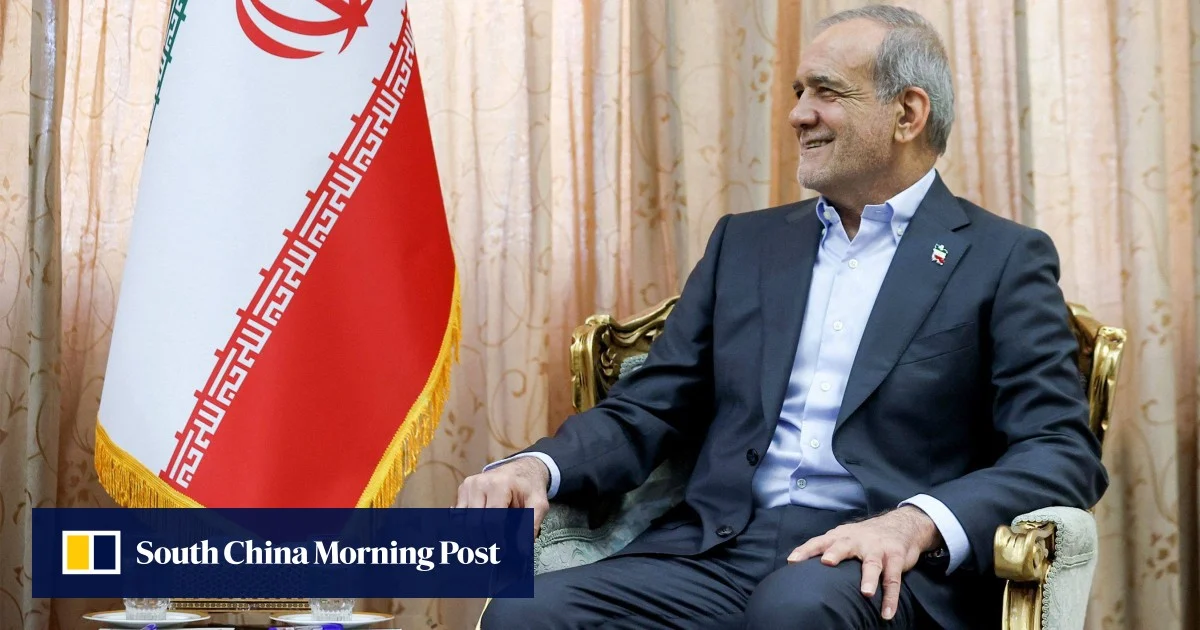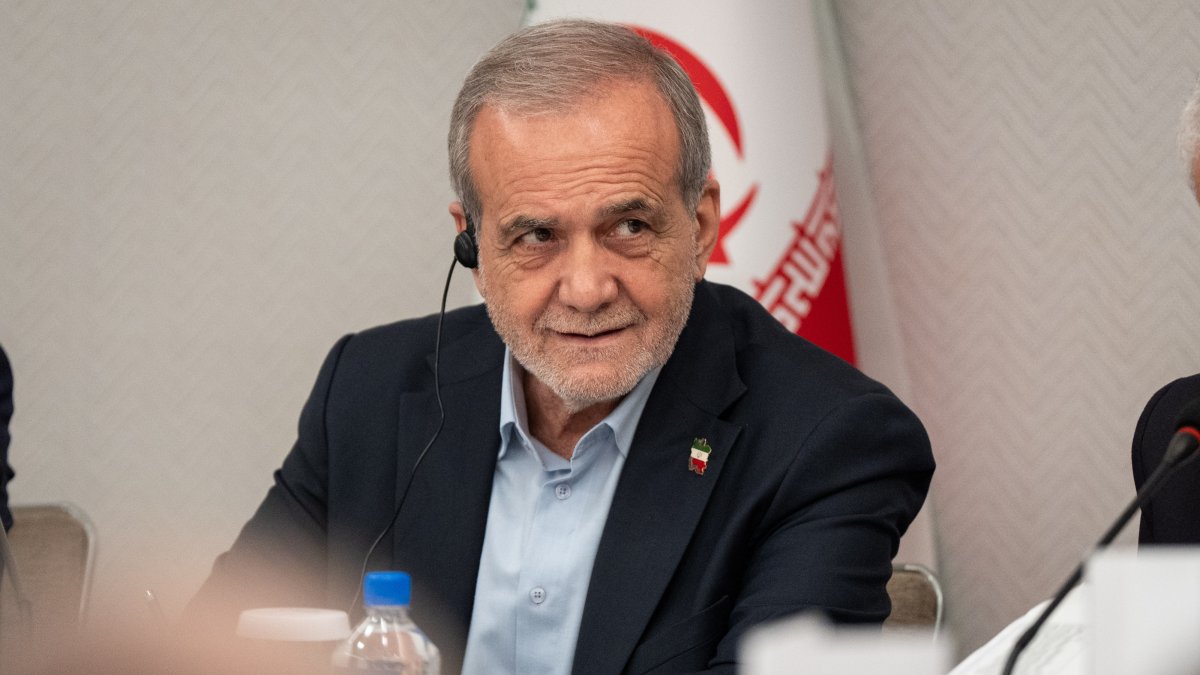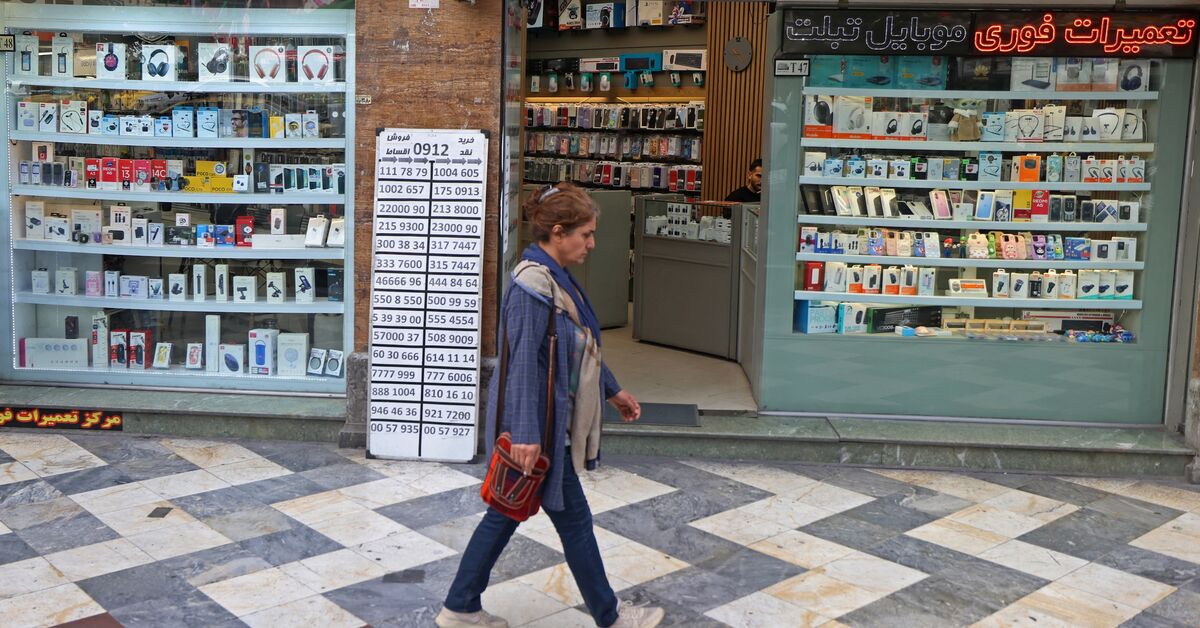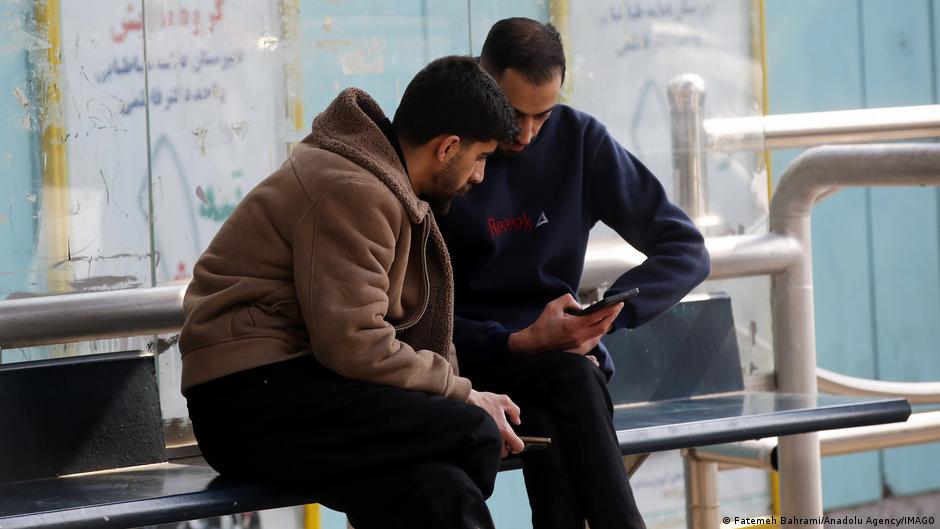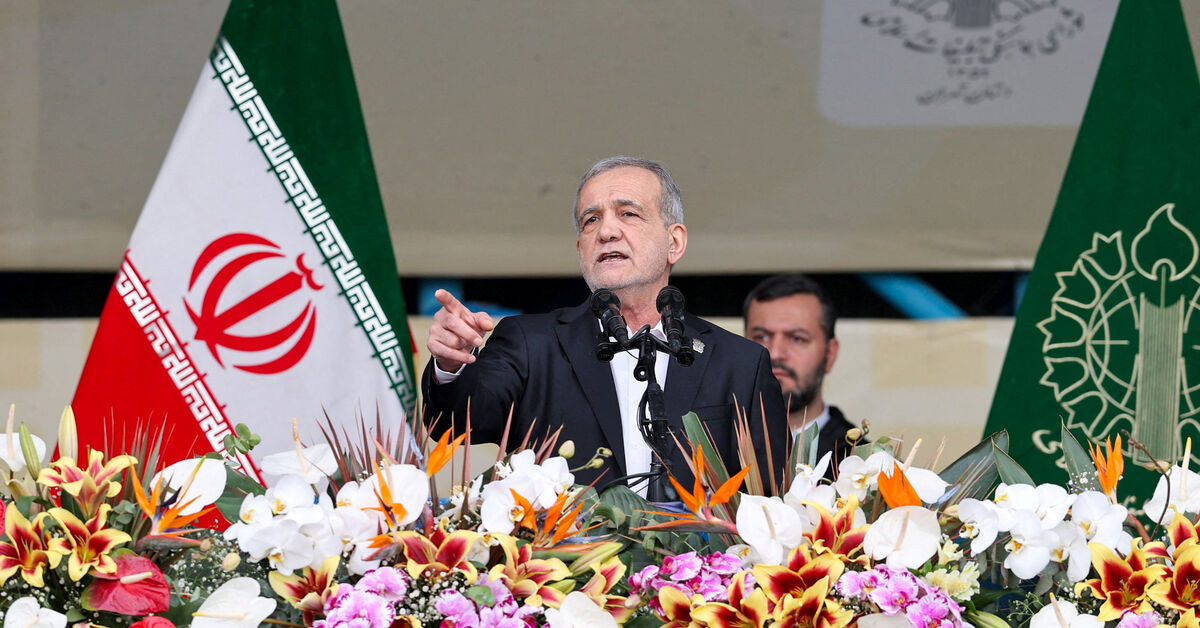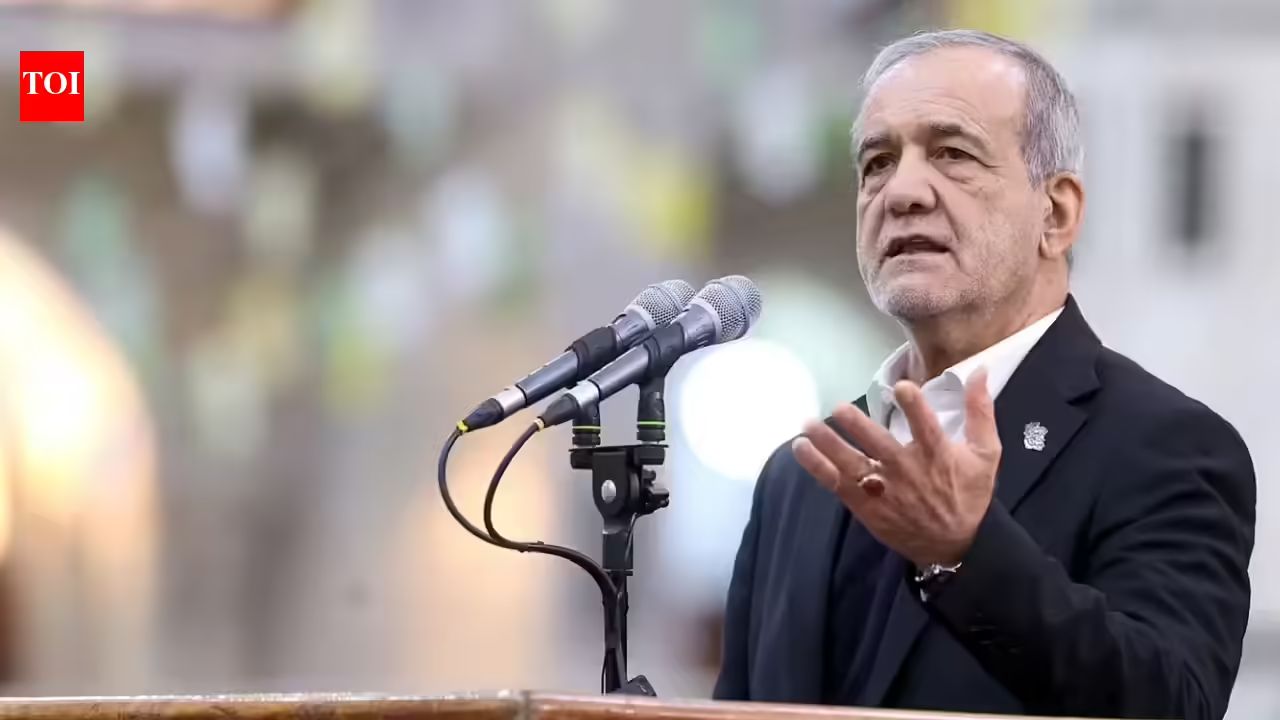
Despite a weeks-long ceasefire in Iran, most Iranians have been without international internet access since the war began.That means almost the whole country has been disconnected from the world for nearly three months. But that started to change on Monday, when Iran's president, Masoud Pezeshkian, issued an order to reopen international internet access.Reports of an increase in internet traffic are filtering through, but experts say Iran has a long way to go to get back to normal.How long was Iran's internet blackout?This internet shutdown lasted 87 days.The outage started on February 28, when the US began strikes in Iran. British-based internet monitoring group NetBlocks reported a "partial restoration to internet connectivity" on May 26. The internet monitoring group called it "the longest nationwide internet shutdown in modern history".Only a 'partial restoration' of internet"Today was a big step towards relaxing the world’s biggest communications blackout, but Iranians are not out of the woods just yet," US network traffic data platform Kentik's director of internet analysis Doug Madory said. He said Iran's internet traffic wasn't back up to the level it was at before an earlier internet clampdown, which started on January 8.Kentik's data showed traffic peaked at just 39 per cent of the levels seen before the previous crackdown."At the present time, we're still not seeing traffic levels at pre-January 8 levels," Mr Madory said."In fact, so far it resembles the traffic levels we observed during a period of partial restoration between January 27 and February 28."This means that there are still many Iranians who lack internet access, and for those who do, it is slow and many things remain inaccessible."Human rights organisation Miaan Group's director of digital rights and security Amir Rashidi also urged caution. "We are still in an internet shutdown," Mr Rashidi said on X.What happened with the first blackout?The first blackout happened amid a rise of anti-government protests across Iran, with Iranian security forces responding with deadly force."After about 10 days, the shutdown began to ease, and Iran’s internet entered a new phase of partial restoration," Mr Madory said. "During that phase, connectivity was limited and unstable, and content filtering was erratic and constantly changing."Internet traffic didn't get back up to the levels it had been at before the crackdown, Kentik's data shows. It continued like this until February 28, when Iranians were plunged into another internet shutdown. Protesters march in downtown Tehran in December. (AP: Fars News Agency)Not everyone was cut offThe majority of Iranians weren't able to access the international internet — but some key figures still could.On March 10, Iranian government spokesperson Fatemeh Mohajerani said the internet was being restored to "those who can broadcast the country's voice to the world".Mr Madory explained how select individuals and organisations were permitted to remain connected to the outside world during the shutdown. "Some service continued for privileged users and important businesses," he said. "Later, the government authorised the telecoms to begin offering an Internet Pro service that enabled Iranians to pay an additional fee to get internet access with government approval. "Digital rights activists referred to the authorised traffic as 'whitelisted' traffic."This controlled internet system is what allowed Iranian Foreign Minister Abbas Araghchi to be interviewed by Margaret Brennan on US broadcaster CBS while most of Iran was impacted by the internet shutdown.Brennan: The Iranian people don't have open Internet access, but you do. Why?Araghchi: Because I'm the voice of Iranians, and I have to defend their right. Araghchi: But internet is closed because of the security reasons, because we are under the under attack, we are under aggression, and we have to do everything to protect our people. In any country, there are, you know, urgent measures taken for this, for the sake of war.Critics of the 'whitelist'This system has many critics. Iran Human Rights Monitor has called it "digital apartheid". "The primary goal of this blocking is to stifle the voice of civil society and monopolise the narrative," the organisation wrote in a blog post. NetBlocks has also been vocal against it on social media. "The measure is built on a class-based tiered system where the select few are granted access while the general public is silenced," it said. Is this the new normal?Last month, Mr Madory posed questions about whether this tiered system could become permanent. "If they poke enough holes in the digital curtain for those who express political loyalty and have economic status, it could become a new normal for connectivity in Iran," he wrote in a blog post. "The slow but steady increase in traffic to Iran in recent weeks may be evidence of this new reality taking shape."Now that the internet blackout is supposedly being lifted, many will be watching to see if traffic returns to pre-shutdown levels. "We need to see whether it returns to previous levels or stabilises at this new low," Mr Rashidi wrote on X. "Don't rush to conclusions."
Iran's internet is coming back online. But it's not back to normal
Reports of an increase in internet traffic are filtering through, but experts say Iran has a long way to go to get back up to speed.
814 words~4 min read