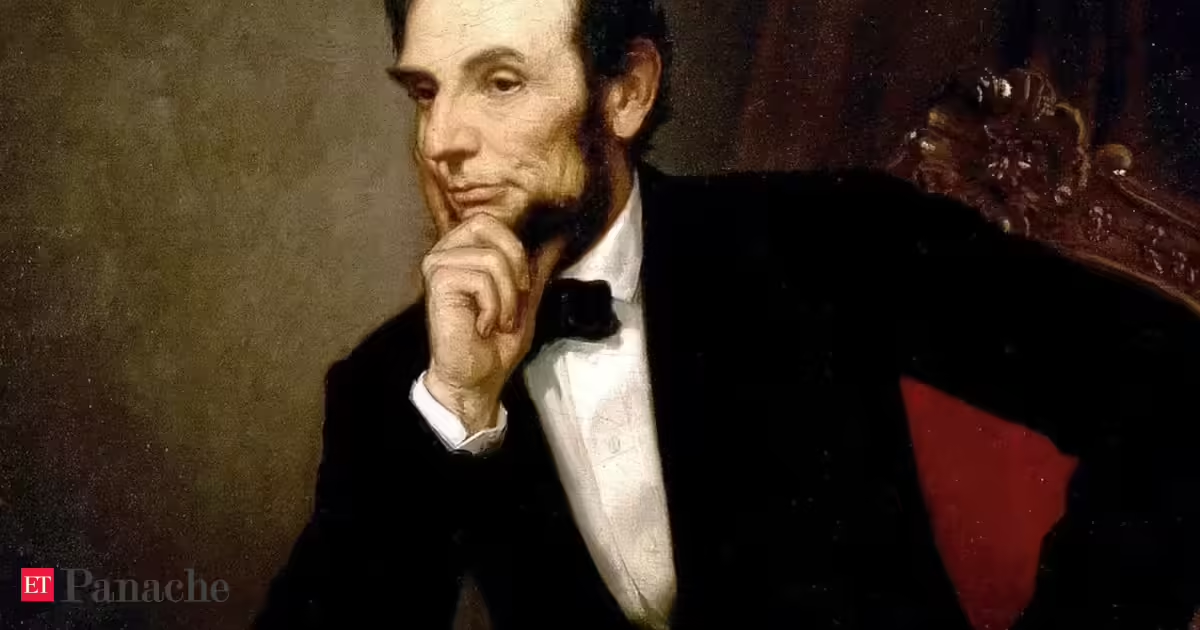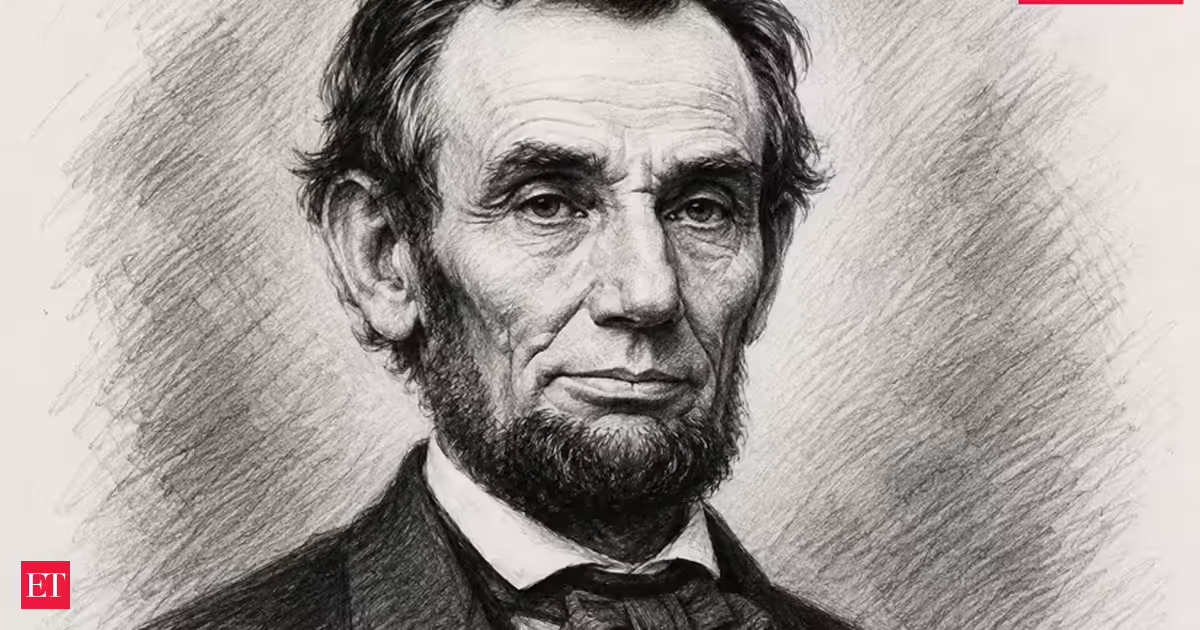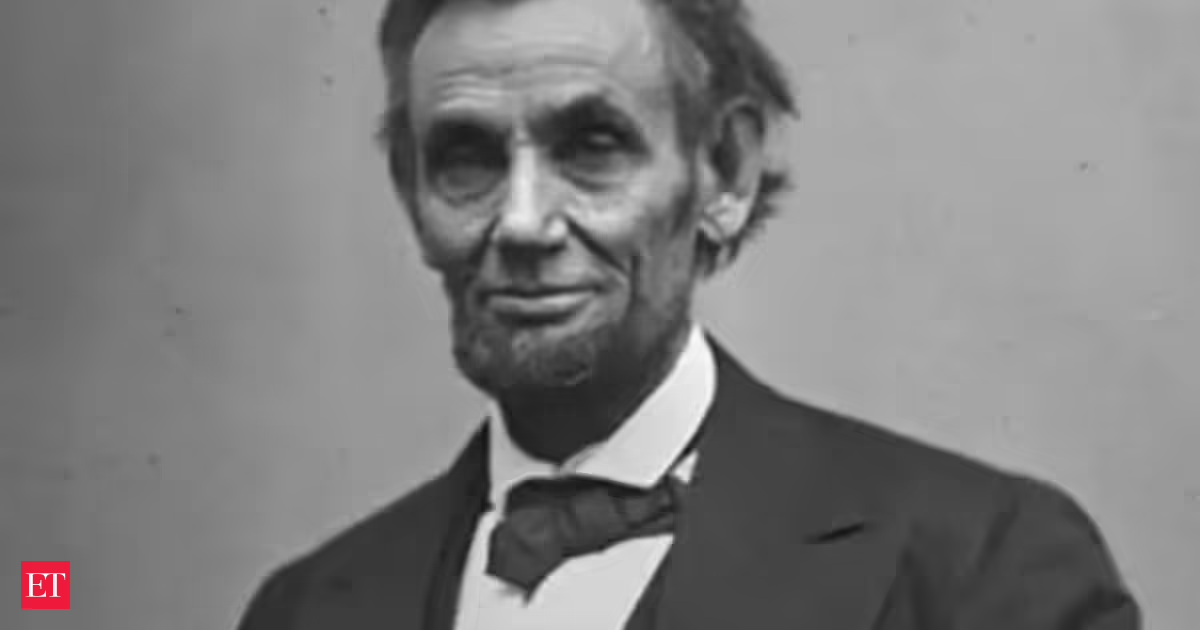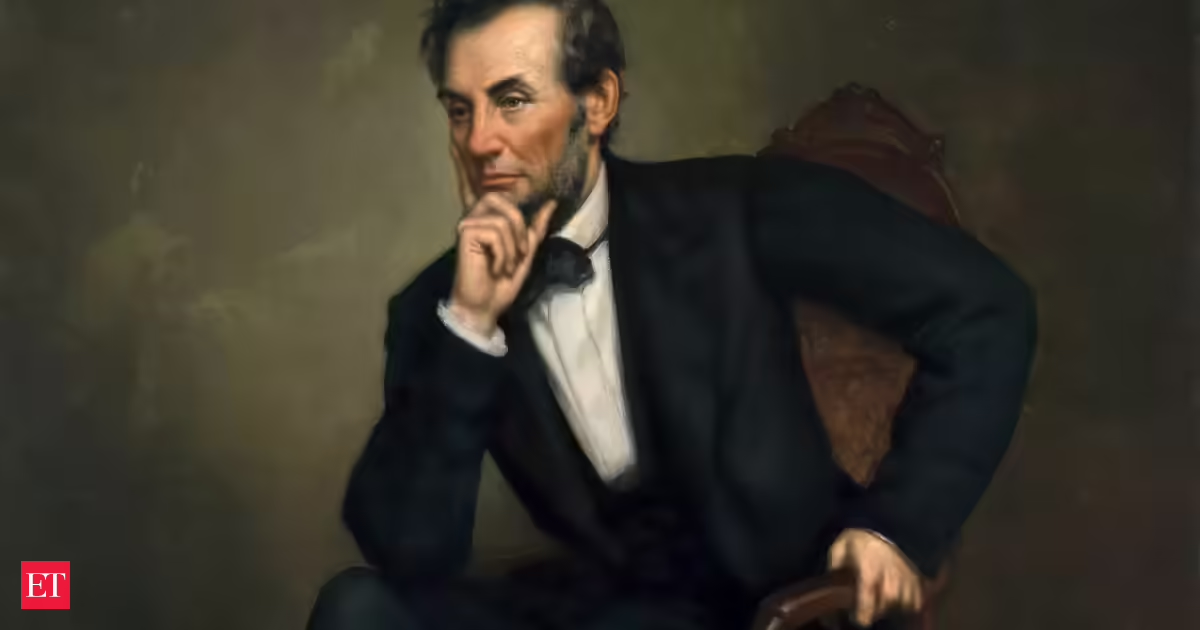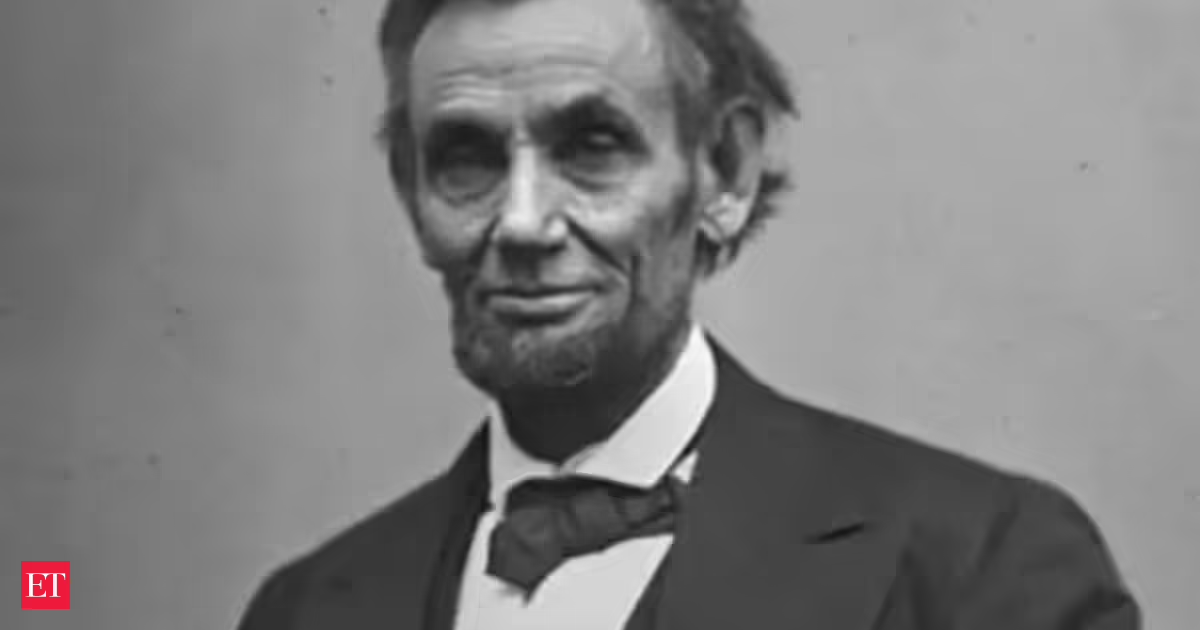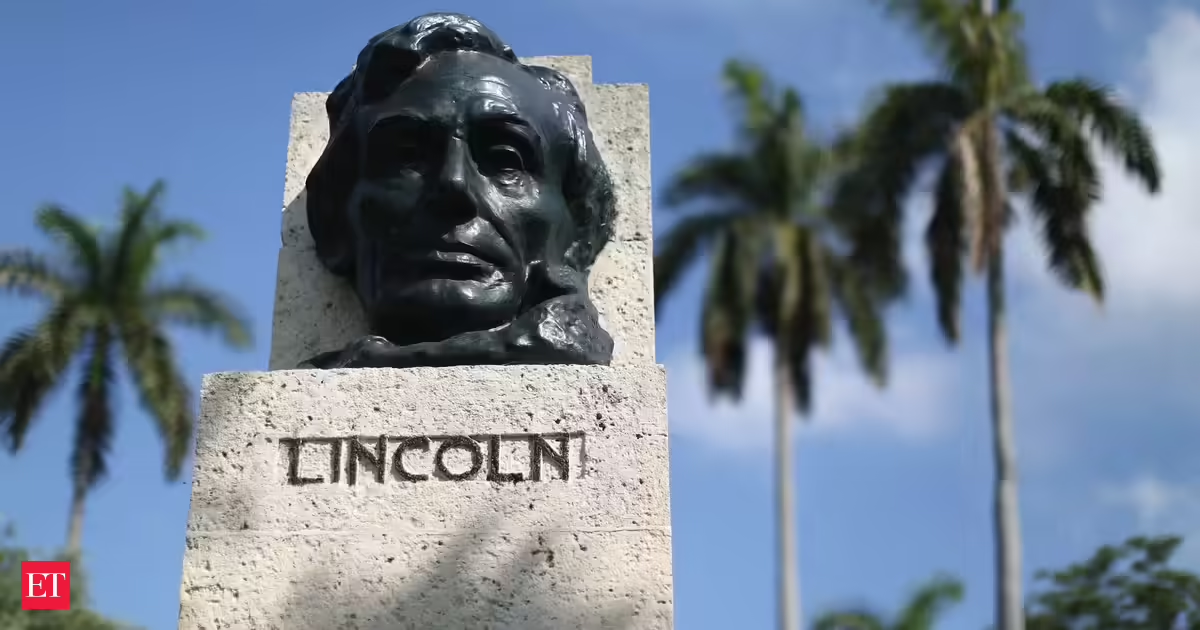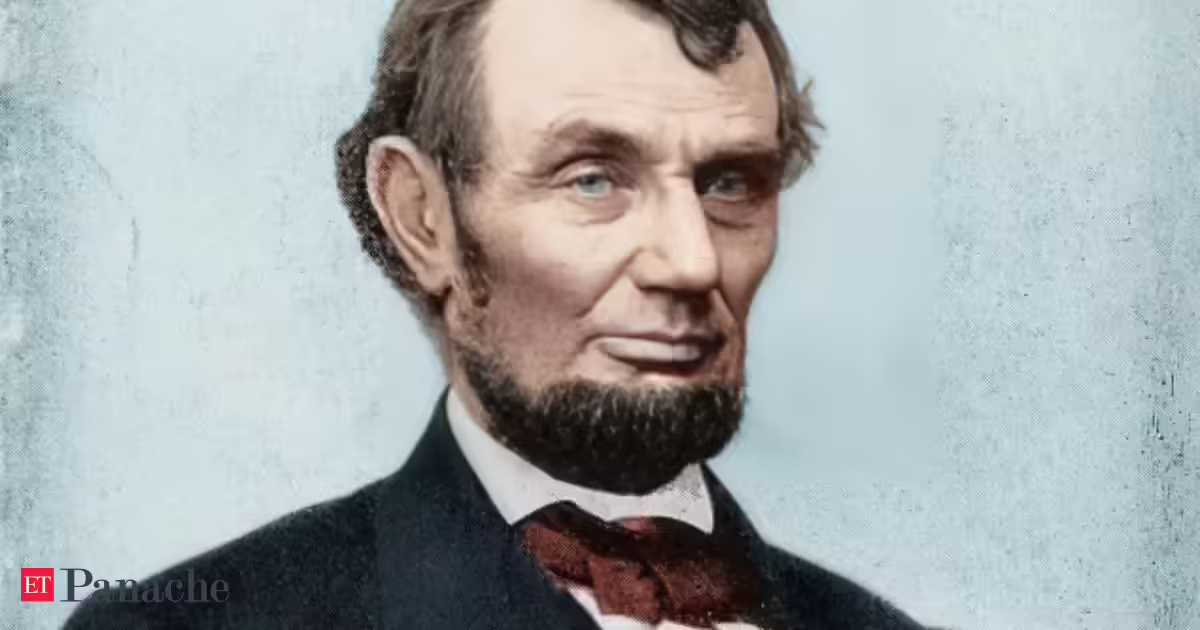
Abraham Lincoln is remembered for his leadership, speeches, and role in shaping American history. Yet some of his most revealing words were not spoken from a podium but written in private letters. Long before he became the 16th President of the United States, Lincoln experienced the same emotions that millions face today: rejection, self-doubt, wounded pride, and heartbreak. One candid reflection from a failed courtship offers a surprisingly honest glimpse into how he viewed love, disappointment, and personal responsibility.The story behind Lincoln’s memorable remarkAccording to an article on Illinois.gov, one particularly memorable exchange occurred when Lincoln wrote to Eliza Browning about his unsuccessful courtship of Mary Owens in 1838. Reflecting on the experience, Lincoln wrote that while some men might claim they had been made fools of by women, that description did not apply to him. Instead, he admitted that he had “most emphatically” made a fool of himself.The remark stood out because it revealed Lincoln's willingness to look inward rather than place blame on someone else. Even after facing rejection, he chose self-reflection over resentment.A letter filled with disappointment and self-awarenessFurther details about the episode appear in a letter shared by the Papers of Abraham Lincoln website. The document is considered a rare record of Lincoln's only documented romantic attachment between the death of his fiancée Ann Rutledge in 1835 and his eventual courtship and marriage to Mary Todd in 1842.You Might Also Like:In the letter, Lincoln explained how he delayed addressing the relationship for as long as he felt honourably possible. Eventually, he gathered the courage to propose directly. To his surprise, the answer was no. At first, Lincoln believed the rejection might be an expression of modesty. However, when he renewed his proposal, he found that the refusal became even firmer. He wrote that he tried again and again but with the same result.Eventually, he had no choice but to abandon the effort.The emotional impact of rejectionWhat followed was an unusually honest description of how deeply the rejection affected him. Lincoln admitted that he felt “mortified almost beyond endurance.” He described being embarrassed in countless ways and acknowledged that his vanity had been hurt. He realised he had been too confident in his assumptions and had misunderstood her intentions entirely.The rejection forced him to confront an uncomfortable truth. The woman he believed would accept him had turned him down despite all the confidence he had placed in his own judgment. Lincoln further confessed that only after the rejection did he begin to suspect that he was “really a little in love” with her. The experience left a lasting impression. In one of the most quoted lines from the letter, he remarked that others may have been made fools of by women, but in his case, he had “made a fool” of himself.A humorous conclusion after heartbreakDespite the disappointment, Lincoln's letter also revealed his characteristic humour. After reflecting on the failed relationship, he joked that he had reached the conclusion that he would never think of marriage again. He added that he could never be satisfied with anyone who would be “block-head enough” to want him. The line combined self-deprecation with wit, showing how Lincoln used humour to process emotional pain.You Might Also Like:What the quote meansAt its heart, Lincoln's statement is about taking responsibility for one's own expectations and assumptions. Instead of blaming the other person for rejecting him, he acknowledged his own role in misunderstanding the situation.The quote highlights a lesson that remains relevant today. Disappointment often becomes easier to handle when people honestly examine their own actions rather than placing all responsibility elsewhere. Lincoln's words also demonstrate humility. He recognised that his hurt stemmed not only from rejection itself but from the gap between what he believed would happen and what actually occurred. More than a comment about romance, the quote is a reminder that self-awareness can be more valuable than pride. By admitting that he had fooled himself, Lincoln showed a level of honesty that continues to resonate nearly two centuries later.Abraham Lincoln was the 16th President of the United States and served from 1861 until his assassination in 1865. Born in a humble one-room log cabin in Kentucky, he was largely self-educated before building a successful career as a lawyer and politician. Lincoln is best known for leading the nation through the American Civil War and preserving the Union during one of its most turbulent periods. He also played a pivotal role in ending slavery, issuing the Emancipation Proclamation in 1863 and supporting the Thirteenth Amendment, which abolished slavery. Remembered for his leadership, integrity, and speeches such as the Gettysburg Address, Lincoln is widely regarded as one of America's greatest presidents.
Quote of the day by Abraham Lincoln: ‘Others have been made fools of by the girls; but this can never be with truth said of me. I made a fool of myself’; what ex-American President said about his relationship
Abraham Lincoln's private letters offer a rare glimpse into his personal life. Before becoming President, he faced heartbreak and self-doubt. A failed courtship in 1838 led him to admit he had made a fool of himself. This candid reflection highlights his willingness to take personal responsibility. His words reveal humility and self-awareness, lessons still relevant today.
In an 1838 letter, Abraham Lincoln admitted he had "made a fool of himself" after Mary Owens rejected his marriage proposal — refusing to blame her and instead acknowledging his own flawed assumptions. The episode has no direct relevance to technology, market signals, or management decisions; this article is historical lifestyle content outside the scope of Warptech Tech News editorial coverage.