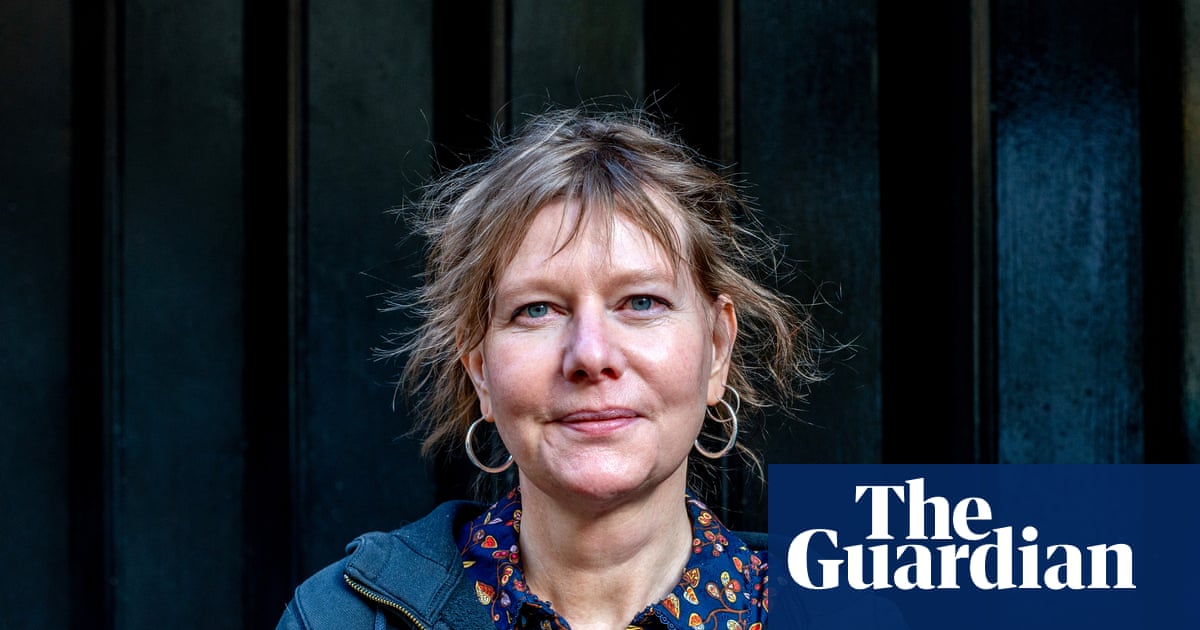
I’m thrilled to be joining Rebecca Morgan Frank as co-poetry columnist—I’ll be here every other month with seven new poetry collections.
“In a Dark Time” by Theodore Roethke is perhaps my favorite poem; a great teacher gave it to me decades ago to cast some light into a shadowy teenage year, and I’ve returned to it ever since when I need to be reminded of how to survive and why, and of how language really can transform experience so that we can live through and in it. “In a dark time,’ writes Roethke, “the eye begins to see.”
Times are indeed dark, and thankfully our poets are seeing.
When I read a lot of new poetry, I remember why it is that poetry is so necessary, especially in times of unrest: it opens another dimension of conversation, of inner life made public, which is to say poetry lets us share some of that inner and outer unrest, to bear it together, in a kind of virtual community that stretches across time and space.
In Let the Forest Go (University of Kentucky), Justin Wymer posits “vulnerability as a valid way of communicating, despite the totalizing autocracy threatening to erase marginalized people.” I’d say it’s our best hope against the swirling cruelty, injustice, and hatred. Vulnerability, expressed one voice at a time, is the surest way to fight the din.