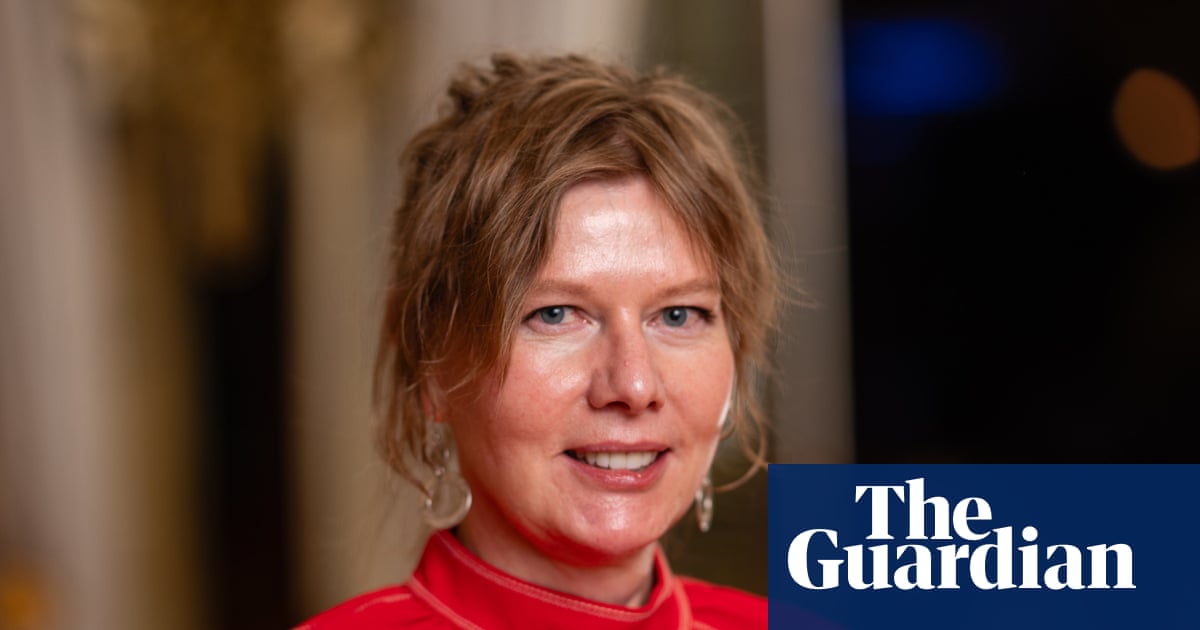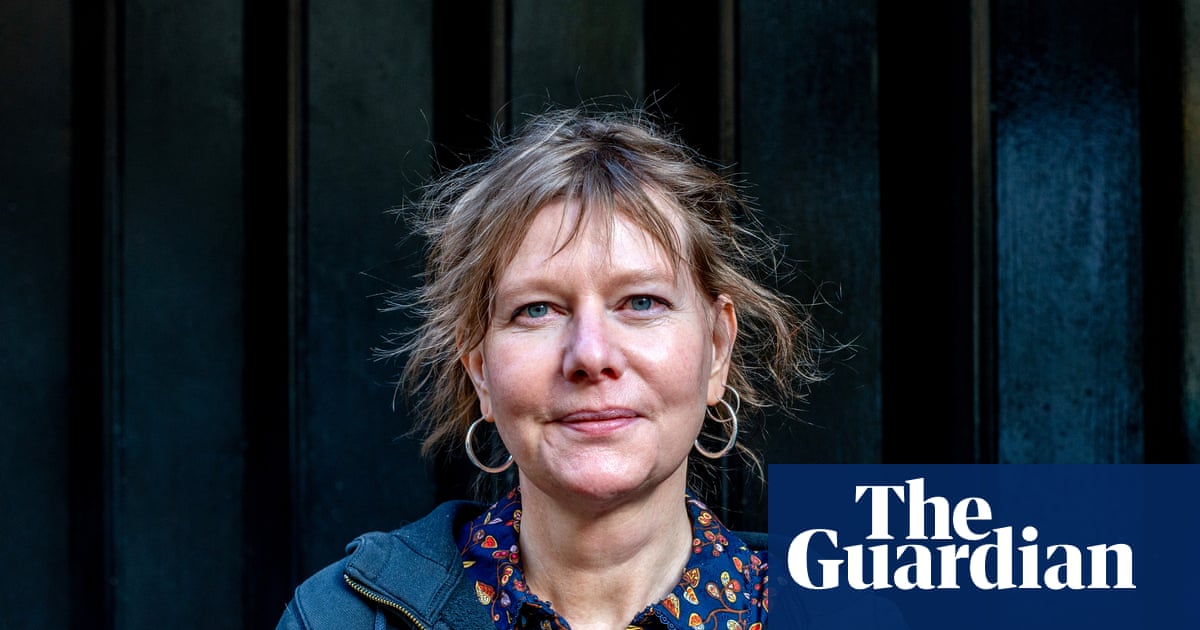
The Canadian poet, whose winning collection explores environmental and personal loss, discusses making art in existential times
E
arly on in her latest collection, the Canadian poet Karen Solie apologises: “I’m sorry, I can’t make this beautiful.” The line appears in a poem, Red Spring, about agribusiness and its sinister human impact: the world’s most widely used herbicide, glyphosate, is “advertised as non-persistent; but tell that to Dewayne Johnson // and his non-Hodgkin lymphoma”. In 2018, a jury ruled that Monsanto’s glyphosate weedkiller, Roundup, caused the former groundskeeper’s cancer.
Solie’s admission – that real horror can’t be prettified – recalls Noor Hindi’s viral 2020 poem, Fuck Your Lecture on Craft, My People Are Dying. We can’t “treat poetry like it’s some kind of separate thing” to what’s going on around us, says Solie, speaking to me in Soho, London, the morning after finding out she has won the TS Eliot prize for her collection Wellwater. “We all have to keep our eyes open”, but “that doesn’t mean we can’t say we’re scared, because it’s scary”.
The poet, 59, grew up in Saskatchewan, Canada, and is now based between Toronto and St Andrews, Scotland, where she teaches half-time at the university. She began writing poetry in her early 30s, publishing her first collection in 2001. Wellwater is her sixth collection, and was also the joint winner of the Forward prize last October.