This first appeared in Lit Hub’s Literary History newsletter—sign up here.Article continues after advertisement
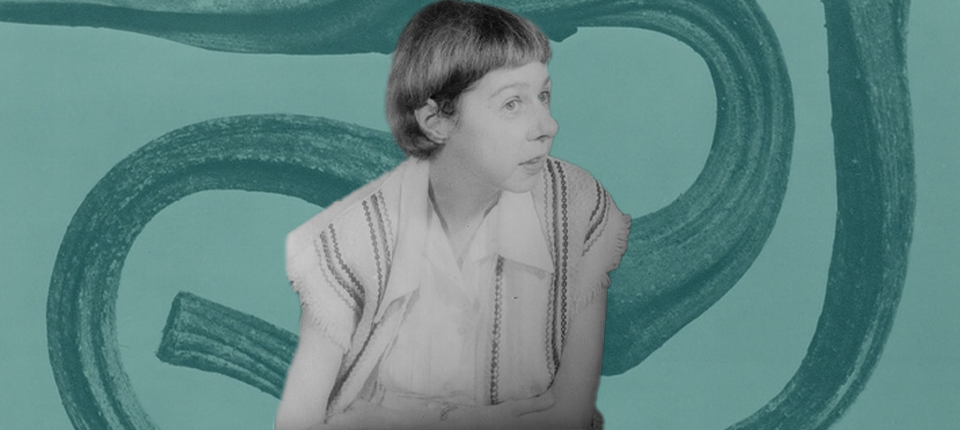
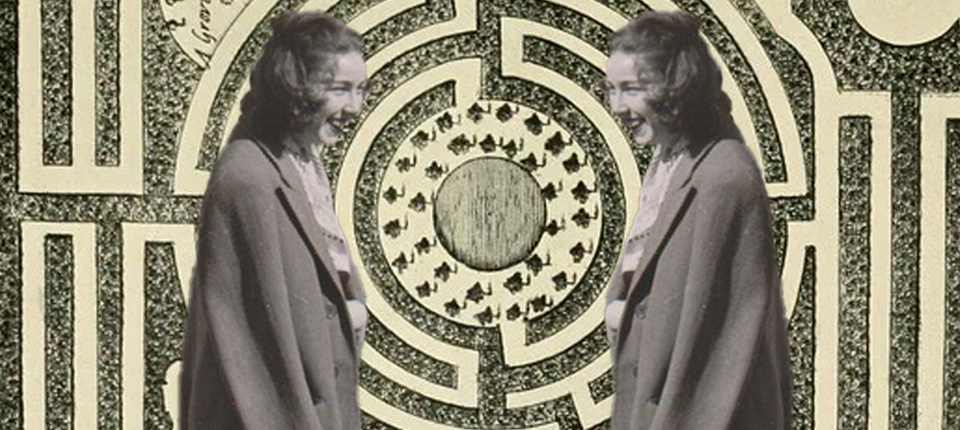
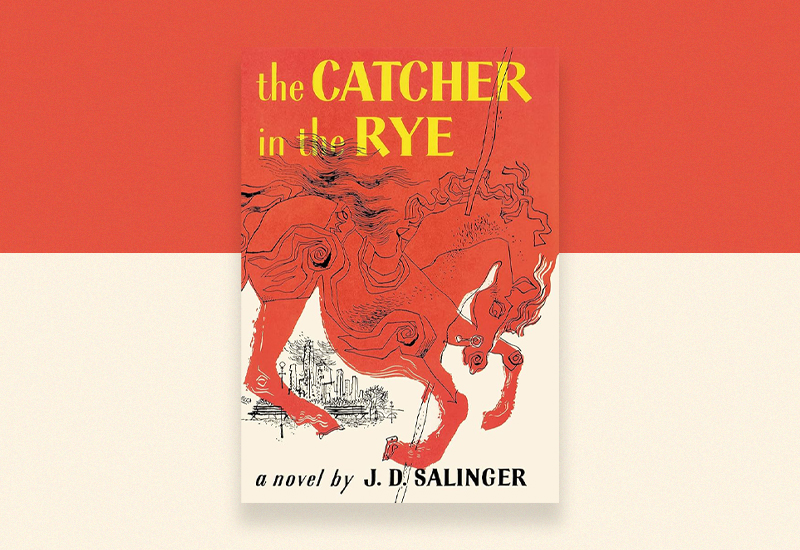
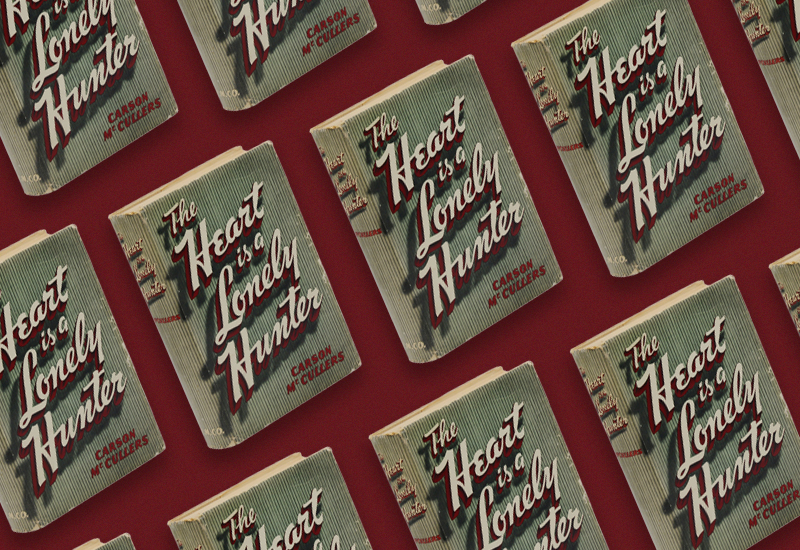
On June 4, 1940, the day her debut novel The Heart is a Lonely Hunter was published, 23-year-old Carson McCullers was alone in New York City. She’d come with her husband to promote the book, but he was off sailing with a friend.
“She knew almost no one in New York except the kindly older woman acquaintance who had found her the room,” wrote Mary V. Dearborn.
She was nearly penniless, but she had to scrape together enough money to buy something to wear to a meeting with her editor the next week. June 4 was a pause. On one side were Carson’s years growing up in provincial Columbus, Georgia, and the succession of Southern towns to which her husband’s job had called them. On the other side, she assumed, would be the exciting life of an author, living glamorously in New York City, meeting the writers, artists, and musicians who had peopled her fantasies.
The Heart is a Lonely Hunter was hotly anticipated, despite—or because of—its strangeness. “It did not fit any of the accepted and expected categories of mainstream fiction,” Dearborn explains. “It was neither a love story nor a bildungsroman, it did not have characters whom readers could recognize as like themselves, it did not have a happy ending, and it did not have a single strong narrative line.” It was a book about misfits, written by a misfit. But, importantly, McCullers was a young misfit, and publishing has always loved nothing better than a wunderkind.