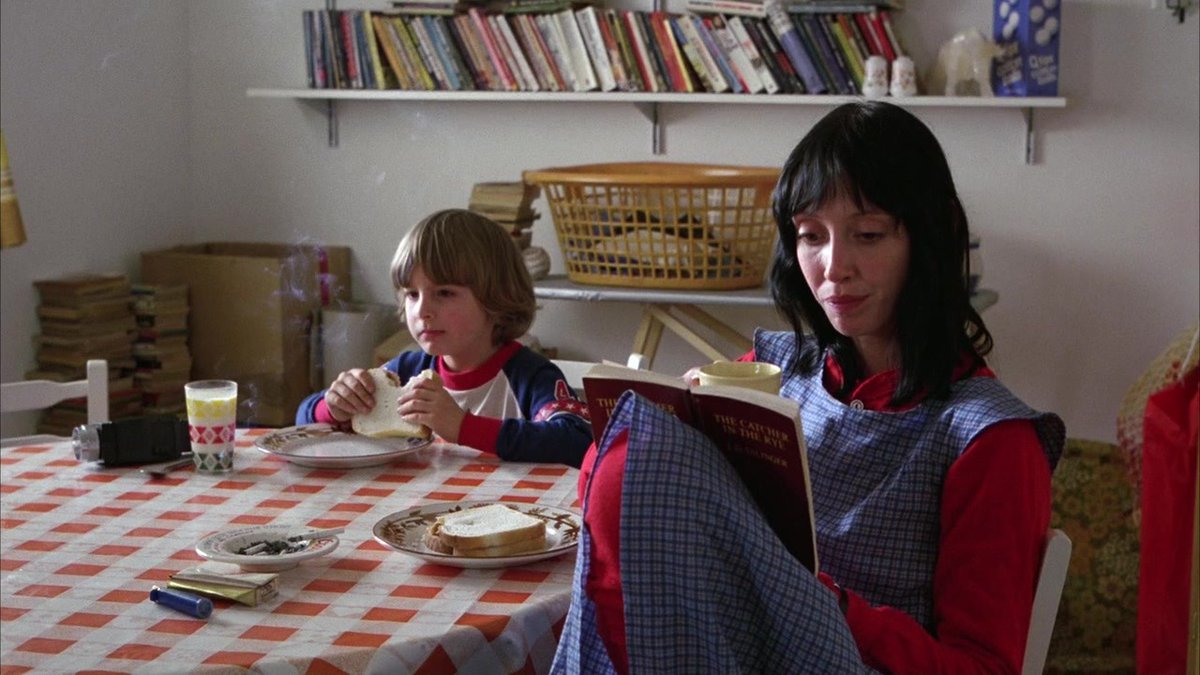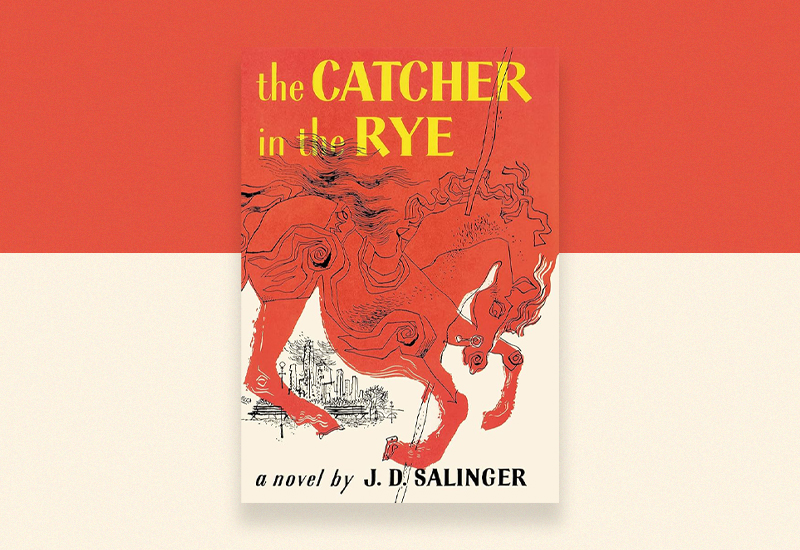
“I like it when somebody gets excited about something. It's nice.”
This first appeared in Lit Hub’s Literary History newsletter—sign up here.Article continues after advertisement
In the spring of 1939, one J.D. Salinger—Jerry—took Whit Burnett’s creative writing class at Columbia. That semester, he handed in a grand total of nothing, but signed up for the class again in the fall anyway. This time—after a letter of apology biographer Thomas Beller describes as “the Big Bang of Salinger’s career”—he did a little better, producing three stories, one of which, “The Young Folks,” Burnett liked enough to publish in the next issue of Story, the influential literary magazine he edited. Then, in 1941, Salinger sold another story, “Slight Rebellion Off Madison,” to The New Yorker; it featured one Holden Morrisey Caulfield, on Christmas vacation from Pencey Prep. But this story wouldn’t be published until 1946, after the war.
Salinger was drafted in 1942, and famously wrote his way through the trenches. Upon his return, Burnett promised to publish his first book, a short story collection, but it fell through, and their relationship fell apart too. Instead, Salinger kept submitting his short stories to The New Yorker (they wouldn’t take anything else until “A Perfect Day for Bananafish,” which was published in 1948), and kept working on his Holden Caulfield novel.