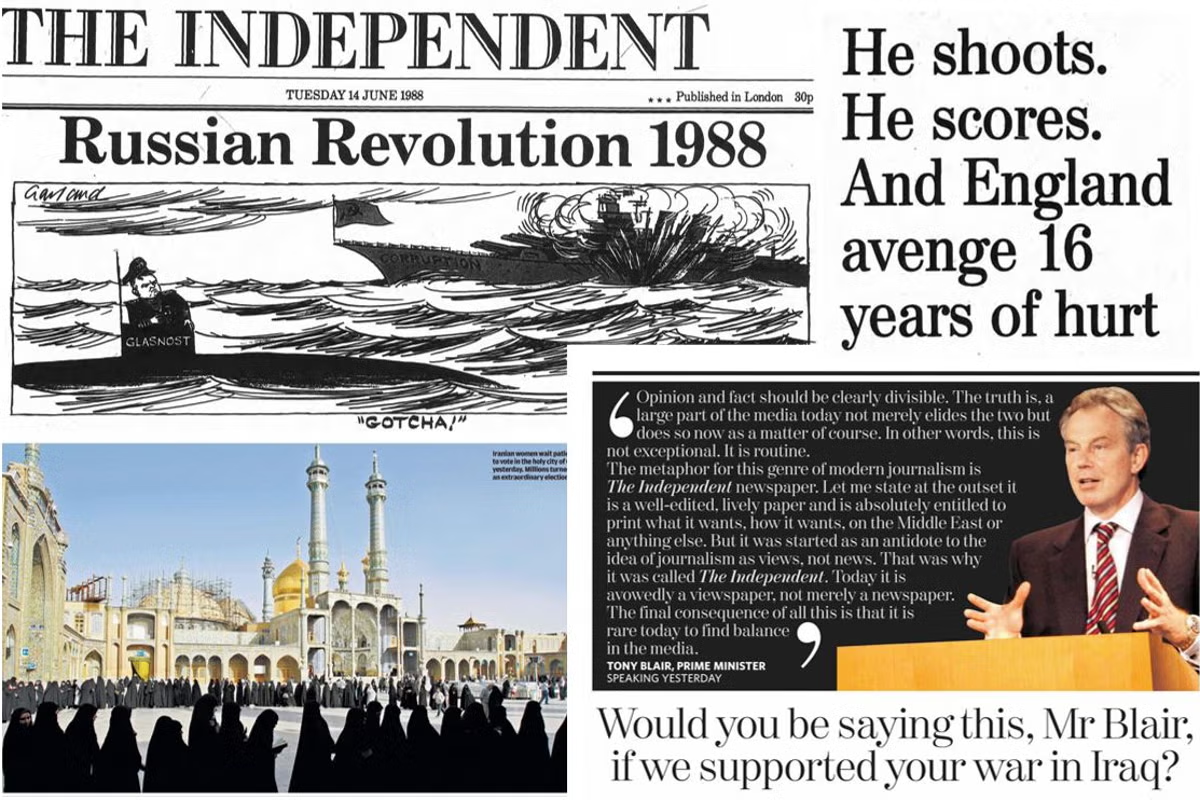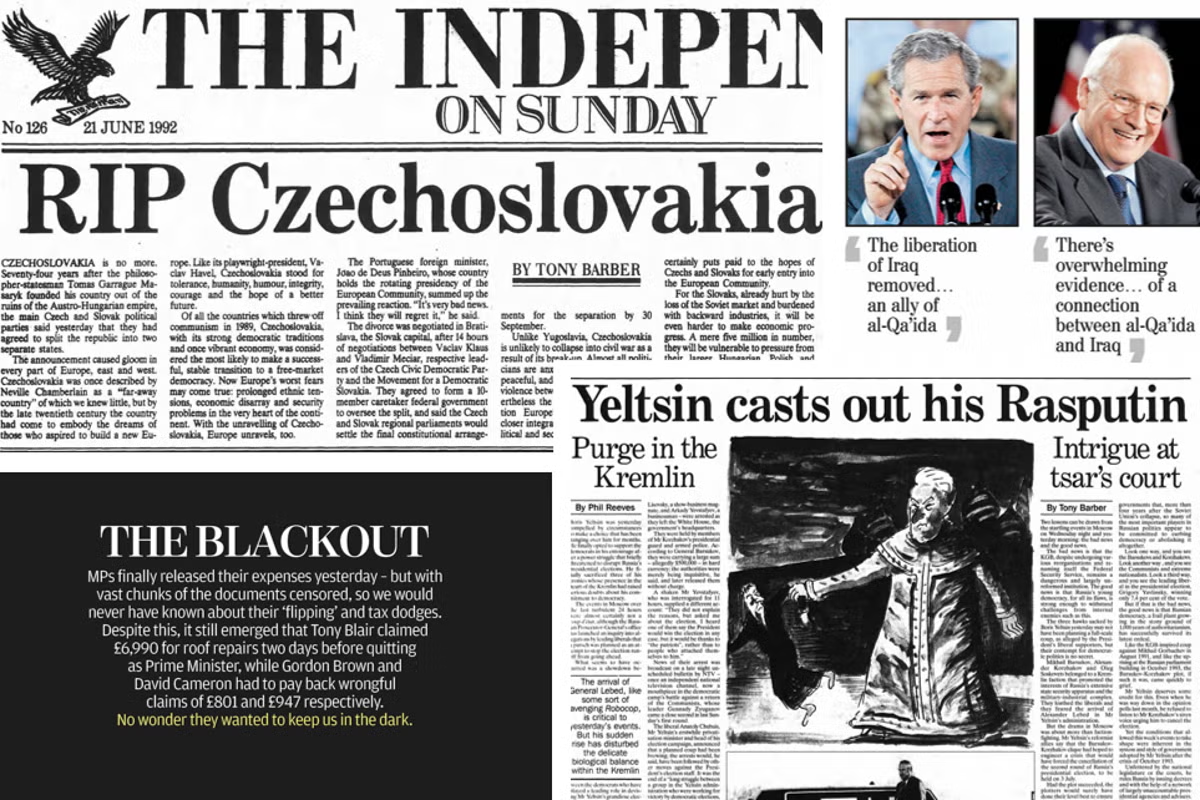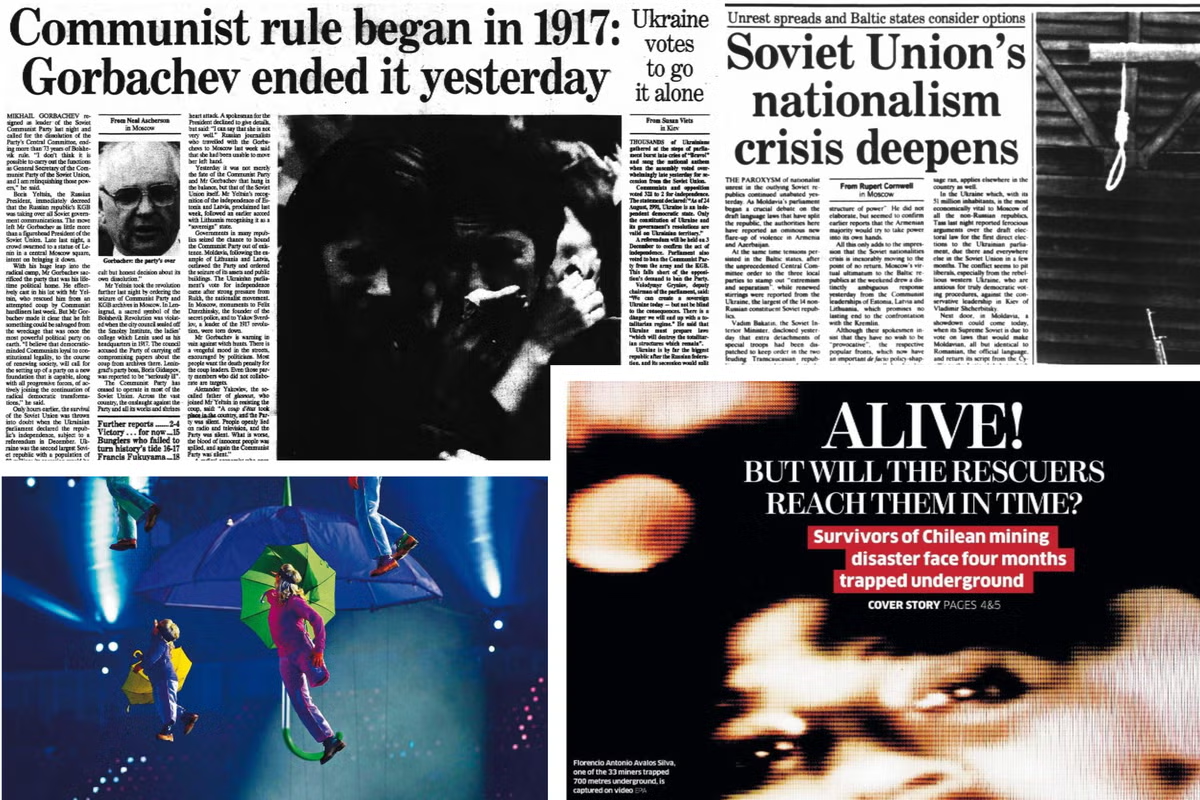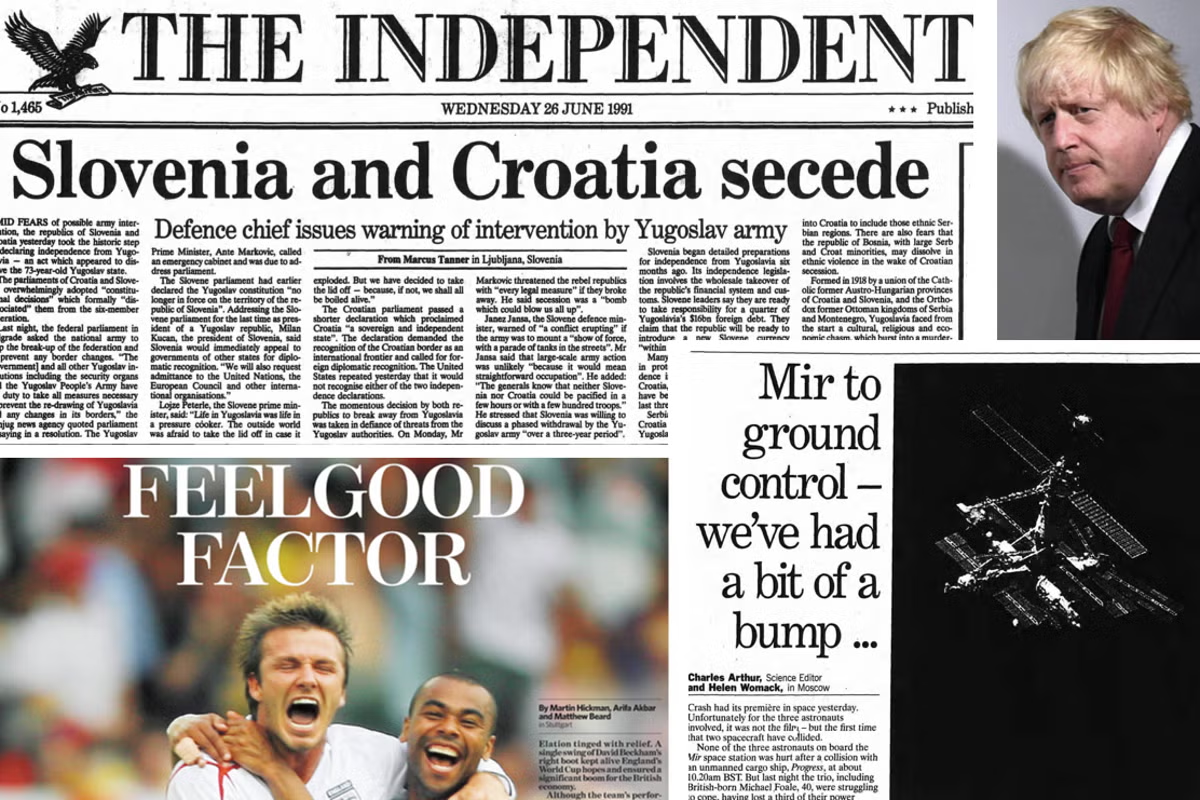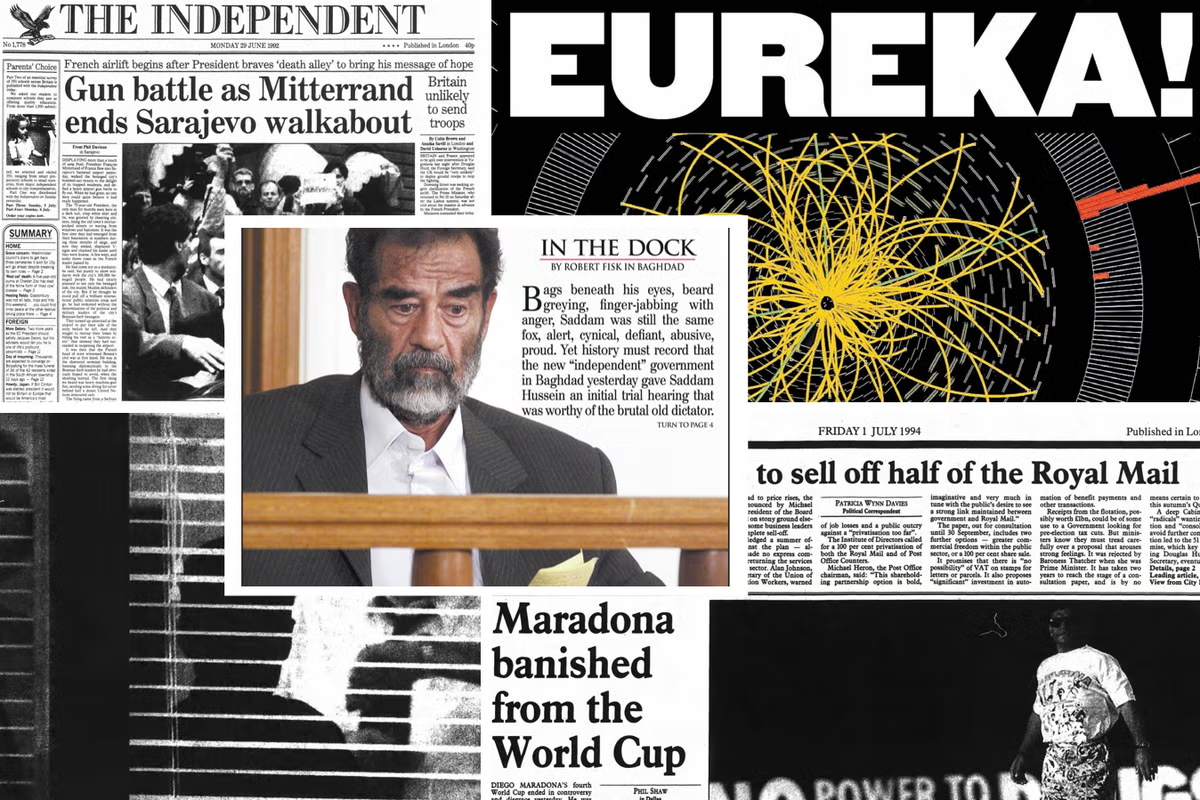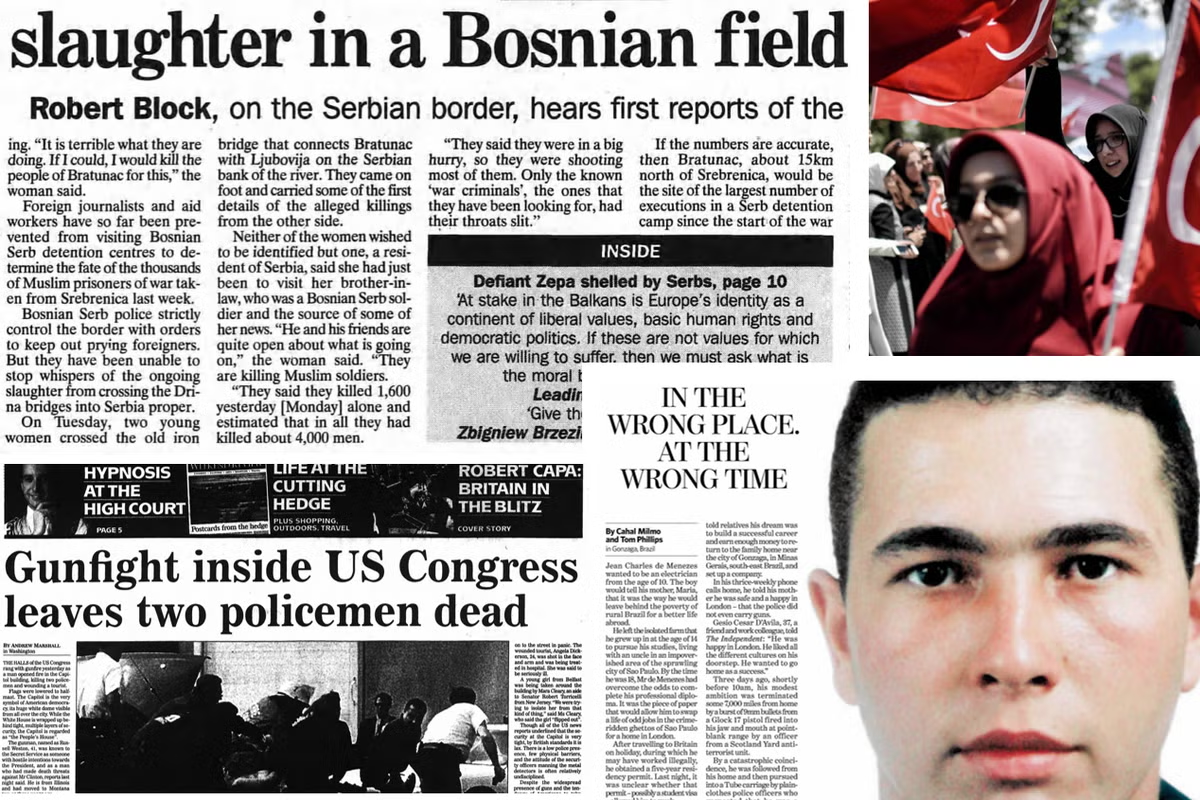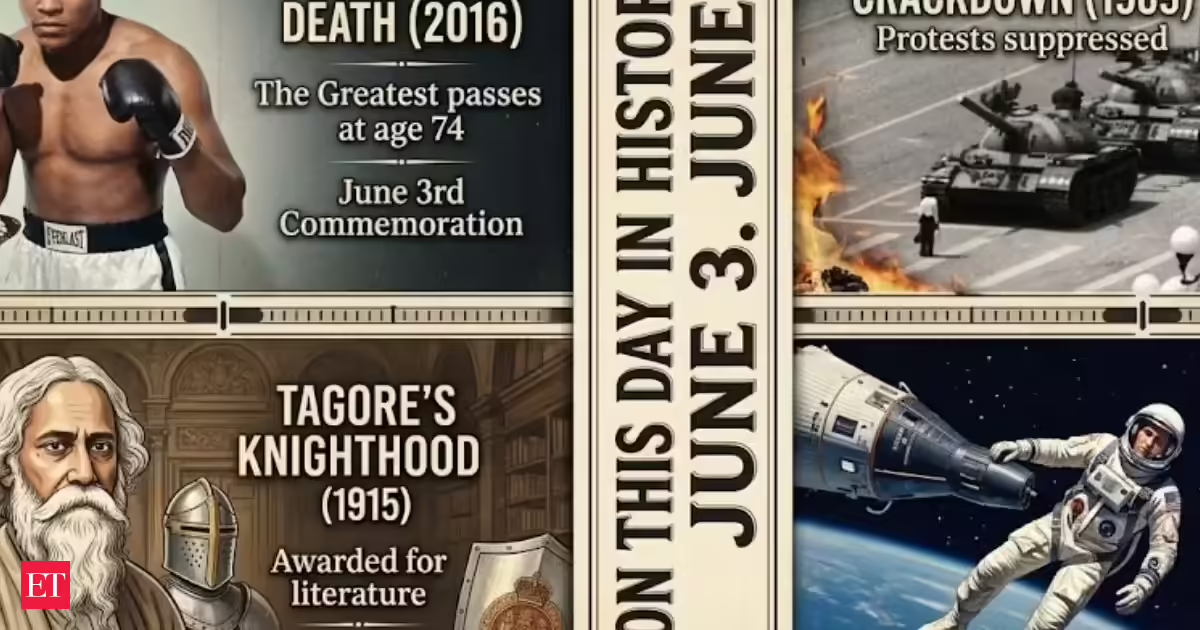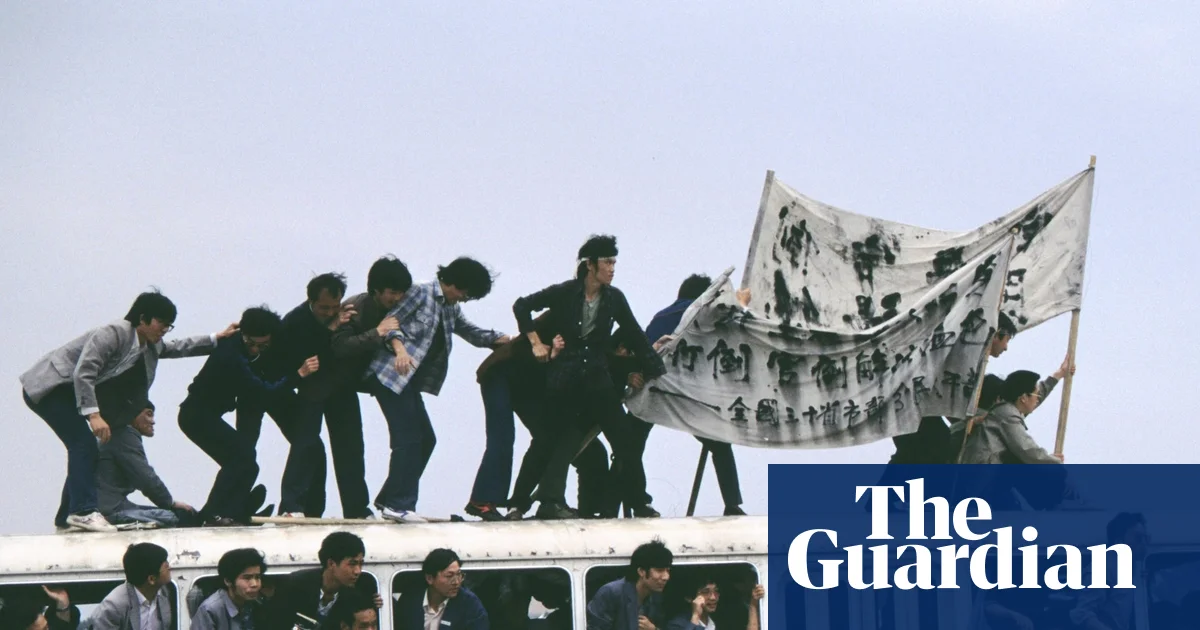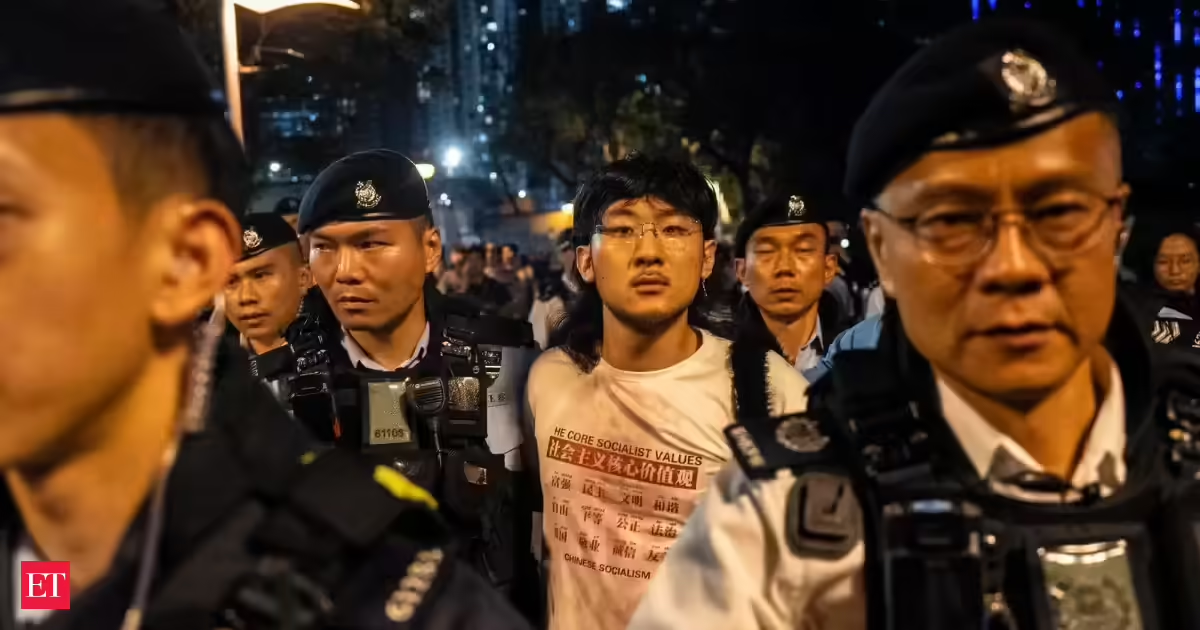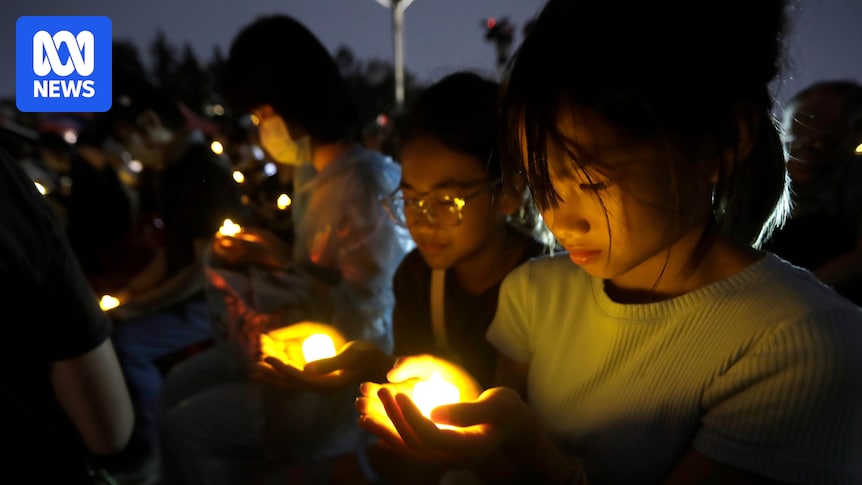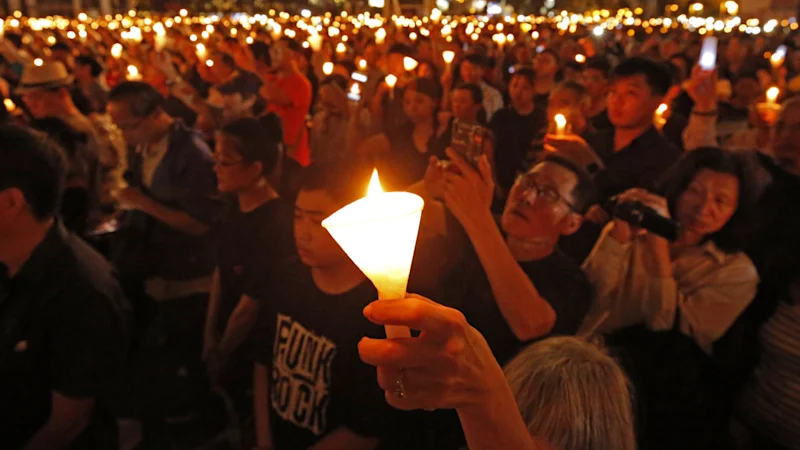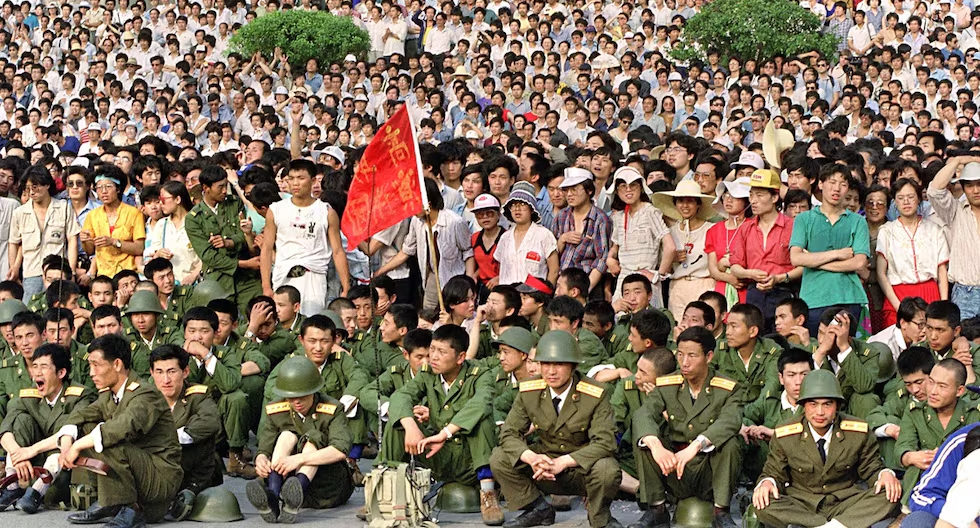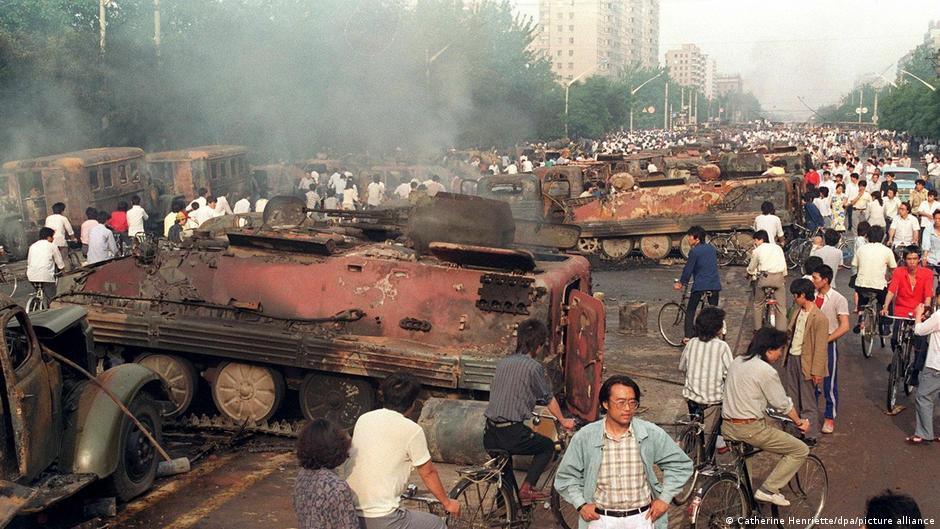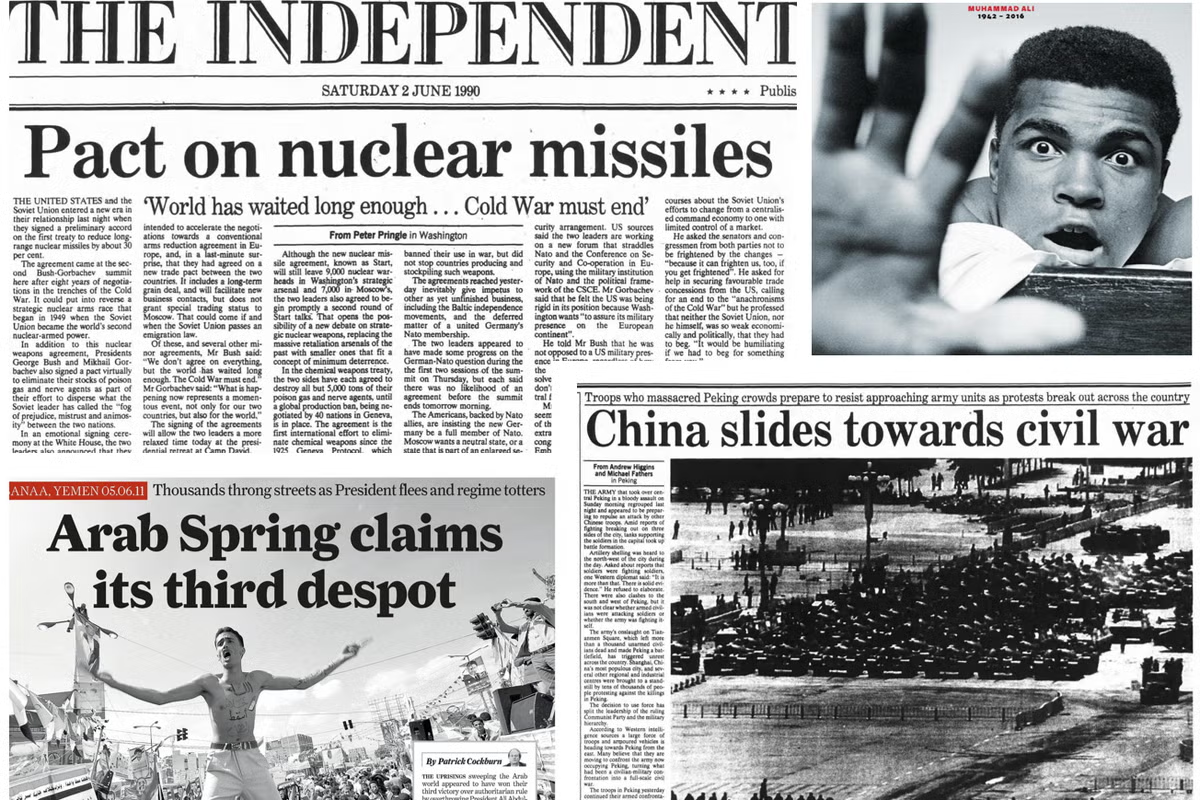
The Cold War enters its final, thawing phase, as landmark US-Soviet diplomacy neutralises the threat of nuclear conflict. Brutal crackdowns and uprisings violently reshape the map; from the bloodshed of Tiananmen Square and NATO's intervention in Kosovo to the volatile Arab Spring in Yemen. Alongside these massive geopolitical shifts, intense media scrutiny dissects the flawed justifications for the Iraq War, and the world marks the passing of boxing and civil rights icon Muhammad Ali. All is charted in this week’s archive snapshot of The Independent. 1 June 1988 – Reagan hails ‘Moscow spring’Delivering an “enthusiastic” public endorsement of Mikhail Gorbachev's perestroika, US President Ronald Reagan tells students at Moscow State University that they are living in a hopeful "Moscow spring." Although behind-the-scenes summit negotiations fail to yield immediate breakthroughs, this striking display of diplomatic optimism signals that the Cold War is decisively entering its final, thawing phase.(The Independent)6 June 1989 – Tiananmen Square massacre throws China into chaosFollowing a “bloody” military assault on Tiananmen Square that leaves thousands dead, the nation braces for civil war as rival troops face off in the capital. While outright military conflict is ultimately averted, the bloodshed sparks widespread national protests and a severe, decades-long government crackdown on political dissent.(The Independent)2 June 1990 – US and Soviet Union sign landmark nuclear arms pactAfter eight years of intense Cold War negotiations, US President George H.W. Bush and Soviet leader Mikhail Gorbachev sign a preliminary accord to slash their long-range nuclear arsenals by 30 per cent. This breakthrough agreement paves the way for the historic START I treaty the following year, drastically reducing the global threat of nuclear warfare as the Soviet era draws to a close.(The Independent)3 June 1992 – Global leaders gather in Rio for historic Earth SummitAs the United Nations Earth Summit formally opens in Rio de Janeiro, The Independent highlights the escalating threats of pollution, overpopulation, and resource depletion challenging world leaders at the dawn of the 21st century. The unprecedented conference ultimately lays the groundwork for modern climate action, establishing international treaties on biodiversity and greenhouse gas emissions.(The Independent)4 June 1999 – Milosevic surrenders to NATO demands over KosovoAfter weeks of relentless NATO airstrikes, Yugoslav President Slobodan Milosevic and the Serbian parliament concede to international pressure, accepting a G8 peace plan that effectively ends their control over the region. The capitulation concludes a brutal 78-day war, forcing a Serbian withdrawal and paving the way for Kosovo's eventual independence.(The Independent)1 June 2004 – The Independent dissects Iraq War justificationsWhile US President George W. Bush defends the ongoing conflict during a Memorial Day address, The Independent publishes a scathing A-to-Z breakdown of the "misrepresentation, manipulation, and mistakes" used to justify the invasion of Iraq. (The Independent)6 June 2011 – Yemeni president flees following palace explosionFollowing an explosion at his presidential palace, Yemeni President Ali Abdullah Saleh flees to Saudi Arabia for medical treatment, sparking massive street celebrations as his 33-year authoritarian regime seemingly collapses. However, the embattled leader unexpectedly returns months later and clings to power until early 2012, setting the stage for a bitter political struggle and protracted civil war.(The Independent)5 June 2016 – Muhammad Ali dies at 74Following the death of heavyweight boxing champion and civil rights activist Muhammad Ali at the age of 74, The Independent dedicates its front page to his memory. Anchored by his famous quote, "Impossible is just a big word thrown around by small men," the coverage outlines his achievements both inside and outside the ring.(The Independent)
This Week in History: From Tiananmen Square to the loss of a boxing icon
Explore how major events between 1 and 7 June were captured on The Independent’s front pages
580 words~3 min read