There are many questions that plague the British public: why is everything protein-ified now? Why can’t men keep their shirts on when it goes above 16 degrees? And of course, why doesn’t chocolate taste good anymore?
Many of these complaints centre on the fact that the price of cacao beans has spiralled. The cost of milk and sugar has risen for wholesalers too, while costs of energy, transport and processing have all been negatively affected. As a result, the quality and the quantity of available cocoa has dropped and manufacturers are finding ways to keep producing while cutting costs.
There is shrinkflation, which in Germany, actually led to consumers challenging and winning when Milka changed the weight of their bars, but not the packaging. But the substance of bars is changing too: we are in an era of reduced cocoa solids, added emulsifiers like palm oil to substitute for the milk, and flavours to mask the lack of actual cocoa. At the extreme end, products like Penguin and Blue Ribands now have to call themselves “chocolate-flavoured” as their percentage of cocoa solids falls below 20 per cent – the limit in the UK for milk chocolate.
Shorts
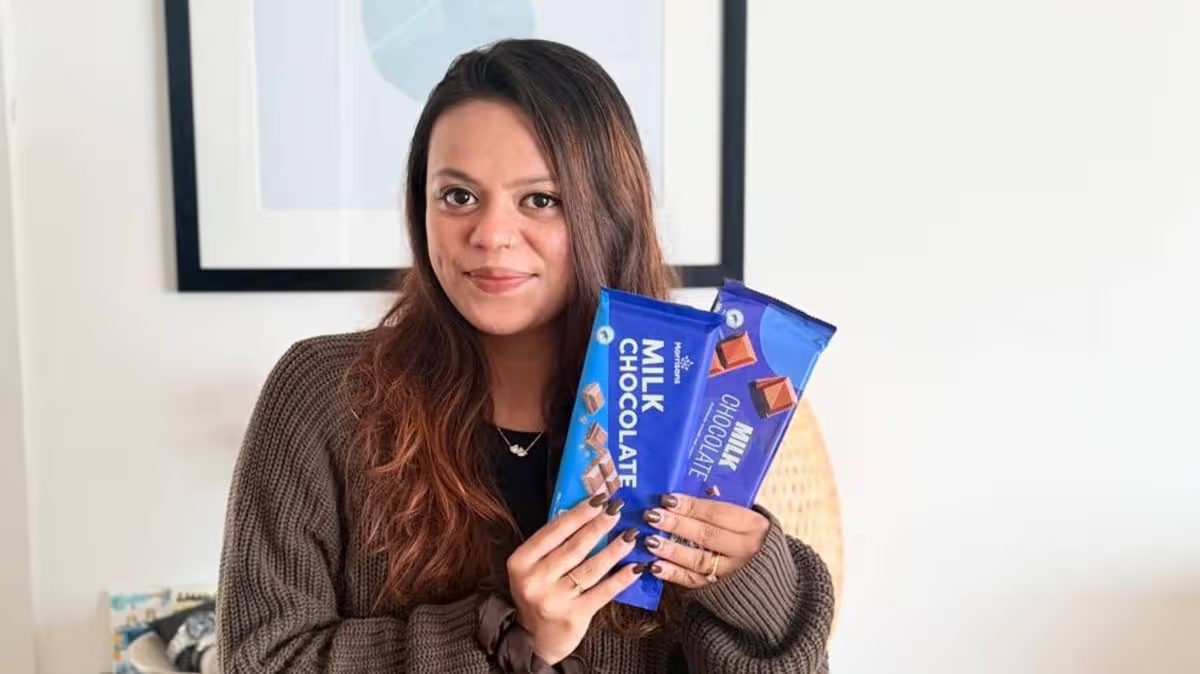
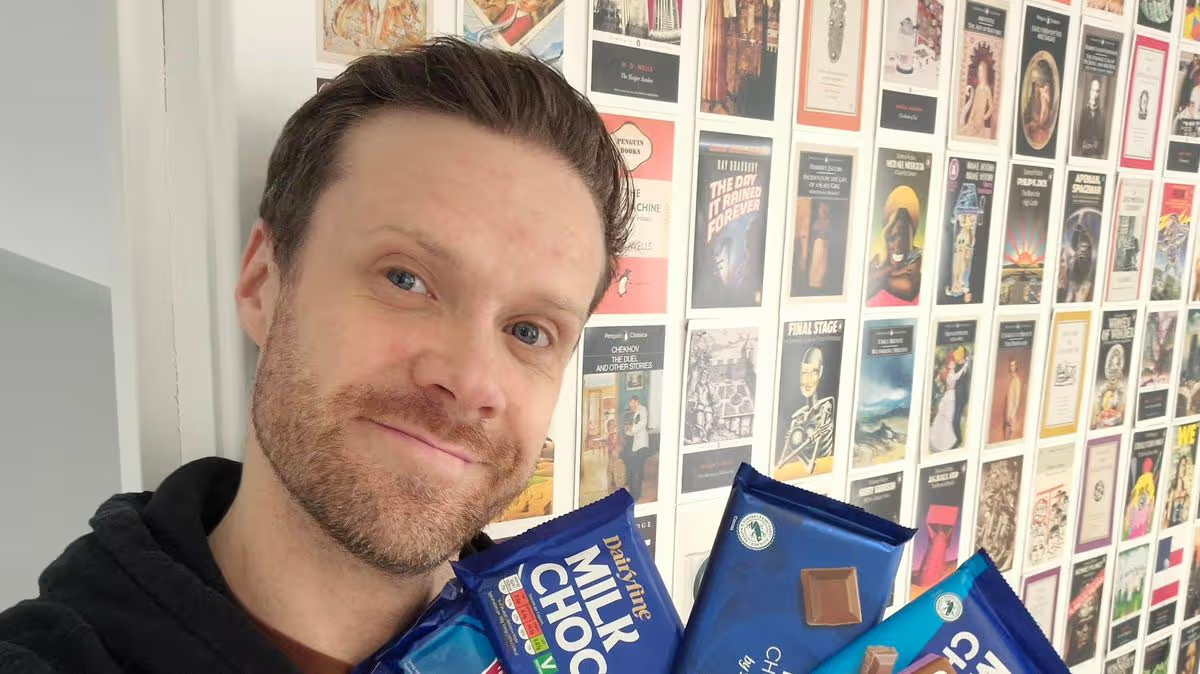
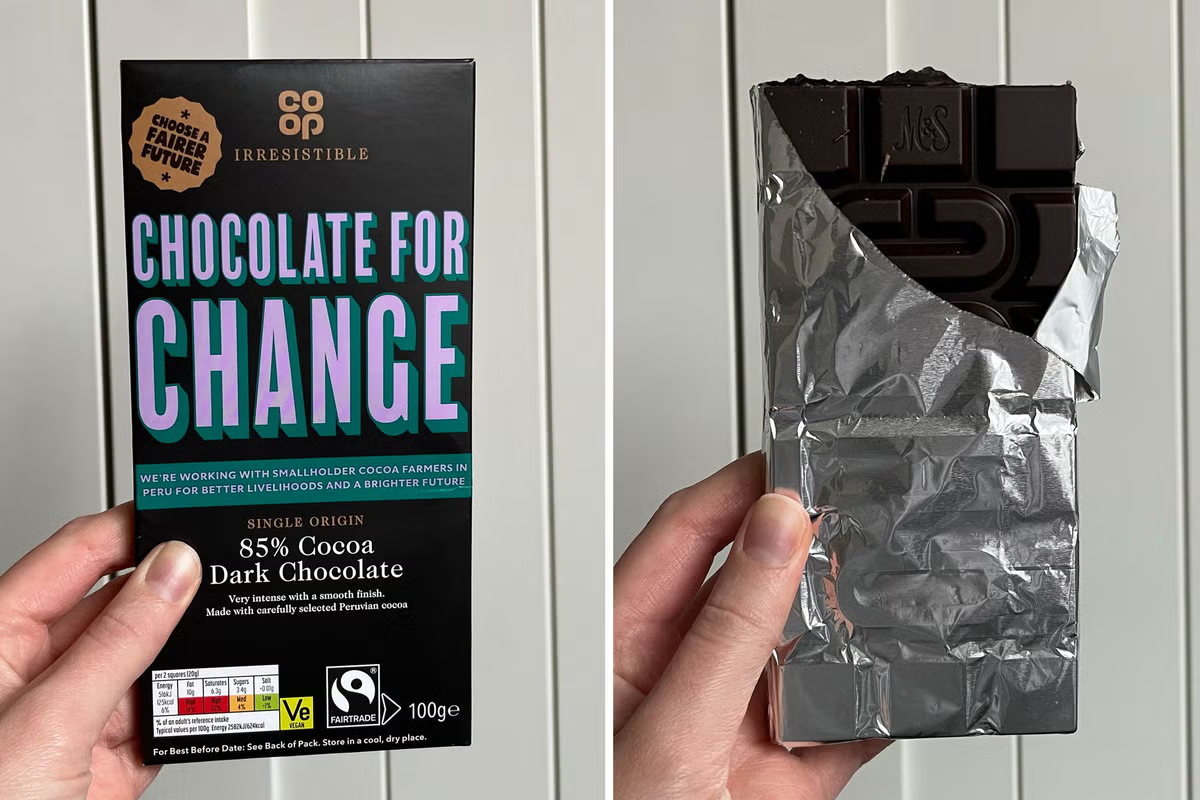
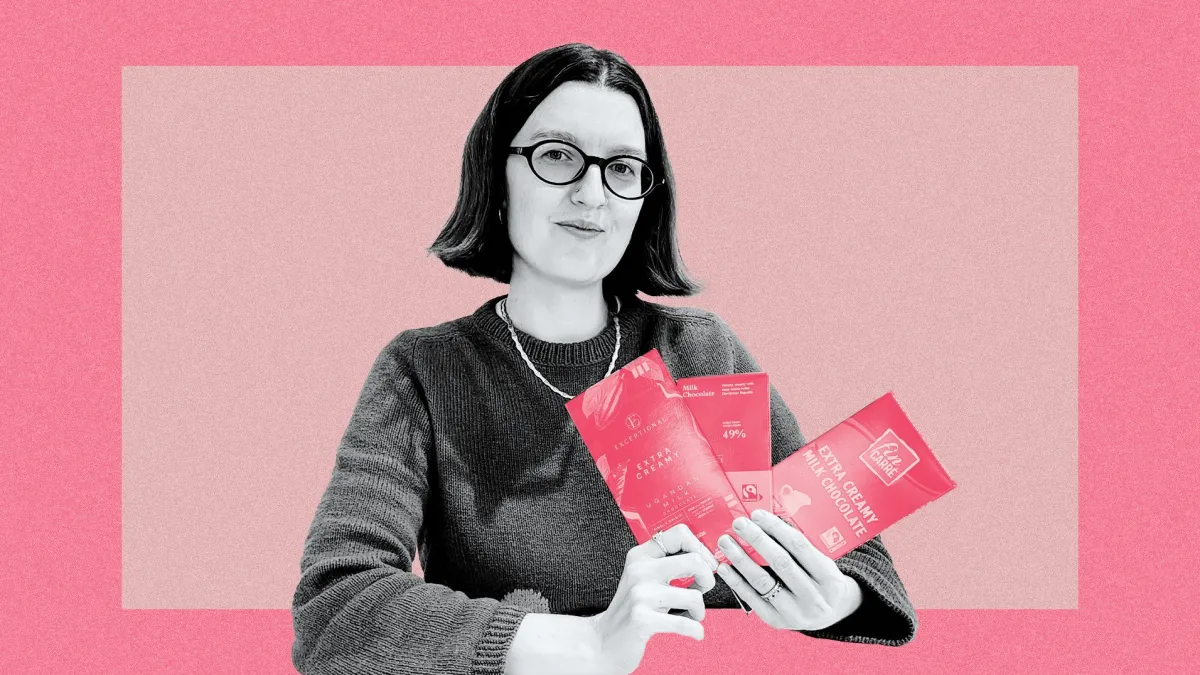
Which brings us to the project at hand. As a form of public service journalism, I sourced as many types of supermarket-branded milk chocolate to see which, if any, actually tastes like chocolate. Looking not just at cocoa solids but also sugar content, additives, texture, size and moreishness. You can hold your applause – just be sure to stock up on the good stuff as prices are set to rise (again).