in Books, Education | June 1st, 2026 Leave a Comment
If you grew up in the last few generations, chances are you didn’t get much of an education, if any, in Latin or ancient Greek. One long-made argument for phasing them out of curricula in English-speaking countries holds that room must be made for Spanish, Mandarin, and other languages actually used at scale in the modern world. Nowadays, when even those classes face the pressure of extinction, advocacy for classical languages exudes an ever stronger contrarian appeal. “Dead” though they may be, they also live on through not just the Romance languages, but also the mighty hegemon known as English. Indeed, it makes sense to ask whether an Anglophone without knowledge of Latin or Greek truly understands his own native tongue.
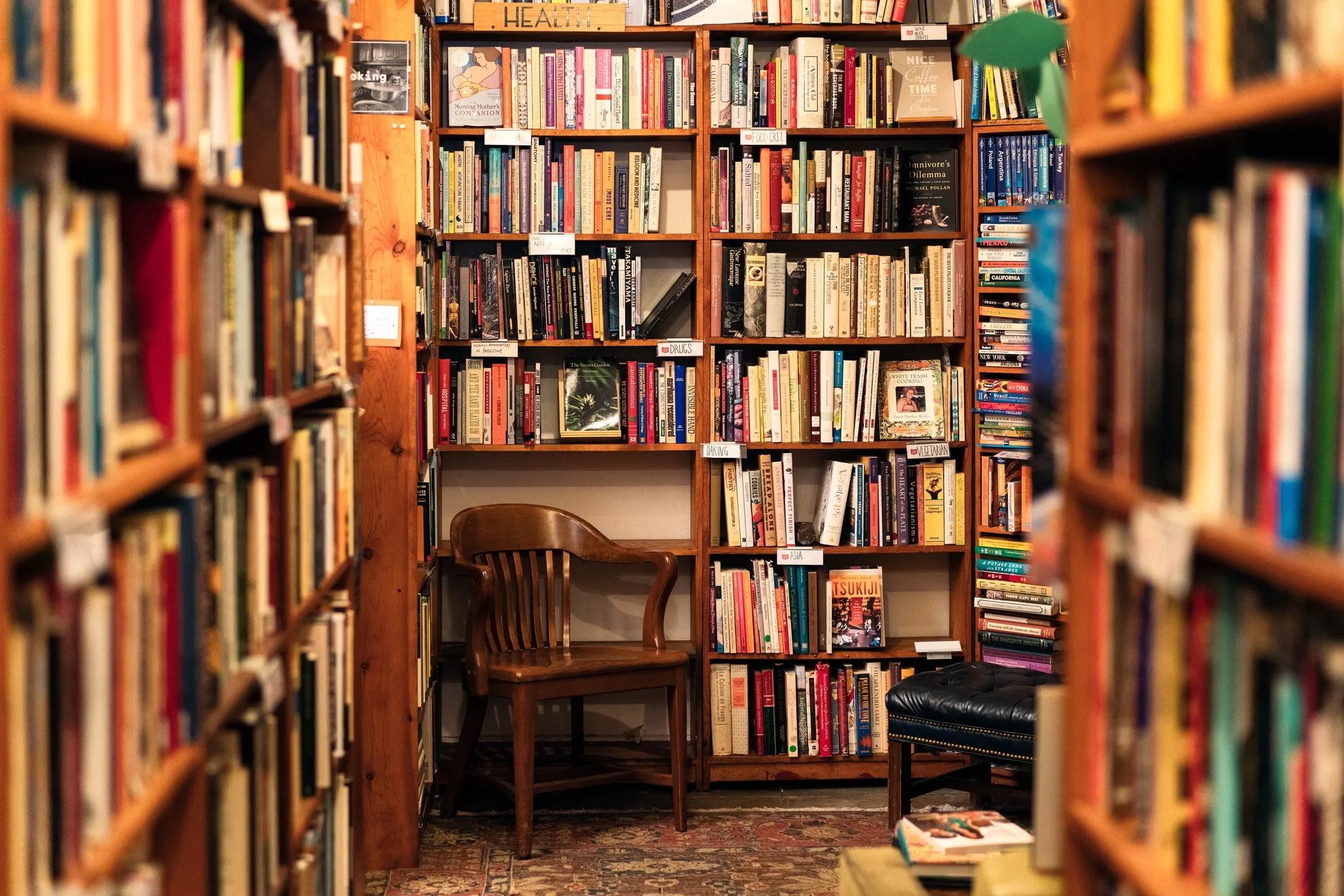
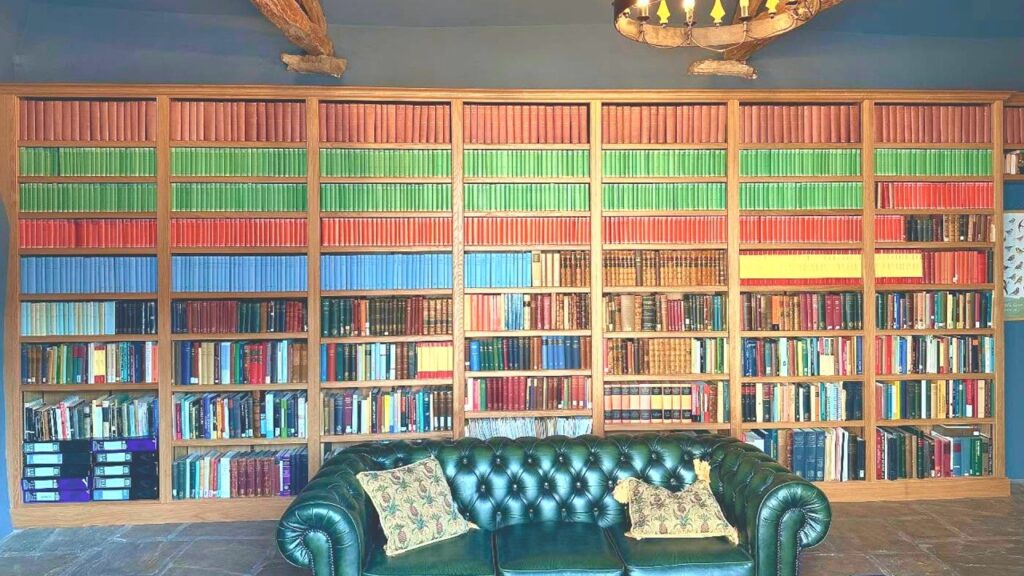
Nor, according to classicist David Butterfield, can one learn Latin without having any Greek. Getting a handle on both of those languages and their surviving body of texts isn’t just the work of a lifetime; it also fills a house, as evidenced by the two-and-a-half-hour video tour of Butterfield’s personal library above. (The subsequent two hours contain Butterfield’s introductions to a selection of particular volumes from his many shelves.) Youtuber Timothy Kenny has previously uploaded quite a few such videos on the collections of serious bibliophiles, but this one he describes as the largest ever attempted, including the complete Loeb Classical Library, I Tatti Renaissance Library, and Pauly-Wissowa encyclopedias.