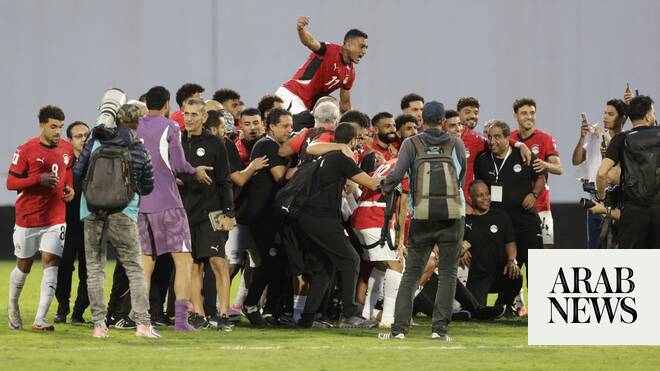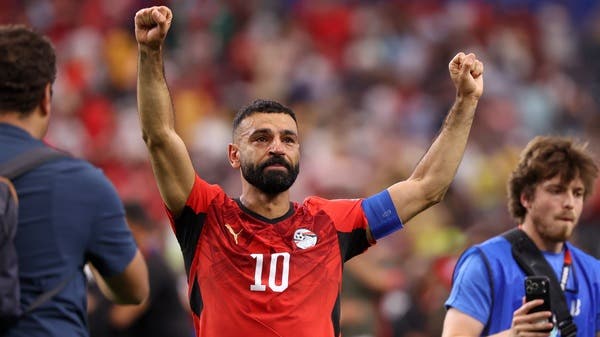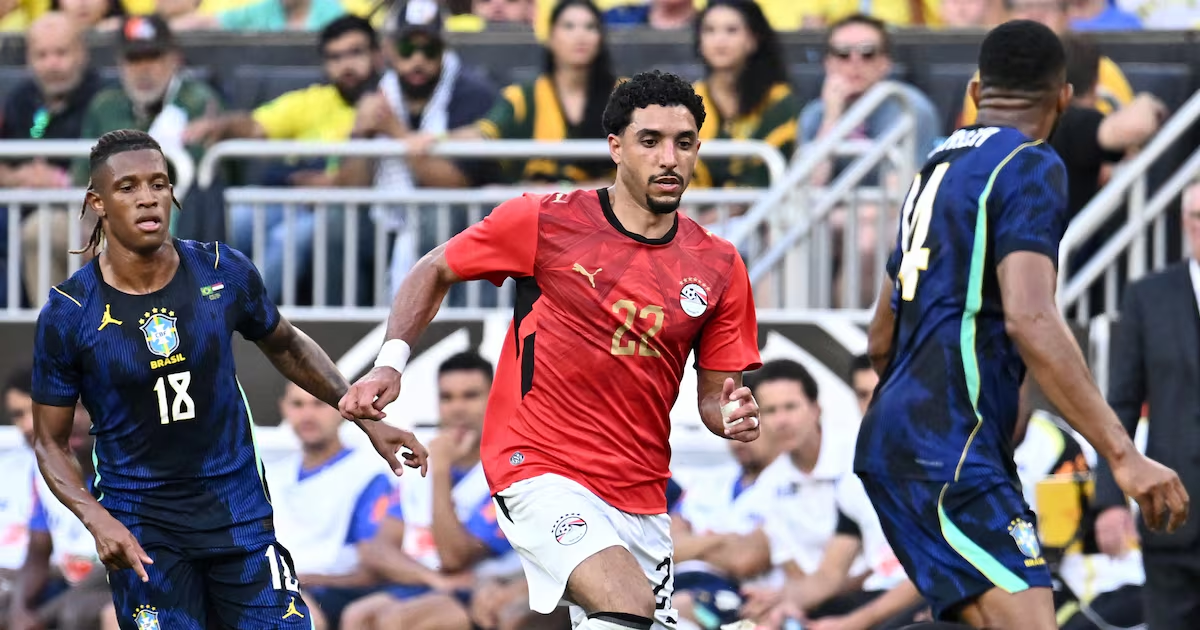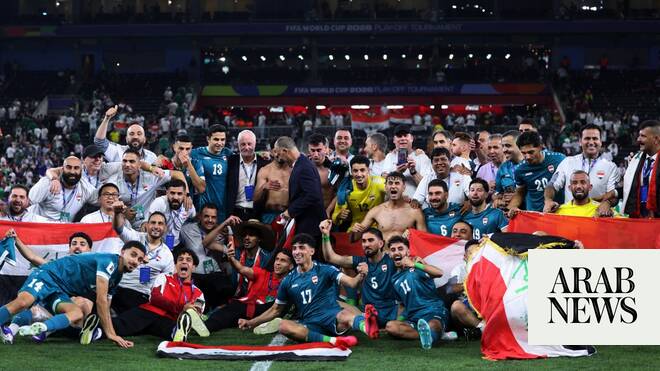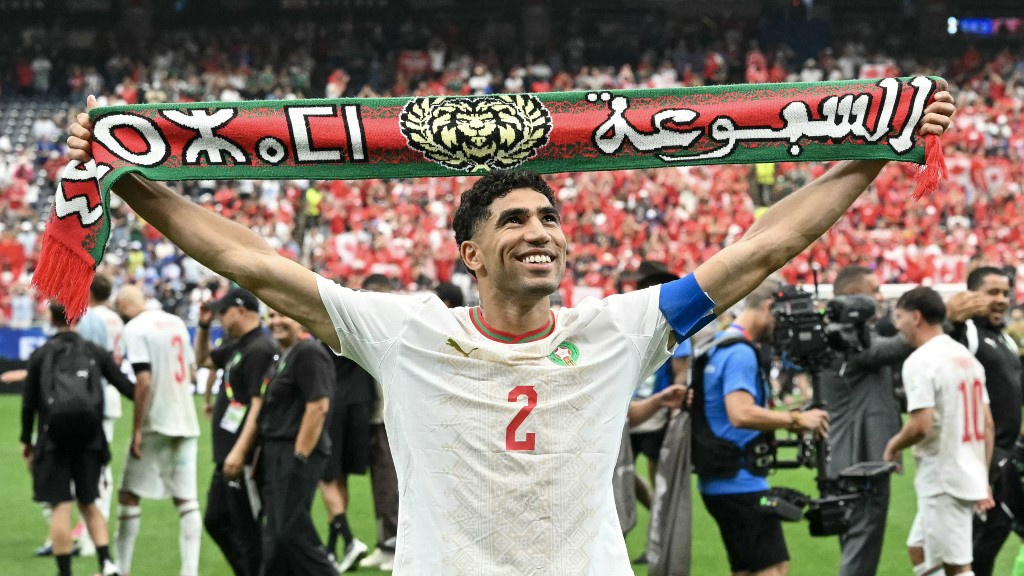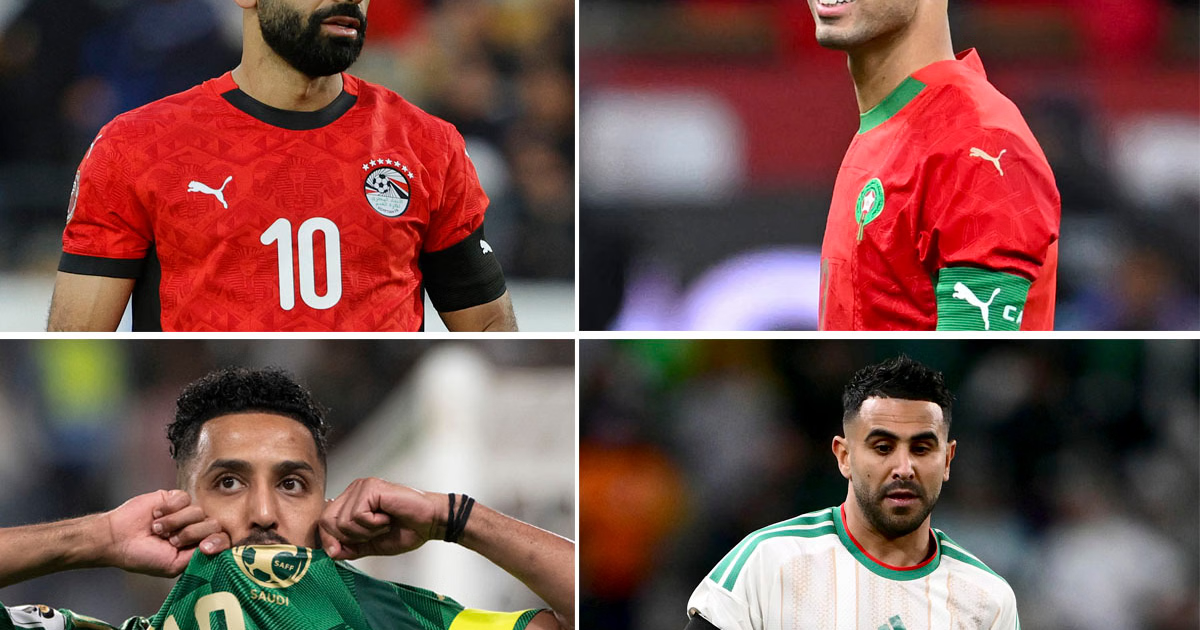
For the first time in history, eight Arab teams have qualified for the FIFA World Cup 2026Last updated: June 01, 2026 | 12:274 MIN READMohamed Salah, Achraf Hakimi, Riyad Mahrez and Salem Al Dawsari will represent Arab clubs this summerAFPDubai: Not long ago, qualifying for the FIFA World Cup was a rare and widely celebrated achievement for a single Arab nation across the region. Now, the landscape has shifted significantly, with eight Arab teams set to perform at the FIFA World Cup 2026.To understand the significance of this achievement, it is worth reflecting on recent World Cup history.In previous tournaments, Arab representation has generally been limited, both Russia 2018 and Qatar 2022 featured four Arab nations, a figure that was already regarded as a notable success at the time.At both Brazil 2014 and South Africa 2010, only one Arab nation represented the region on football’s biggest stage. In 2006 and 2002, that number rose slightly to just two teams per tournament, while France 1998 saw three Arab sides take part.Across most editions, representation from the Arab world has been limited to no more than one or two teams, making the 2026 World Cup stand out as a historic leap forward and further highlighting the steady rise in the standard of Arab football on the global stage.AlgeriaFollowing disappointing absences from both the 2018 and 2022 World Cups, the Fennecs come back with renewed drive and a strong desire to make amends on the international stage.Under coach Vladimir Petkovic, they are set to assemble a powerful squad including Riyad Mahrez, Amine Gouiri, Houssem Aouar and Mohamed Amoura, with ambitions of playing an exciting attacking style that could equal or even exceed their last-16 appearance at Brazil 2014.EgyptEgypt’s main and most immediate goal is to secure a first-ever World Cup win. Under the guidance of Hossam Hassan, the Pharaohs are determined to put their disappointing 2018 campaign behind them and produce a performance befitting Africa’s most successful national side.They will look heavily to global stars Mohamed Salah and Omar Marmoush to inspire a victory that has remained out of reach for almost 100 years.IraqAfter a 40-year absence from the global stage, the Lions of Mesopotamia return with a new sense of purpose, aiming to begin a fresh chapter in their history and secure a first-ever World Cup win. Iraq will look to the leadership of Australian coach Graham Arnold, alongside key figures such as Aymen Hussein, Ali Al-Hamadi, and Amir Al Ammari, to provide the quality and experience needed for a credible and competitive campaign.JordanThe Nashama are set to make their historic World Cup debut after enjoying their strongest period of form to date, highlighted by an impressive run to the final of the most recent AFC Asian Cup. Rather than simply making up the numbers, Jordan arrive with real ambition, with key players such as Mousa Al Tamari and Yazan Al Naimat, if he recovers from injury in time, hoping to spring surprises and emerge as a genuine dark horse under the leadership of Moroccan coach Jamal Sellami.MoroccoMorocco head into this edition with their sights set on scaling the heights once more to prove that their extraordinary run at the last World Cup was no fluke.Even with Walid Regragui having departed and Mohamed Ouahbi stepping in ahead of the tournament, expectations remain high among supporters that a gifted squad, headlined by Achraf Hakimi, Brahim Díaz, and Yassine Bounou, can deliver another memorable campaign on the North American stage.QatarAfter making their debut as hosts in 2022, the Maroons now return to the World Cup having earned their place on sporting merit.Fresh from consecutive Asian Cup triumphs, Qatar will be looking to move past the disappointment of their first tournament appearance and make a stronger impression this time around. Under the guidance of coach Julen Lopetegui, they will lean on key figures such as Akram Afif and Almoez Ali in their bid to produce a campaign worthy of pride and progression.Saudi ArabiaSaudi Arabia will be aiming to break new ground by reaching the knockout stages after a string of early tournament exits in recent years.This experienced squad features a more developed generation of players, strengthened by the rapid growth of the domestic league and increased exposure to world-class talent. Led by captain Salem Al Dawsari, they will hope to channel the spirit of their memorable 1994 campaign and make a deeper impact on the global stage.TunisiaMaking it beyond the group stage remains the long-awaited target for Tunisian football. The Eagles of Carthage head into this tournament as a well-organised unit under Sabri Lamouchi, who assumed control after the most recent Africa Cup of Nations in Morocco.They will look to key performers such as Seifeddine Jaziri, Naim Sliti, and Mohamed Ben Ali as they aim to finally end their recurring struggle of exiting in the first round and deliver a more meaningful run this time around.Rob is an experienced sports reporter with a focus on digital publishing. He holds both an undergraduate and master’s degree in sports journalism and has hands-on experience in presenting and commentary. Rob has previously worked in the communications teams at Premier League clubs Everton and Brentford FC. While football is his main passion, he enjoys all sports and loves sharing his enthusiasm with anyone he meets.Related Topics:Get Updates on Topics You ChooseUp Next
Record eight Arab nations set for 2026 World Cup
Eight Arab nations make history at the 2026 FIFA World Cup, highlighting a new era for Arab football with rising stars, big ambitions and record regional representation.
883 words~4 min read