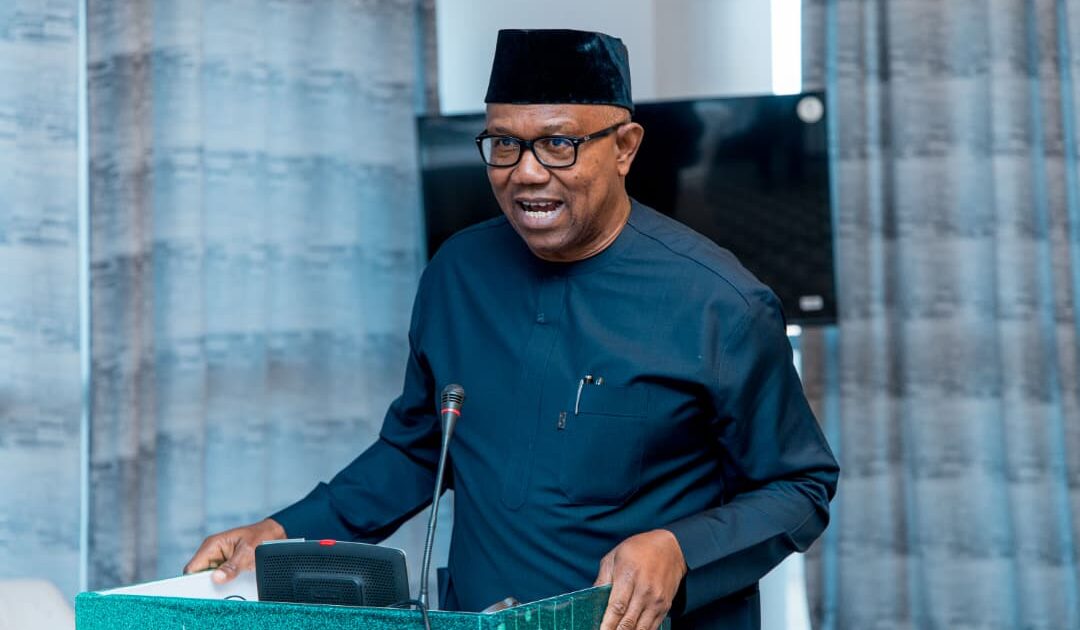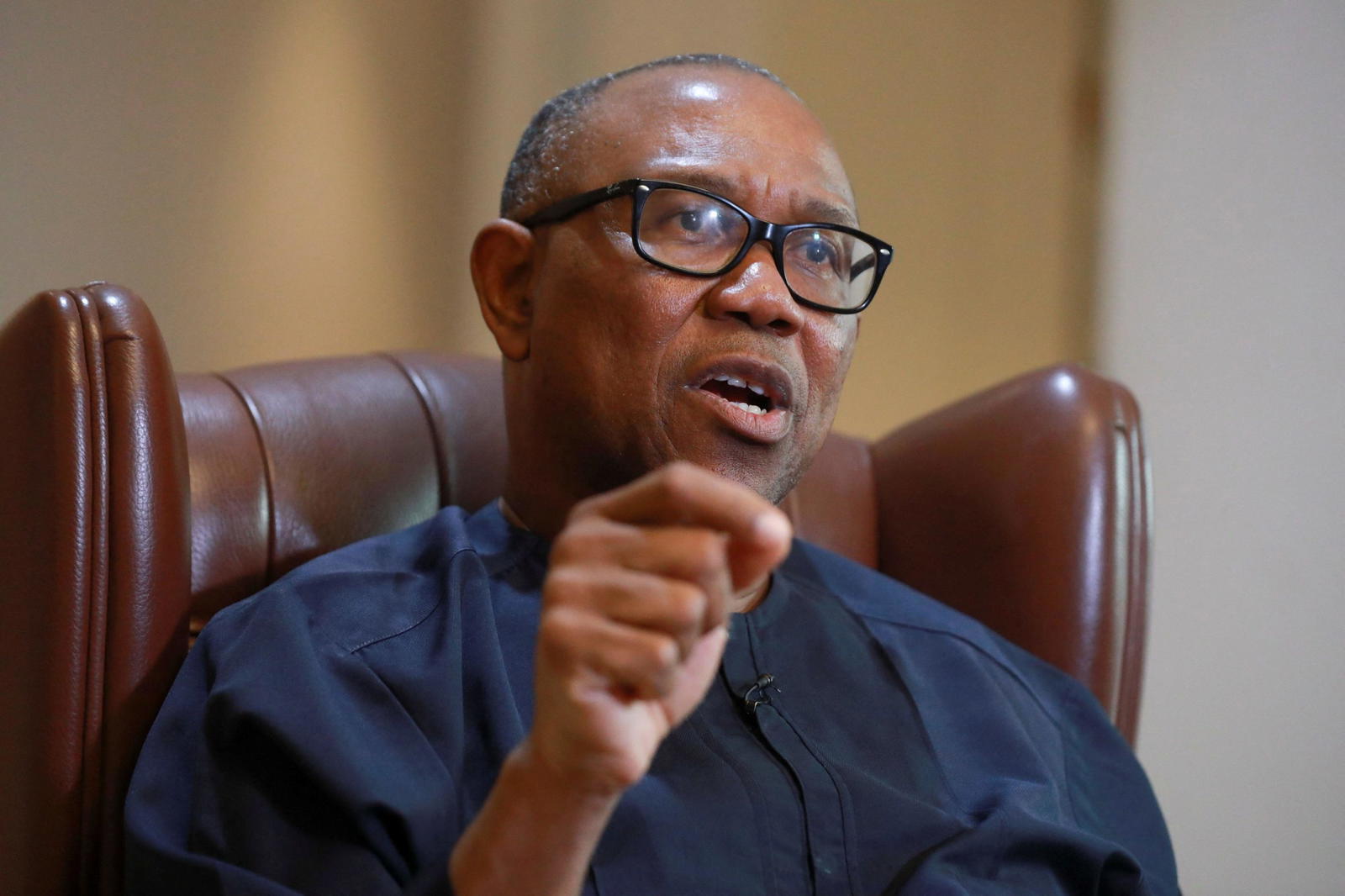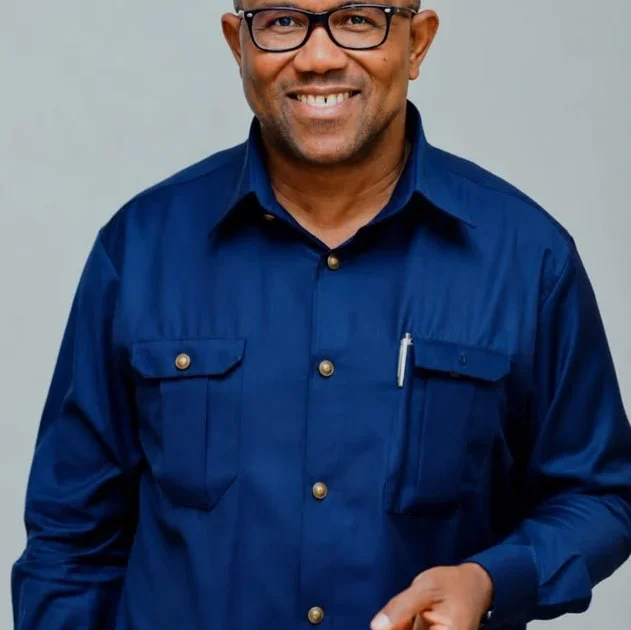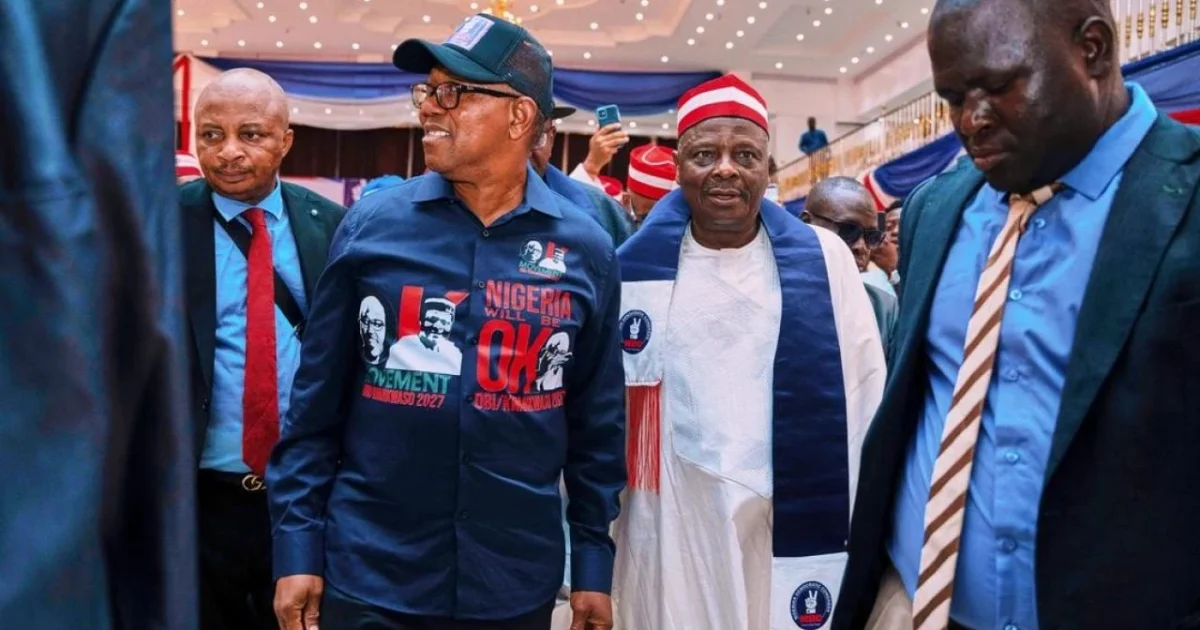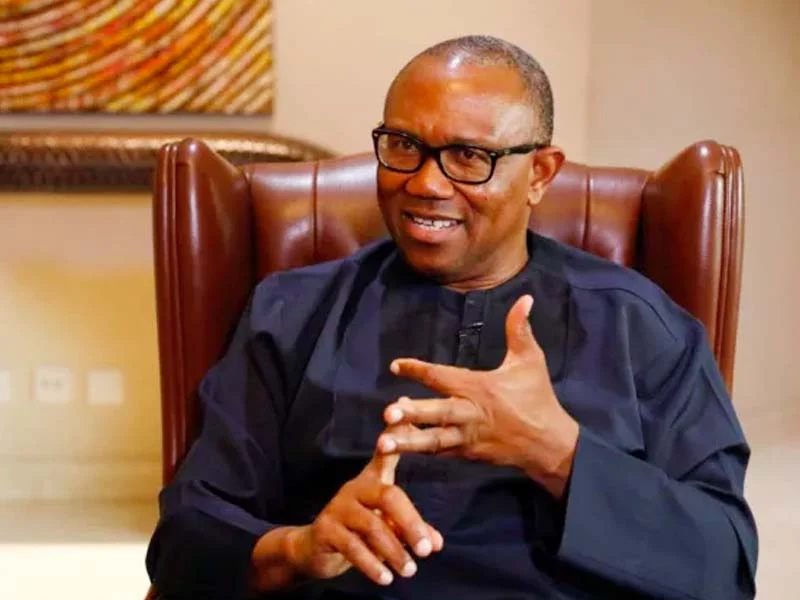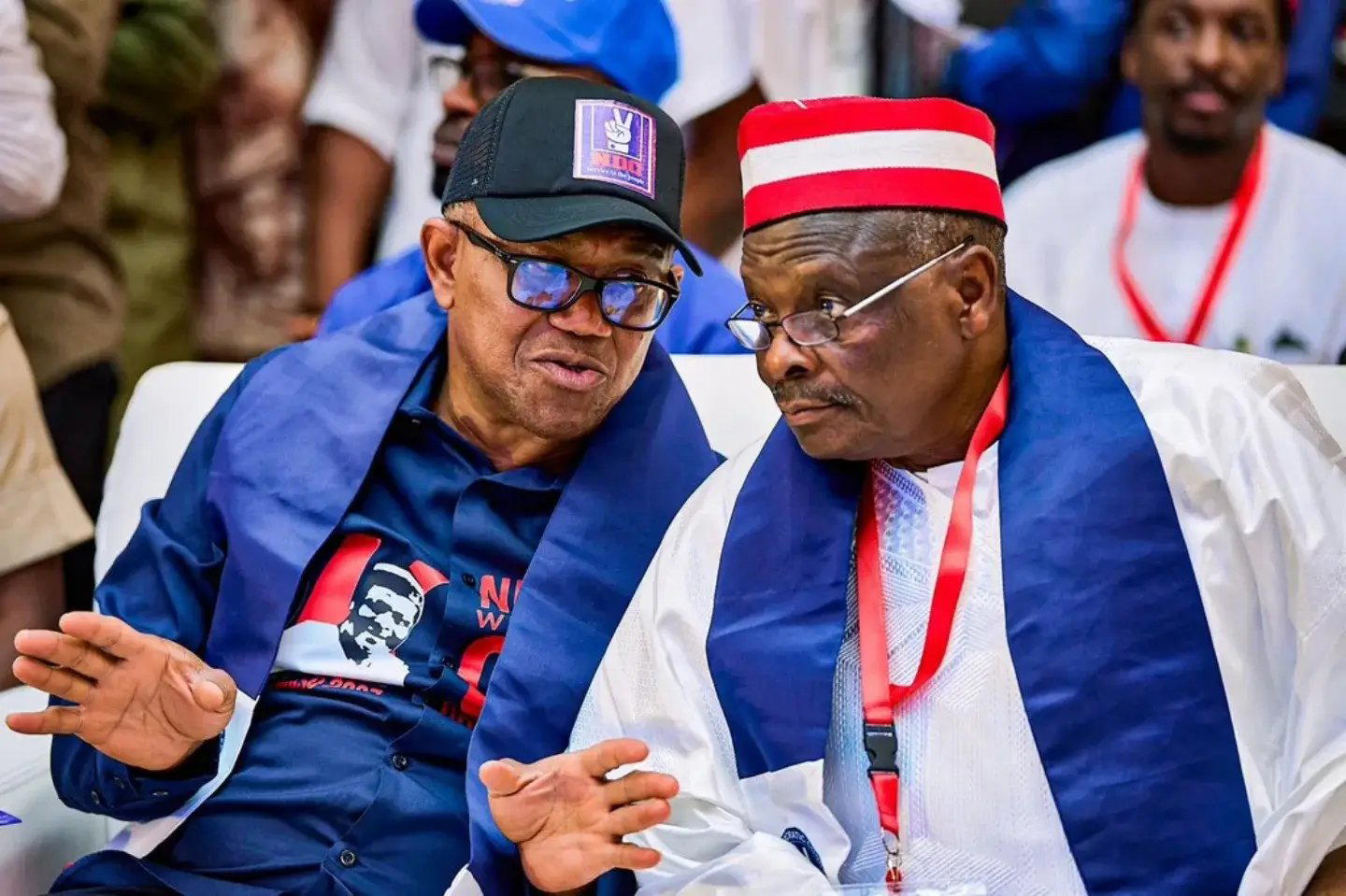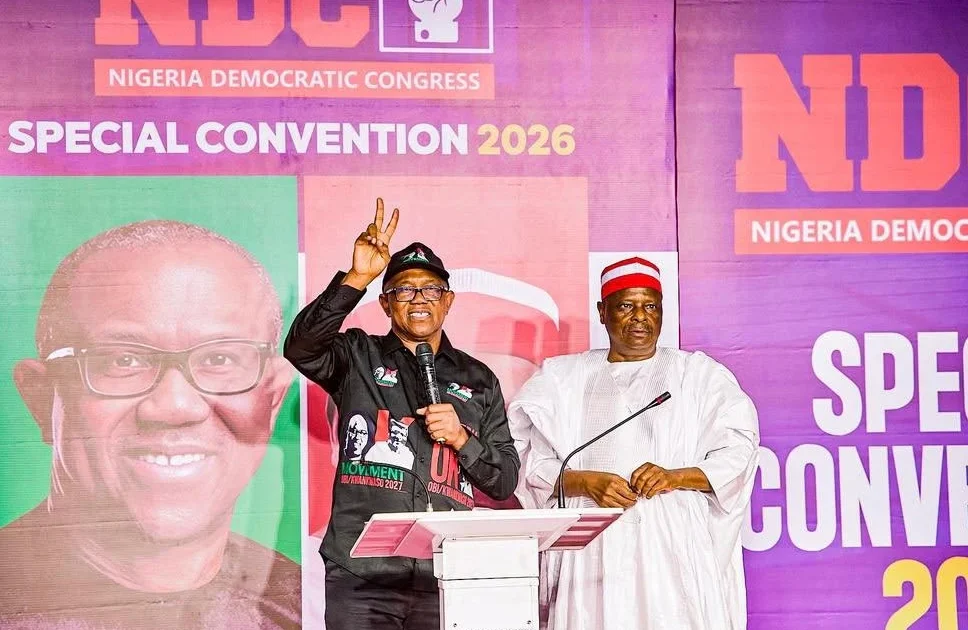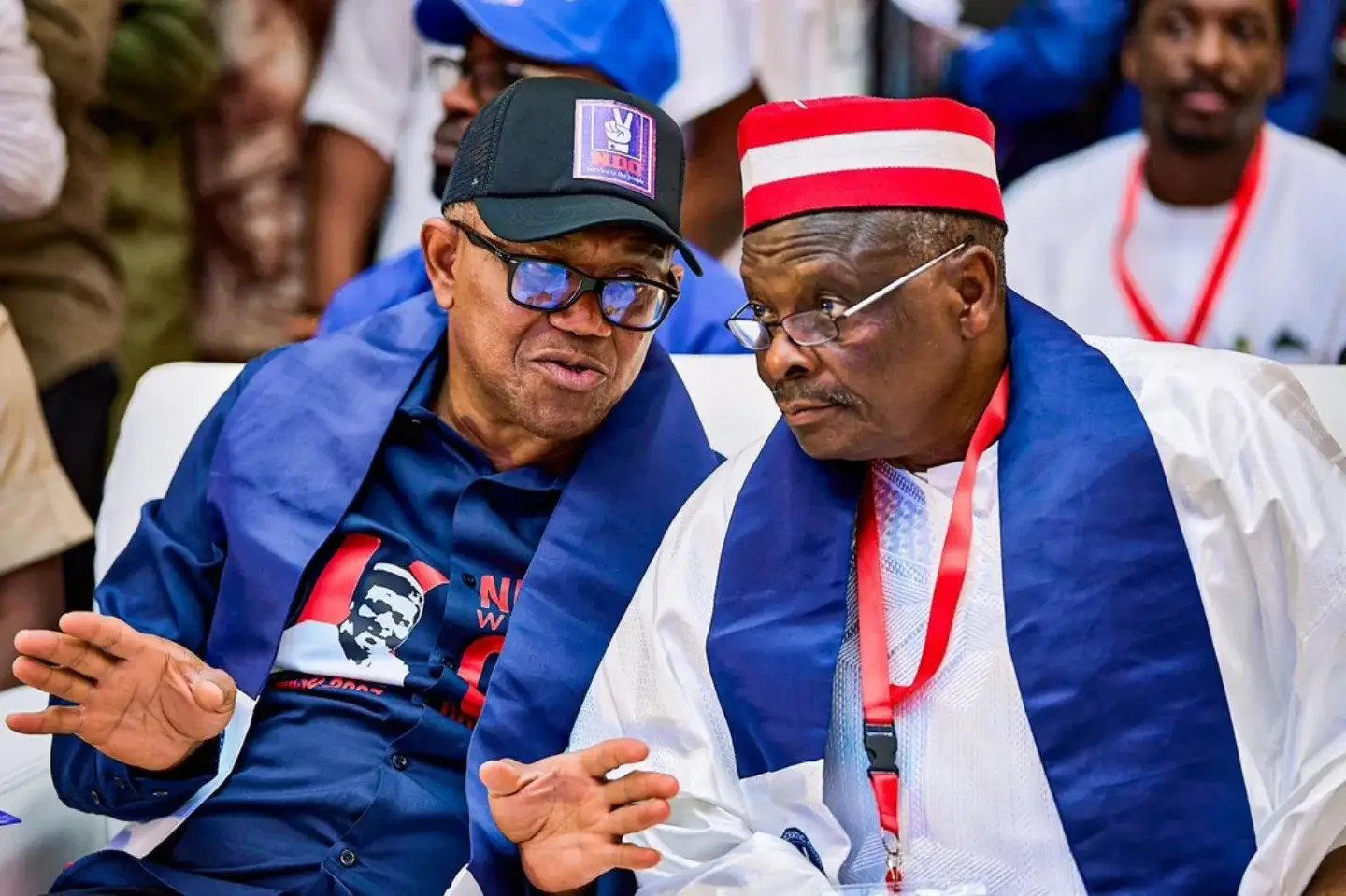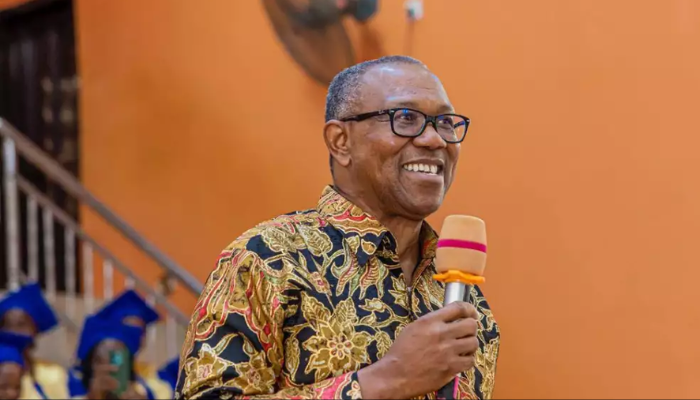
Peter Obi, the former Anambra State governor who rattled Nigeria’s political establishment in the 2023 presidential race, accepted the presidential nomination of the Nigerian Democratic Congress on Saturday, pledging to more than triple the country’s electricity output and pairing with former Kano State Governor Rabiu Kwankwaso as his running mate in what shapes up as an early and aggressive opening to the 2027 campaign season.
Speaking at the NDC convention in Abuja, Obi committed to adding at least 10,000 megawatts to Nigeria’s grid within his first four years in office, a target that would lift national generation and distribution capacity from roughly 4,000MW today to a minimum of 14,000MW.
“We currently generate and distribute a mere 4,000 megawatts of electricity for a population exceeding 200 million,” Obi told delegates. “Over the next four years, I commit to ensuring a minimum of 10,000MW power increase in generation and distribution.”
Nigeria’s electricity crisis is neither new nor abstract. Manufacturers routinely run diesel generators for the bulk of their operating hours, adding layers of cost that hollow out margins and suppress competitiveness.
Small businesses, from cold-storage operators to fintech firms dependent on data centres, absorb billions of naira annually in fuel expenses that their counterparts in peer economies largely avoid. The World Bank and multiple industry groups have for years pegged inadequate power supply as among the single largest constraints on Nigerian economic growth.