Beijing’s new framework codifies the technology-tracing approach the NDRC used to unwind Meta’s $2bn Manus acquisition, making cross-border AI deals materially harder.
China has formalised a tougher framework for outbound-investment review, codifying the legal-and-administrative posture the National Development and Reform Commission used to unwind Meta’s $2bn acquisition of AI-agent startup Manus in April.
The updated rules, reported by Reuters on Monday, give Chinese regulators a substantially expanded toolkit for blocking cross-border AI and technology transactions, particularly those that involve technology, talent or intellectual property with Chinese origin even if the relevant company is incorporated outside China.
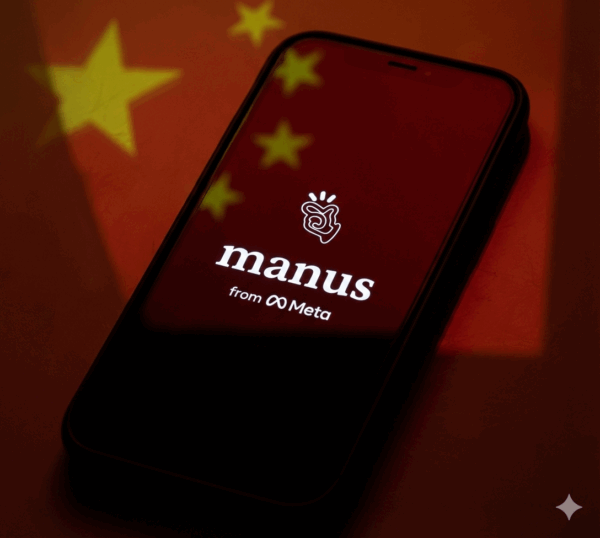
The Meta-Manus case is the template the new framework formalises. Manus, the Chinese-founded AI-agent startup that relocated its corporate headquarters to Singapore before announcing the Meta acquisition in December 2025, was blocked by the NDRC on national-security grounds in April.
The regulator’s reasoning was structurally aggressive: rather than focusing on the company’s current legal domicile, the NDRC examined where Manus’s technology was developed, where its engineering team accumulated expertise, and how the underlying IP was transferred out of the original Chinese corporate entity.