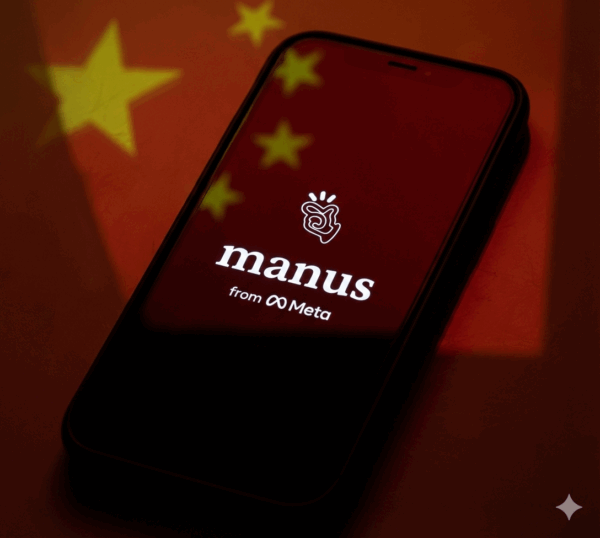
Within a couple of years of its incubation in 2023, Manus, an autonomous agentic AI start-up, made headlines in December 2025, when Meta announced its acquisition for $2 billion. Although the Chinese authorities rushed to order a probe into the deal, it took four months to finally unwind the transaction. Since the 2020 regulatory crackdown on technology enterprises, Beijing has been closely monitoring and directing the growth of tech startups. Despite that, China had to retroactively unwind the deal after the transaction had been consummated. The belated quashing of the Manus acquisition will create challenges in effectively disentangling the transfer of data, assets, and talent. More than that, the episode also represents significant structural tensions in China’s domestic industrial policy ecosystem.
First, the regulatory intervention in Manus’ case was unconventional. It was undertaken by China’s top economic planning body, the National Development Reforms Commission (NDRC), and not the anti-monopoly regulatory authority, the State Administration for Market Regulation, which had taken similar actions in the past. Notably, the NDRC’s intervention invoked the 2021 Foreign Investment Security Review Measures for the first time, which could be called a step toward institutional improvisation, rather than merely a regulatory intervention.