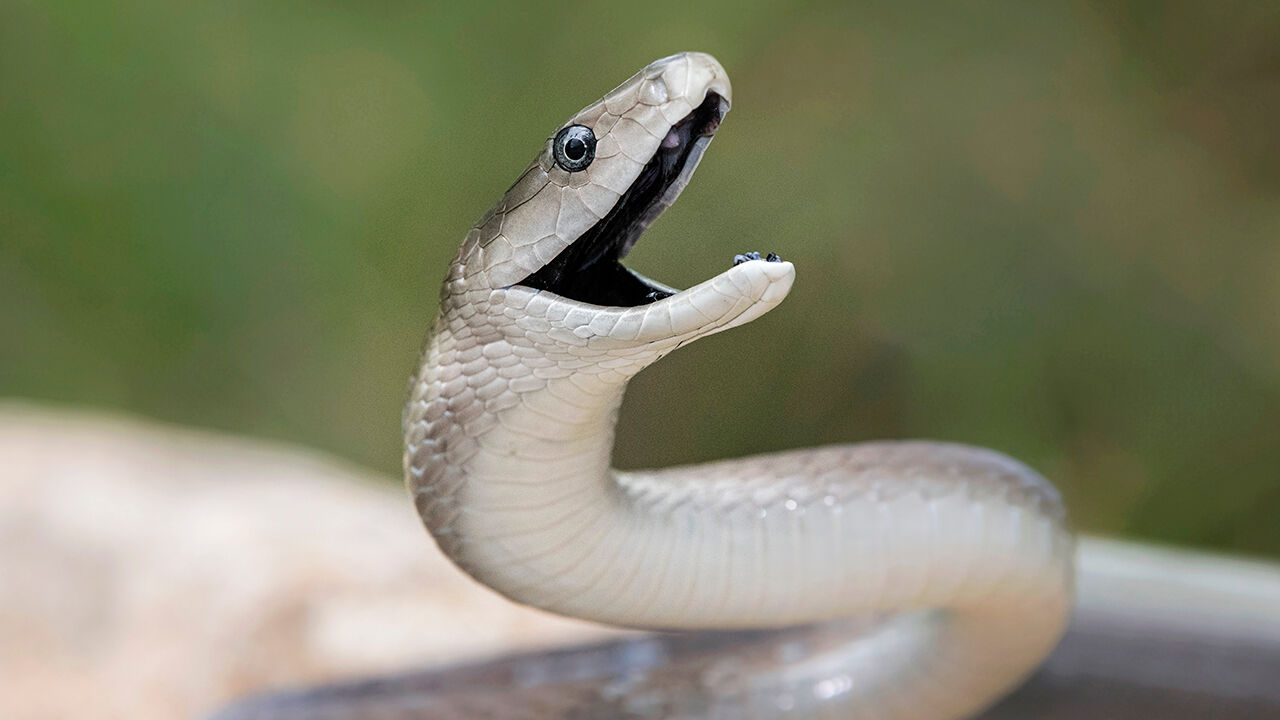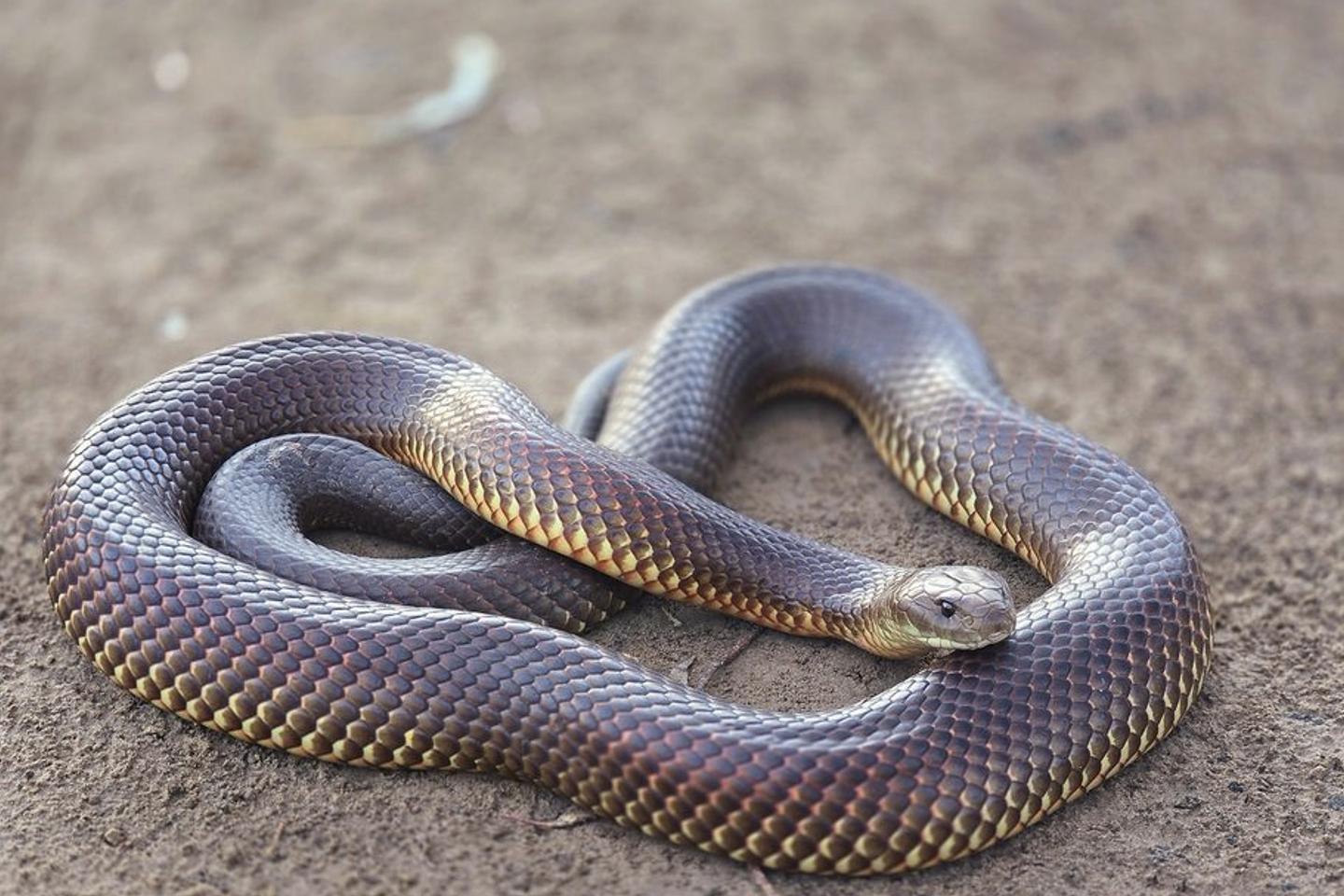
Up to 150,000 die annually from snakebites worldwide
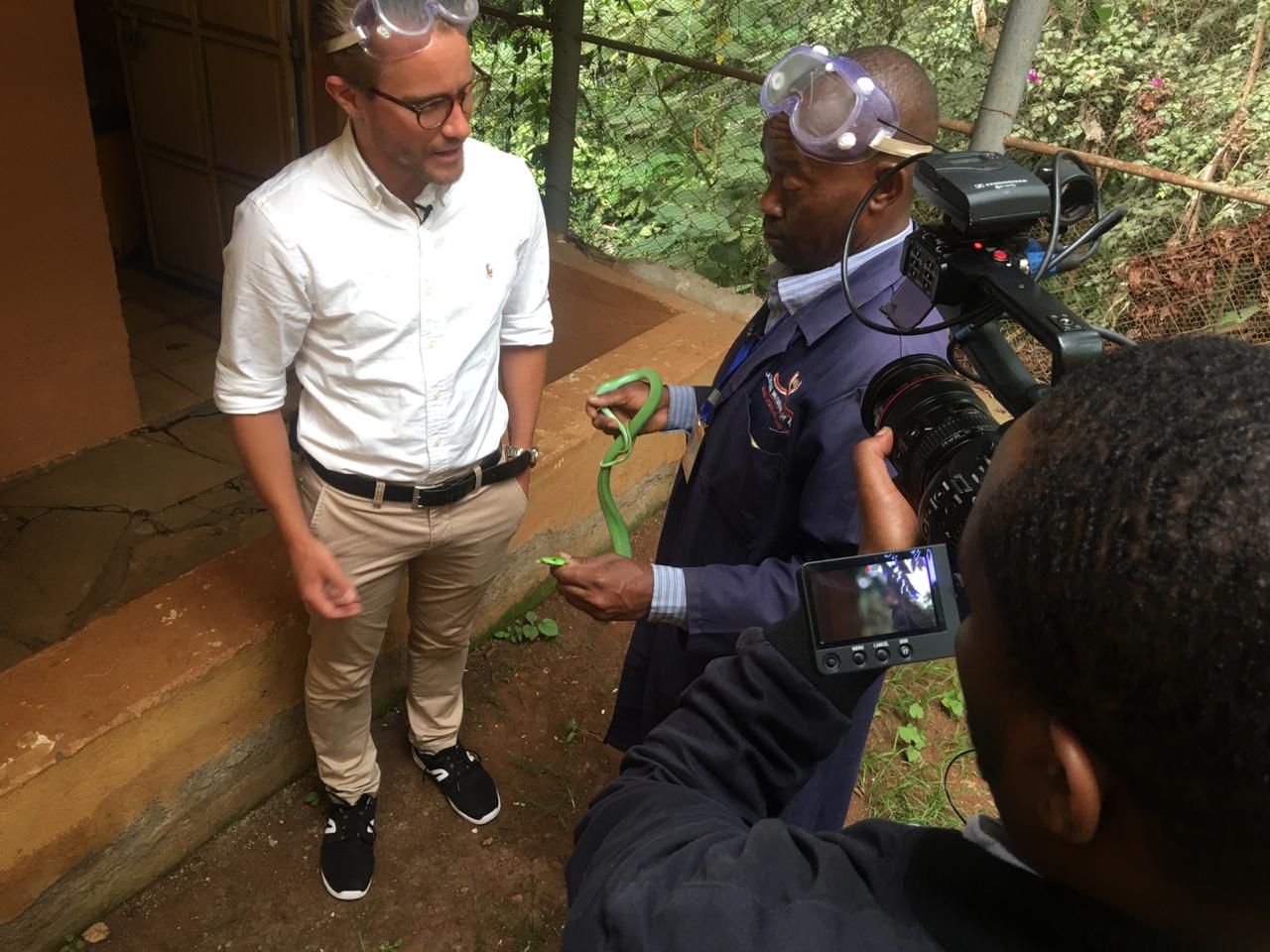
Andreas Hougaard Laustsen-Kiel first became interested in snakebites in 2011, when he met two children in Tanzania who had lost limbs after being bitten by cobras. With no access to antivenom, one’s forearm and the other’s lower leg had to be amputated to save their lives.
Today, Laustsen-Kiel is a professor at the Technical University of Denmark and develops – including with support from the European Research Council – modern antivenoms that could save thousands of lives. The emphasis, however, is on “could”.
In this interview, he explains why Europe’s research excellence still struggles to deliver global health impact, why the continent is fortunate when it comes to snakes, and what to do in the event of a snakebite.
Log in to continue reading for free