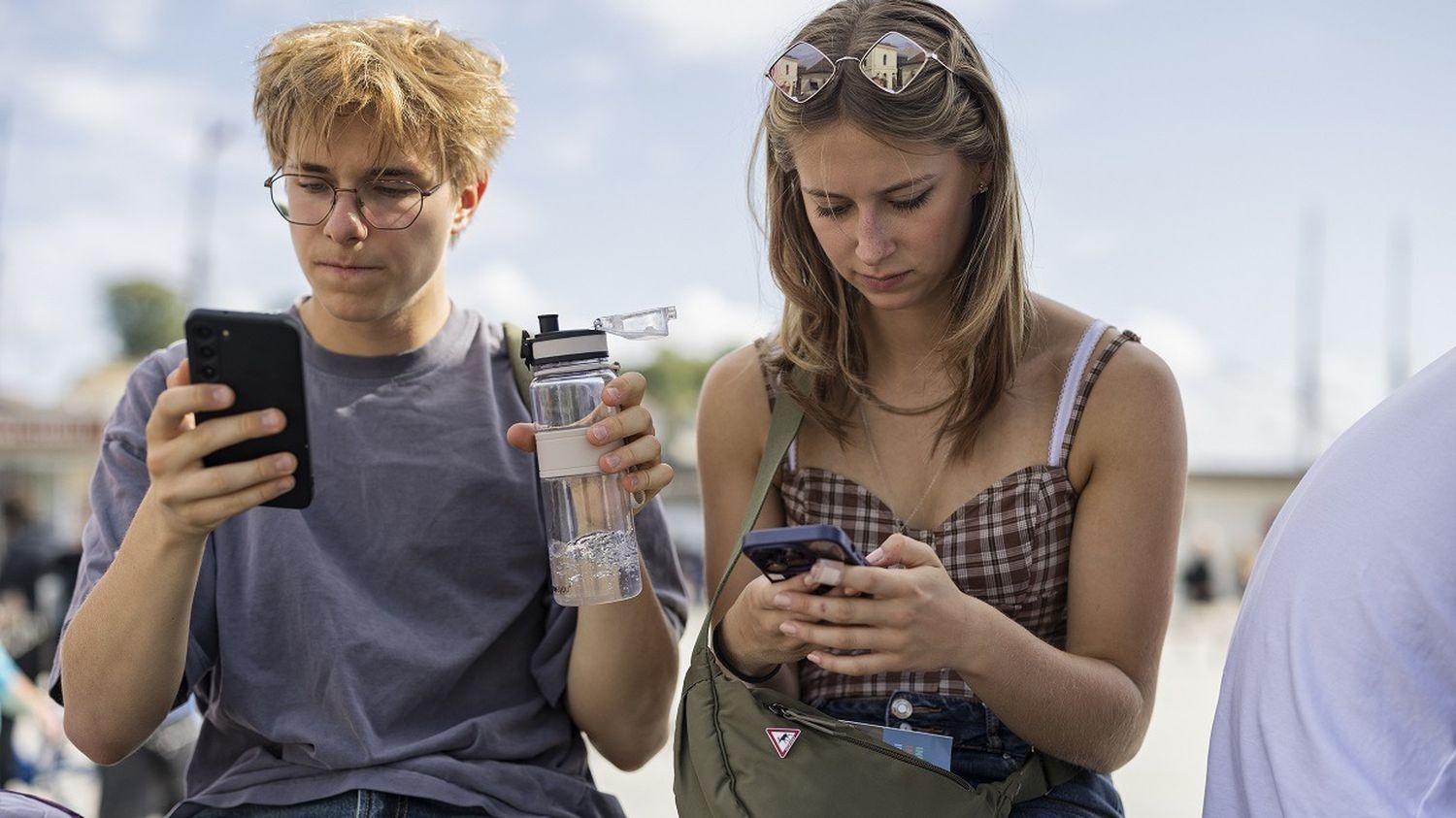
A few years ago, asking a junior colleague to make a phone call would not have registered as a particularly daunting task. Now, it seems, many younger staff would be more willing to donate a kidney than call a restaurant to push a booking back an hour. In media, I have been astounded by twentysomethings’ reluctance to pick up the phone. Instead, they’ll embark on a long campaign of avoidance: an initial email, a ‘gentle nudge’, and then a ‘just moving this to the top of your inbox’, all while hours drift between the lack of responses.
It’s inefficient and, frankly, a bit sad. A five-minute or even 30-second phone call can often deliver clarity and better results faster than an email competing with 500 others. A call can lock in a meeting, clear up a misunderstanding, or convey tone that written messages simply can’t. It can also offer a welcome break from screens.
Of course, Gen Z’s hesitation has some context. Twentysomethings have grown up communicating primarily through text: asynchronous, editable, curated. A phone call, by contrast, comes with no draft attempts. It forces you to think in real time.
But the strange thing is that Gen Z’s discomfort with phone calls apparently sits alongside an unprecedented confidence in other forms of communication. Many young people who would sooner overpay a bill than ring customer services to query it, are perfectly comfortable posting videos of themselves online – dancing or documenting their latest break-up. They’ll share a blog about losing their virginity, but they won’t call a pub to check which football match it’s showing.