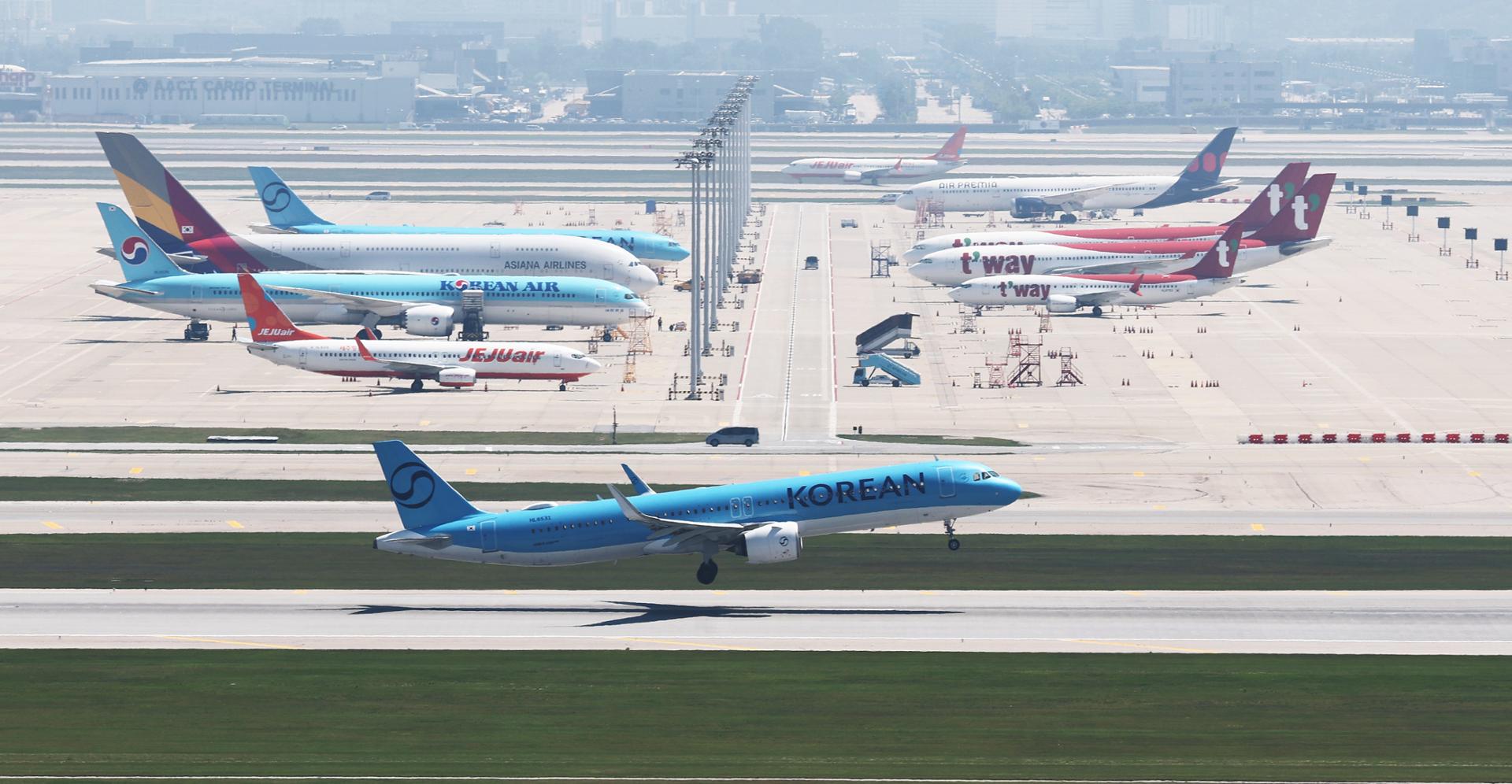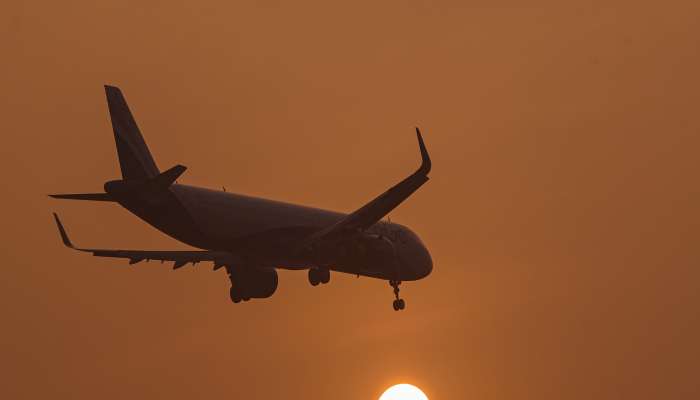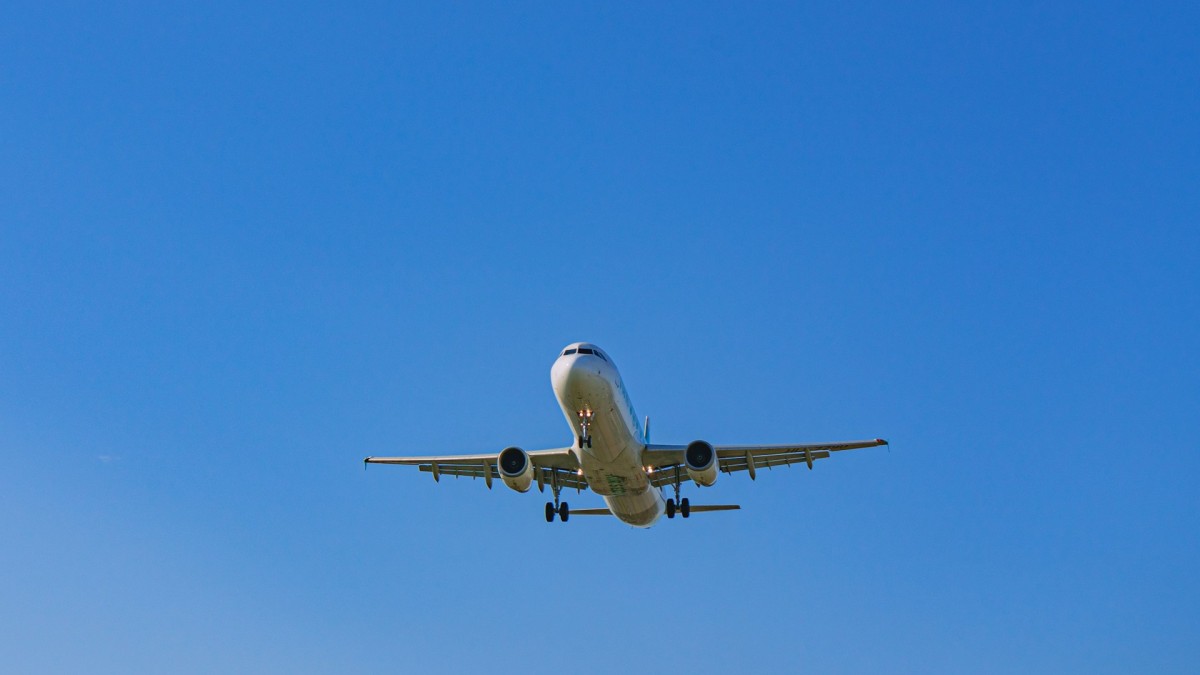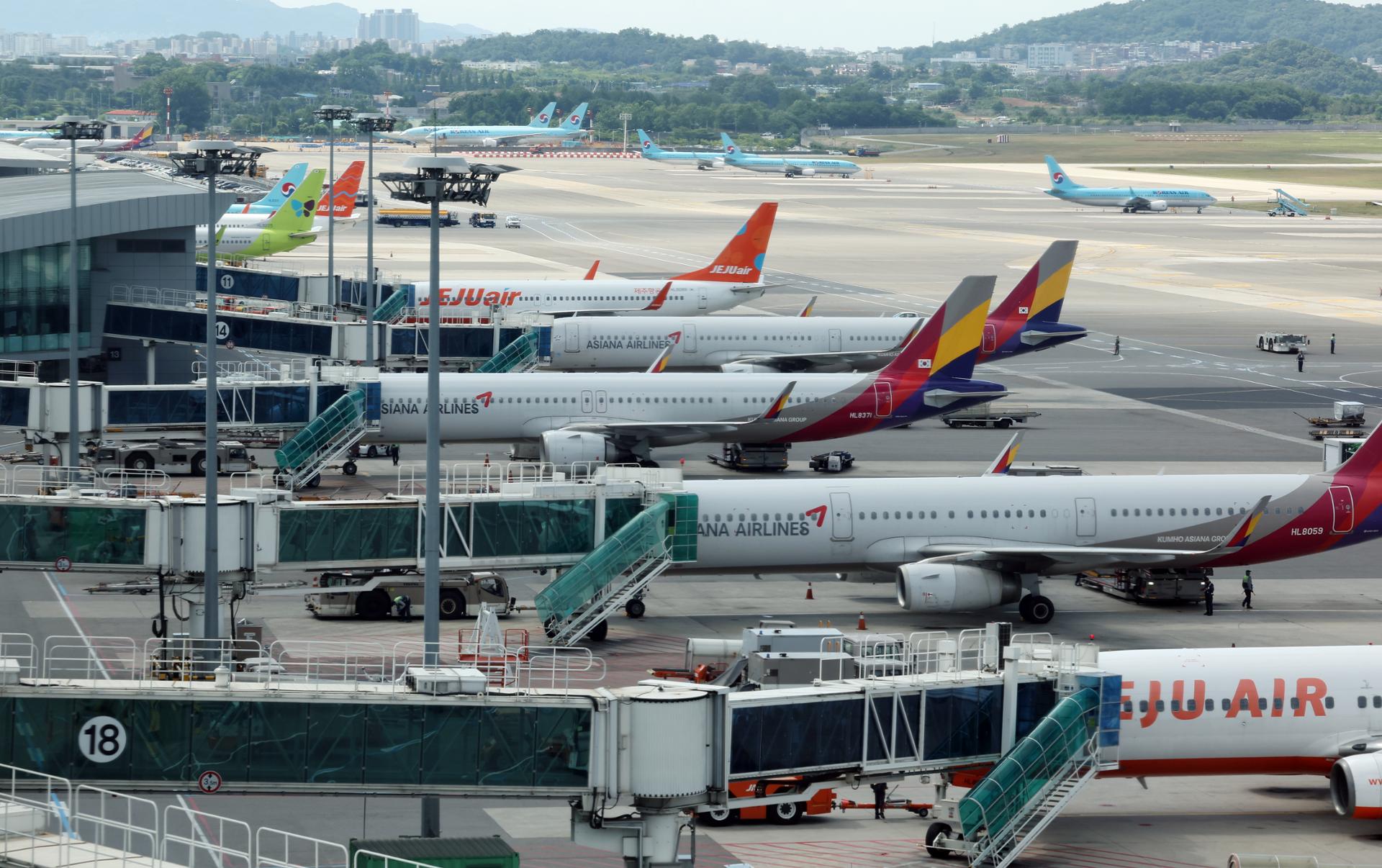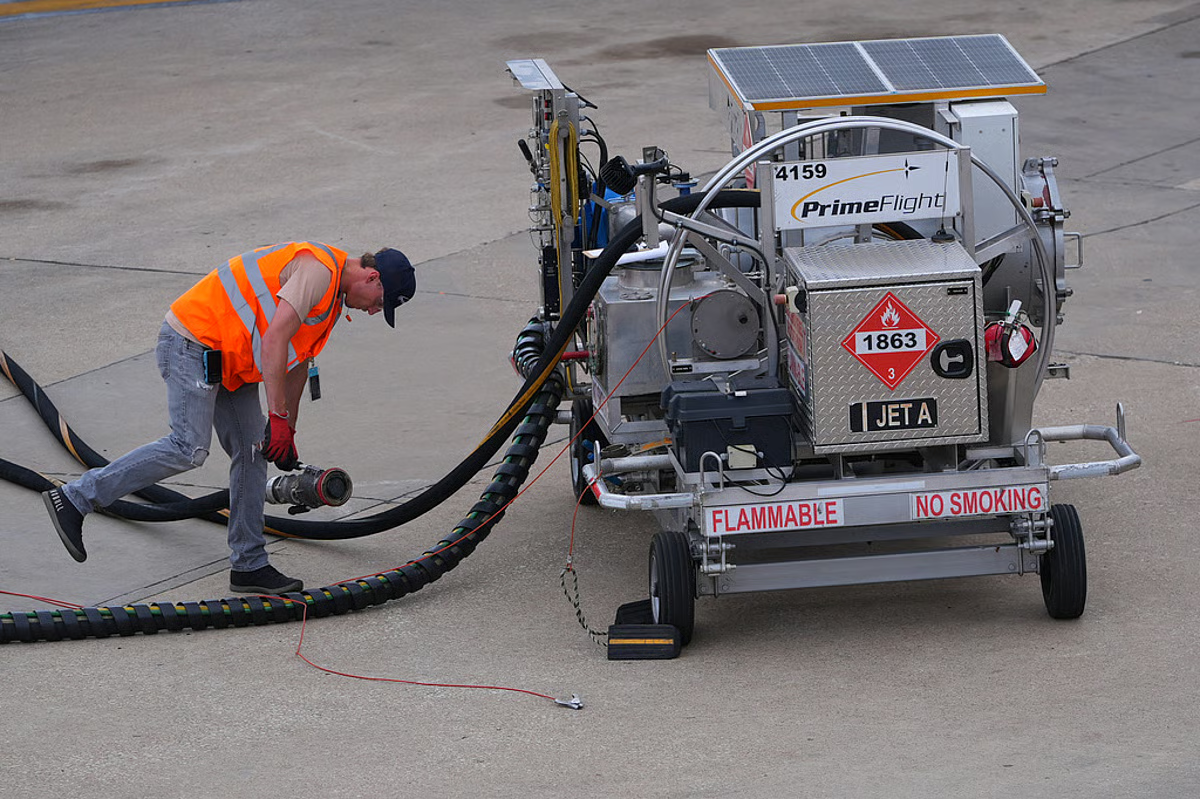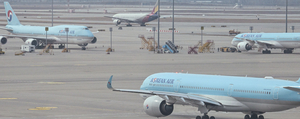
Aviation sector output falls at sharpest pace in 52 months as Middle East conflict pushes up oil prices Aircraft are seen parked at Incheon Airport Terminal 2 on April 1. (Im Se-jun/The Korea Herald) Korea’s air transport output fell in April by the sharpest margin since the COVID-19 pandemic, as higher fuel surcharges driven by the Middle East conflict weighed on demand for air travel, government data showed Monday.According to the Ministry of Data and Statistics’ industrial activity data, the production index for the air transport industry stood at 468.5 in April, down 13.5 percent from a month earlier. It marked the steepest monthly decline since December 2021, when the index fell 14.2 percent.Passenger air transport output dropped 14.0 percent from the previous month, also the sharpest decline since December 2021, when it fell 15.1 percent. Cargo air transport output, by contrast, rose 3.4 percent.The ministry attributed the decline in air transport output to a drop in air travel demand after fuel surcharges rose sharply due to the Middle East conflict.Fuel surcharges for international flights rose to Level 33 in April, the highest of the 33 surcharge levels, raising the possibility that the air transport production index could fall further.Korean Air charged fuel surcharges of between 42,000 won and 303,000 won ($27.70 and $200) per one-way international flight in April, up from 13,500 won to 99,000 won in March. The surcharge on the longest routes from Incheon to cities such as New York, Chicago, Atlanta, Washington and Toronto rose 3.1 times to 303,000 won.Asiana Airlines also raised its fuel surcharges to between 43,900 won and 251,900 won in April, compared with 14,600 won to 78,600 won in March.The higher surcharges have added pressure on airlines already facing weaker demand and rising operating costs.Some budget carriers have reduced international flights in response. Jeju Air, for example, cut 187 round-trip flights, equivalent to 4 percent of its international operations, particularly on Southeast Asian routes. The company has also taken emergency measures, including short-term unpaid leave and asset sales.
Air travel takes hit from record-high fuel surcharges
Korea’s air transport output fell in April by the sharpest margin since the COVID-19 pandemic, as higher fuel surcharges driven by the Middle East conflict weig
337 words~2 min read