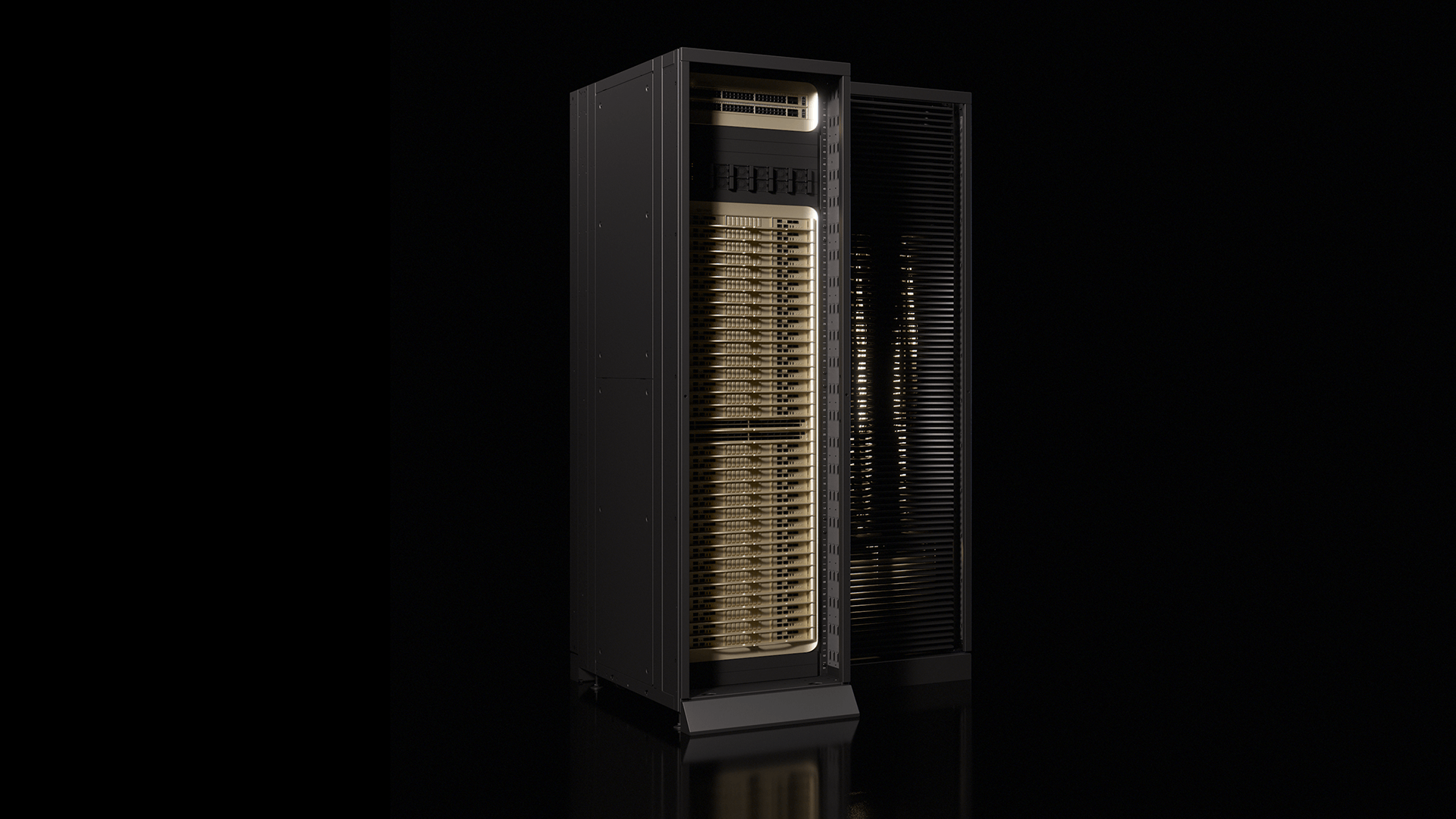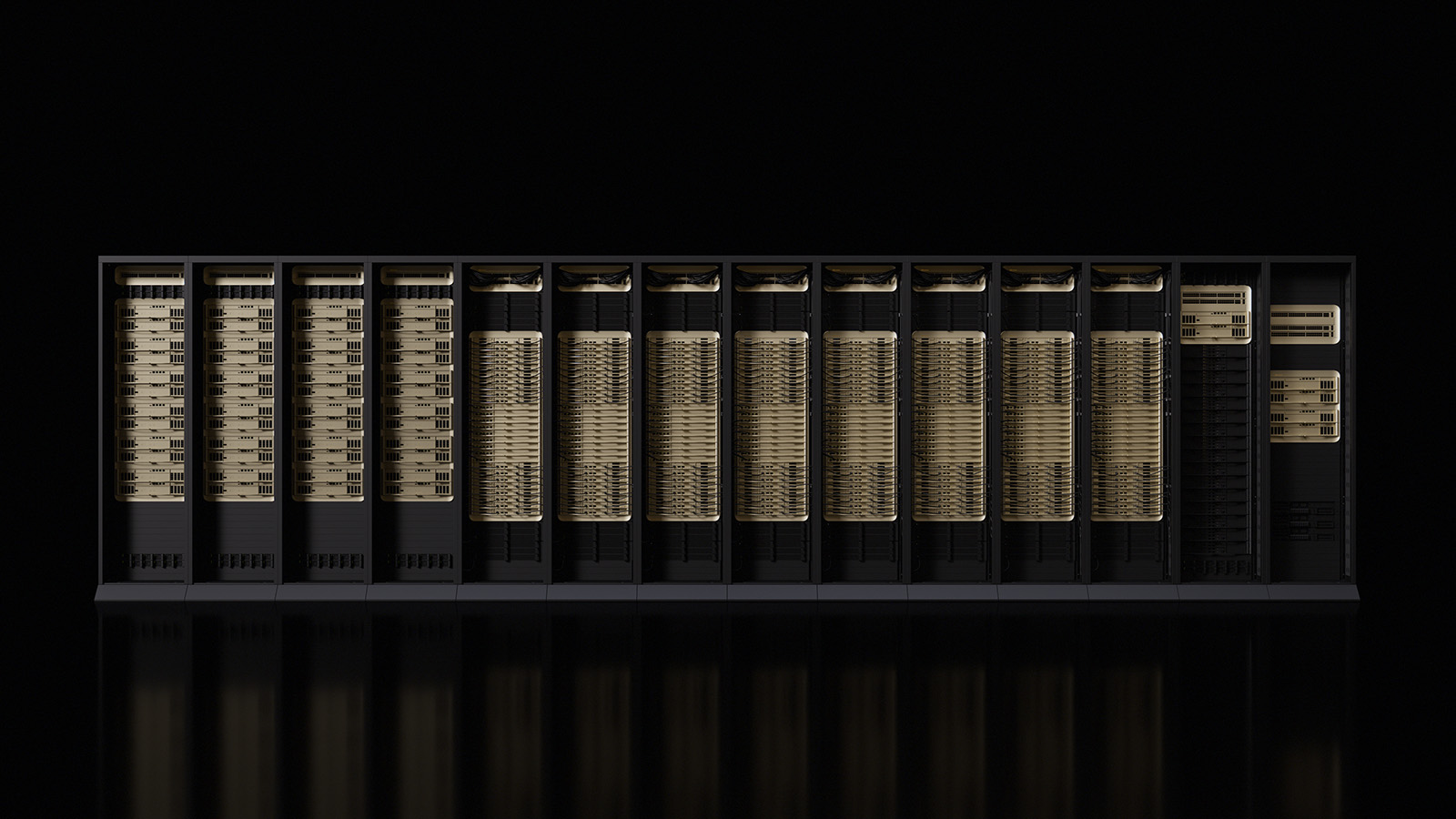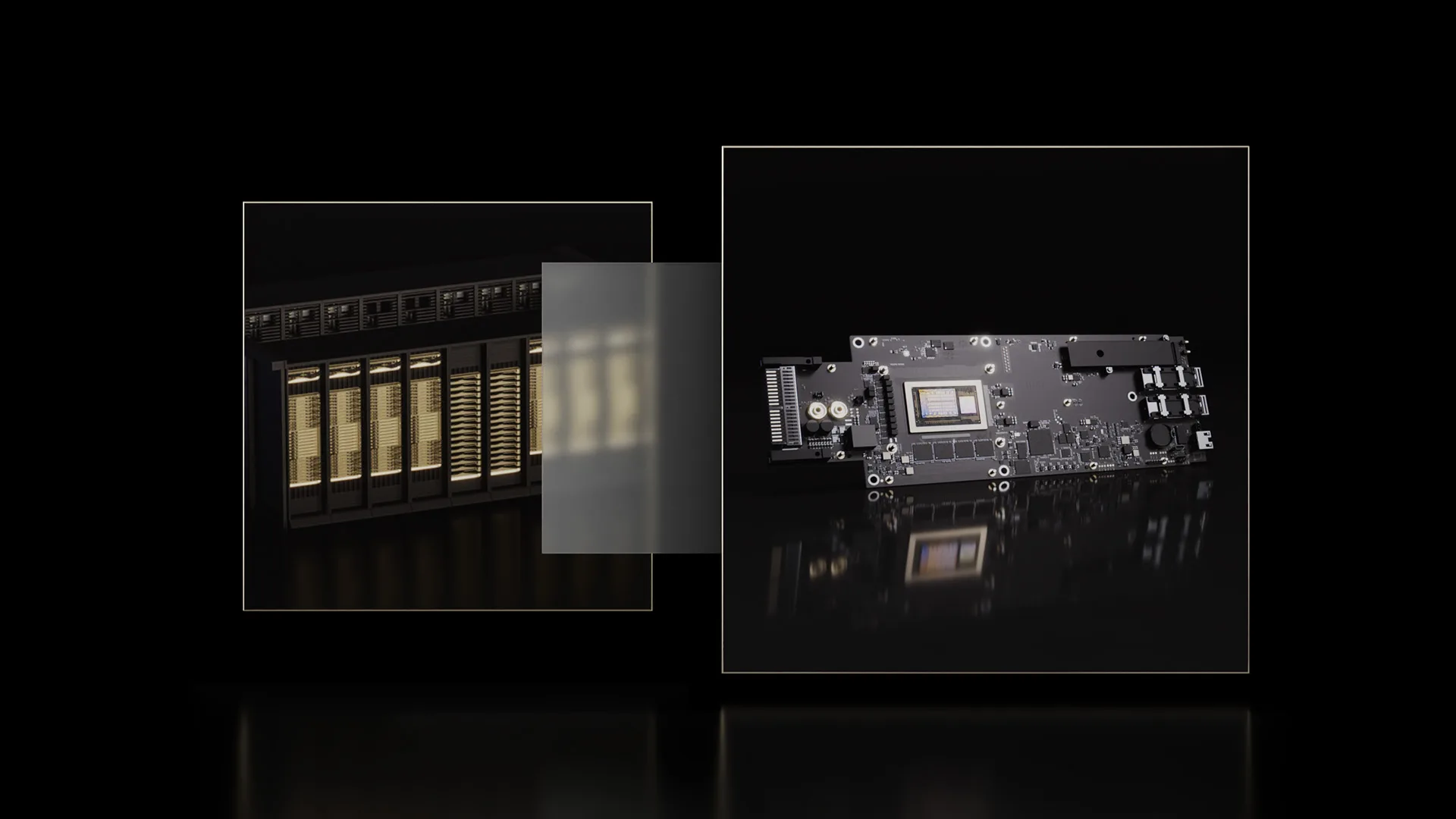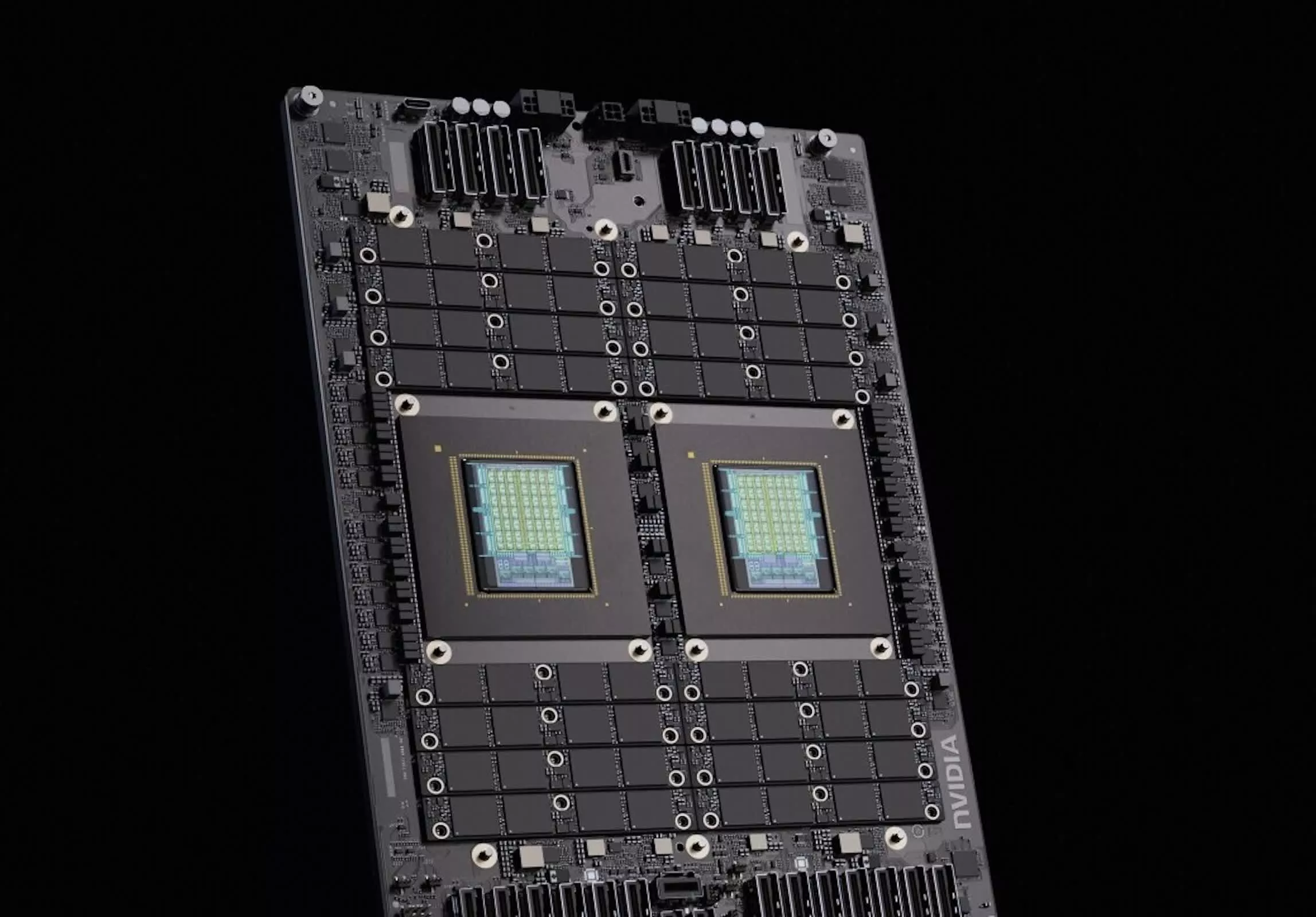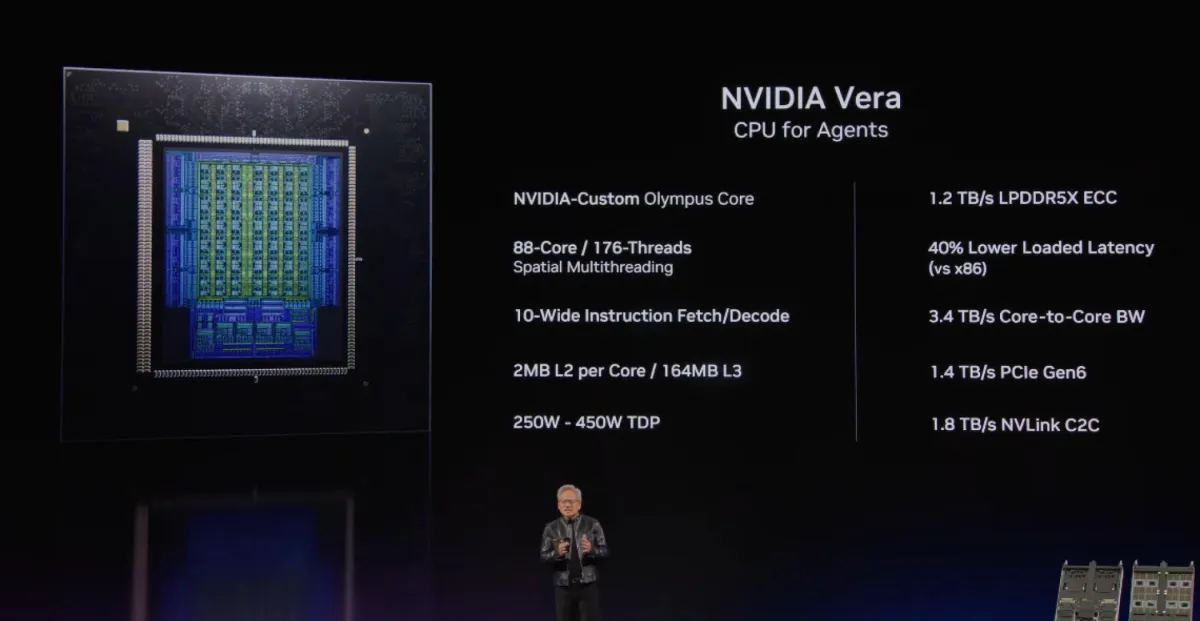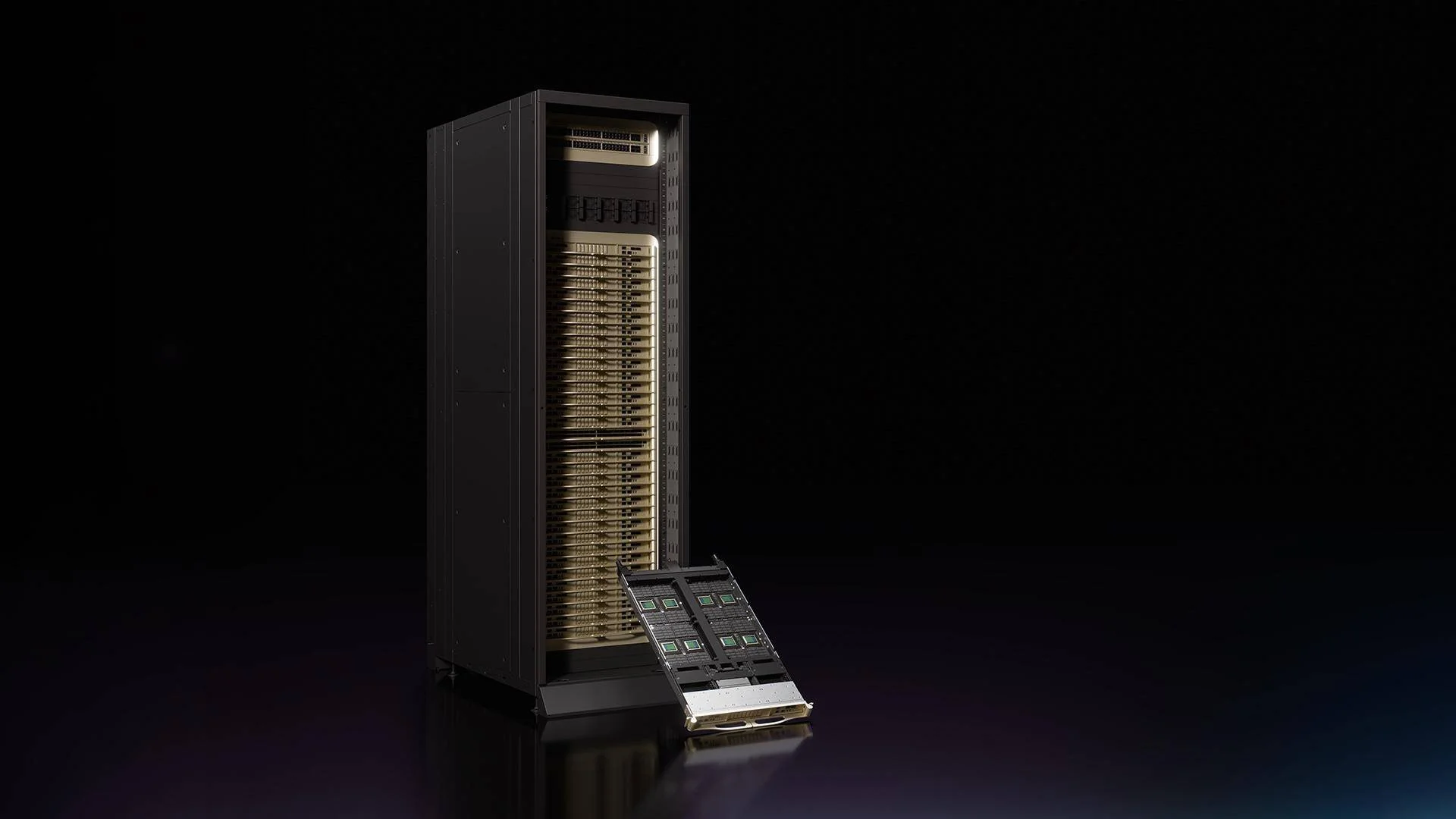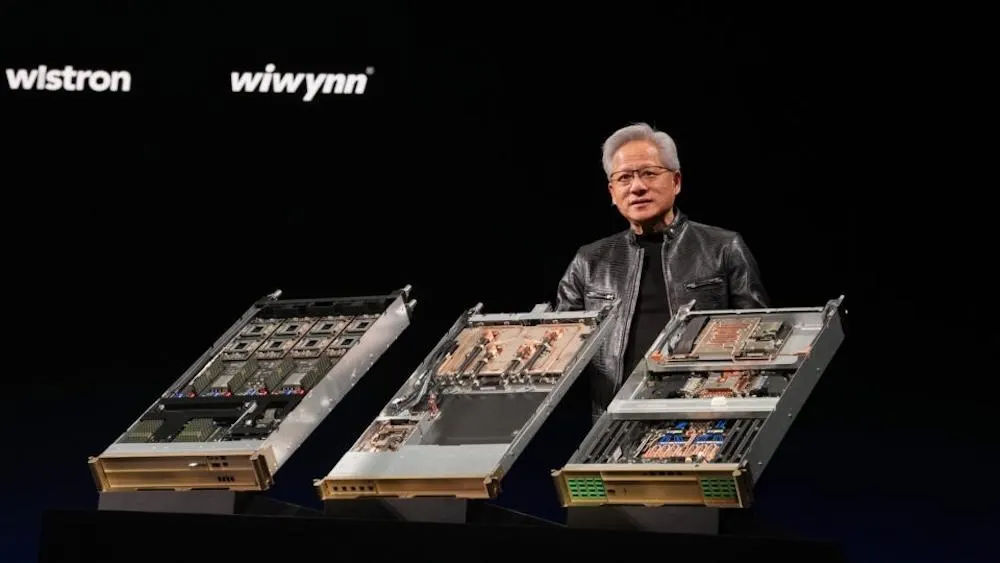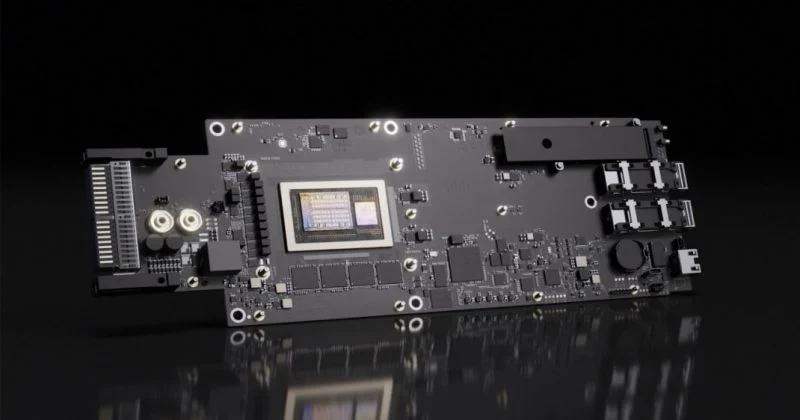
Nvidia just unveiled a new storage architecture designed to solve one of AI’s most persistent headaches: getting data to the model fast enough. The BlueField-4 STX, announced at GTC on March 16, 2026, combines a storage-optimized data processing unit with Nvidia’s Vera CPU, ConnectX-9 SuperNIC, and Spectrum-X Ethernet into a single modular reference design.
The pitch is straightforward. Instead of forcing traditional CPUs to handle the increasingly brutal demands of AI storage workloads, offload that work to purpose-built silicon. Nvidia claims the result is up to 5x token throughput, 4x better energy efficiency, and 2x faster data ingestion compared to conventional CPU-driven systems.
What the BlueField-4 STX actually does
BlueField-4 STX handles storage processing autonomously, offloading key-value cache and vector database tasks that would otherwise compete for GPU resources. This matters particularly for what Nvidia calls “long-context, agentic AI inference” — workloads where AI models need to maintain massive context windows and execute multi-step reasoning chains.
The architecture also features what Nvidia describes as in-silicon security, baking data protection directly into the hardware layer rather than relying on software-based solutions that can introduce latency and attack surfaces.