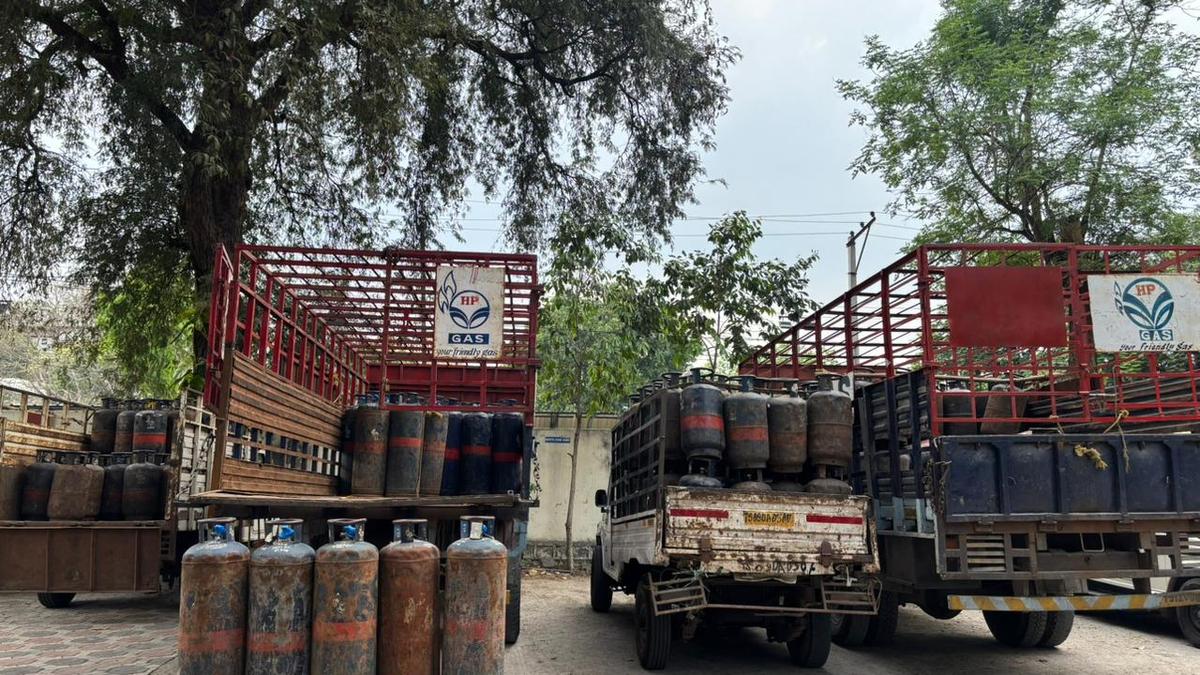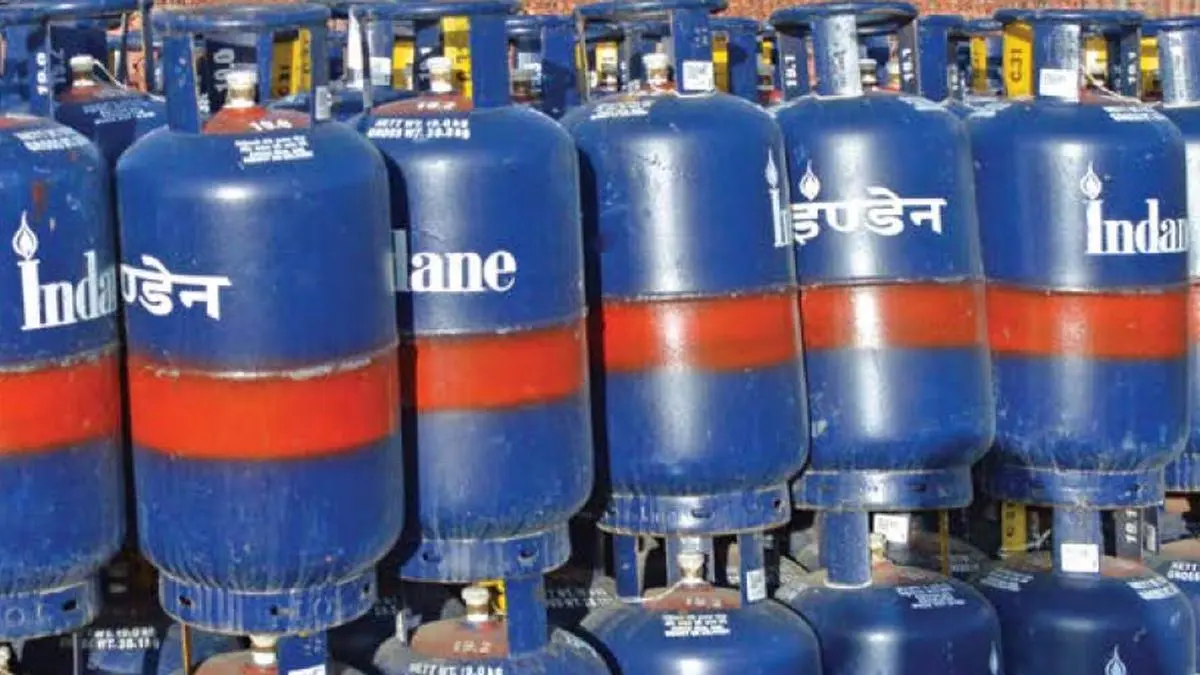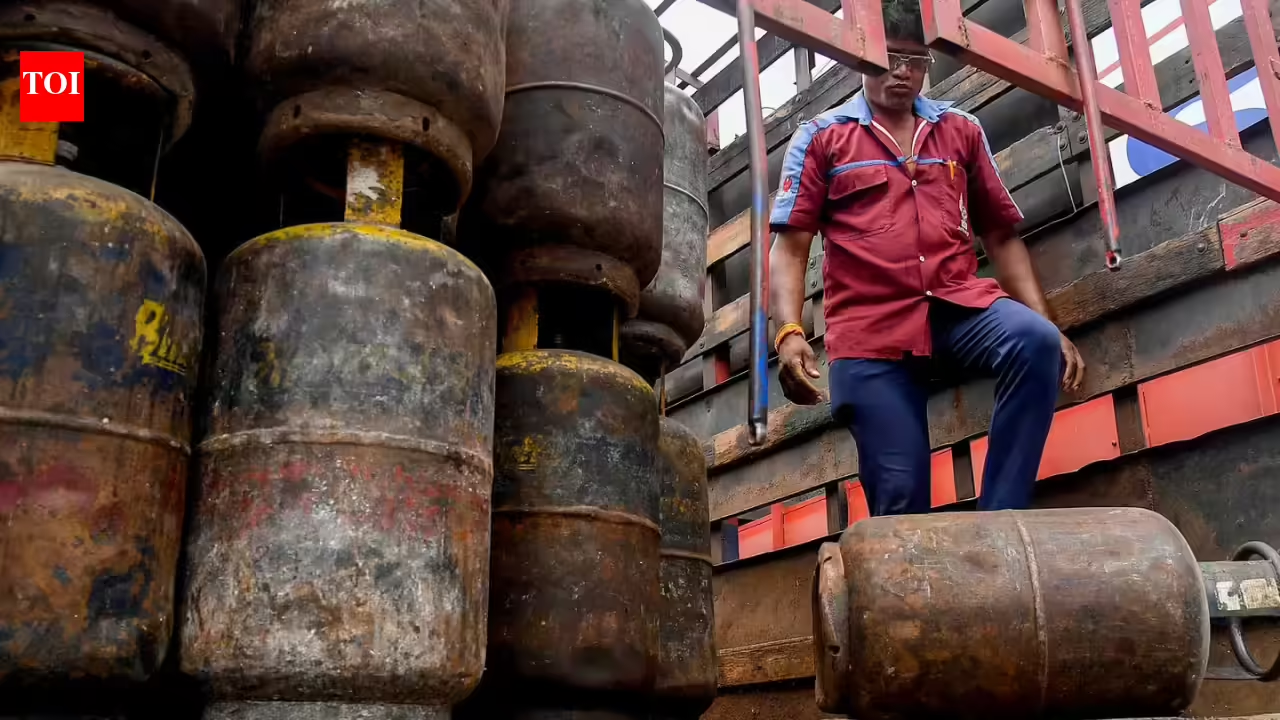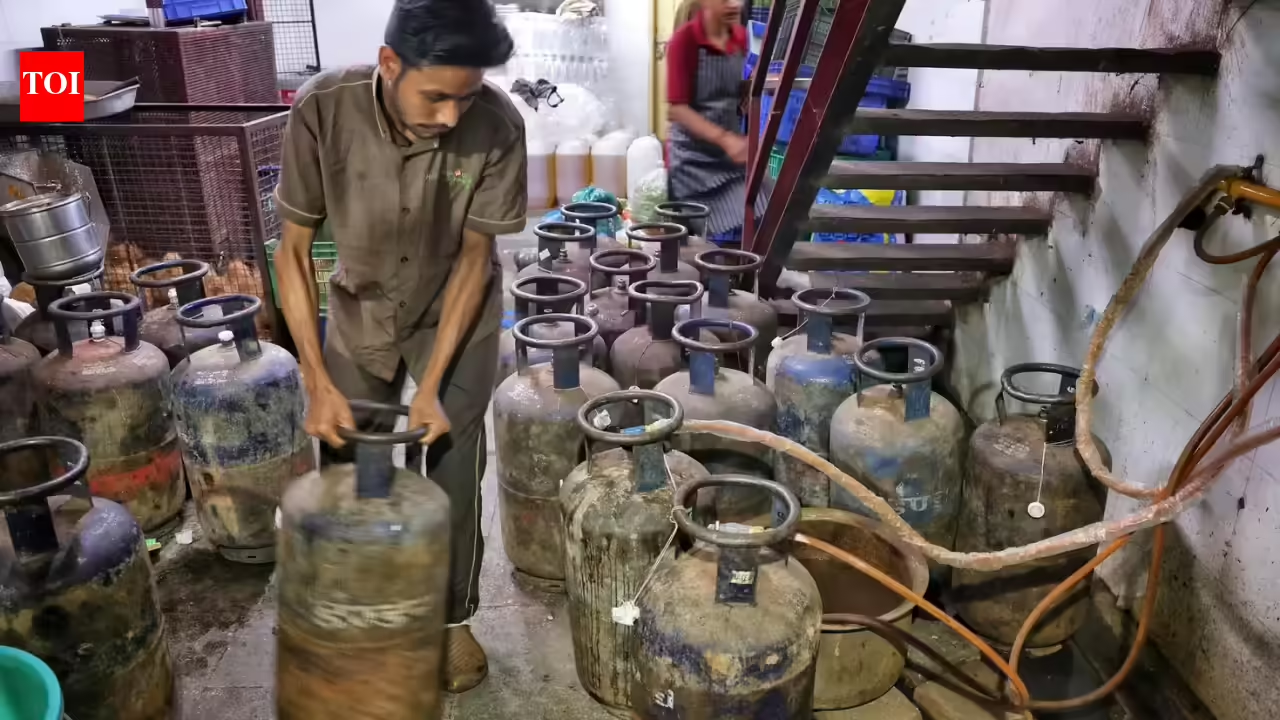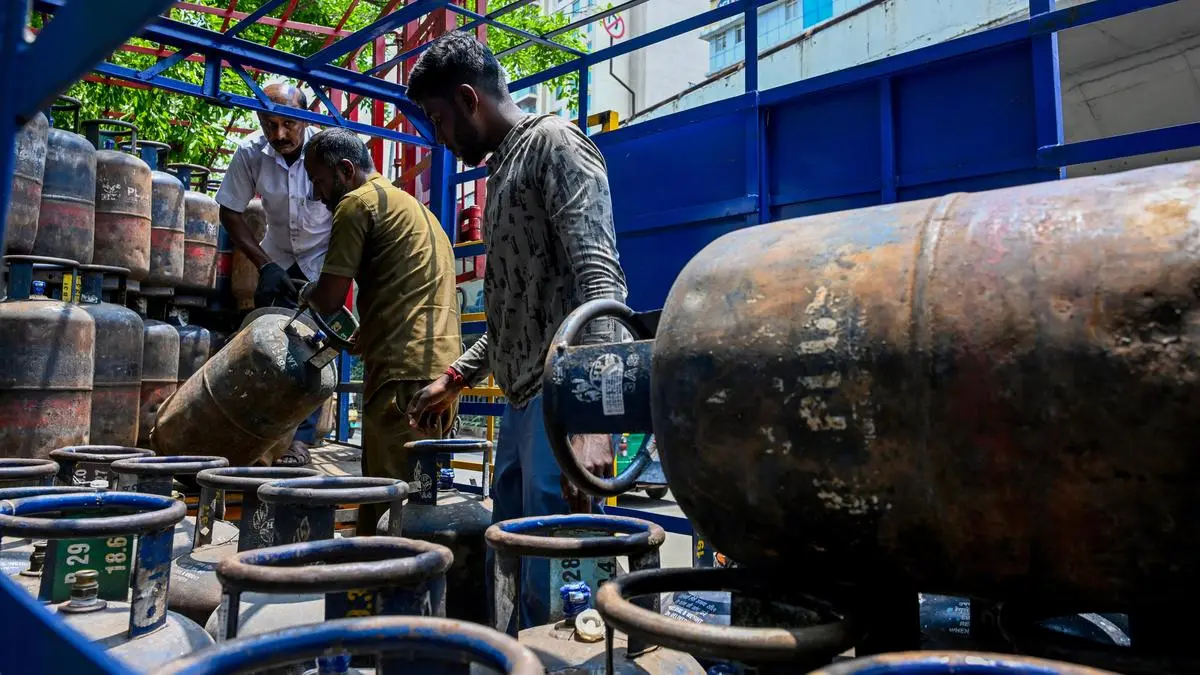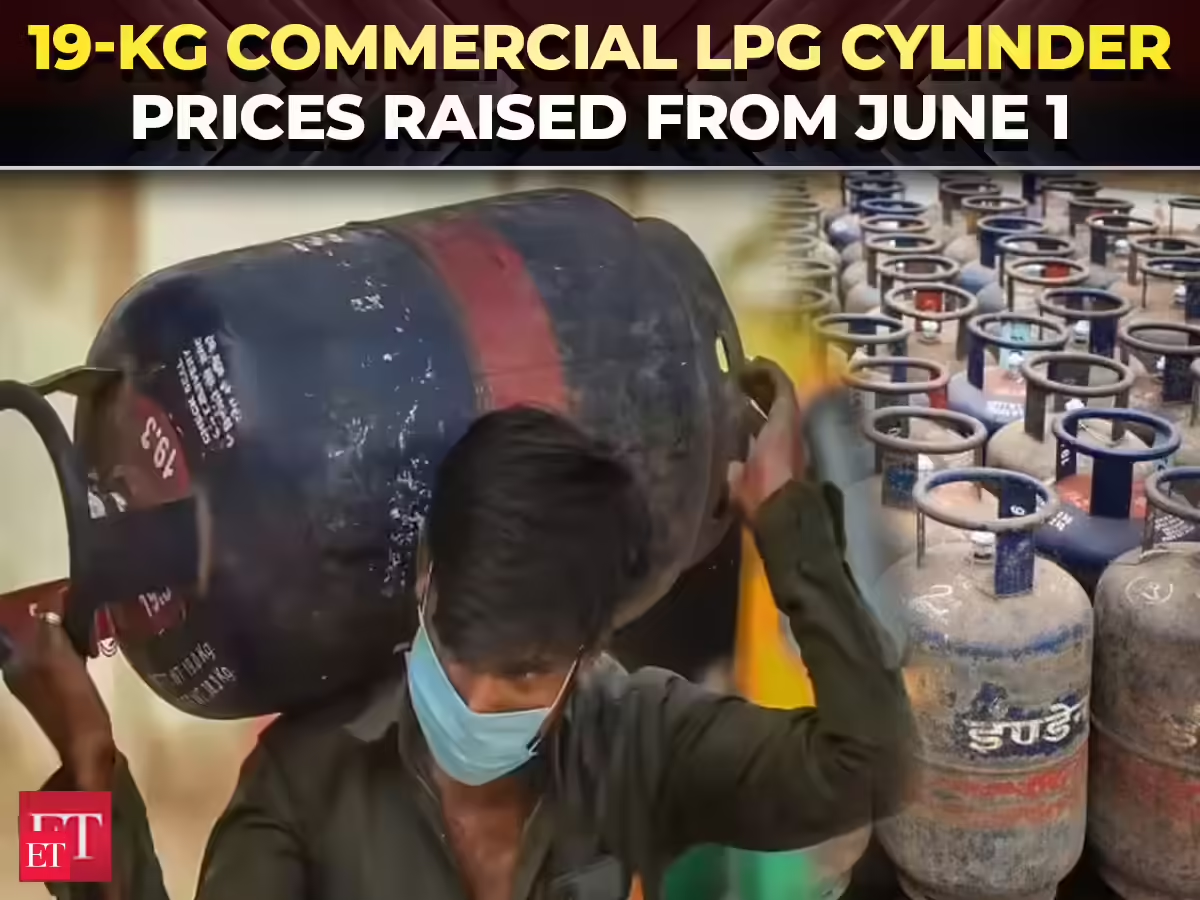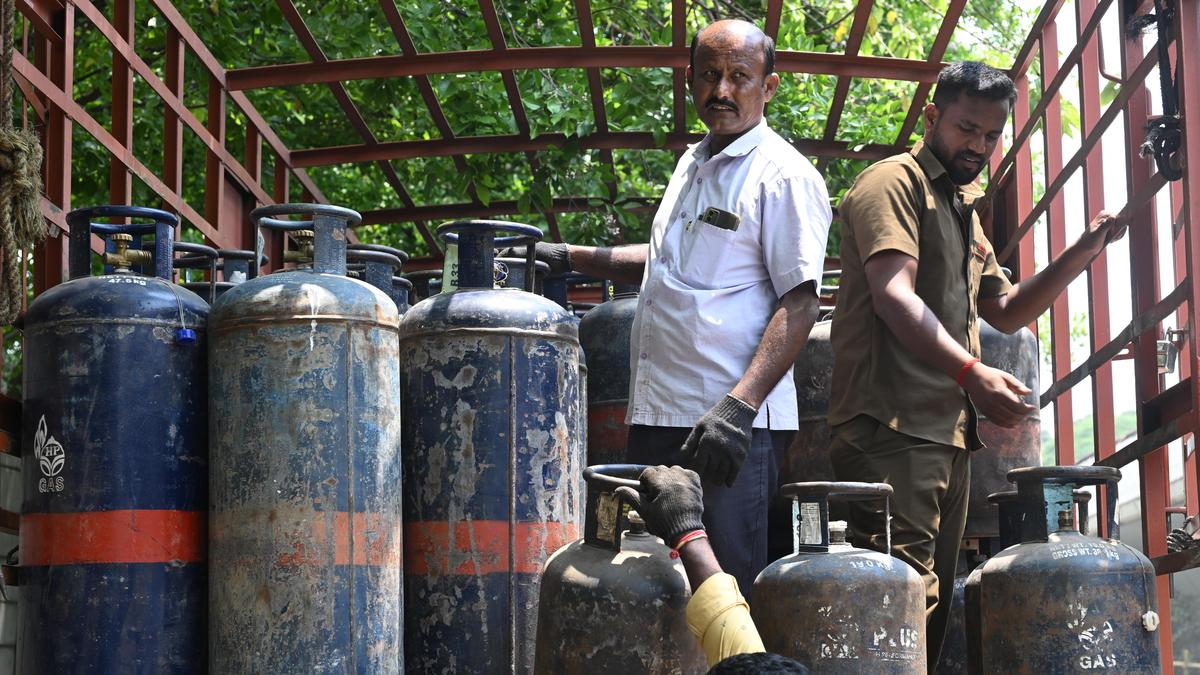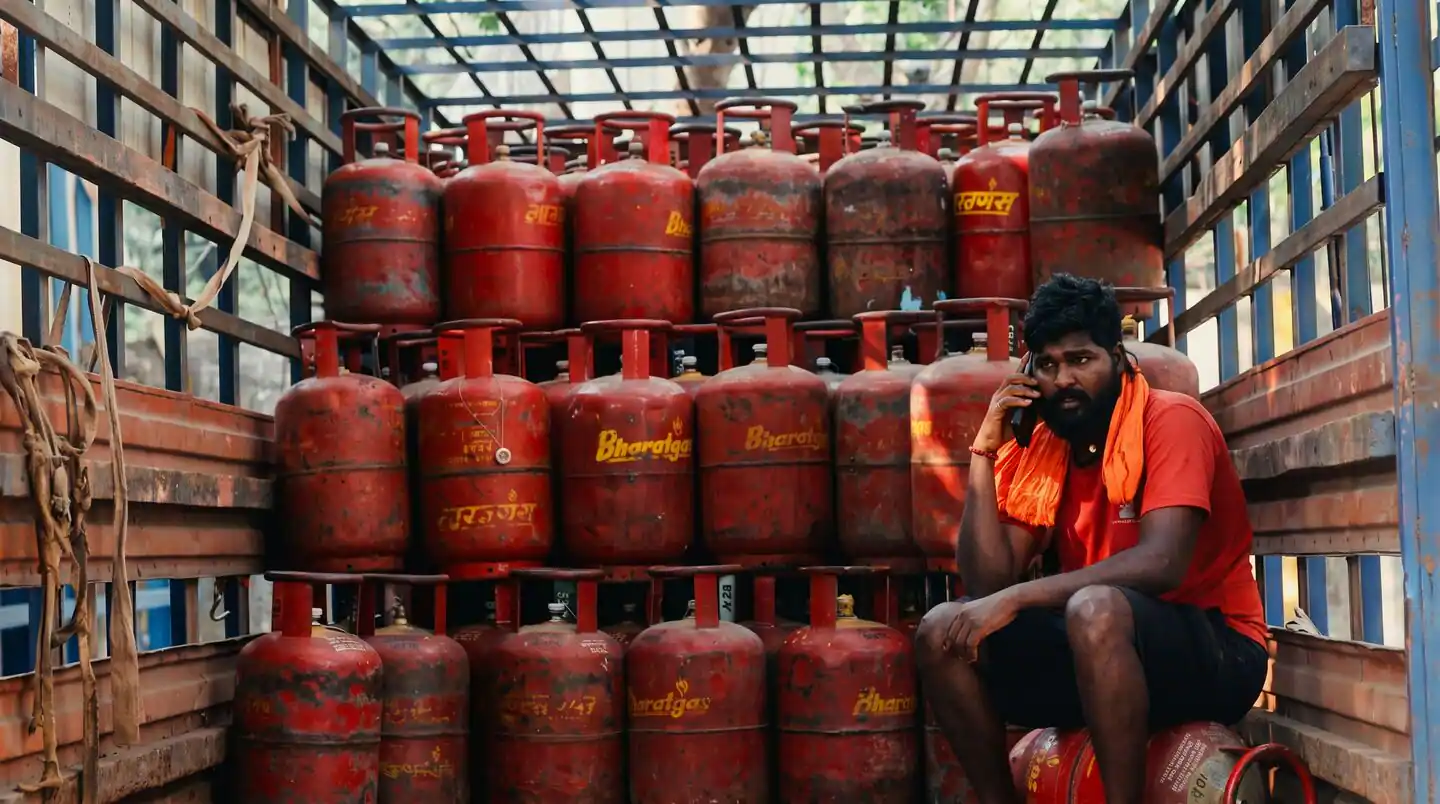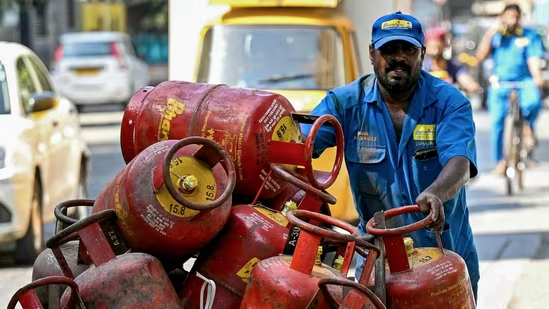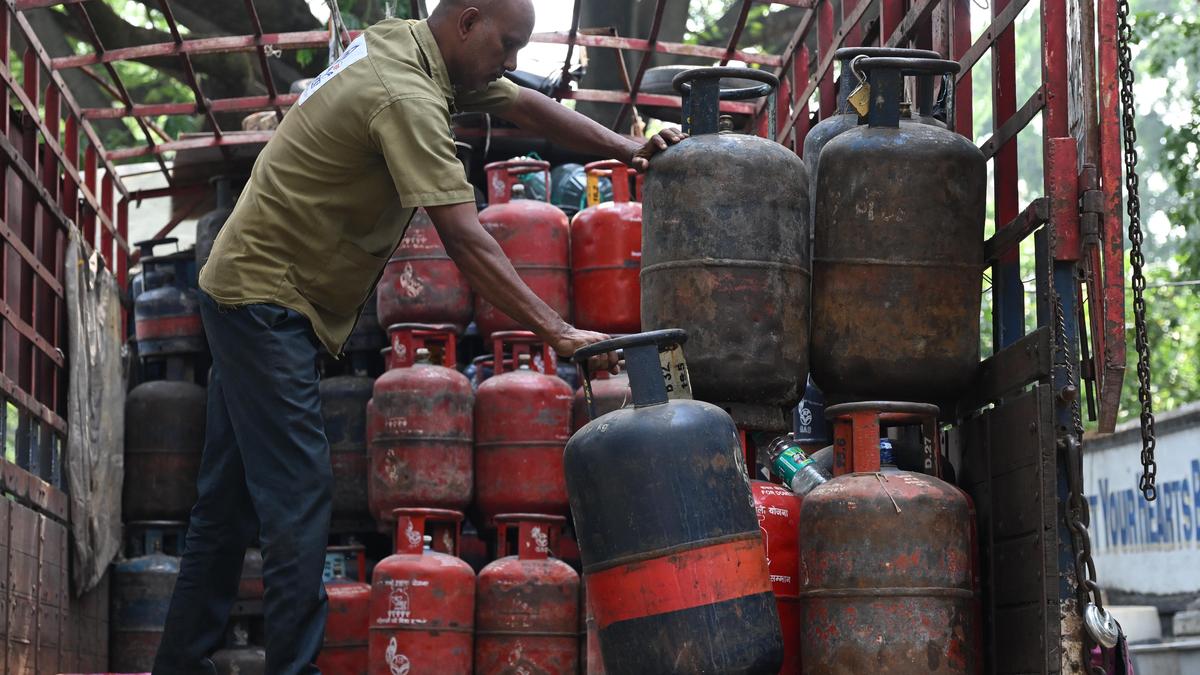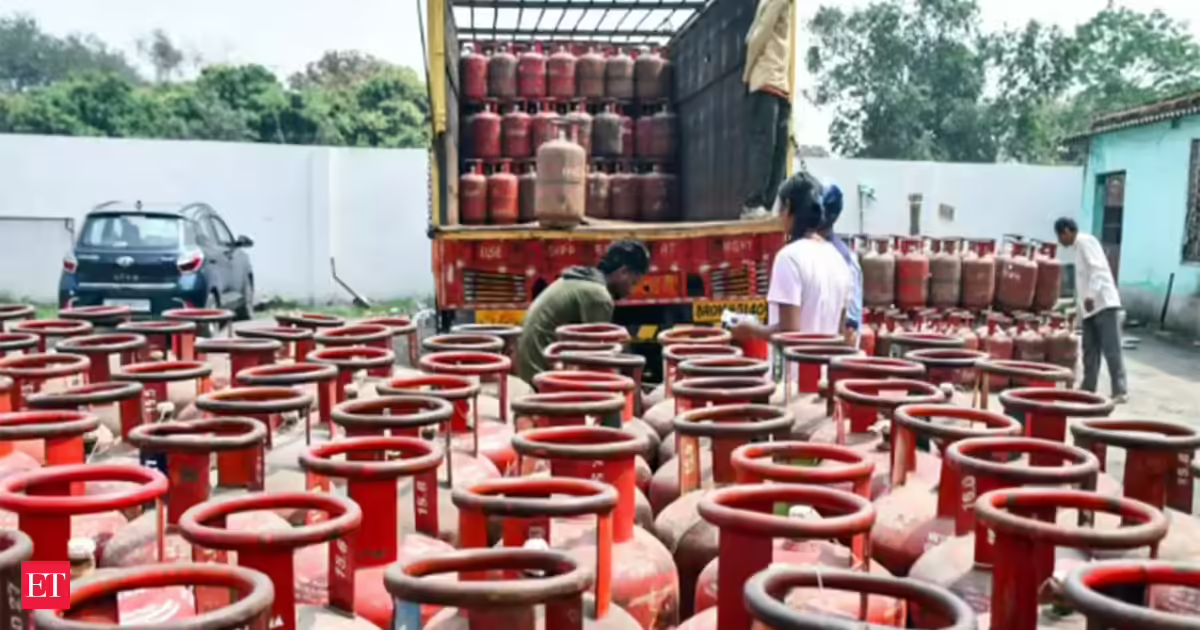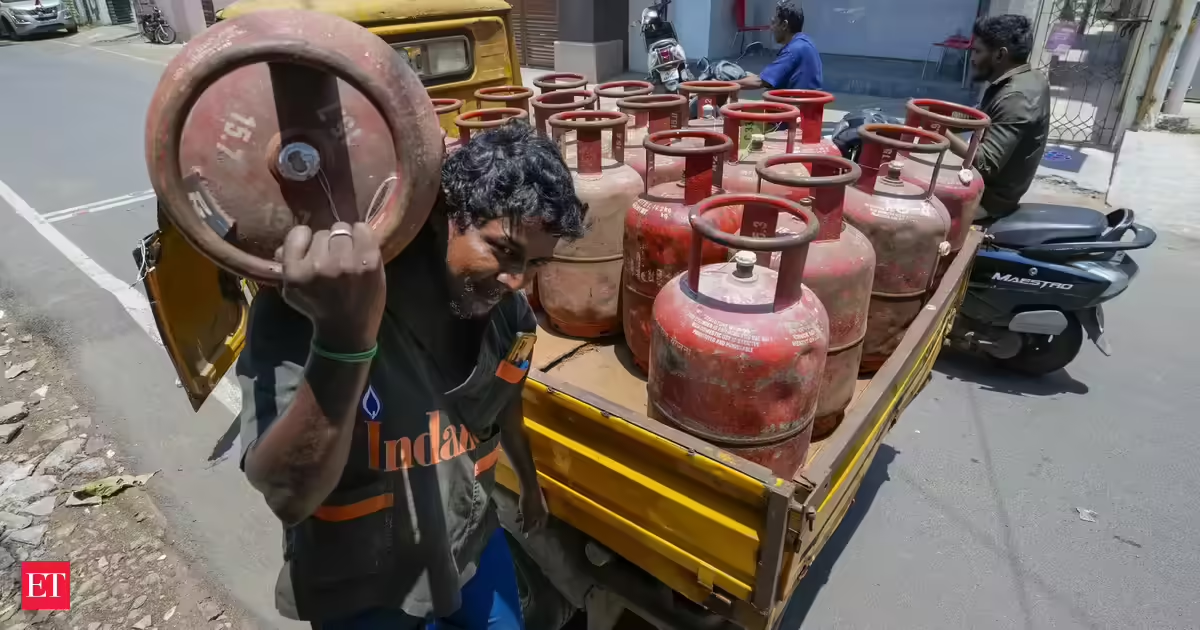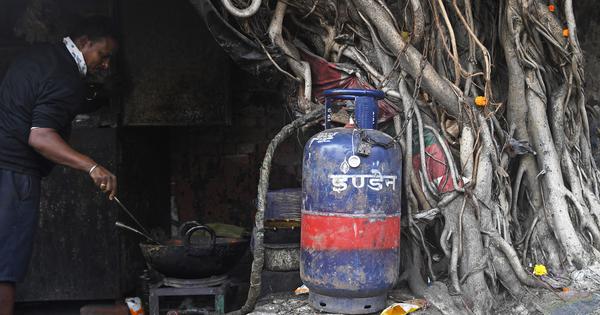
Indian Oil Corporation, the country’s largest state-run refiner and fuel retailer, on Monday raised the price of a 19 kg commercial liquefied petroleum gas cylinder by Rs 42, bringing its cost in Delhi to Rs 3,113.5, Reuters reported.The increase applies to commercial cylinders used by businesses and industrial consumers. Prices of domestic cooking gas cylinders are unchanged.Prices of 5 kg Free Trade LPG cylinders were raised by Rs 11, taking the retail price in Delhi to Rs 821.5, ANI reported.Free Trade 5 kg LPG cylinders are designed for easy purchase without mandatory address proof and are primarily used by migrant populations in urban and semi-urban areas.State-owned Indian Oil Corporation, Bharat Petroleum and Hindustan Petroleum revise LPG and aviation turbine fuel prices on the first day of every month based on international benchmark rates and currency exchange movements. Bharat Petroleum and Hindustan Petroleum generally align their pricing with Indian Oil.The revision came amid a rise in global crude oil prices. Brent crude futures gained more than 2% in early trading on Monday after Israel ordered its military to expand operations in Lebanon against the Iran-backed Hezbollah group despite a ceasefire announced in April, Reuters reported.The price of Brent crude was up by $2.23 to $93.35 a barrel at 7.45 am on Monday. It was $78 a barrel on February 27, a day before the conflict started. The price had reached as high as $114 per barrel on May 4.India imports 88% of its crude oil needs and about half of its natural gas requirement. This mostly comes through the Strait of Hormuz, which has been effectively blocked due to the conflict.The warThe US and Israel launched an attack on Iran on February 28, claiming that Tehran’s action posed an existential threat to Israel. Washington acts as a guarantor of Israel’s security. Iran retaliated by striking Israel and US military bases in the region, targeting major cities in Gulf countries and ships.Tehran also effectively blocked the Strait of Hormuz, the narrow waterway connecting the Gulf to the Arabian Sea, for most international commercial vessels, triggering a global energy crisis.After Washington and Tel Aviv attacked Iran on February 28 and killed Iranian Supreme Leader Ali Khamenei, Hezbollah launched an attack on Israel in retaliation on March 2.The peace talks between Iran and the US held in Islamabad, Pakistan, collapsed on April 12, but the ceasefire that began on April 8 has largely held so far. A separate US-brokered ceasefire between Israel and Lebanon began on April 17.During the ceasefire, Iran has maintained controls on Gulf shipping while the US Navy has sought to blockade Iranian ports.Israel has been claiming that Iran is close to obtaining a nuclear weapon, which could alter the regional security balance. Tehran has long maintained that its nuclear programme is for civilian purposes.Edited by Tanya Srivastava.
Prices of commercial LPG, 5-kg free trade cylinder hiked
The revision came as global crude oil prices rose by more than 2% on Monday amid tensions in West Asia.
TL;DRAI
Indian Oil Corporation raised commercial LPG cylinder prices by Rs 42 (19 kg, now Rs 3,113.5 in Delhi) and 5 kg free-trade cylinders by Rs 11, effective June 1, amid Brent crude climbing to $93.35/barrel driven by Middle East conflict. For energy-intensive operations and fleet/logistics managers in India, this signals sustained input cost pressure as the Strait of Hormuz blockade keeps global supply constrained with no near-term resolution in sight.
467 words~2 min read