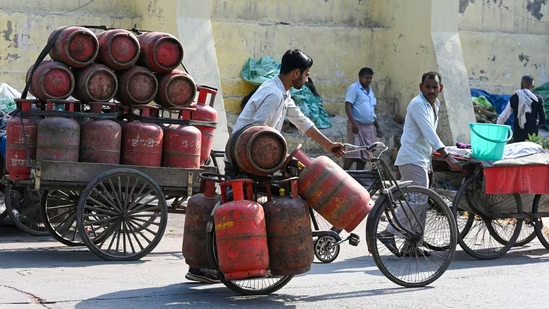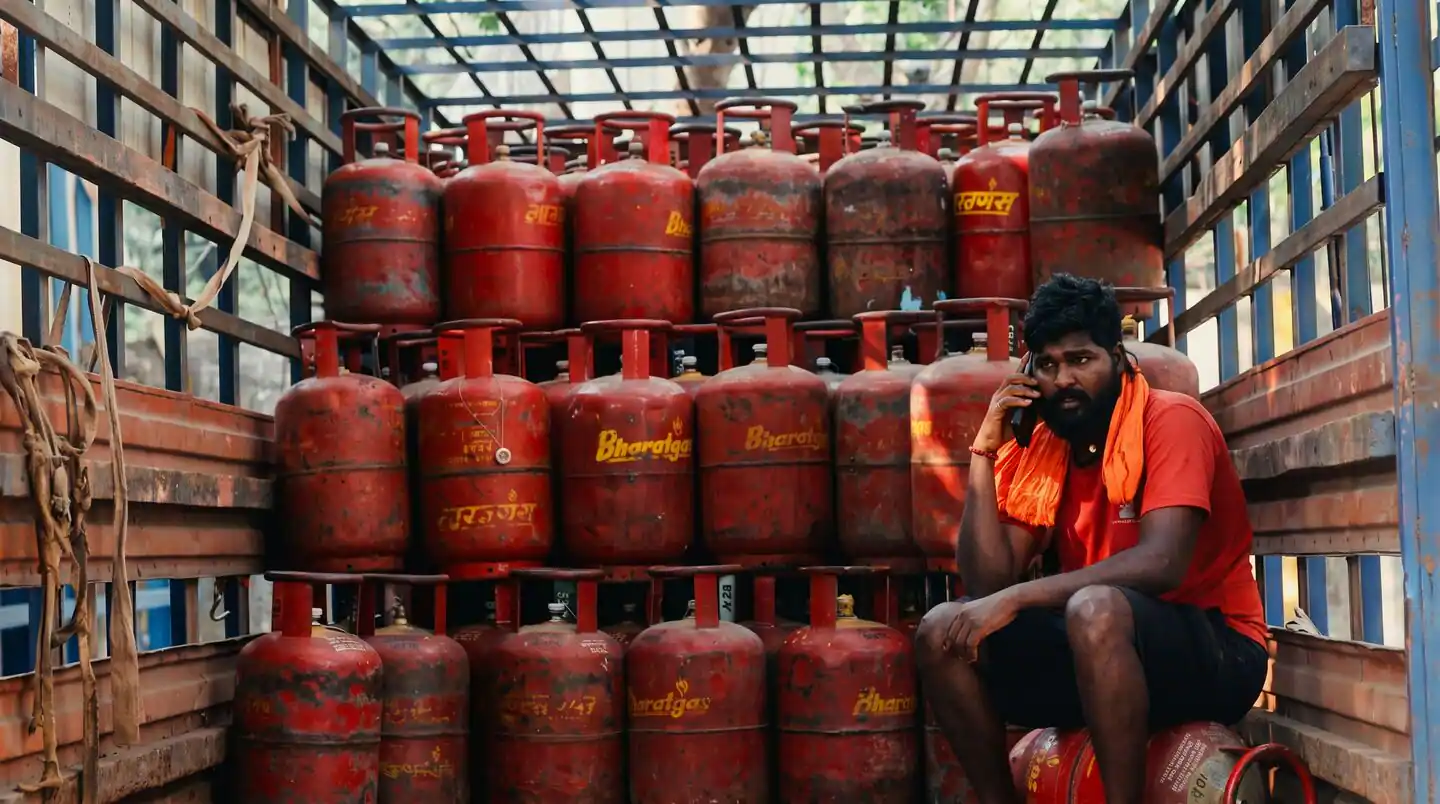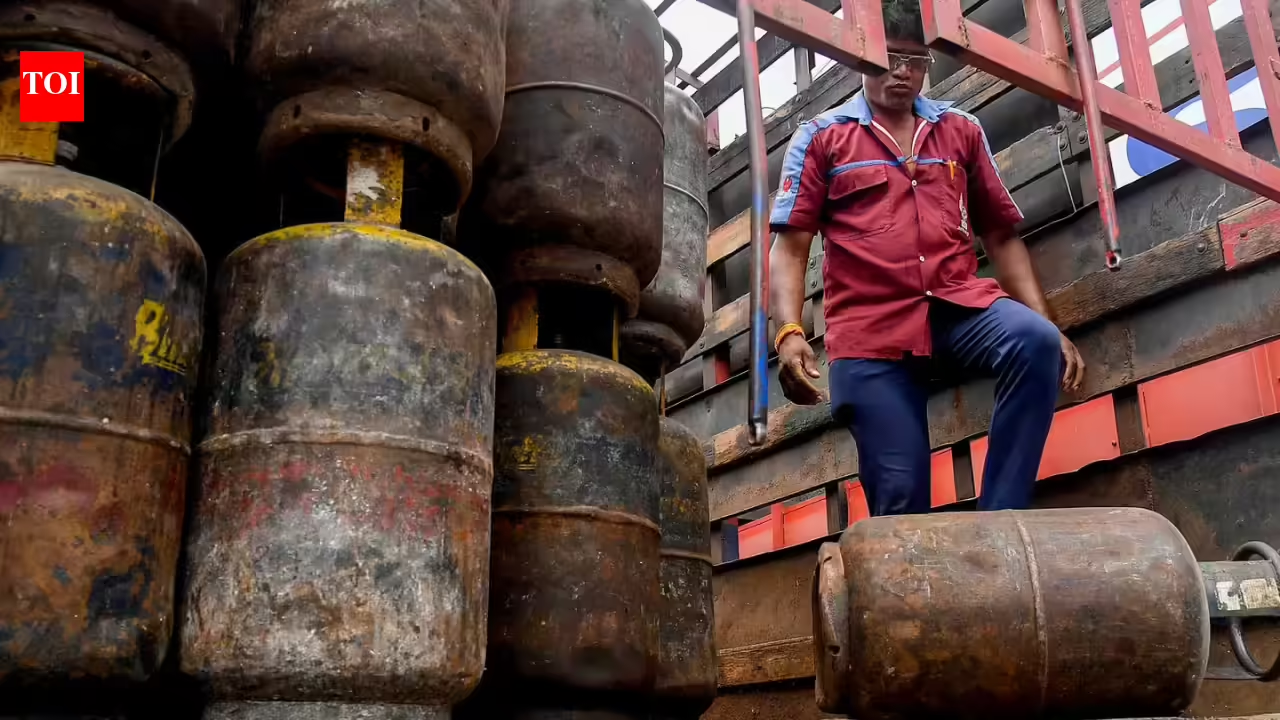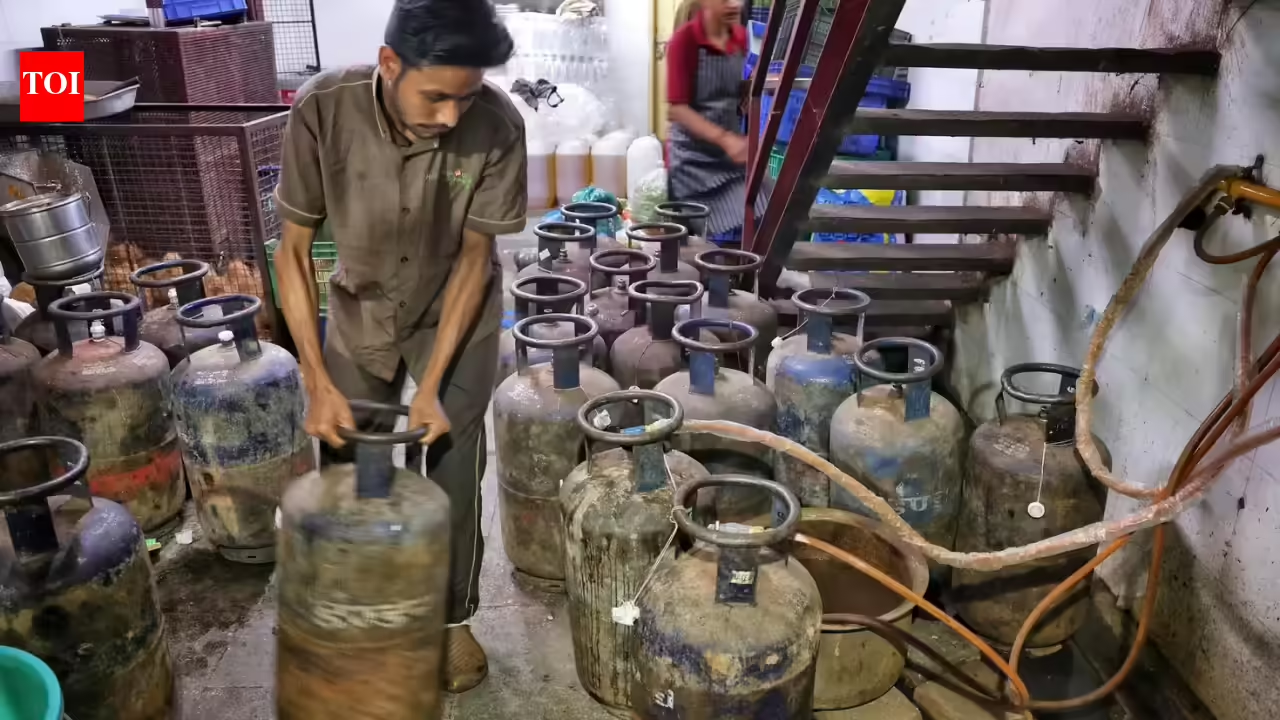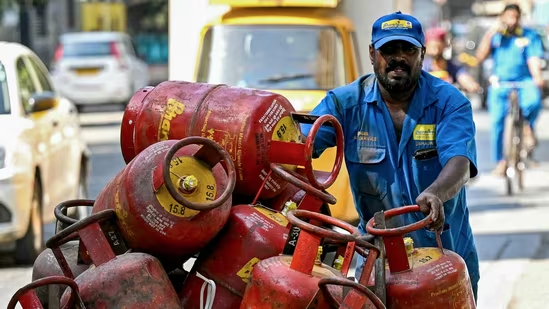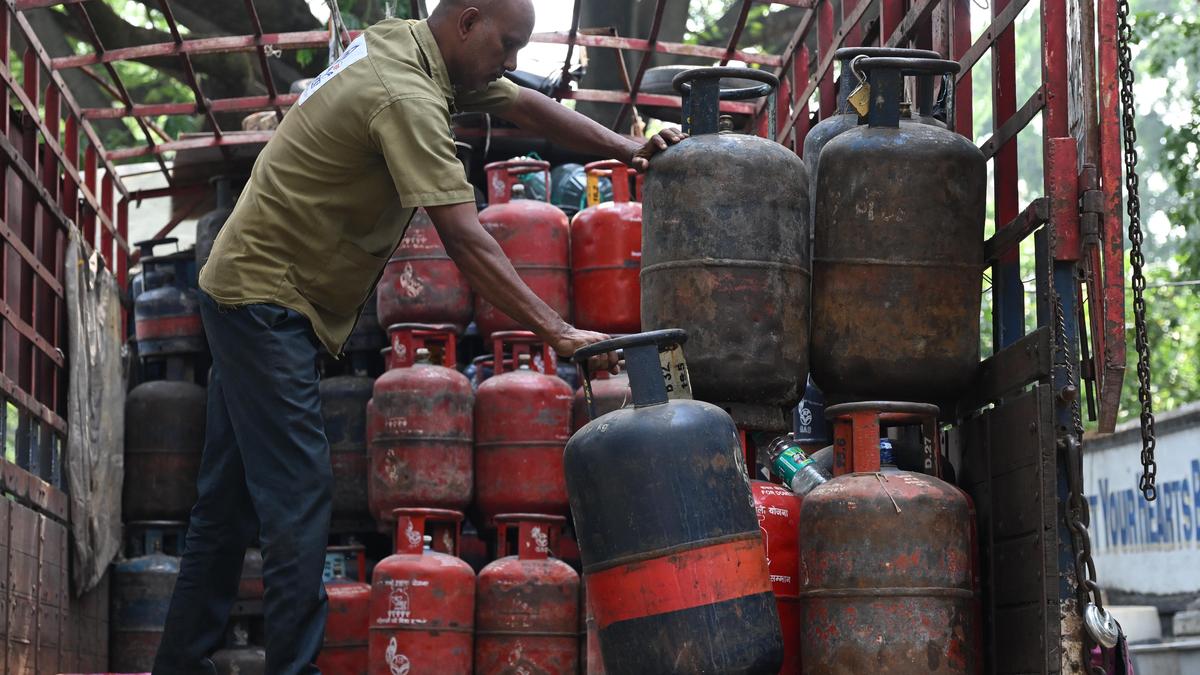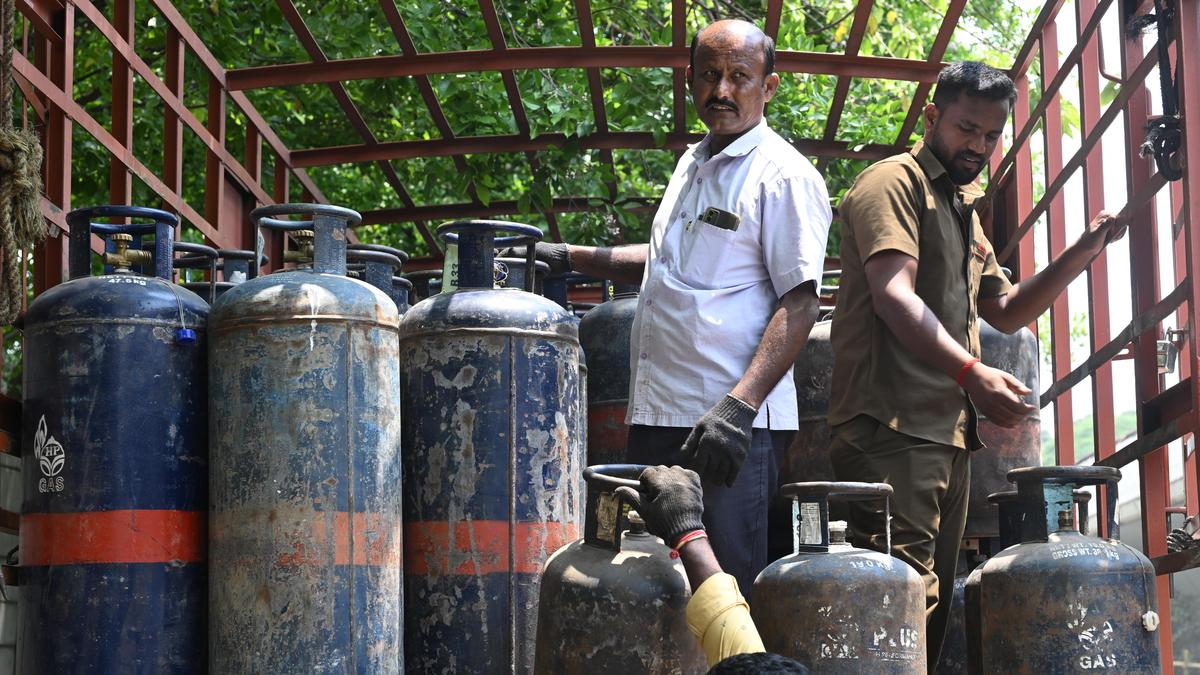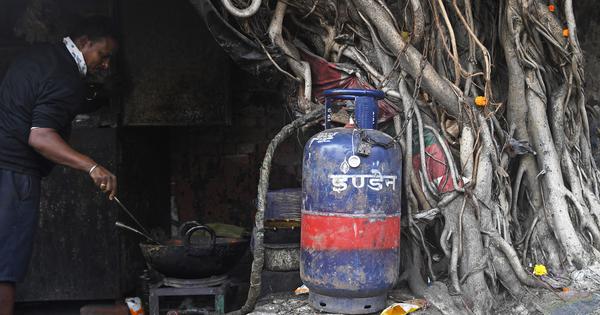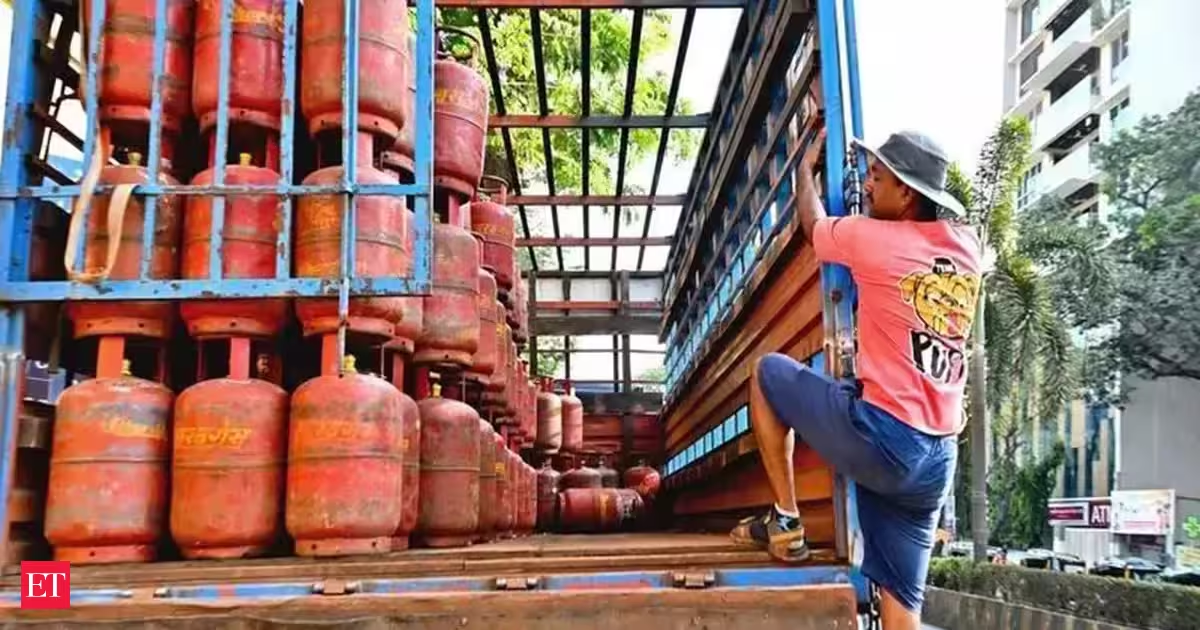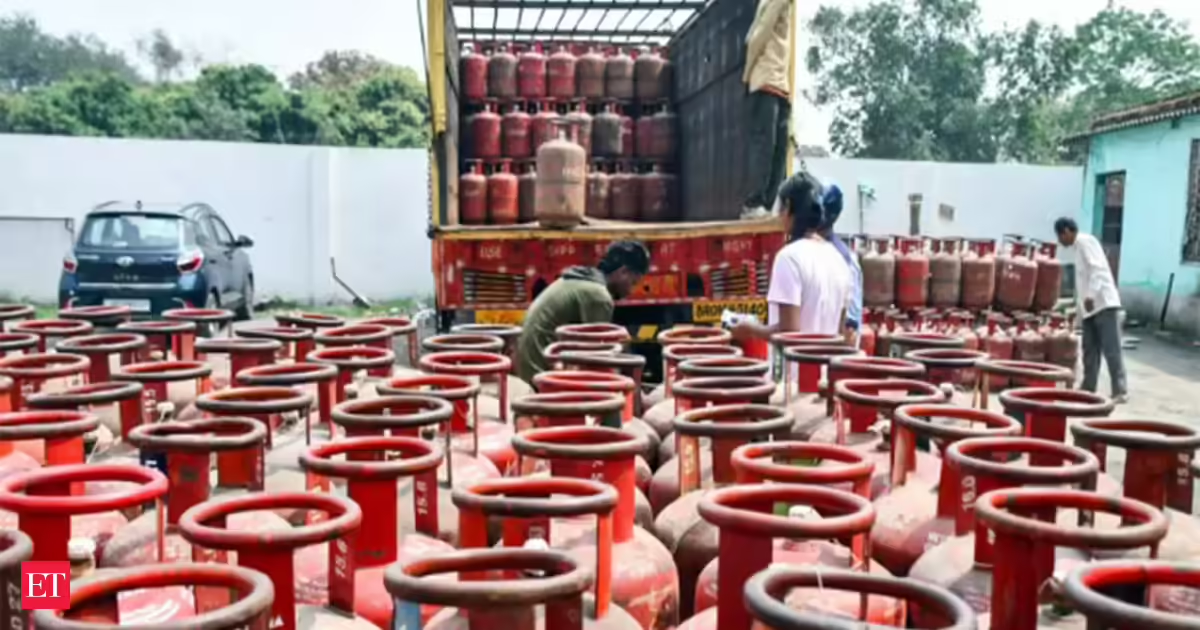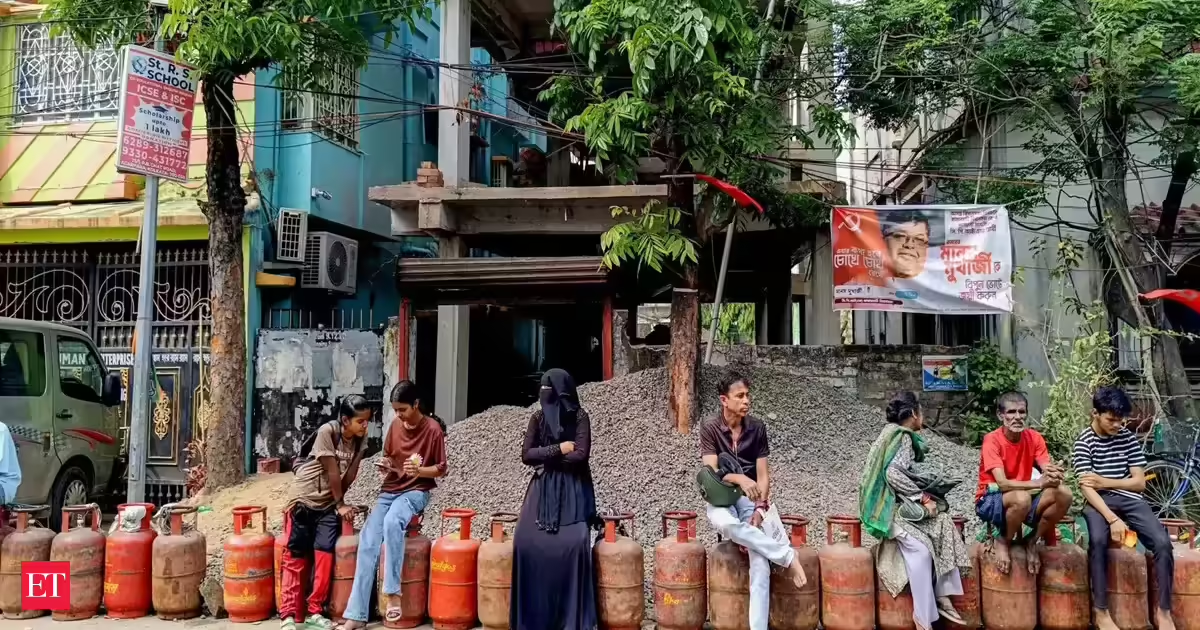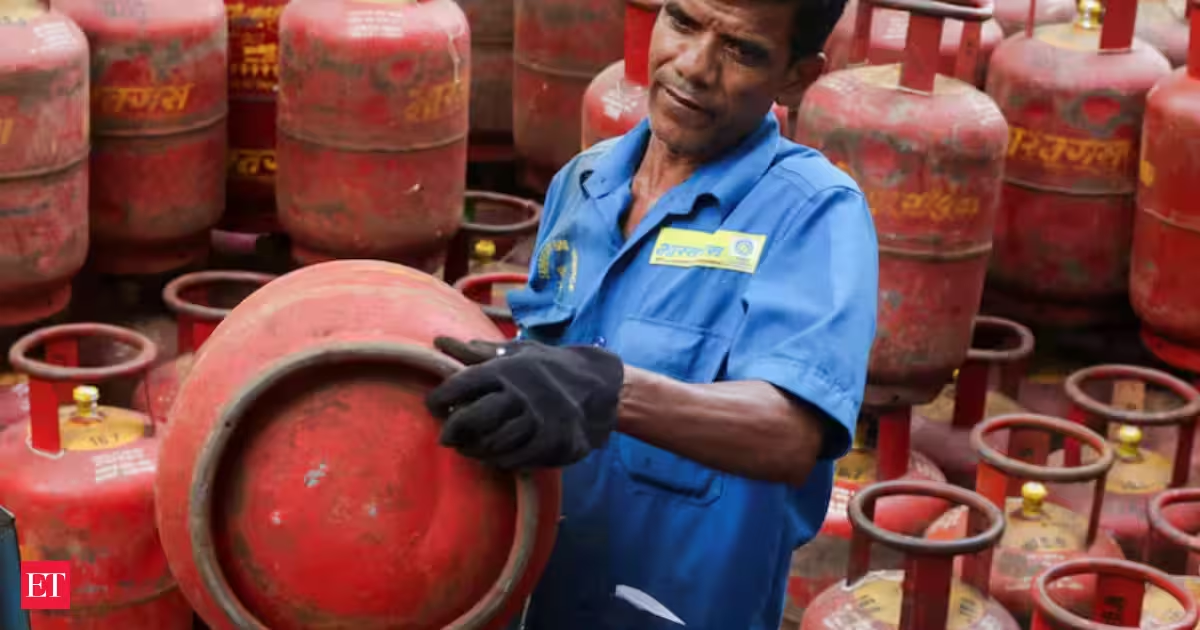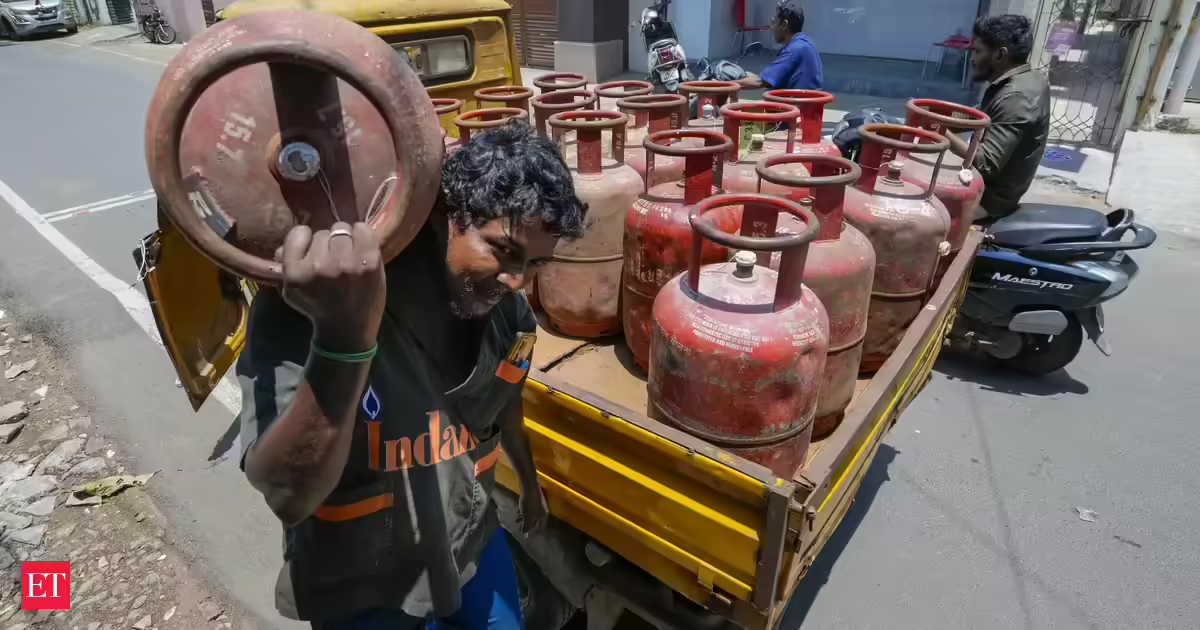
Commercial LPG cylinder prices across were increased by Rs 42 to Rs 53.50 per cylinder today, June 1, 2026 amid concerns over fuel supply security. However, there has been no change in the prices of domestic LPG cylinders in Delhi and other metro cities.ALSO READ: “Why buy a Rs 30,000 AC?”: Man says his Rs 800 DIY roof trick cuts temperature by 15°C in 45°C heatThe price of a 19-kg commercial LPG cylinder in Delhi has been raised by Rs 42, taking the retail price to Rs 3,113.50. In Kolkata, the increase is steeper at Rs 53.50, pushing the price of a commercial cylinder to Rs 3,255.50, according to news agency ANI.The latest hike in commercial LPG cylinder prices comes at a time when businesses are already grappling with rising fuel and transportation costs. Prices of 5-kg Free Trade LPG (FTL) cylinders have also been raised by Rs 11. In Delhi, these cylinders will now cost Rs 821.50. Commercial and Domestic LPG cylinder pricesThe impact is not just seen in Delhi. Commercial LPG prices have risen sharply across major urban centres. In Mumbai, a 19-kg cylinder costs Rs 3,024.50. Chennai has seen prices rise to Rs 3,232. Hyderabad and Patna are among the costliest markets, with prices at Rs 3,294 and Rs 3,322 respectively.CityDomestic LPG (14.2 kg)Commercial LPG (19 kg)Delhi₹913.00₹3,113.50Mumbai₹912.50₹3,067.50Kolkata₹939.00₹3,255.50Chennai₹928.50₹3,283.00Commercial LPG gets costlier: What it means for businessThe latest price hike affects only 19-kg commercial LPG cylinders, widely used by hotels, restaurants, eateries and other businesses. Domestic LPG rates remain unchanged. Commercial LPG prices have risen sharply this year. In Delhi, the cost of a 19-kg cylinder has increased from Rs 1,691.50 in January to Rs 3,113.50 in June.Here's how prices moved over the past few months:February: Up by Rs 49March: Up by Rs 115April: Massive jump of Rs 993May: Prices stayed highJune: Another increase announcedIn just five months, the cost of commercial LPG has nearly doubled, putting additional pressure on businesses that rely heavily on cooking fuel. For restaurants and hotels and eateries, the options are limited — either absorb the higher expenses and see profits shrink, or raise prices for customers.The impact could eventually be felt beyond the hospitality sector. Rising fuel costs often push up the prices of food, services and other goods, adding to inflation and increasing the burden on consumers. With energy markets remaining volatile globally, businesses may have to brace for higher operating costs in the months ahead.Centre pushes for larger LPG reservesThe latest hike comes at a time when the Centre is reviewing India's fuel security strategy after supply disruptions caused by tensions in West Asia highlighted the country's dependence on imported energy. Sujata Sharma, joint secretary in the Ministry of petroleum and Natural Gas on Friday said that the government had directed state-run oil marketing companies to work towards maintaining LPG reserves equivalent to at least 30 days of demand. "Regarding strategic reserves, we are working on the strategic reserves also. We have asked the oil marketing companies to work out that the LPG reserve should be a minimum of 30 days with them and they are working on it," Sharma said during an inter-ministerial briefing.
LPG Cylinder Price Today (June 1): Check domestic gas rates in Delhi, Mumbai, Kolkata, Chennai after commercial rates hiked by Rs 42 in capital
LPG Domestic Cylinder Price today: Commercial LPG cylinder prices saw a significant increase of up to Rs 53.50 on June 1, 2026, impacting businesses like hotels and restaurants. Domestic LPG cylinder prices, however, remain unchanged. This hike, occurring amid concerns over fuel supply security and global energy market volatility, has nearly doubled costs for businesses in just five months.
TL;DRAI
India raised commercial LPG prices by Rs 42–54 on June 1; Delhi's 19-kg cylinder hit Rs 3,113.50, nearly double January's Rs 1,691.50, with domestic rates unchanged. Restaurants and hospitality businesses face direct margin pressure, while a government 30-day strategic reserve mandate signals continued fuel cost volatility ahead.
524 words~2 min read