Get the latest news and updates from Dawn
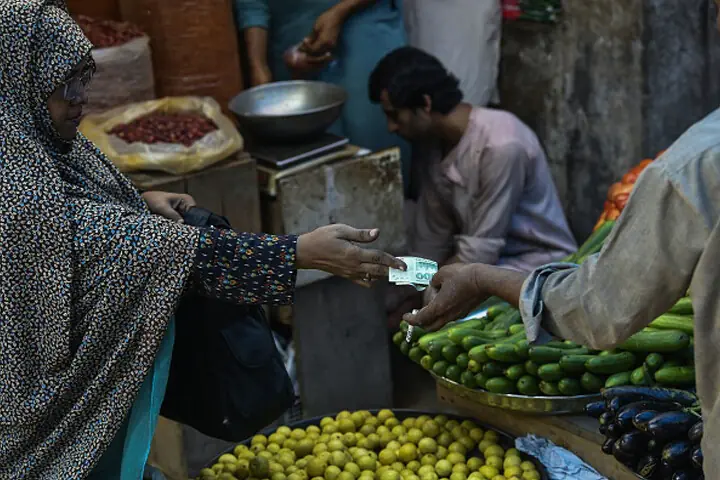
KARACHI: Saima works as a maid in a posh locality in Karachi. She lives in Hijrat Colony. “I used to buy a 1kg gas cylinder for Rs280, now it costs Rs450,” she laments. All her essential expenses have surged. The gallon of salty water she uses for cleaning has gone from Rs20 to Rs70, while a gallon of drinking water now costs Rs120 instead of Rs50.
“They tell me it’s because of higher petrol prices increasing transport costs, but petrol prices have not increased by the same proportion as daily essentials,” she says, puzzled.
Even small treats are now unaffordable. “I used to buy two Rs20 chip packets for each child, but now one packet is Rs50. I can only afford one, so each child gets fewer chips,” she says.
For Pakistan’s lowest-income households, record fuel prices have translated into an inflationary shock. Yet while the poorest households are under immense strain, Pakistan’s deep culture of philanthropy and informal support still offers some cushion in urban centres.