Get the latest news and updates from Dawn
THE world does not suffer from a shortage of institutions. What it suffers from is a weakening respect for the principles that give institutions legitimacy.
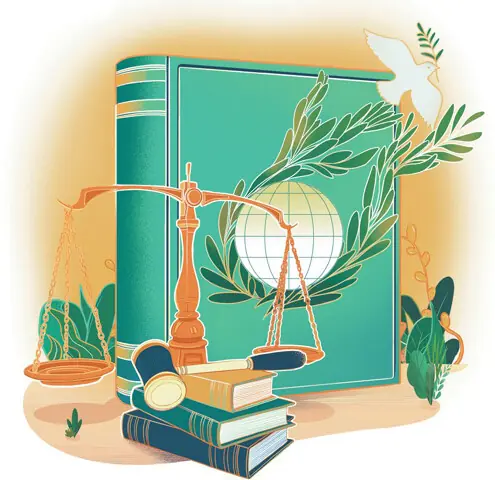
If the foundation on which a building stands is eroded, the structure is at risk. At the centre of the modern international order stands the United Nations Charter. Signed in 1945 after the devastation wreaked by two world wars, the Charter was not merely a diplomatic document drafted at a conference.
It was a civilisational commitment and represented humanity’s collective decision that war should no longer be treated as a normal instrument of national ambition, sovereignty should be protected, disputes should be settled peacefully, and international cooperation should serve the common progress of humanity.
Eight decades later, the authority of the Charter is under severe strain. Armed conflicts continue. Unilateral sanctions are increasingly imposed outside the UN framework. Military interventions are justified through selective interpretations of security. Global governance is divided by bloc politics.