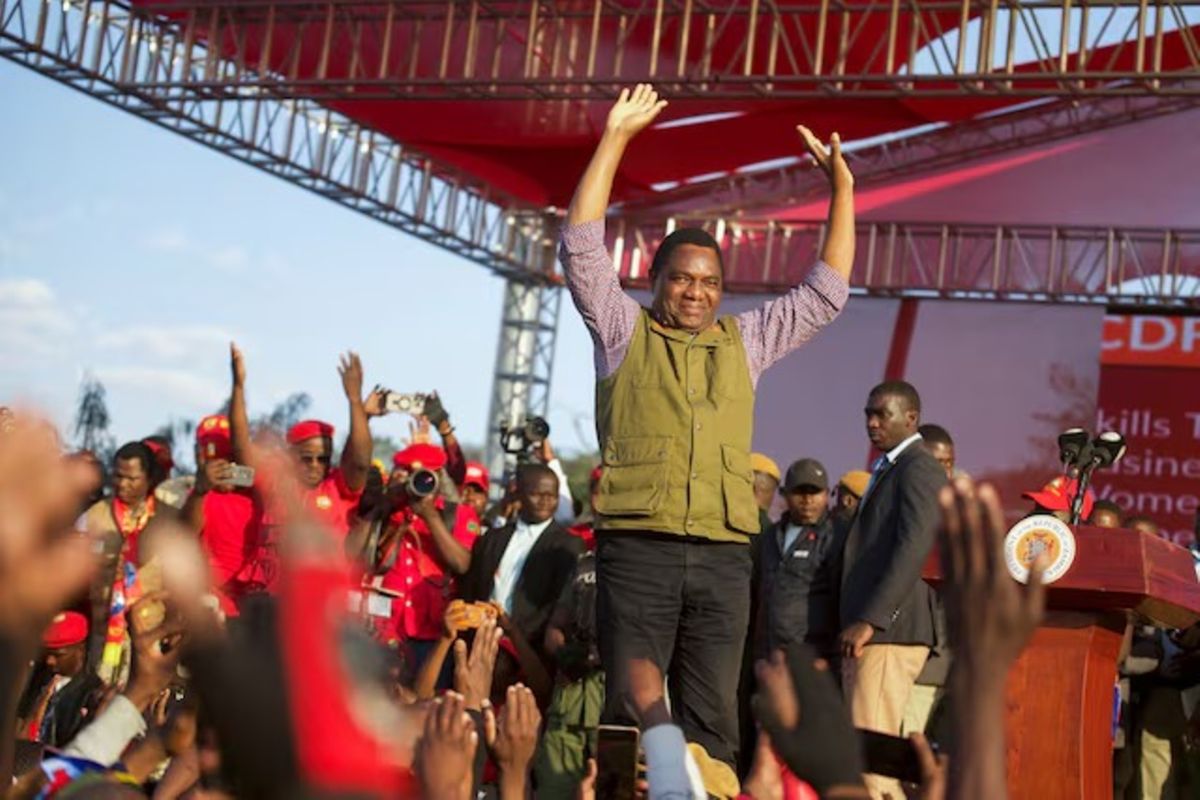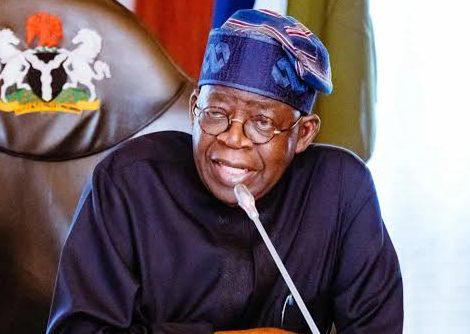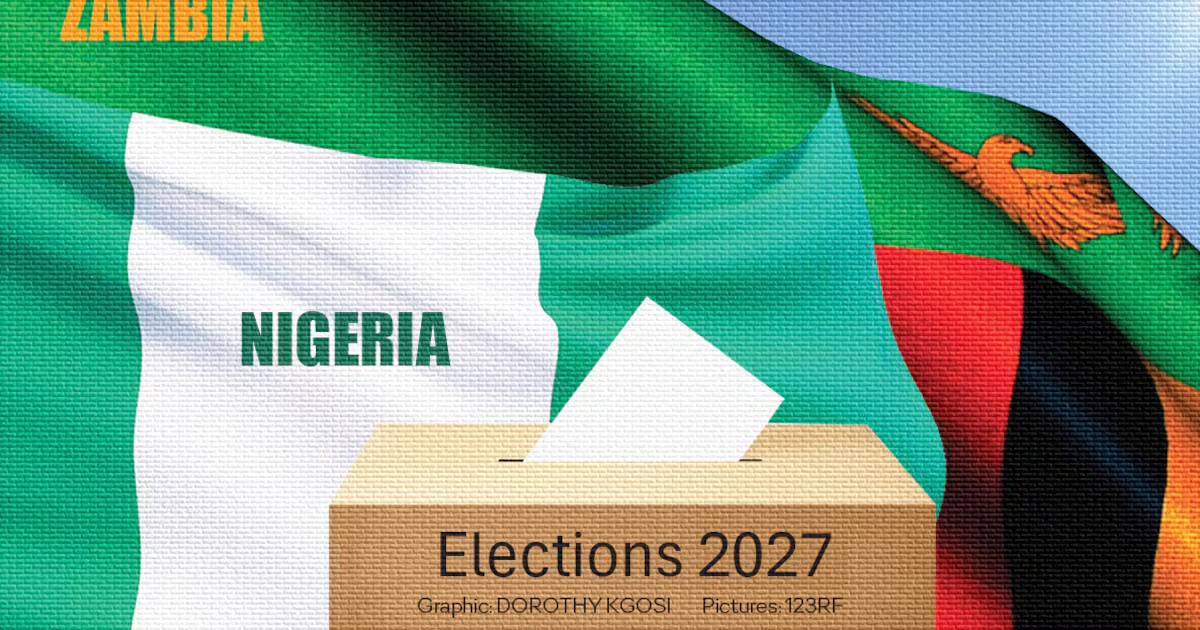
Zambia and Nigeria go to elections in August and January 2027, respectively, after sweeping political and economic reforms by President Hakainde Hichilema and his counterpart, Bola Tinubu. For much of the past decade the two countries have been the poster children for economic mismanagement in Africa. Zambia’s 2020 debt default exposed the vulnerabilities created by years of external borrowing and weak fiscal discipline under Edgar Lungu. Nigeria, meanwhile, entered a prolonged period of macroeconomic drift during Muhammadu Buhari’s presidency, marked by exchange-rate distortions, rising inflation, declining investor confidence and unorthodox policymaking. While both countries were exposed to a difficult external environment, many of their economic pressures were ultimately self-inflicted. Policy inconsistency fuelled capital flight, weakened business confidence and eroded investor appetite. Months before their respective elections both countries are attracting attention, for different reasons. Present administrations have stabilised their economies through aggressive, politically costly changes. Fragmented opposition parties, a more supportive commodity backdrop and expectations of policy continuity have further reinforced investor sentiment. Economies once viewed as largely uninvestable are now renewal stories. The parallels are striking. Under successive Patriotic Front administrations Zambia’s fiscal position deteriorated as debt accumulation accelerated, driven largely by externally financed infrastructure spending and outsized public wage bills. At its peak in 2023 debt exceeded 133% of GDP, according to IMF data. As global financing conditions tightened during the pandemic, the kwacha weakened and debt servicing costs became unsustainable, culminating in default. While both countries were exposed to a difficult external environment, many of their economic pressures were ultimately self-inflicted. Policy inconsistency fuelled capital flight, weakened business confidence and eroded investor appetite. Investor confidence collapsed, shutting Zambia out of international capital markets. Concomitantly, Zambia’s real economy was hampered by the “copper exodus”, which saw major mining houses ― including Glencore, Vedanta, Vale, First Quantum and Barrick ― divest or curtail their operations. Nigeria’s crisis evolved differently but produced similar concerns about policy credibility. The Buhari administration resisted exchange-rate adjustment for years, relying instead on foreign exchange controls, administrative restrictions and multiple exchange-rate windows to manage external pressures. With costly fuel subsidies and weak oil production, the policy framework distorted capital allocation and discouraged investment. Foreign investors reduced exposure to Nigerian assets while domestic businesses faced uncertainty about currency access and pricing. Insecurity and the politicisation of sectors such as agriculture and hydrocarbons impeded productivity. Meanwhile, flawed import substitution and a lack of monetary orthodoxy compounded inflation. In both countries the governments pedalled the same rationale: economic nationalism could deliver larger, faster and more equitable gains for citizens. The elections of Hichilema in Zambia and Tinubu in Nigeria were therefore widely welcomed as a gradual return to policy normalisation. In Zambia, Hichilema prioritised re-engagement with creditors, multilateral institutions and the private sector. The IMF programme anchored macroeconomic adjustment, while debt restructuring negotiations signalled a return to fiscal rebalancing. Equally important was the administration’s effort to restore consistency in mining policy and investor engagement as demand for copper and critical minerals accelerated. The returns have been significant. Though the kwacha has seen a V-shaped rally since Zambia’s peak crisis in 2021, it now sits at 18-19 kwacha to the dollar, a near 17% appreciation and one of Africa’s strongest units against the greenback. Though still in junk territory, Zambia’s sovereign ratings have also been upgraded from default. Furthermore, the copper exodus has flipped to a copper influx, while the Lobito corridor and critical minerals boom have placed it at the forefront of G7 industrial strategy. Established players such as First Quantum, Barrick and Vedanta have collectively committed to more than $3bn in refurbishments and expansions. Meanwhile, new players such as the Emirati International Resource Holding have invested $1.1bn in Mopani Copper Mines. Nigeria’s adjustment under Tinubu has been more abrupt and politically contentious. Early decisions to remove the fuel subsidy and move towards exchange-rate unification addressed two longstanding distortions. The immediate economic costs have been severe, through higher inflation and pressure on household incomes. The pace of reforms has also been stymied by the extent to which the status quo has favoured political elites. Monetary financing sustained a bloated government; currency distortions enriched politically connected black market networks and oil bungling financed local patronage structures. Yet from an investor perspective the reforms altered perceptions of the state’s willingness to implement politically difficult but necessary adjustments. This is reinforced by several indicators. While the naira is still finding equilibrium since the removal of the peg, it has appreciated by as much as 5.2% against the dollar this year. Year-to-date returns for equities have gained more than 60% while yields have compressed by 200-500 basis points. External conditions have also supported the turnaround. Zambia has benefited from renewed global interest in copper and energy-transition minerals. Nigeria has seen improving sentiment linked to recovering oil production and a broader rerating of reform-orientated frontier markets. Commodity tailwinds alone do not explain the shift, but they have reinforced reform trajectories investors increasingly view as credible. Yet, the upcoming elections present a crucial litmus test for Africa’s delinquents-turned-darlings. Hichilema and Tinubu’s reforms are politically vulnerable due to a mismatch in macroeconomic currents and welfare conditions. Though sweeping changes have strengthened financial market indicators and some fundamentals, they have yet to materially improve living standards.In Zambia, households have grappled with electricity tariff increases and prolonged load-shedding linked to climate-induced energy shortages. In Nigeria, inflation has remained above 20% for much of Tinubu’s presidency, with food inflation even higher. There are also concerns about authoritarian creep and political meddling. Hichilema has come under fire for a controversial constitutional amendment process during which he has sought to expand parliamentary seats and revise electoral provisions before the elections. Tinubu has been accused of selective enforcement of anticorruption laws and strong-arming subnational structures, such as the recent Rivers state debacle. The question now is whether Hichilema and Tinubu have garnered sufficient political capital and public goodwill to stave off electoral competition. For Hichilema, this appears a nonfactor. Following the death of his predecessor and the subsequent disarray of the Patriotic Front there is no longer a credible opposition or need to pivot from his agenda. For Tinubu the pathway is less straightforward. A mooted opposition coalition combining three of Nigeria’s largest opposition parties, the People’s Democratic Party (PDP), New Nigeria People’s Party and the African Democratic Congress, threatened to overhaul the majority enjoyed by Tinubu and his All Progressives Congress. Positively for the president, it appears to be collapsing under its own weight though; there is now talk that former president Goodluck Jonathan may stand as flagbearer for the PDP, which could present a more credible challenge. How Tinubu navigates this juncture will be pivotal in determining his electoral viability, longevity and whether markets retain confidence in Nigeria’s reform agenda. The trajectories of Zambia and Nigeria reflect a broader shift under way in several parts of Africa: after years in which resource nationalism, economic heterodoxy and administrative overreach dominated the continent, markets are rewarding governments restoring policy credibility, improving governance and incentivising private sector engagement. Whether reform momentum can be sustained once electoral cycles intensify and conclude will determine if countries consolidate their recovery stories or relapse into uncertainty. • Gopaldas is director and Ndhlovu lead analyst at Signal Risk.
RONAK GOPALDAS AND MENZI NDHLOVU | Can Zambia and Nigeria sustain turnaround momentum before elections?
Countries have stabilised economies through costly measures, attracting investment
1,201 words~5 min read