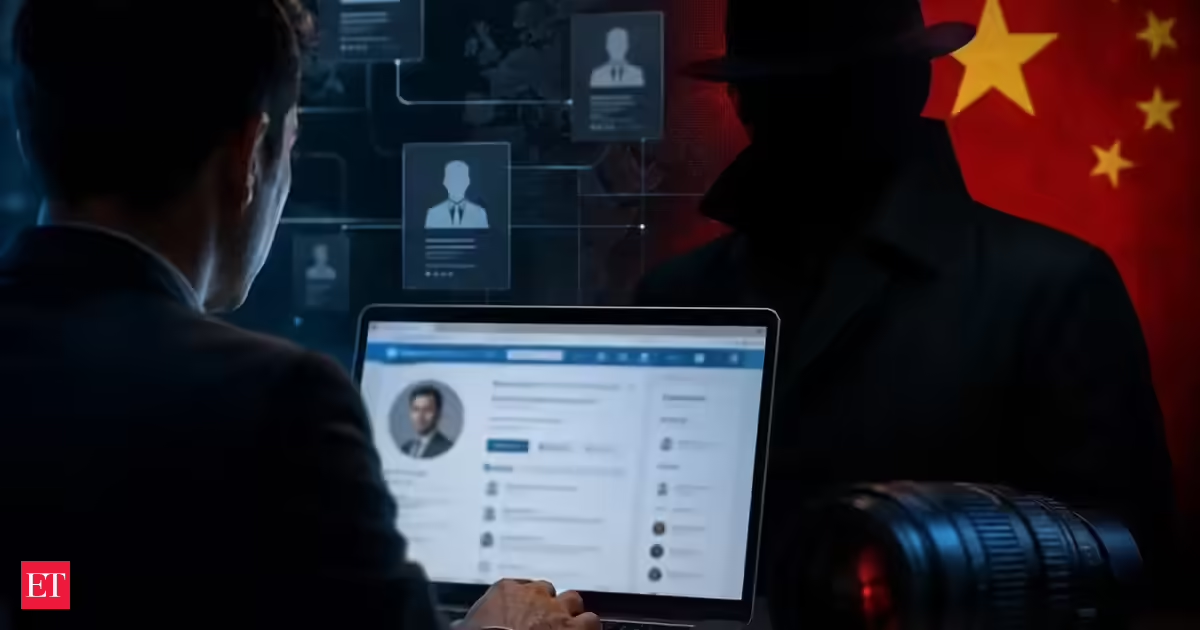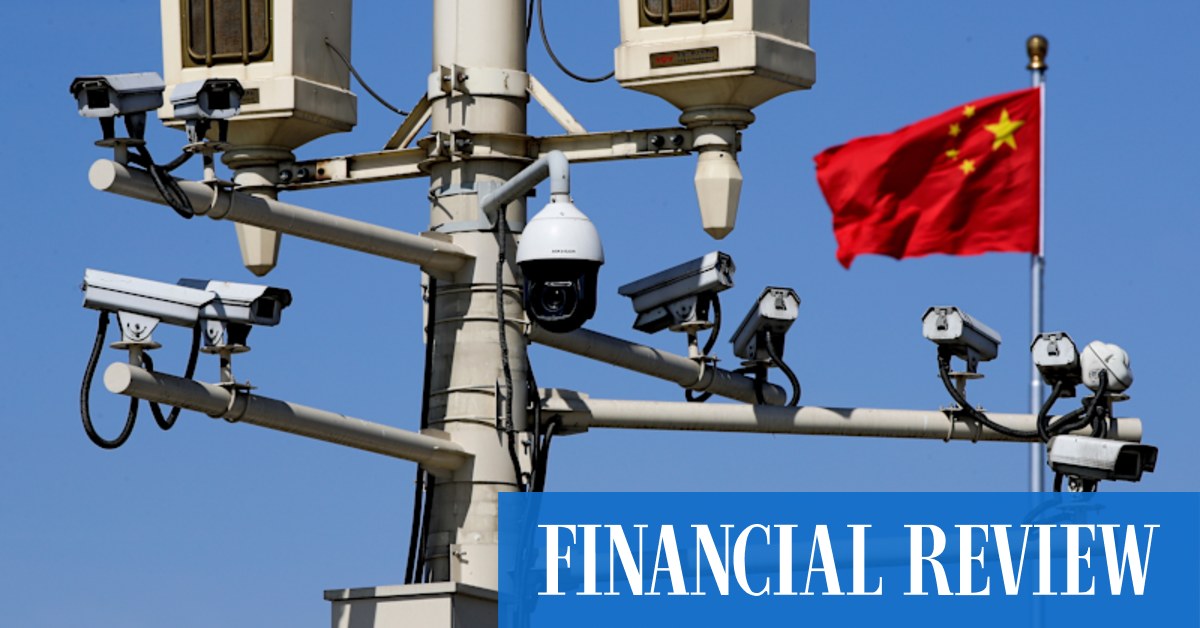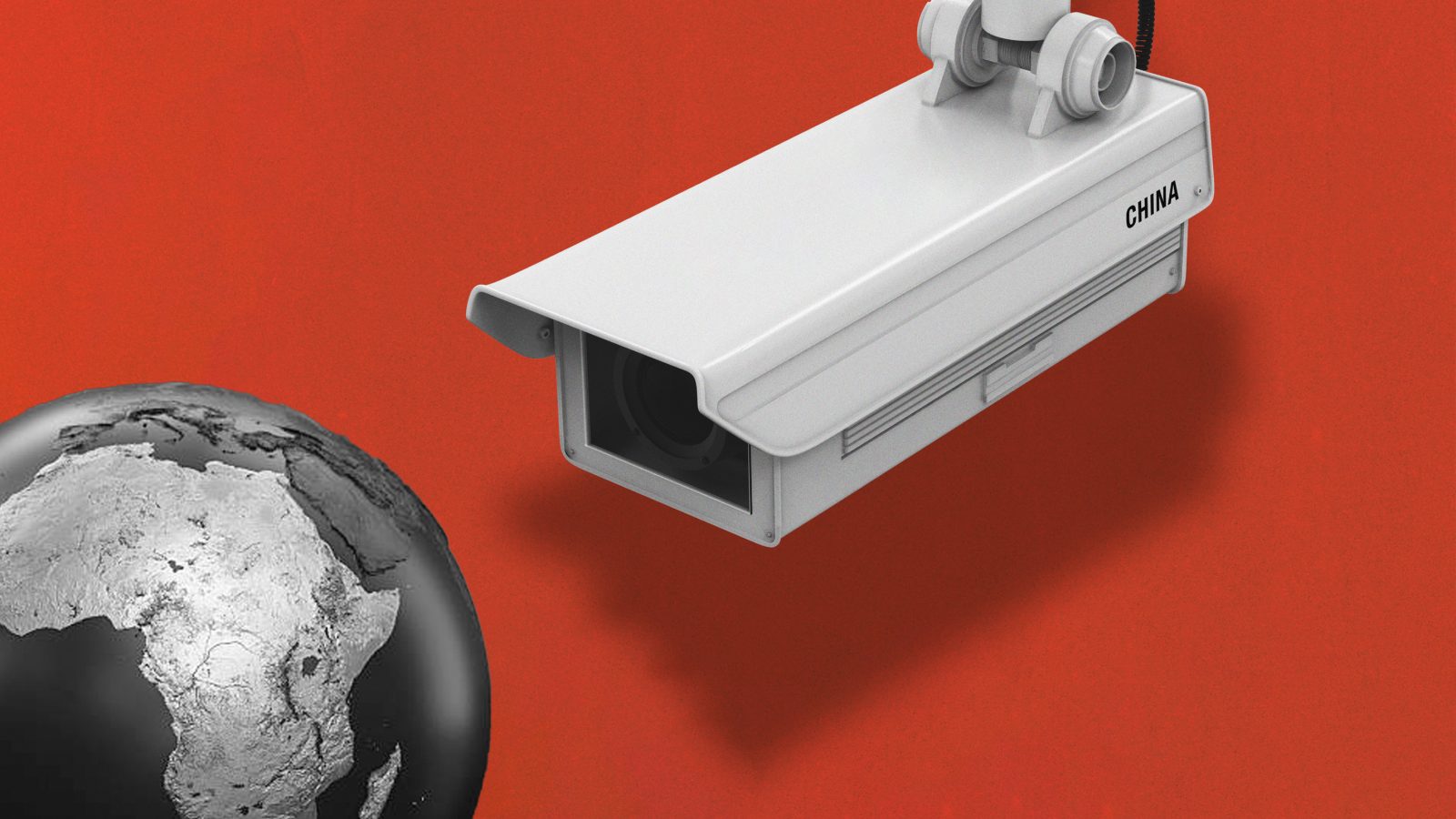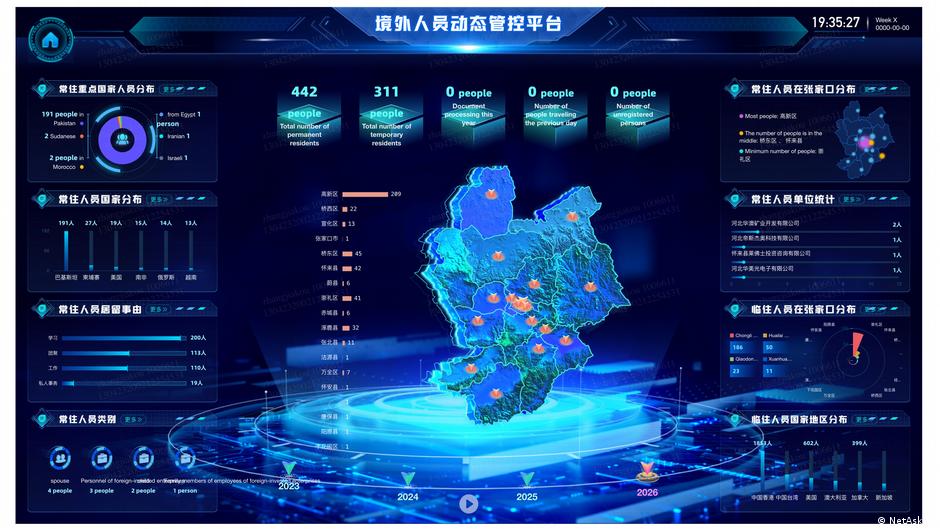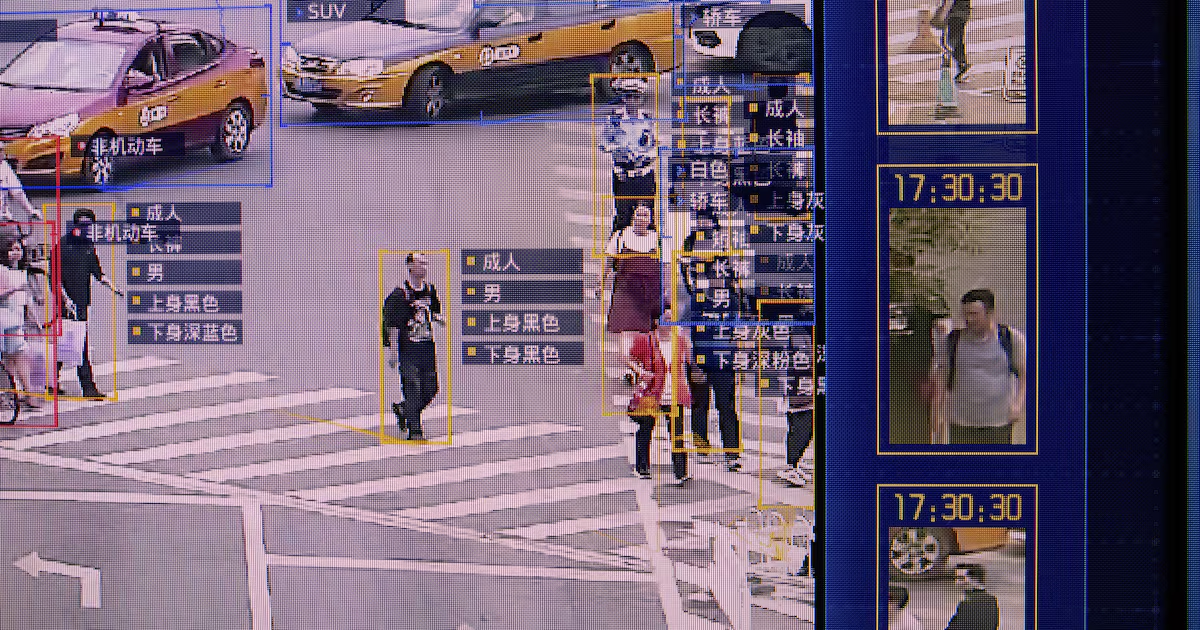
As South African firms deepen ties with the world’s second-largest economy, local executives flying into Beijing or Shanghai are stepping into a digital system they might never be able to leave.Picture a South African multinational nearing the final stages of a Chinese joint-venture negotiation. Months of closed-door meetings have already shaped pricing, expansion plans and the transfer of proprietary technology. These details are known only to a tightly controlled group of executives on both sides. Then, almost imperceptibly at first, the dynamics shift. A domestic Chinese competitor begins to move with unusual foresight, aligning its products and offers in ways that render the joint venture moot. Nothing is ever publicly leaked and no breach is officially confirmed, yet the coincidence is too difficult to ignore. Inside the company, confidence in the process is hollowed out, replaced by a persistent question that no-one can fully answer: how did this happen?The reality is that across sectors, cases such as this have become common. In fact, disclosures by cybersecurity researchers at NetAskari have exposed a highly automated, internet-based intelligence dashboard used by Chinese state security known as the “dynamic control platform for foreigners”.According to investigative reports, this portal operates as a centralised intelligence system where local police and state agents log in to access extensively documented, searchable visual profiles. Rather than just tracking names the platform aggregates fragmented data points to build an instantaneous, real-time “holographic file” on foreign nationals. In an economy where major industries are still dominated by state-owned enterprises and the boundaries between government oversight and commercial operations are frequently blurred, the existence of such comprehensive data sets creates an inescapable environment of informational asymmetry.The data collection starts at the consulate, pulling information directly from entry visa applications ― including passport numbers, digital ID photos and private contact information. Once the executive arrives on the mainland, the platform fuses this static visa data with active, real-time tracking. Every time they pass one of China’s 700-million AI-powered facial recognition cameras, check into a hotel, or buy a high-speed rail ticket, the dashboard instantly updates their physical location.The most alarming aspect for corporates is how this platform processes otherwise inconsequential location data through automated relationship modelling. The system runs algorithms that generate complex network graphs, automatically mapping out who a foreigner spends time with based on how frequently they are caught on camera together.For a team conducting sensitive negotiations, this automated mapping completely erases tactical anonymity:Exposing local partners. If an executive meets privately with a local independent supplier, a tech innovator, or a regulatory consultant to work on a deal, the platform immediately flags and maps that connection.Commercial exploitation. Because Chinese state-backed competitors often maintain cosy relationships with regional security bureaus, this intelligence easily bridges the gap into the commercial sector. By knowing exactly who foreign firms are consulting, state enterprises can anticipate bids, counter-offer joint venture partners or apply regulatory pressure to stall deals.Targeted risk tiering. This digital infrastructure feeds into regional data records that classify foreign visitors into colour-coded risk tiers. An executive pushing for strict intellectual property protections or unfavourable terms could quickly find themselves flagged for heightened surveillance.Protecting corporate data can no longer be relegated to a standard VPN. When executives travel to China, they must accept that their physical movements, associations and digital footprints will be thoroughly scrutinised. In this system, where algorithms can map relationships, infer intentions and identify emerging alliances from seemingly innocuous data points, competitive advantage is no longer protected by “closed doors” or “confidential agendas”.For South African executives, the challenge is not simply guarding information. They must also contend with a country where state intelligence, political influence, and collusive forces intersect. In an environment of pervasive surveillance, privacy is no longer a right you can rely on. It is an operational capability that must be actively built, protected and adapted.• Kajee is a lecturer at Southern Utah University, a nonresident research fellow at the Korea Institute for Maritime Strategy, and a researcher for the SeaLight maritime transparency initiative at Stanford University’s Gordian Knot Centre for National Security Innovation.
JUN KAJEE | AI spy in the boardroom: how China collects SA corporate secrets
SA firms face state surveillance that aggregates personal and professional data
675 words~3 min read