June 1, 2026 | 09:40 am
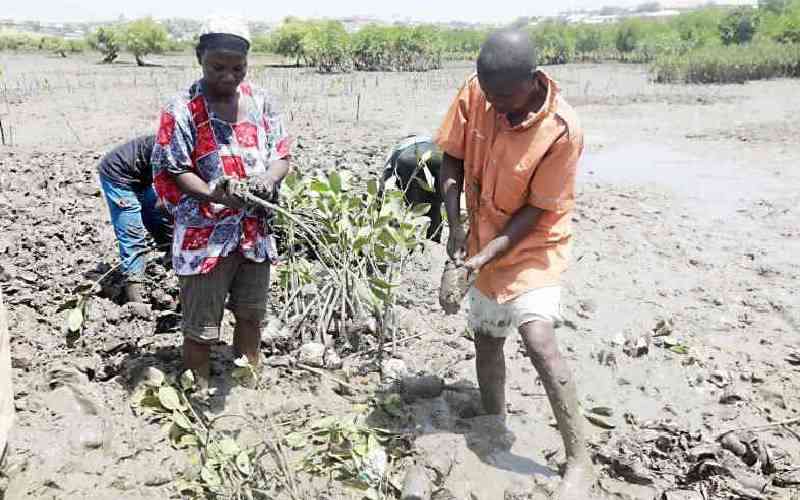
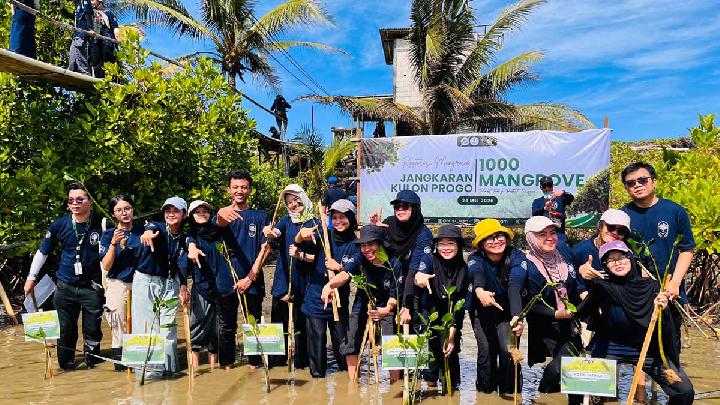
TEMPO.CO, Jakarta - A total of one thousand mangrove seedlings were planted in the coastal area of Jangkaran, Kulon Progo Regency, Special Region of Yogyakarta, on Saturday, May 24, 2026, as part of an environmental restoration initiative involving hundreds of students, schoolchildren, communities, and local residents.The event titled 'Plant Today, Protect Tomorrow' was attended by around 250 participants who directly went to the coastal area to plant mangroves, a plant that plays a crucial role in maintaining the balance of the coastal ecosystem.Mangroves are known as one of the natural coastal barriers effective in resisting abrasion, dampening wave energy, and absorbing blue carbon that contributes to climate change mitigation. This vegetation also serves as a vital habitat for various biota that support the sustainability of the coastal ecosystem.The General Chairperson of the Postgraduate Student Association at Gadjah Mada University (UGM), Norol Latifah, stated that mangrove planting is part of the effort to build collective awareness of the importance of preserving the environment amid the increasingly apparent climate crisis."Preserving the environment cannot be done alone. It requires collaboration from all elements of society so that conservation efforts can have a long-term impact," said Norol on Sunday, May 31, 2026.According to her, conservation actions in coastal areas are a simple step that can bring significant benefits to future generations if carried out sustainably and accompanied by proper care.The Deputy Regent of Kulon Progo, Ambar Purwoko, appreciated the involvement of various elements of society in preserving the coastal area. He viewed mangrove planting activities as a concrete step to strengthen the coastal environment's resilience against ecological damage."I would like to express my gratitude for the concern and support of all parties in preserving nature. Hopefully, the Indonesian environment remains preserved and increasingly sustainable," he said.For the residents of Jangkaran, this restoration effort brings hope for the future of Kulon Progo's coast. Warso, one of the local residents, hopes the planted mangroves will grow well and benefit the environment and the surrounding community.The planting of 1,000 mangroves is part of the effort to restore the coastal ecosystem, not only to reduce the risk of abrasion but also to strengthen public awareness that environmental conservation requires collective involvement and long-term commitment.Read: Bengkalis Mangroves in Riau Seen as Nature-Based SolutionClick here to get the latest news updates from Tempo on Google News