Get the latest news and updates from Dawn
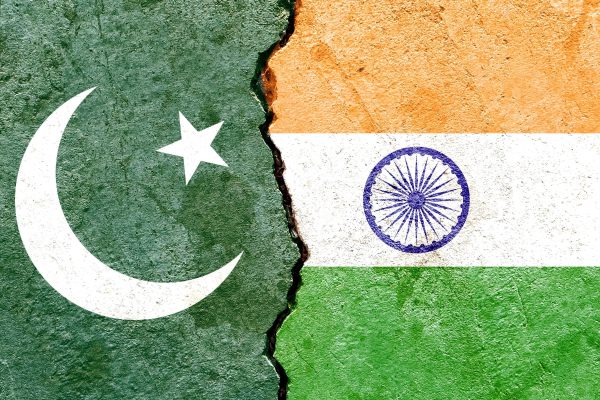
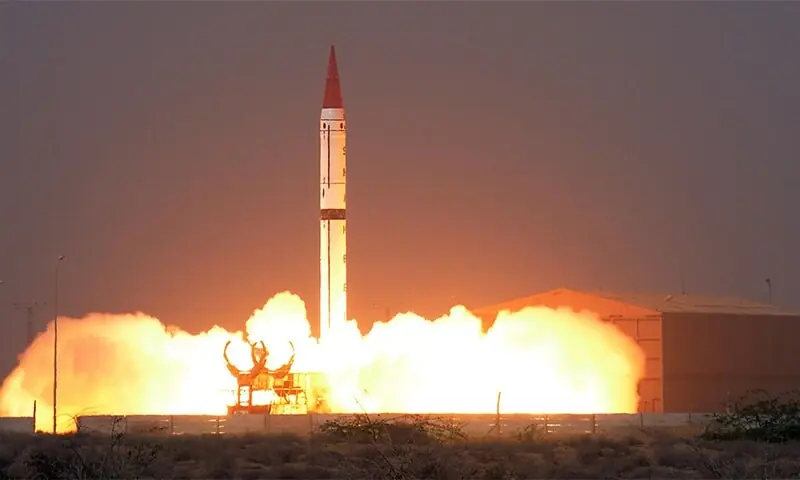
TWENTY-eight years after the nuclear tests at Chagai, the strategic environment in South Asia has shifted dramatically.
The assumptions that shaped Pakistan’s deterrence posture in 1998, and the paradigm shift from ‘Credible Minimum Deterrence’ to ‘Full-Spectrum Deterrence’, were rooted in visions of a conventional invasion, mass mobilisation and large-scale armoured thrusts across the border.
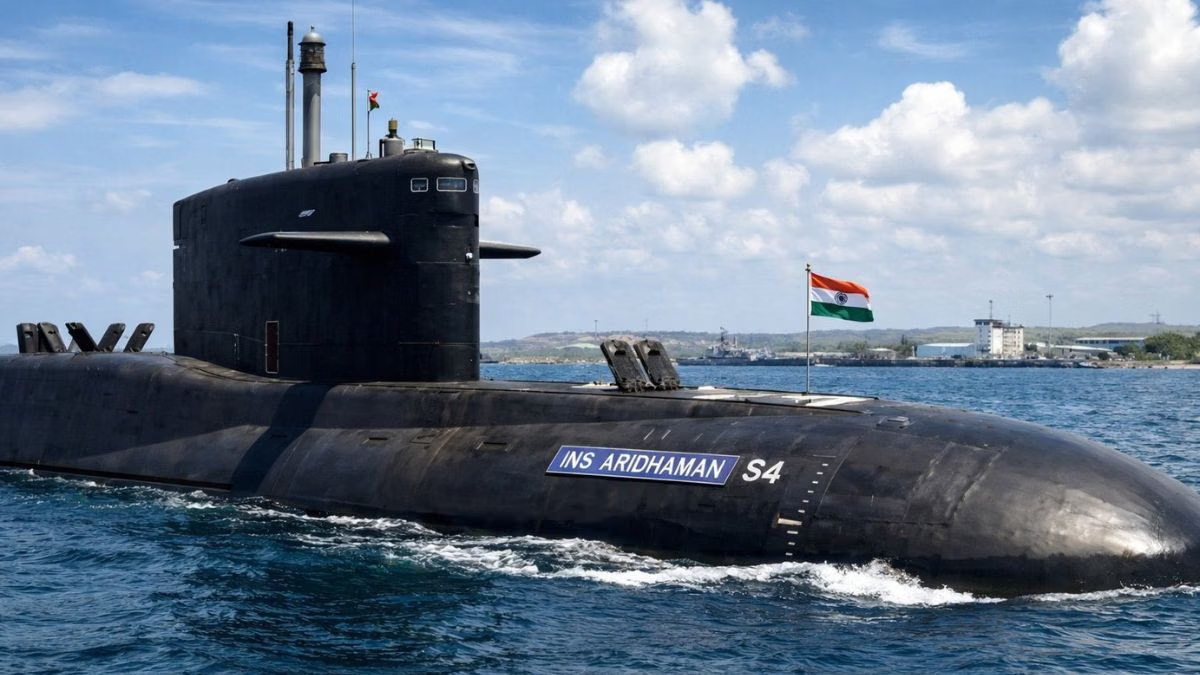
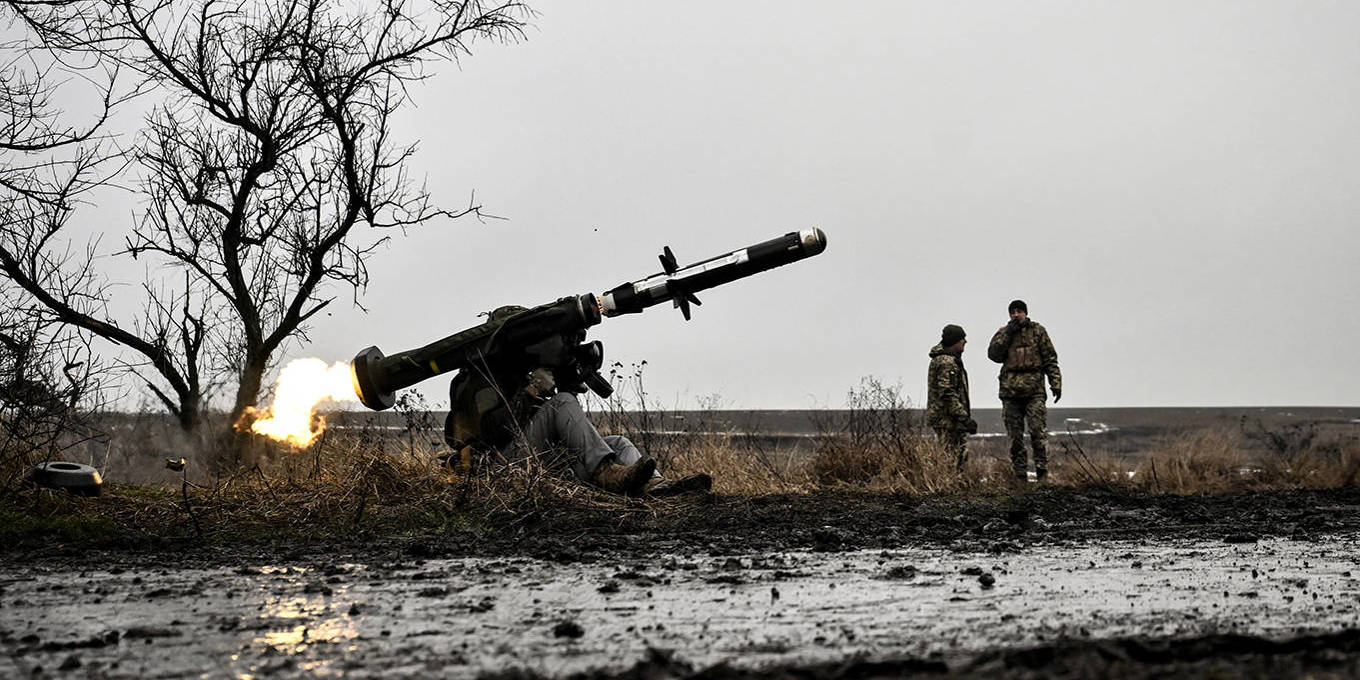
In contrast, the modern battlefield looks very different today. The war in Ukraine, the Azerbaijan-Armenia conflict, the Iran-US/Israel war and — most importantly for Pakistan — the May 2025 India-Pakistan conflict, have demonstrated how precision missiles, armed drones, electronic warfare, satellite enabled surveillance and integrated air defence systems are reshaping escalation dynamics.
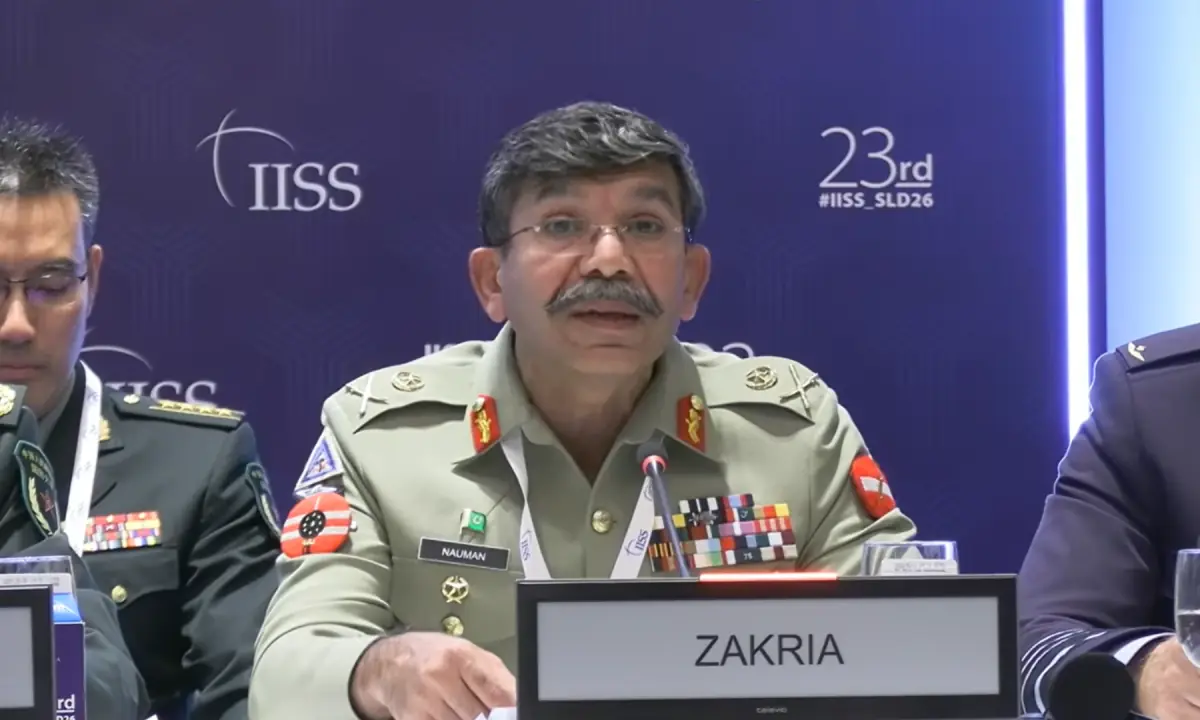
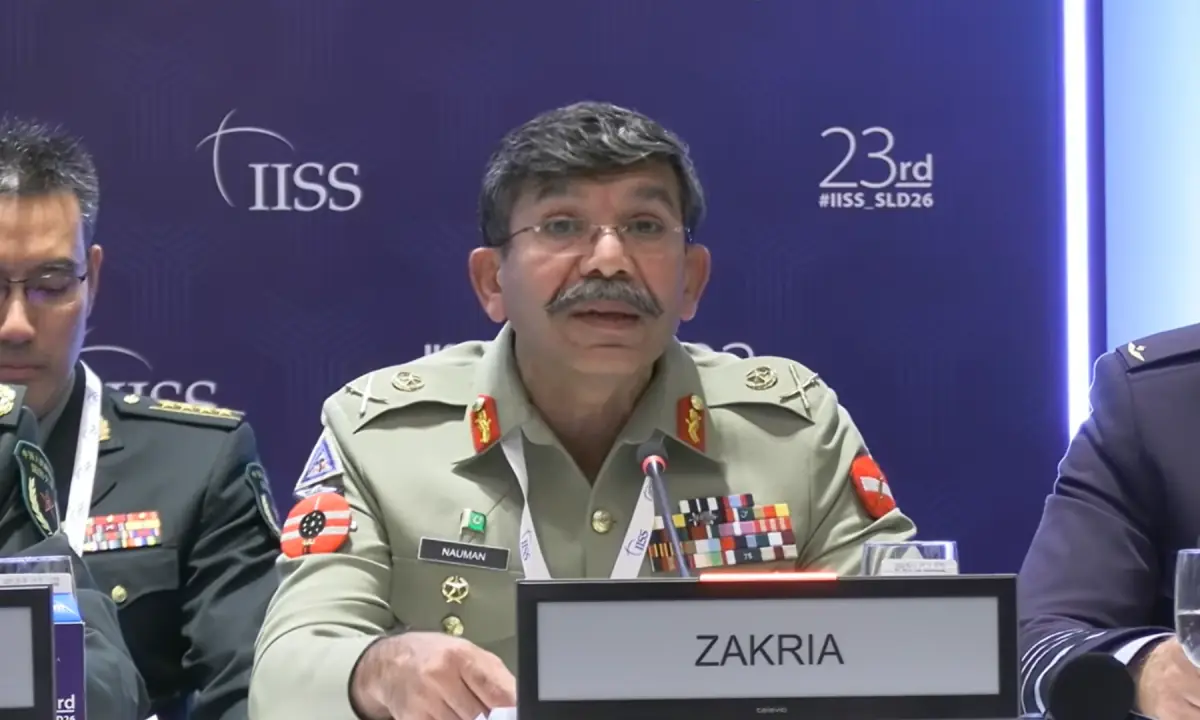
Speaking over the weekend at the Shangri-La Dialogue in Singapore, Lt Gen Nauman Zakaria — commander of the 1 Corps who was introduced at the conference as the commander of the newly-raised Army Rocket Force Command — warned that emerging technologies were creating “new vulnerabilities… risk of miscalculation… [and a] compression of decision making timelines” that have altered “the nature of interstate conflict and strategic deterrence”.