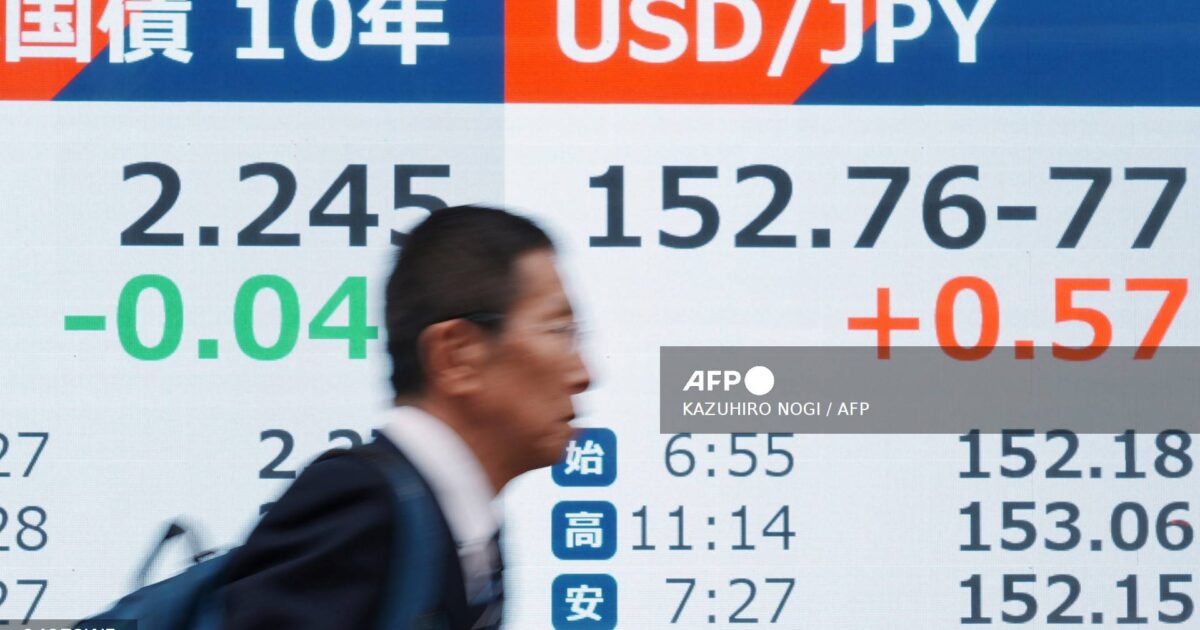
A man walks past an electronic quotation board displaying the foreign exchange rate of Japanese yen against the US dollar (R) and the rate of 10-year government bonds (L) along the sidewalk in downtown Tokyo on January 28, 2026. (Photo by Kazuhiro NOGI / AFP)
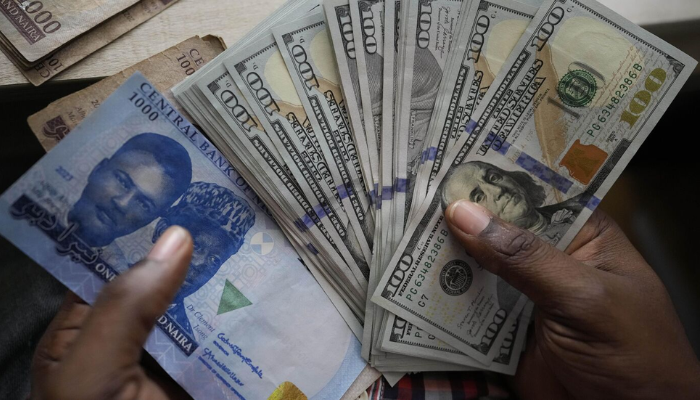
Nigeria’s total foreign exchange utilisation expanded by a massive 77 per cent in 2025, climbing from $26.65bn in 2024 to $47.17bn over the 12-month period, driven largely by a resurgence in non-agricultural sectors.
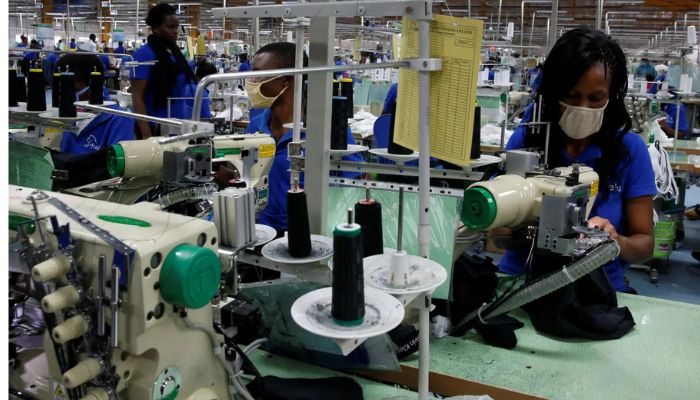
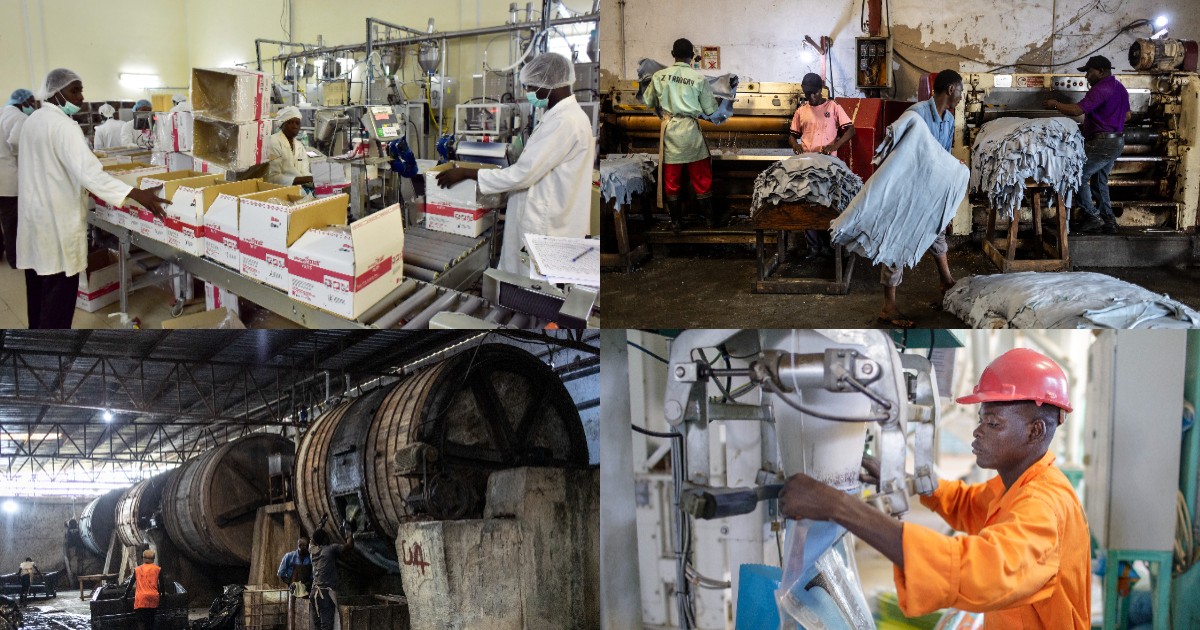
A Lagos-based finance and economic expert, Sola Adekanmbi, suggested that this aggressive expansion indicates a major rebound in activities like manufacturing and industrial retooling, which required heavier capital injections in 2025.
He said, “An expanding forex pie coupled with a shrinking food bill is exactly what the economy needs to witness for sustainable long-term growth. It implies that liquidity is increasingly being directed toward productive capacity and industrial inputs rather than consumption.”
Concurrently, Nigeria’s food import bill decreased to $2.34bn in 2025, marking a 7.37 per cent decline from the $2.53bn recorded the previous year.