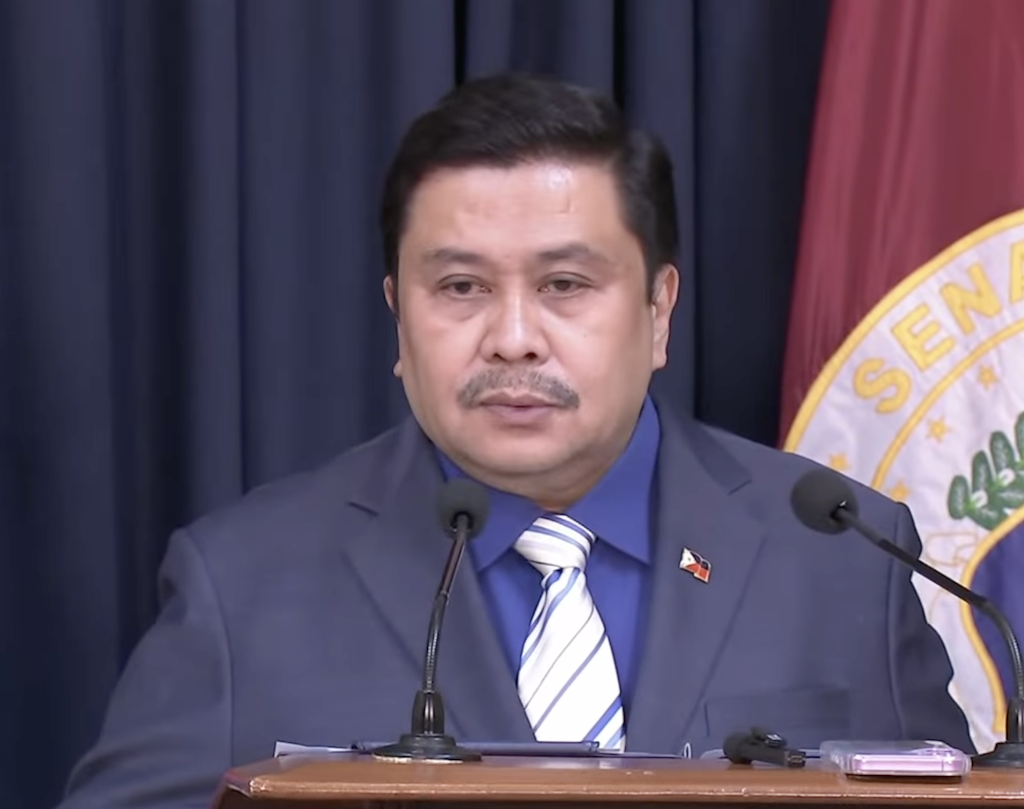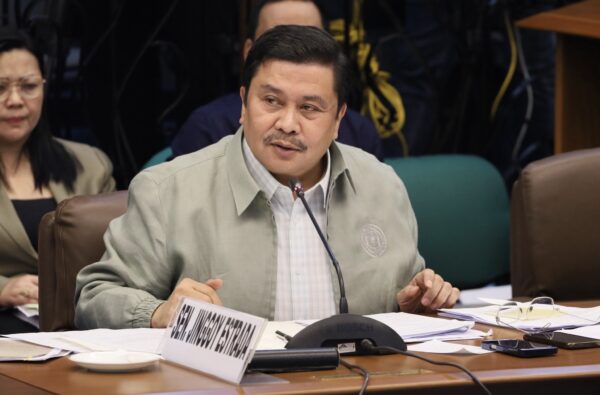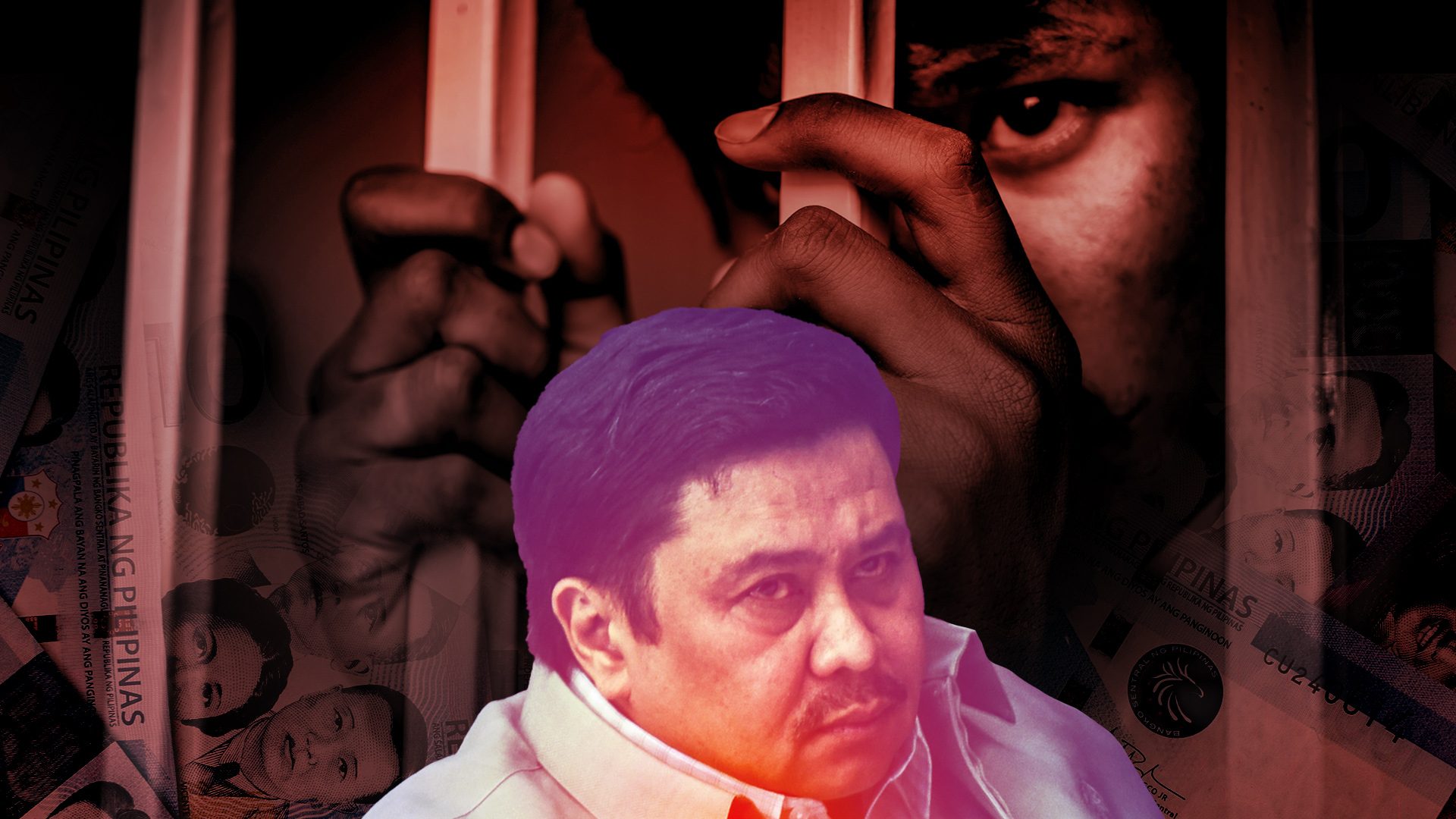
Senator Jinggoy Estrada was charged with graft and immediately posted bail amounting to ₱90,000. For a long-time senator and member of one of the country’s most powerful political clans, ₱90,000 is hardly more than a minor inconvenience. The amount could be produced almost instantly. He did not spend a single night in detention. He walked out of court and continued his life while awaiting trial.
(Estrada is facing another case, plunder, which will be non-bailable if and when the Sandiganbayan issues a warrant of arrest. READ: Jinggoy Estrada got away with plunder twice. Will there be a 3rd time?)
Yet somewhere in the crowded jails of Metro Manila, hundreds of Persons Deprived of Liberty remain behind bars for offenses far less serious. Some are charged with petty theft. Others face minor drug cases. Many have bail amounts of ₱10,000 or less. For them, however, even ₱1,000 might as well be a million pesos. They cannot post bail. They remain in jail for six months, one year, two years, or even longer while waiting for their day in court.
Many of these detainees eventually leave jail not because they were found guilty, but because they have already served enough time to satisfy whatever sentence they might have received had they been convicted. They are released after years of uncertainty, stigma, and suffering. In effect, they have already been punished before the court has even determined whether they committed a crime. The constitutional presumption of innocence becomes meaningless when detention itself becomes the punishment.