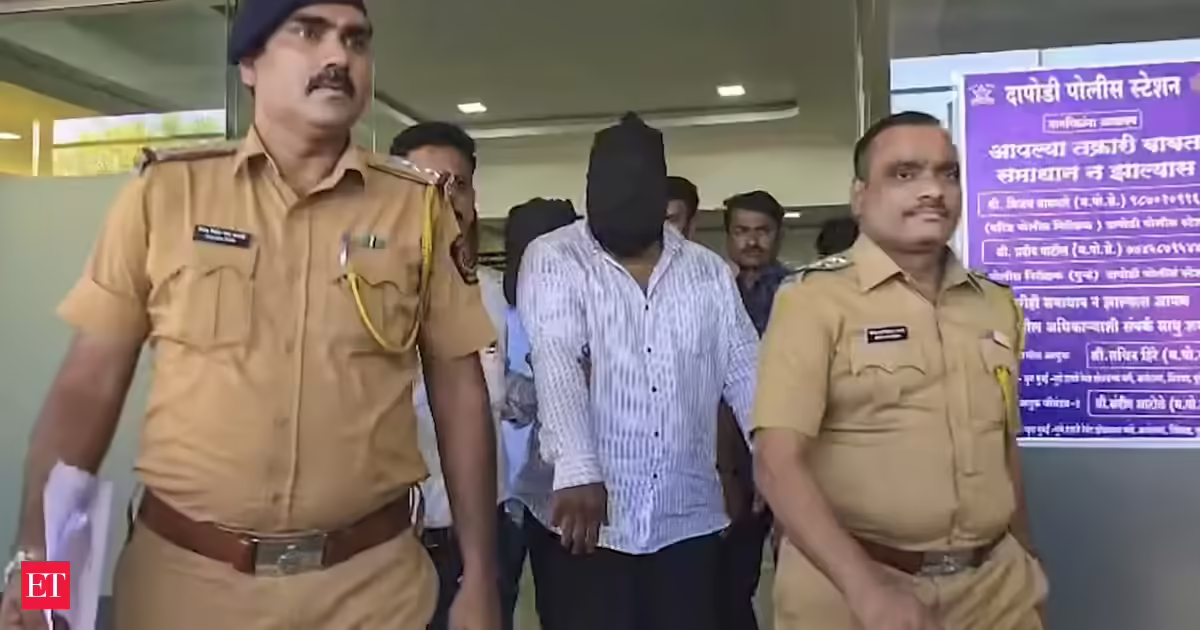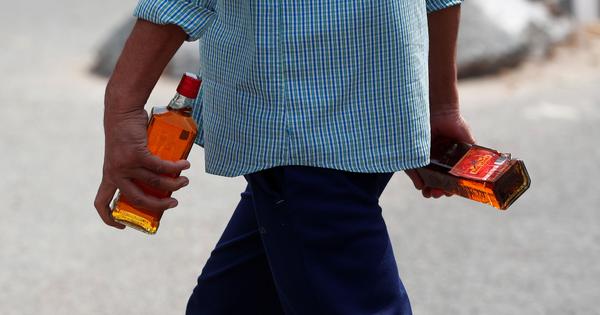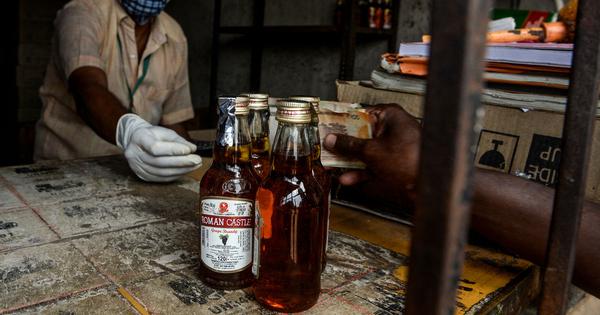
Pune: The spurious liquor tragedy that claimed 16 lives in Pune and Pimpri-Chinchwad is not just an isolated incident about illegal bootlegging but points to a deeper crisis. It highlights how civic authorities consistently choose reactive damage control over proactive prevention.Monday Musings: When warnings are ignoredWhat stands out most is what happened in the first few hours after the deaths were reported.On May 28, when five people died in Dapodi, local residents were already alleging that spurious liquor could be the reason. The suspicion was not coming from experts or politicians. It was coming from people on the ground who knew what had happened and what the victims had consumed.Yet, authorities were quick to dismiss the possibility.Statements were issued saying the deaths were unrelated and not linked to liquor consumption. The message was clear—there was nothing to suggest a spurious liquor case.A day later, the situation changed dramatically. More deaths were reported. The police, the excise department, and the health authorities launched a large-scale investigation. Raids were conducted. Arrests followed. Suddenly, the same possibility that was dismissed earlier became the centre of the investigation.This raises an uncomfortable question. Why was the liquor angle ruled out so quickly in the first place?No one expects investigators to know the exact cause of death within a few hours. But when multiple deaths occur in a cluster, and local residents are pointing towards a possible cause, the least authorities can do is keep all possibilities open.Had the authorities acted on the suspicion immediately, perhaps a public warning could have been issued. At the same time, the source of the liquor could have been traced faster. Some people who later consumed the same liquor would have been alerted.Maybe the outcome would have been the same. But once lives are lost, these questions become impossible to ignore.The tragedy also highlights a larger issue with governance in our cities. Enforcement often becomes strict only after something goes wrong.Take the recent drive against street food vendors in Pune.Police have been asking many street food vendors to shut their stalls by 10 pm. The explanation is that criminals often gather around such places late at night. Authorities also point out that there are rules regarding operating hours.But if these rules existed all along, why were they not enforced consistently? Why were authorities comfortable with the situation until recently? Why do rules suddenly become important only after a campaign is launched?Citizens see this pattern repeatedly.An accident takes place, and then traffic rules are enforced. A building collapses, and then illegal constructions are checked. A flood occurs, and then drains are cleaned. A tragedy linked to spurious liquor happens, and then illegal liquor networks become a priority.In the current case, the excise department deserves credit for conducting a massive crackdown after the deaths. Several cases have been registered, and many people have been arrested.But illegal liquor does not appear overnight.It has to be manufactured and transported. It has to be stored somewhere before being sold to customers. It has to reach consumers through a chain of people and places.Such a network cannot function without remaining unnoticed for a considerable period. That is why citizens are asking a simple question: where was the enforcement before the tragedy?This is not about blaming one department or one officer. It is about a system that often seems to wake up only after a crisis.The families who lost their loved ones are unlikely to find comfort in hearing about raids conducted after the deaths. For them, the obvious question will remain whether the tragedy could have been prevented.Every major incident is followed by visible action. There are inspections, raids, meetings and announcements. For a few days, there is a sense of urgency. The public is assured that strict steps are being taken and the same pattern continues.
Monday Musings: When warnings are ignored
On May 28, when five people died in Dapodi, local residents were already alleging that spurious liquor could be the reason. The suspicion was not coming from experts or politicians. It was coming from people on the ground who knew what had happened and what the victims had consumed.
631 words~3 min read