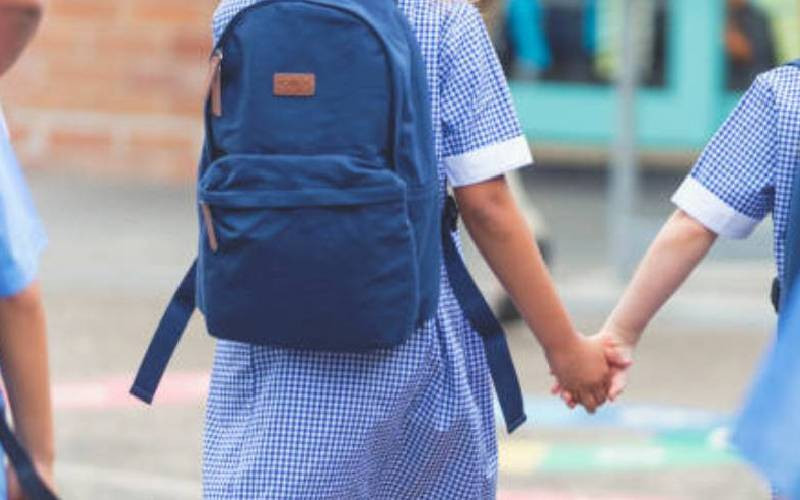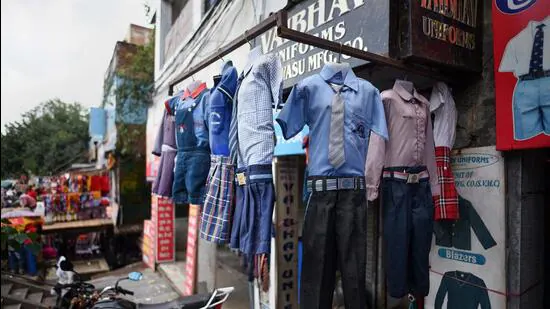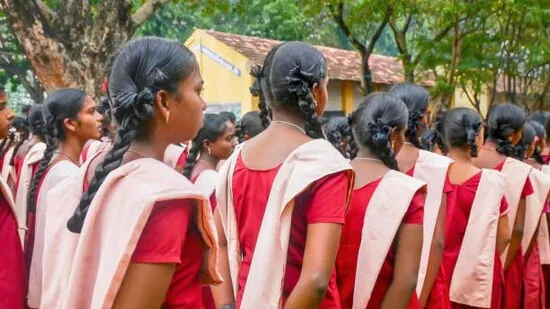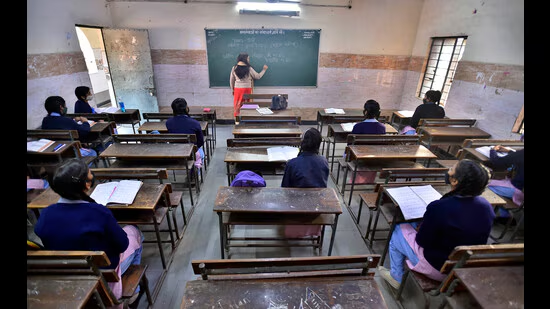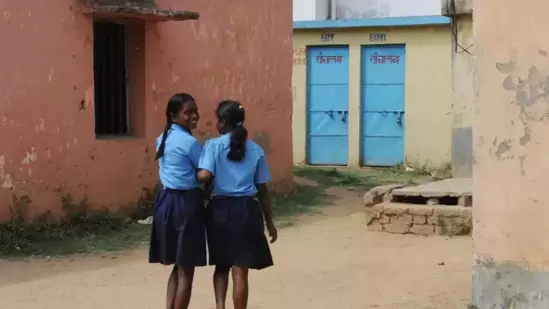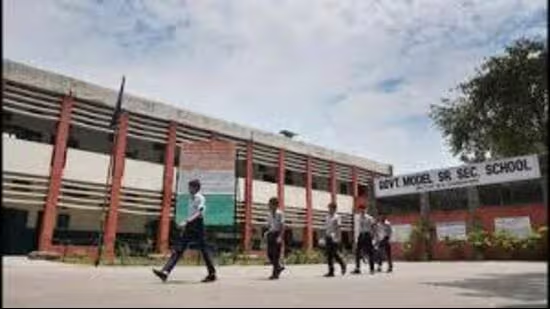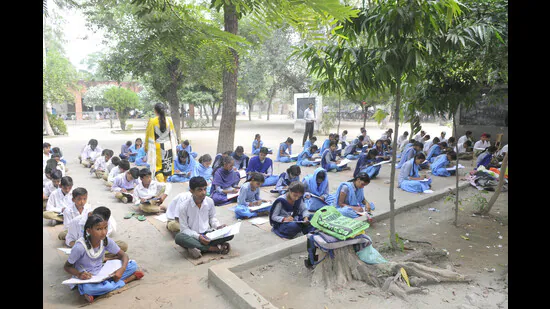
Pune:Ludhiana, India – : Students at Government Senior Secondary School, Kasabad.(Ht File photo)The school education department on May 29 introduced significant reforms to the ‘free school uniform scheme’ from the academic year 2026-27, aimed at improving the quality of uniforms, ensuring timely distribution, and strengthening local participation through women’s self-help groups (SHGs).As per the reforms, the scheme will continue to be implemented through school management committees (SMCs) even as several new measures have been introduced to improve accountability and quality. District-level implementation will be monitored under the supervision of district collectors, chief executive officers of zilla parishads, police superintendents, and education officials to ensure that all eligible students receive uniforms.The revised guidelines focus majorly on the quality of fabric. SMCs have been directed to procure durable and skin-friendly fabric that is not made entirely of polyester but contains a prescribed blend of polyester, viscose, and cotton to ensure comfort and longevity. The government has introduced a multi-tier inspection mechanism to monitor quality. Cluster heads will be required to inspect 100% of schools; block education officers at least 30% of schools; and education officers a minimum of 10 schools in every taluka. If poor-quality fabric is detected, samples have to be immediately sent to laboratories for testing. In addition, education officers must randomly select at least one school from each taluka and send uniform fabric samples for laboratory examination. Test reports will be submitted to the Maharashtra Primary Education Council. The council will also constitute state-level inspection teams, which will conduct surprise visits in at least eight districts across the state and independently verify uniform quality through laboratory testing. The guidelines provide for strict action against violations. If laboratory tests confirm substandard fabric, legal action will be initiated against both the fabric supplier and the concerned SMC.Furthermore, the stitching work is to be undertaken through local women’s SHGs, thereby generating livelihood opportunities at the village and community level. In areas lacking in such groups, schools can engage SHGs from neighbouring areas after due certification by the SMCs. Child development project officers have been instructed to encourage SHGs in their jurisdictions to approach local schools and secure stitching work under the scheme.Education officers have been instructed to guide schools regarding procurement standards. The department has mandated that the Samagra Shiksha logo be displayed on the front of all uniforms distributed under the scheme. To avoid delays reported in previous years, schools have been directed to distribute uniforms to all eligible students on the very first day of the academic session.The department has taken note of complaints that some schools distribute uniforms only to a few students initially for photography and publicity purposes, while delaying distribution to others. Schools have been specifically directed to avoid such practices and ensure uniform distribution to all beneficiaries.Under the revised framework, payments to suppliers and stitching agencies will be released only after schools verify that the uniforms meet the prescribed quality standards. The department has also encouraged SMCs to mobilise additional resources through community contributions or Corporate Social Responsibility (CSR) funds to provide higher-quality uniforms beyond the government grant.Another significant change is the introduction of a scout-guide-themed uniform as one of the two uniforms provided under the scheme. For boys, the uniform will consist of a sky-blue shirt and dark blue shorts; while girls will wear a sky-blue shirt with a dark blue skirt or wherever applicable, a dark blue salwar with a sky-blue kameez.The ‘free school uniform scheme’ benefits all girls studying in classes 1 to 8 in government and local self-government schools; students belonging to scheduled castes and scheduled tribes; and children from families living below the poverty line. Since the academic year 2023-24, the benefits have also been extended to children from economically weaker families across the state.Officials said that the revised guidelines are intended to ensure that every eligible student receives a comfortable, durable, and good-quality uniform at the beginning of the school year while simultaneously promoting local economic activity through women’s SHGs and strengthening accountability in implementation.
Edu Department Mandates Quality Audits for Free School Uniforms
Pune's education department reforms the free school uniform scheme for 2026-27, enhancing quality, distribution, and local participation via women's SHGs.
665 words~3 min read