After more than a half a century of growth, the use of gas in Australia has peaked in all sectors and entered a “structural decline”. But use will need to fall fast to meet climate targets, according to new research from an influential thinktank.The Grattan Institute warned the government had failed to acknowledge the decline and instead needed policies to further reduce gas use and avoid the need for expensive carbon capture technologies to meet net zero targets.“Gas is now in structural decline across Australia. There’s only one way to go from a peak, and that’s down,” said Alison Reeve, the director of the institute’s Energy and Climate Change program.
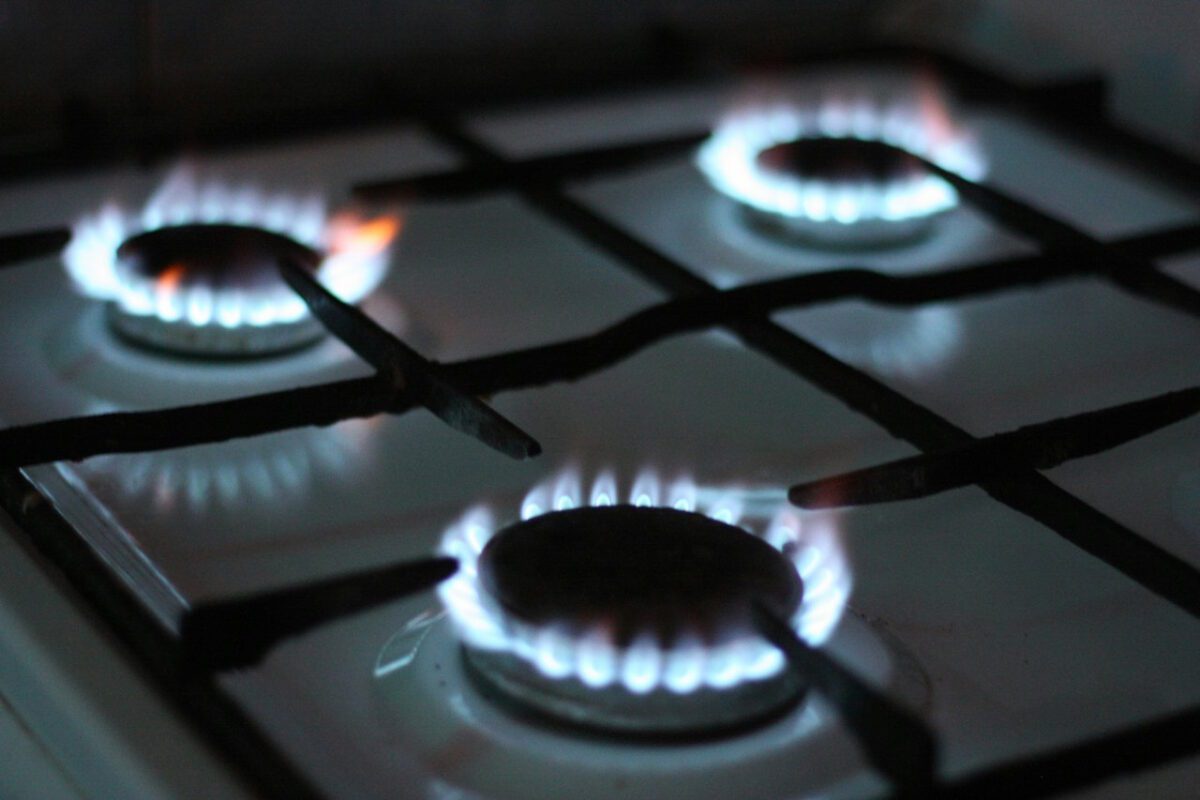
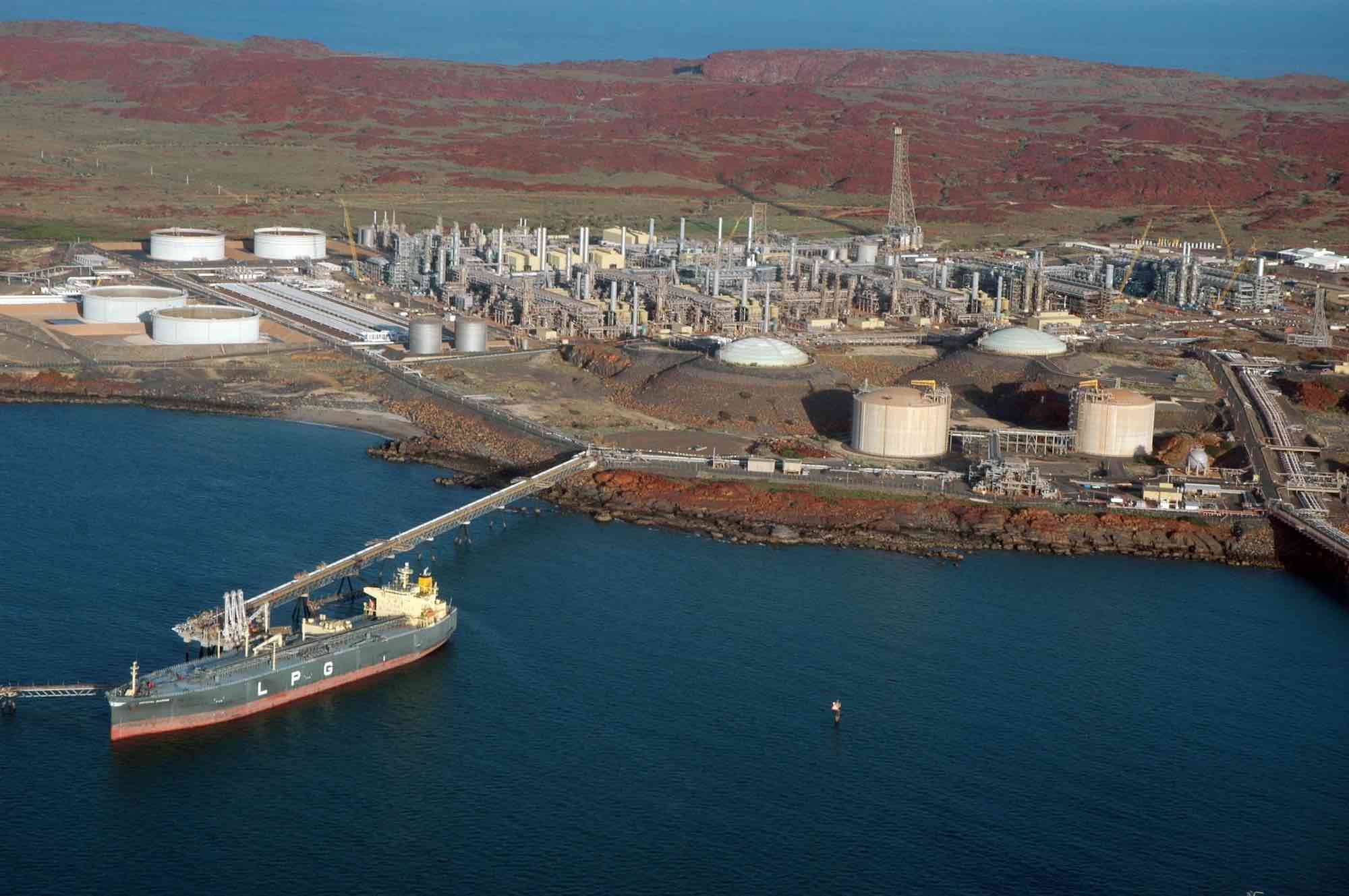
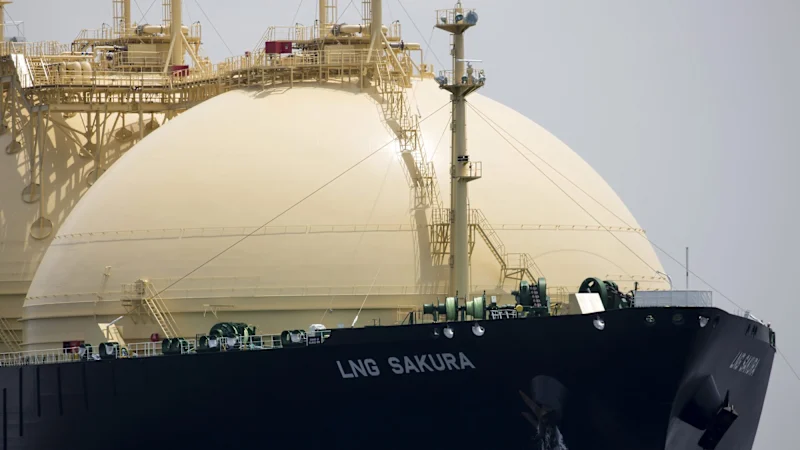
Large scale use of gas took off in the 1960s in Australia, but the institute’s report showed residential gas use peaked in 2020, gas for electricity generation had declined 11% since 2014, gas use in manufacturing had been falling since the early 2000s and LNG exports had also likely peaked in 2022.Treasury modelling released last year said the value of coal and gas exports from Australia would probably halve in the next five years as global demand for fossil fuels slows.Grattan’s analysis comes despite recent public backing of gas from federal and state politicians.The Primer Minister, Anthony Albanese, has announced a plan to reserve more gas for domestic use and the government wants more exploration in Victoria and Tasmania. Coalition leader Angus Taylor has called for coal and gas projects to be fast-tracked.In South Australia, premier Peter Malinauskis has been pushing to lift a moratorium on fracking in the state and the NSW government has opened up new areas for gas exploration.The Grattan Institute report said the declines in gas use “have largely not been driven by emissions-reduction policy” and falls were not quick enough to meet climate targets.Reeve said reducing gas use was a “multi-decade project that must start today” but ignoring it “will result in a chaotic and inequitable process with higher costs for all.”Even though LNG producers were “riding high at the moment” the report said they faced “a future of being high-cost producers in a shrinking market” as countries looked to reduce reliance on imported energy.As Australia’s electricity grid shifts to renewables, gas has been identified as an important backup for times when solar and wind output is low.Reeve said: “We hear this catchphrase all the time that gas is important for the transition, but they don’t say how much gas, or for how long.”The institute’s report shows the amount of gas that will be needed to back up renewables in the coming decades would probably be half what was being burned in the 2010s.Grattan said overall gas-related CO2 emissions would drop from the current 90m tonnes to 64Mt by 2050 – a level still too high for Australia to reach net zero.The report recommends “targeted policies across households, industry, and power generation, including phaseout dates for residential gas use.”Without policies to drive further reductions in the use of gas, governments would be left with a set of “implausible” options to get emissions down, including the use of carbon capture and carbon removal technologies.Using green hydrogen or biomethane could lower emissions, but the costs of producing both in the volumes needed were “significant”, the report said.“In a net zero economy, both will be required in some quantities. But in practice, neither is likely to be available in the quantities required,” the report said.