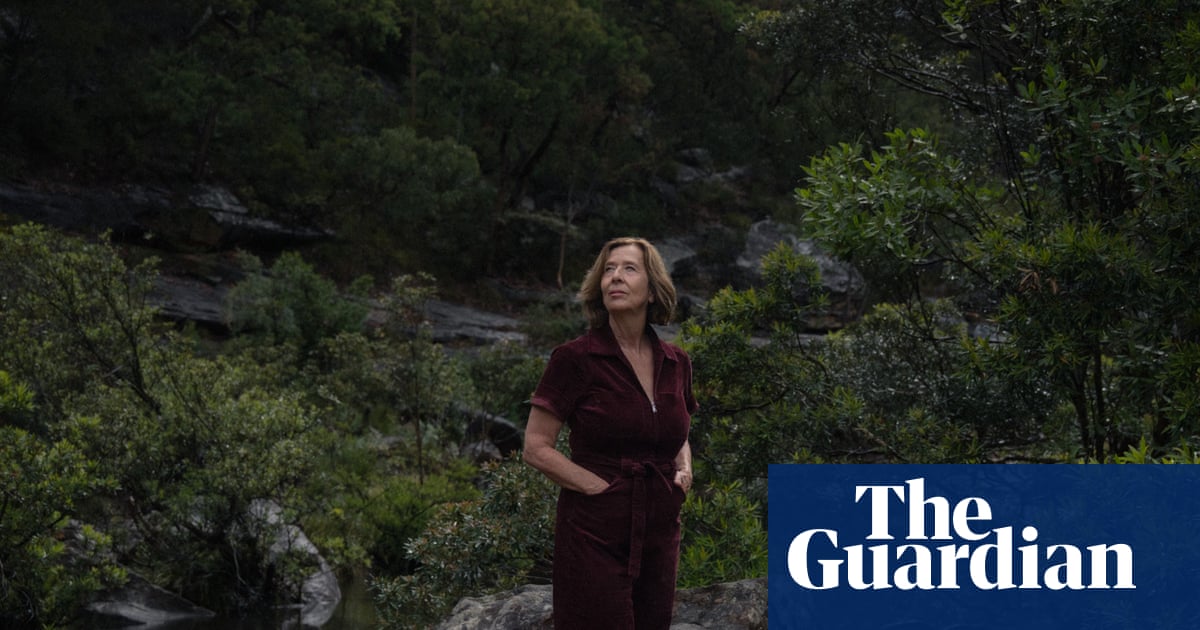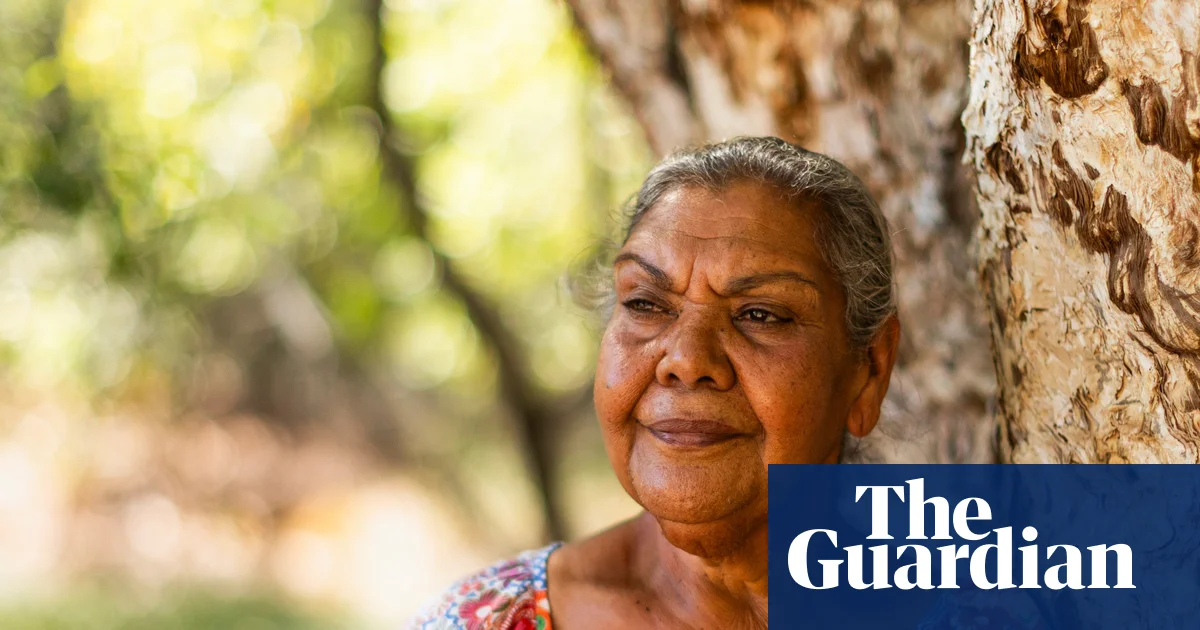
On a day in 2015, June Oscar waited by the phone to call a brother she had never met. They share a father but had been separated by race and a shared history that was never spoken about.She had been wrestling with how to tell that side of the family, and wondered how she would be received, but settled on telling the truth.Eventually, she dialled the number and delivered the news: “Your father is my father.”She needn’t have worried. She and her siblings were swiftly embraced into the growing family.“I have a niece and nephew and little grannies. I have connections to my Filipino sister‑in‑law and my white Australian sister‑in‑law,” Oscar says. “It’s a big mixed family there but we have all come to know and love and support each other.”Sign up for the Breaking News Australia emailThe Bunuba woman grew up in the rugged Kimberley region in north-west Western Australia, spending her early years on a pastoral station 2,500km from Perth. Oscar and her siblings roamed the bush, learned traditional language and hunted; grounded in the stories, freedom and culture passed down from her mother and grandmother.Also passed down were whispers of frontier violence, colonisation and massacre. Her grandmother refers to this period as the “killing times”.“I grew up as a child listening to the whispers from older family members that we should fear the white man, don’t trust the white man,” Oscar tells Guardian Australia.Now 64, the long‑time women’s advocate and former Aboriginal and Torres Strait Islander social justice commissioner has spent her life championing safety for women and girls and pushing for self‑determination to better the lives of First Nations people around the country, especially in her homelands around Fitzroy Crossing.June Oscar at the Wiyi Yani U Thangani (Women's Voices) national summit, convened by the Australian Human Rights Commission, in May 2023. Photograph: Jillian MundyOscar is speaking around the release of her reconciliation memoir, written with West Australian journalist Victoria Laurie and published by Reconciliation WA. It is part of a series that has previously featured the former federal senator Patrick Dodson, Noongar writer and songwriter Dr Richard Walley and former federal MP Fred Chaney.During her seven years as social justice commissioner, the rights of women and girls – and advocating for the next generation of Indigenous children – were the linchpin of her work. Over two years, and while navigating the challenges of the Covid‑19 pandemic, she led the landmark Wiyi Yani U Thangani project, which brought together the voices of more than 2,000 Aboriginal and Torres Strait Islander women and girls.“I think that there’s much work to do in that space but I wanted to bring along voices of so many of our women and girls in our communities and our families,” she says. “They are often invisible to those who are the architects of policies and laws that impact us.”Ensuring their voices and solutions were brought to the forefrontwas vital for Oscar. “I’m always calling for a seat at the table for Indigenous women and peoples to inform others who carry responsibility of institutions and systems that impact us,” Oscar says.Those voices can transform stagnating institutions. “They can be part of the change that we need to see,” she says.‘Time is now for truth-telling’After the bruising failure of the referendum on an Indigenous voice to parliament, many prominent First Nations leaders went into a period of silence or mourning to digest the result. They have emerged with differing views on how the nation could move forward.Oscar believes there is still momentum to bring Australia together in “respectful dialogue”, despite an increasingly polarised political landscape. But she says steering those dialogues will require leadership from politicians, strong representation from diverse First Nations communities, and engagement with the multicultural and migrant communities who also call Australia home.“There’s an opportunity for some good engagement and discussion across the country about what would a truth-telling commission look like,” she says. “We have a very diverse multicultural Australia now. How do we engage everyone in that, in that space of truth-telling?”She argues the political timeline on the referendum was too short and that more time may have allowed for a different outcome. But she is hopeful about moving toward a deeper understanding of shared histories.“The time is now to be able to have these courageous conversations but we need the courageous leadership,” she says. “Some would say that it’s too risky to do it now. When is it a good time? I think we have to do it and we need to do it now.”
June Oscar on family, history and the need for courage to keep the dream of reconciliation alive
The former social justice commissioner was 53 when she first spoke to her half-brother and began healing her divided family. But her aspirations for reconciliation go much further
756 words~3 min read