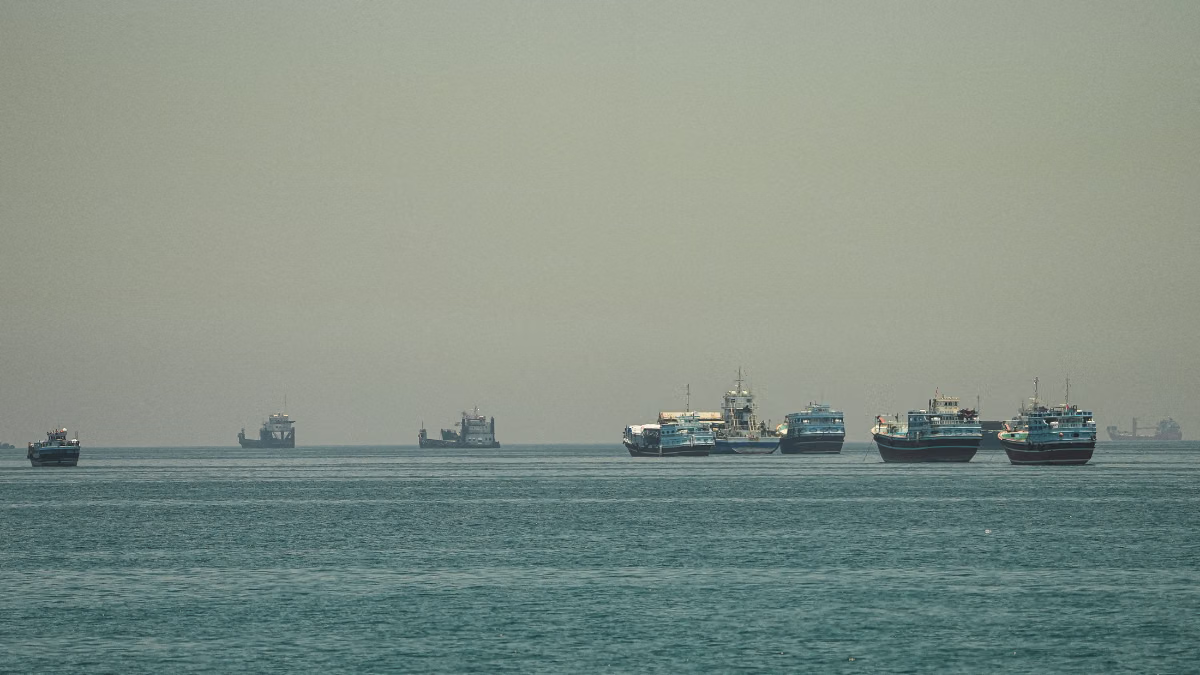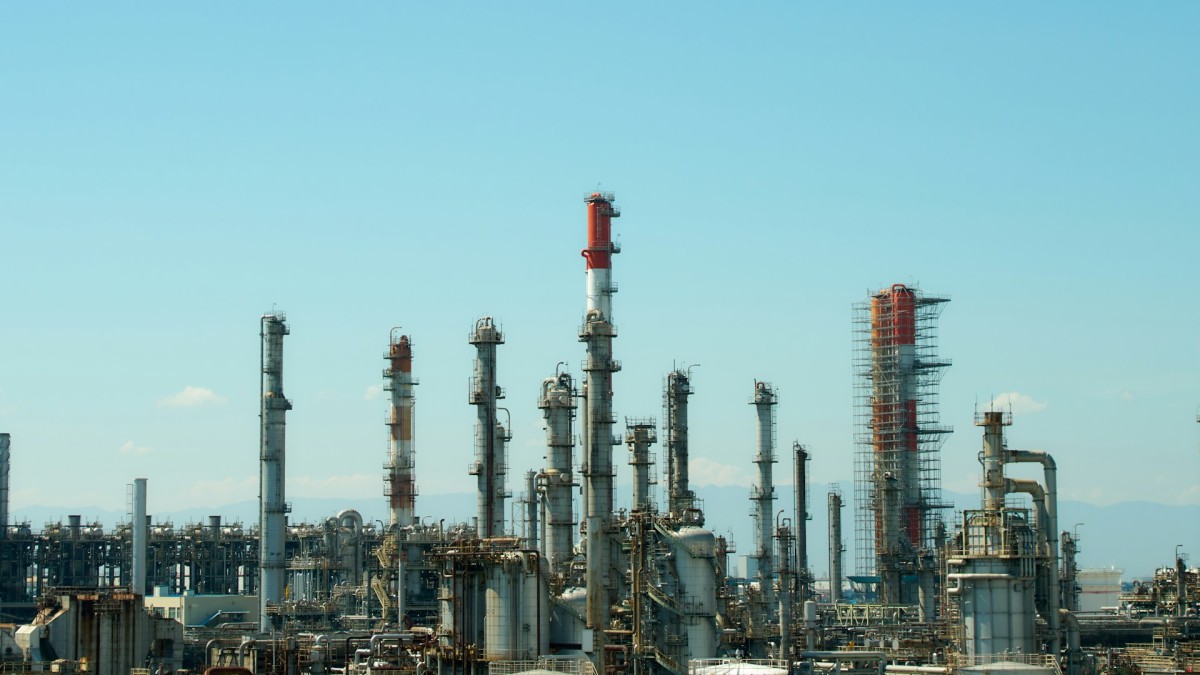
New Delhi: Indian refiners are adapting their plants to process more challenging crude grades and maximise output of high-demand fuels as the Iran war and near closure of the Strait of Hormuz force them to seek replacement barrels from alternative sources.The conflict has disrupted crude supplies from some of India's biggest suppliers, compelling refiners to process unfamiliar crude grades, said Ujjal K Mukherjee, chief technology officer at Lummus Technology, one of the world's largest refining and petrochemical technology licensors.A similarly sharp shift towards discounted Russian crude following the outbreak of the Ukraine war four years ago had also pushed Indian refiners beyond their original design crude slate.In such situations, technology licensors such as Lummus help refiners optimise yields, avoid operational problems and extend equipment capability."From existing refiners, many of whom have our technologies, we are seeing strong interest in adapting their crude diet and to tailor their existing versatile assets such as hydrocrackers to produce the products most in demand with the new crude diet which often times, are more challenging than the original design crude slate," Mukherjee told ET.Indian refiners are also showing interest in other areas such as "grassroots gas to chemicals and oil to chemicals, high-quality lube base oil products, polypropylene, polyethylene, and delayed coking," he said.A significant part of Lummus' business is linked to projects in Gulf Cooperation Council (GCC) countries, which were among the most affected by the Iran war. "We have not seen cancellation or major delays in ongoing projects," Mukherjee said. "What we have seen on the contrary is a more insular approach even within the GCC. Projects in Saudi Arabia for example, especially retrofits and expansions of refineries in the western part of the country have surfaced."The war will "definitely cause a rethink in the type and location of projects," he said. "Countries very dependent on the Strait of Hormuz (Kuwait, Qatar, Iraq) are likely to consider joint venture projects to secure safe outlets for their products."The conflict is also beginning to reshape investment flows. "We have seen a pullback of investment from some GCC countries from projects in Asia to more in-kingdom investment," Mukherjee said.The war has also damaged several major oil and gas assets in the region, creating "many potential opportunities for repair and supply of new equipment post cessation of hostilities" for Lummus, he said.
Refiners adjust to new crude mix as Hormuz crisis tightens supply
The conflict has disrupted crude supplies from some of India's biggest suppliers, compelling refiners to process unfamiliar crude grades, said Ujjal K Mukherjee, chief technology officer at Lummus Technology, one of the world's largest refining and petrochemical technology licensors.
386 words~2 min read