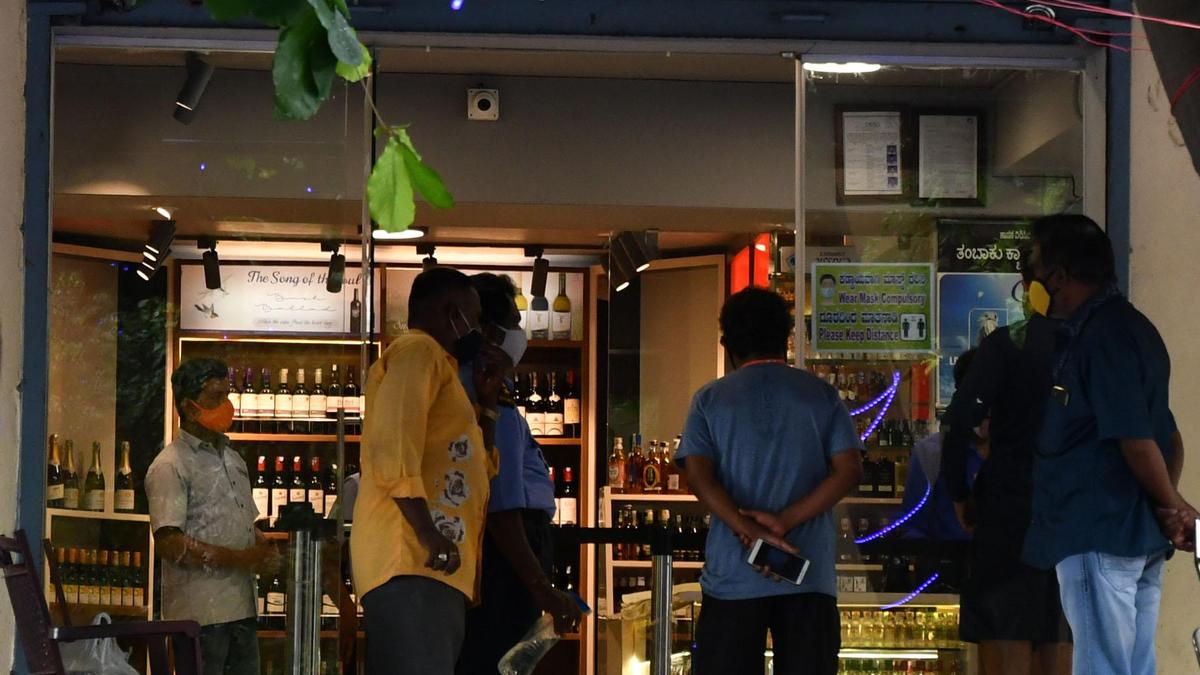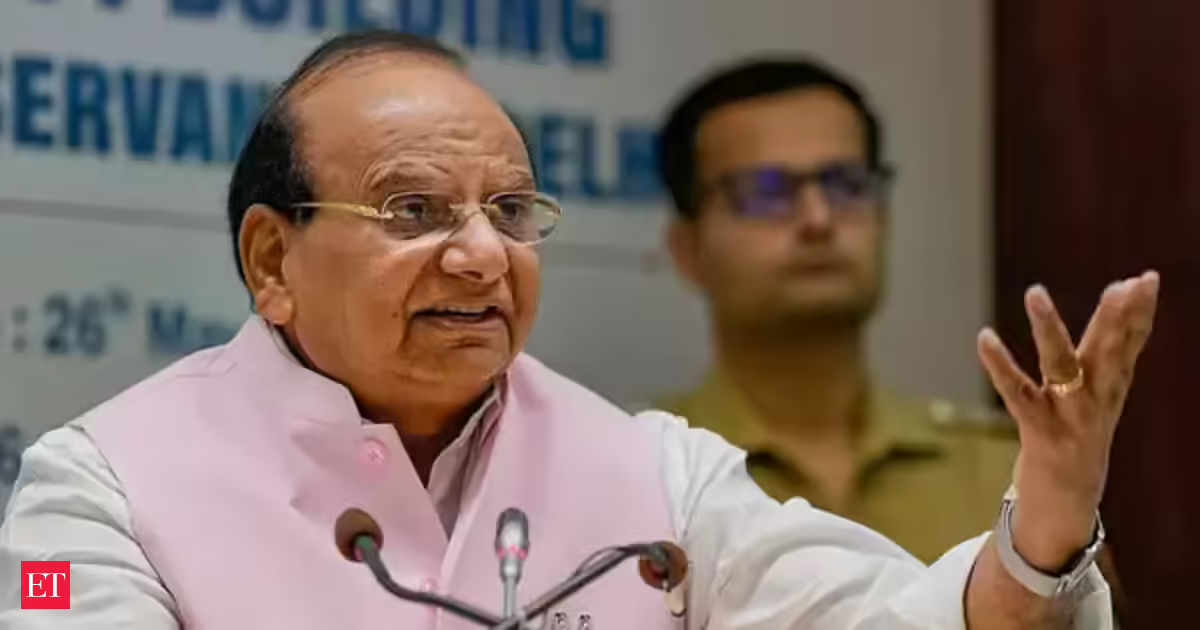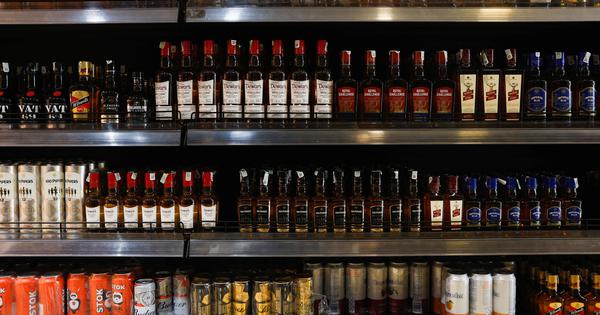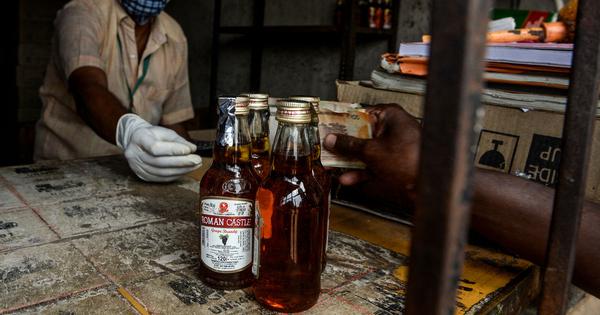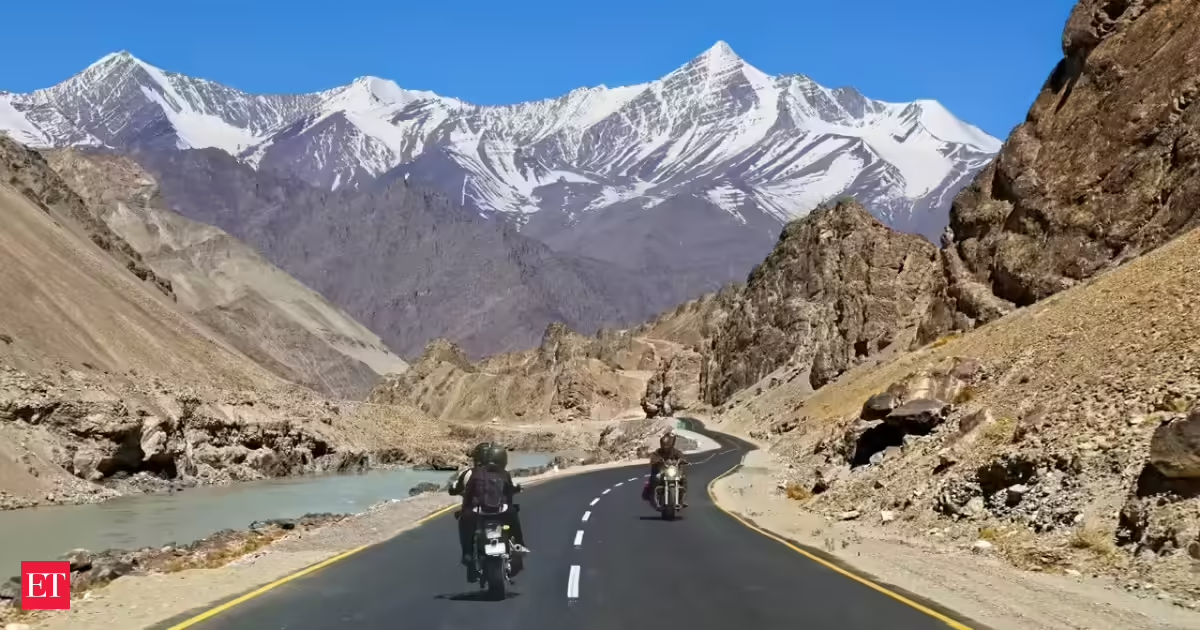
New Delhi: In a major regulatory overhaul aimed at curbing drug abuse and modernizing the local economy, Ladakh Lieutenant Governor Vinai Kumar Saxena has approved a comprehensive New Excise Policy for the Union Territory. The landmark policy transitions the region from a highly restrictive liquor regime to a liberalized, technology-enabled framework designed to balance public health, tourism, and revenue generation.The administration’s decision comes in the wake of growing concerns raised by civil society, religious organizations, and medical experts regarding an increasing dependence on narcotics and psychotropic substances among the youth. This trend was largely attributed to an "artificial scarcity" of regulated alcohol, which drove individuals toward illegal drug networks and spurious, smuggled liquor, as ascertained in rounds of meetings with various stakeholders from civil society, public representatives, government officials, NGOs to medical experts from Ladakh besides the Ladakh Gompa association.A committee of officials was then constituted to draft a new excise policy to systematically dismantle illicit trade and bring in corrective measures without hurting the UT’s revenues.Accordingly, In a significant shift, the retail sale of hard liquor—including Foreign Liquor and Indian Made Foreign Liquor (IMFL)—is now permitted through vends. Previously, retail outlets were strictly confined to selling beer, wine, and Ready-to-Drink (RTD) beverages.To improve accessibility for tourists and eliminate the localized black market, the administration will increase the number of operational liquor vends from just two to 20 across the territory. Furthermore, distribution will expand beyond Leh city into crucial tourist hubs including the Nubra, Changthang, Sham, and Zanskar districts. However, strict zoning laws will remain enforced, ensuring all vends maintain a minimum 100-meter distance from educational institutions, religious places, hospitals, and public parks.The policy also introduces sweeping measures to boost Ladakh’s hospitality and tourism sectors. For the first time, homestays and guest houses are eligible for retail liquor licenses, and beer bars featuring micro-breweries will be permitted to operate. Additionally, hotel guests are now allowed to consume alcohol within their private rooms rather than being restricted entirely to designated bar areas.In alignment with Ease of Doing Business guidelines, compliance procedures have been radically streamlined. The number of documents required to secure an excise license has dropped from 16 to just six, and the mandatory "opinion" clause from the local district administration—which previously caused months of bureaucratic delays—has been completely abolished.Financially, the policy establishes a uniform excise duty of ₹500 per London Proof Liter (LPL) for IMFL to simplify tax administration and prevent revenue leakage. On the environmental front, the policy strictly prohibits the sale of alcohol in plastic bottles, mandating the use of approved glass, PET bottles, or tin cans to safeguard the region’s fragile ecology.
Ladakh rings in new excise policy- wider choice in low alcohol content; hard liquor also at retail vends
The administrations decision comes in the wake of growing concerns raised by civil society, religious organizations, and medical experts regarding an increasing dependence on narcotics and psychotropic substances among the youth.
TL;DRAI
Ladakh LG Saxena approved a new excise policy: hard liquor now at retail (vends: 2→20), license docs cut 16→6. The reform shows artificial scarcity in regulated markets predictably drives black-market substitution—a compliance-design lesson beyond liquor.
437 words~2 min read