Originally published at docs.cmdop.com/blog/execution-state-continuity-04-ai-as-operator — part of the series The Command-Operator Execution Layer.
AI as Operator, Not Controller: The Multi-Actor Execution Model
Part 4 of 7 — the command-operator execution layer (the execution-state continuity layer).
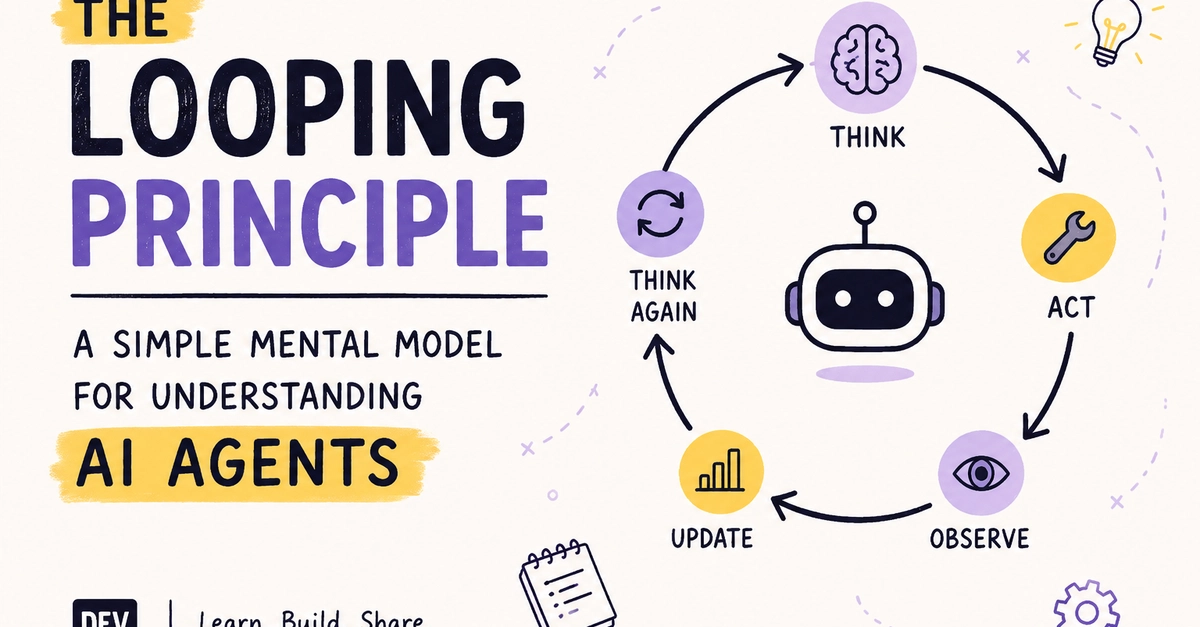
There is a mental model baked into almost every AI agent built today, and it is so pervasive that most engineers never notice it is a choice. The model sits on top of the system. It reasons, it decides, and then it reaches down through a tool interface to make things happen. Shells, browsers, file systems, databases — all of them are tools, and the AI is the thing that calls them.
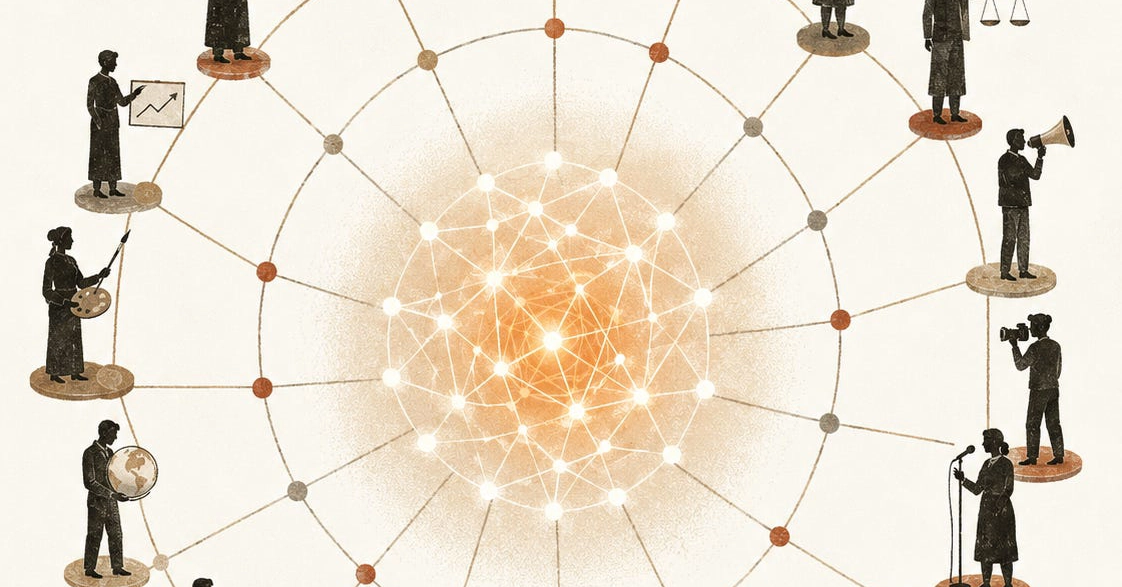
This is a powerful and correct abstraction for a specific job: tool dispatch. Call it the controller model — a model dispatches tools beneath it. It is also the wrong abstraction for a different job — co-participation in live execution, where an AI is not the orchestrator above the machine but one actor among several that operate the same running state. Call that the operator model: actors operate one live execution rather than dispatch tools beneath them — each one an operator, that is, a peer participant in one live execution. ("Operator" here is the human-factors sense — an actor who operates a live system from inside it — not the Kubernetes Operator pattern, which is itself a controller that reconciles desired state from above. The two are nearly opposite: a Kubernetes operator sits above the system and drives it toward a target; an execution operator sits inside the running state and shares it.) The stance is not new — the human-factors literature named it decades ago, in Sheridan's supervisory control (1970s–90s) and Horvitz's mixed-initiative interaction (1999). What is new is not the operator stance but its substrate: a single-homed, identity-bearing live execution object that humans and autonomous agents operate concurrently under uniform mechanics — where supervisory control meant one human supervising one machine, not many heterogeneous actors sharing one coherent OS-level execution state.