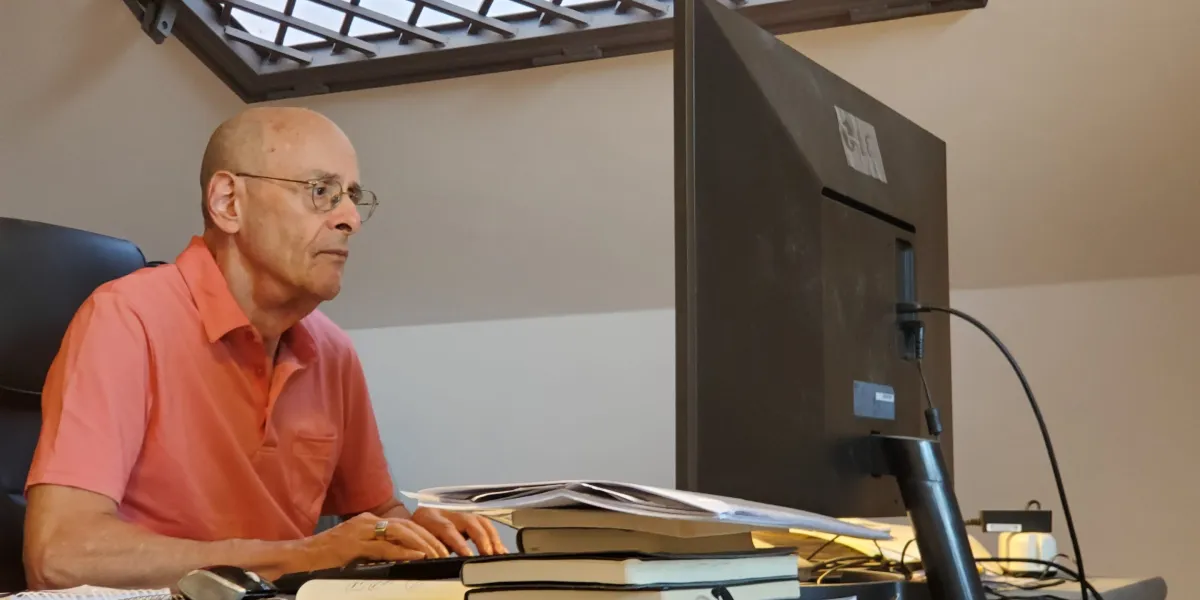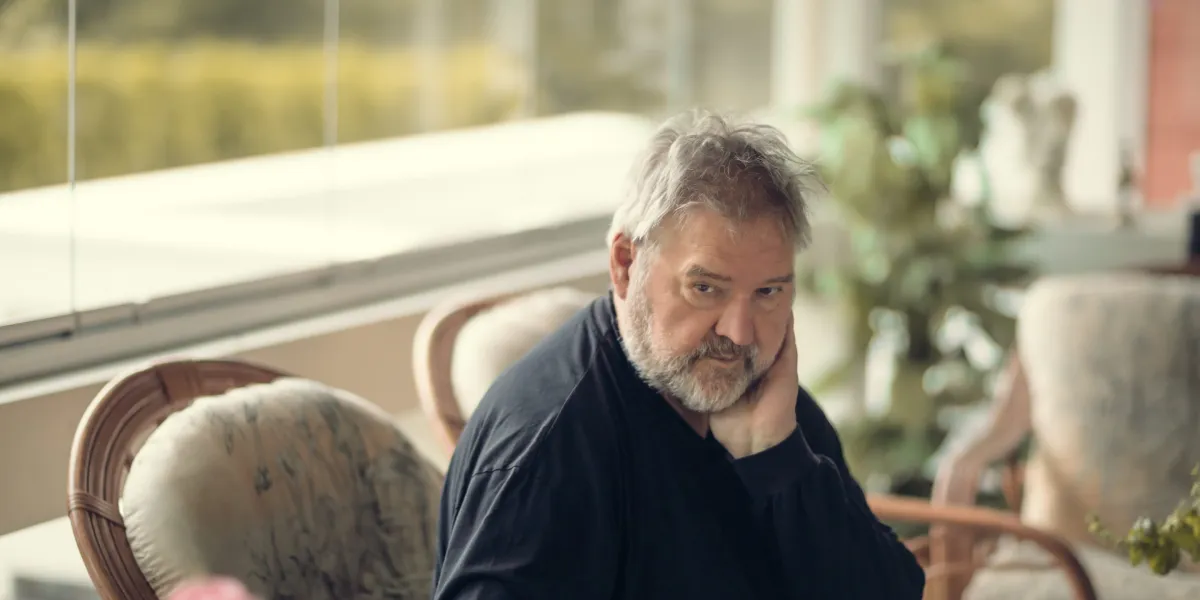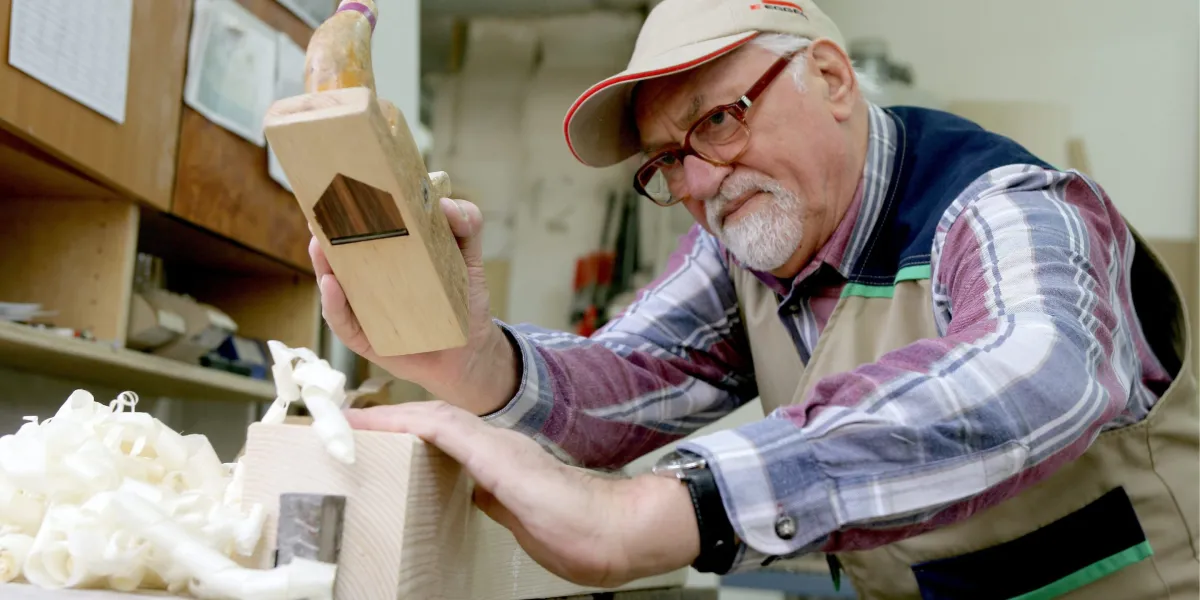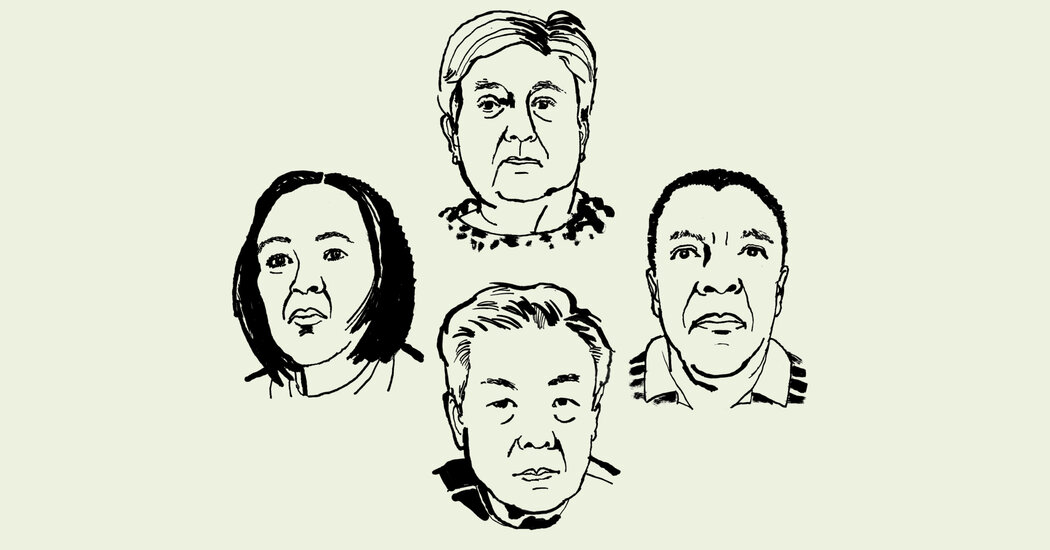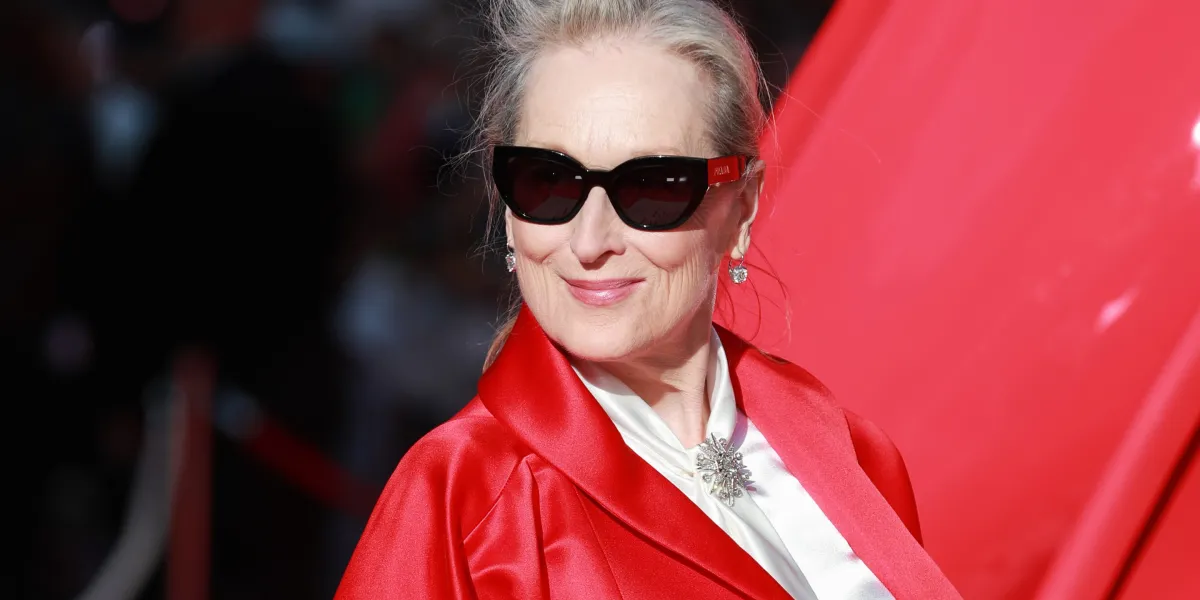
Her influence has been built on instinct and staying ahead of the culture. But in an industry increasingly shaped by social media, younger voices and constant reinvention, she begins quietly questioning her own relevance.Arriving back at the hotel, she asks her husband, Stuart, when a person knows it’s time to step aside.“You’ll know when it’s time,” he says. “You’ll just know it.”It’s one of the most common mantras about work, aging and ambition, and it assumes that people will instinctively recognize when to slow down, step away or reinvent themselves.I research aging, mental health and life transitions. As people live longer, work can become more than a paycheck. It’s a source of identity, purpose, routine and social connection. As a result, the question is no longer simply when to stop working, but what it takes to remain happy, healthy and secure as you age.For much of the 20th century, retirement was imagined as a more predictable life transition.Careers tended to follow more linear paths, and older adulthood was commonly associated with stepping away from professional life and entering a “third act,” with more time to focus on family, leisure, personal interests and life outside the demands of work.For much of the 20th century, retirement was championed as a time for relaxation and leisure. Robert Alexander/Getty Images
Why the economy forces boomers to work longer, then vilifies them for it | Fortune
Aging Americans are shoring up the labor market and tax base as they delay retirement, even as critics attack an “old guard” for blocking younger workers’ ascent.
854 words~4 min read