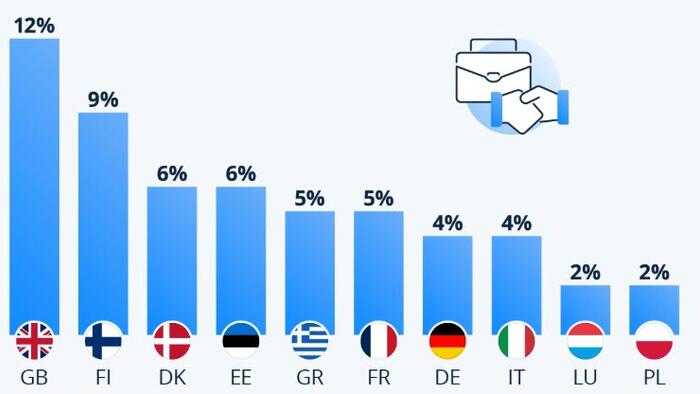
We live in a society obsessed with youth, but we also have a rapidly ageing population. By 2030, almost half of all employees in the UK workforce will be over 50, and now, in 2026, one in three workers are over 50. Yet, age is the “least scrutinised and most widely accepted form of discrimination in the UK”, according to the Centre for Ageing Better, with more than a third (36 per cent) of those between 50 and 69 believing that their age puts them at a disadvantage when they apply for jobs. For those already employed, things can be tough too, as mid-life can bring with it a feeling of invisibility and insecurity. The Age Without Limits study from 2024 shows that 37 per cent of workers between 51 to 70 felt badly treated in work because of their age.
Lyndsey Simpson is the author of The Age Rebellion, and founder of 55/Redefined, an organisation working to end ageism in the workplace. “Feeling insecure at work in your fifties?” she says. “Well, it’s not all in your head. Ageism is a very real thing, but it can be a shock when it happens to us. It’s one of those things we think only happens to other people, but not to us, because we’re good at our job. You could be the highest-performing person at work, you’ve had a headhunter tapping you on the shoulder your whole career and then all of a sudden you find yourself in your fifties, the phone stops ringing, opportunities stop presenting and you’re suddenly plateauing a bit. You’re thinking, ‘Hang on a minute. I’ve been doing everything right, haven’t I? I’ve been loyal, I’ve been delivering, I show up, even with a cold. And somehow, it’s not working.’