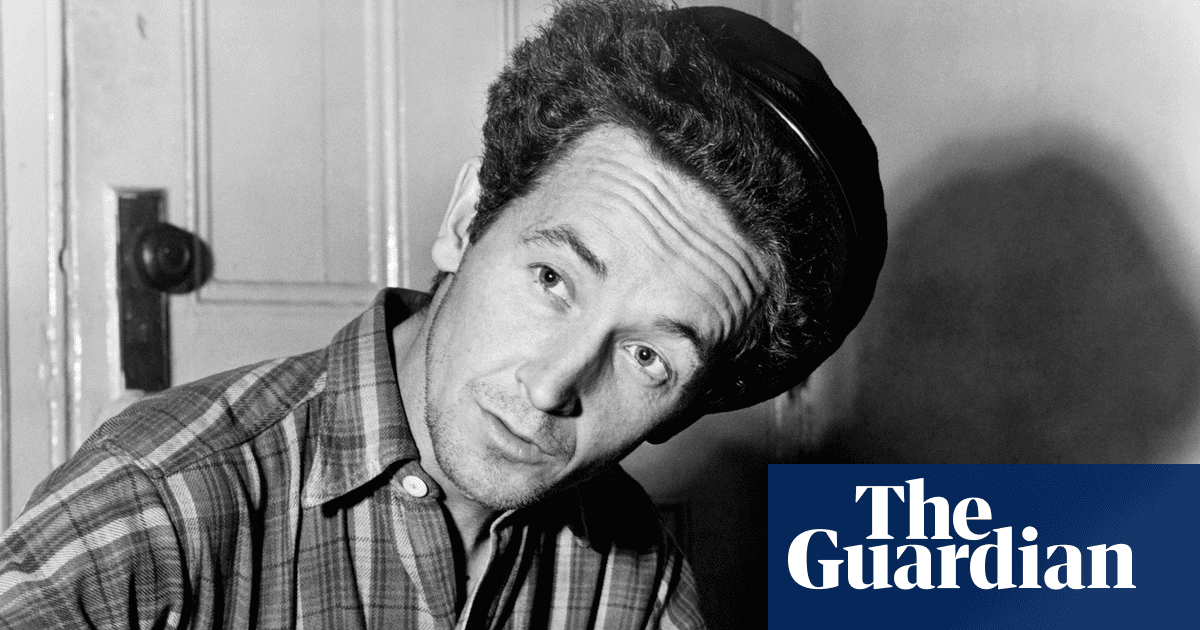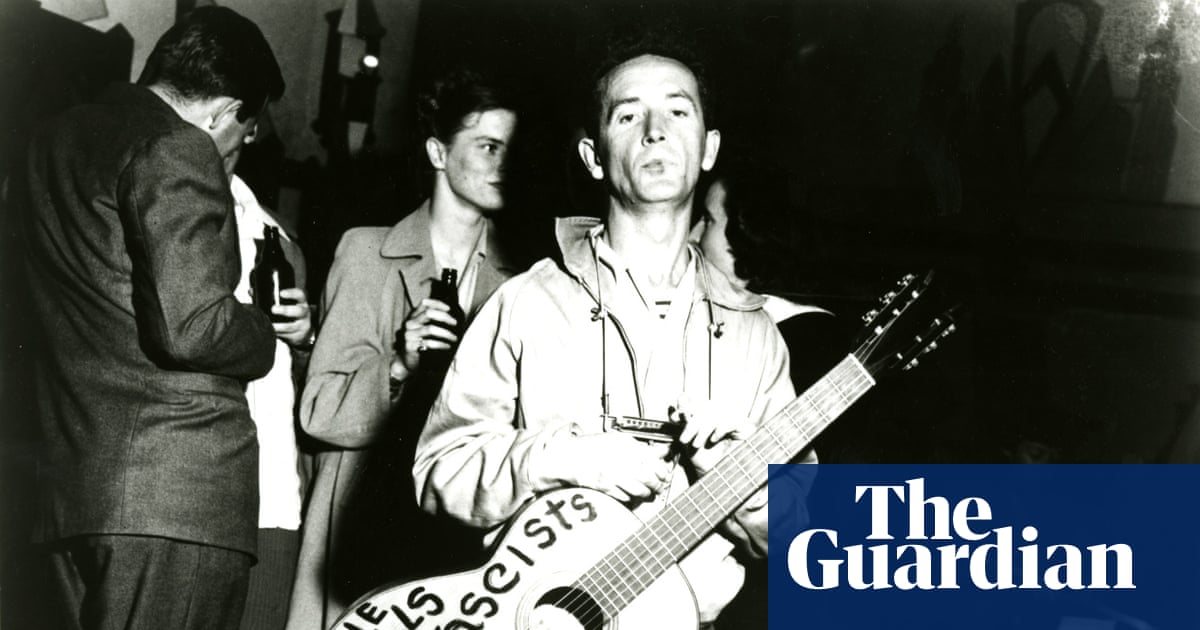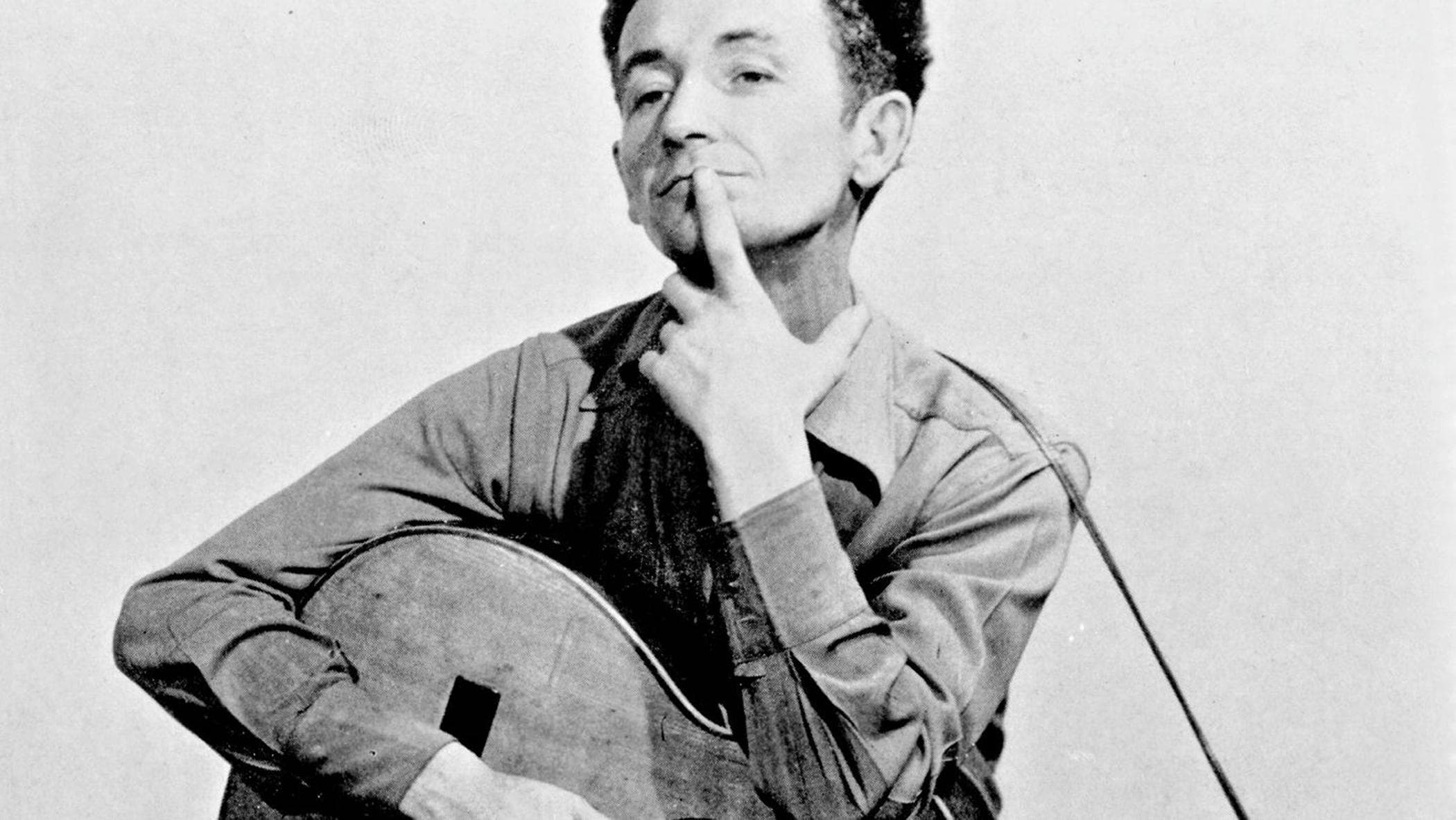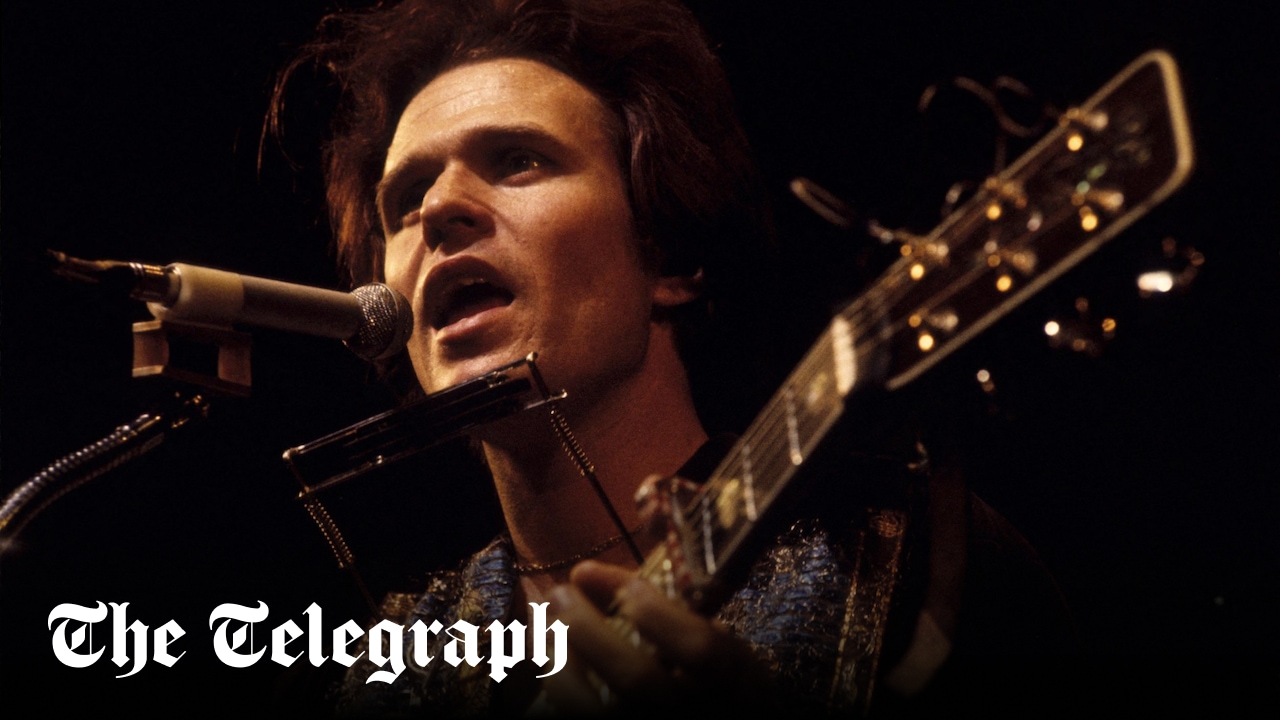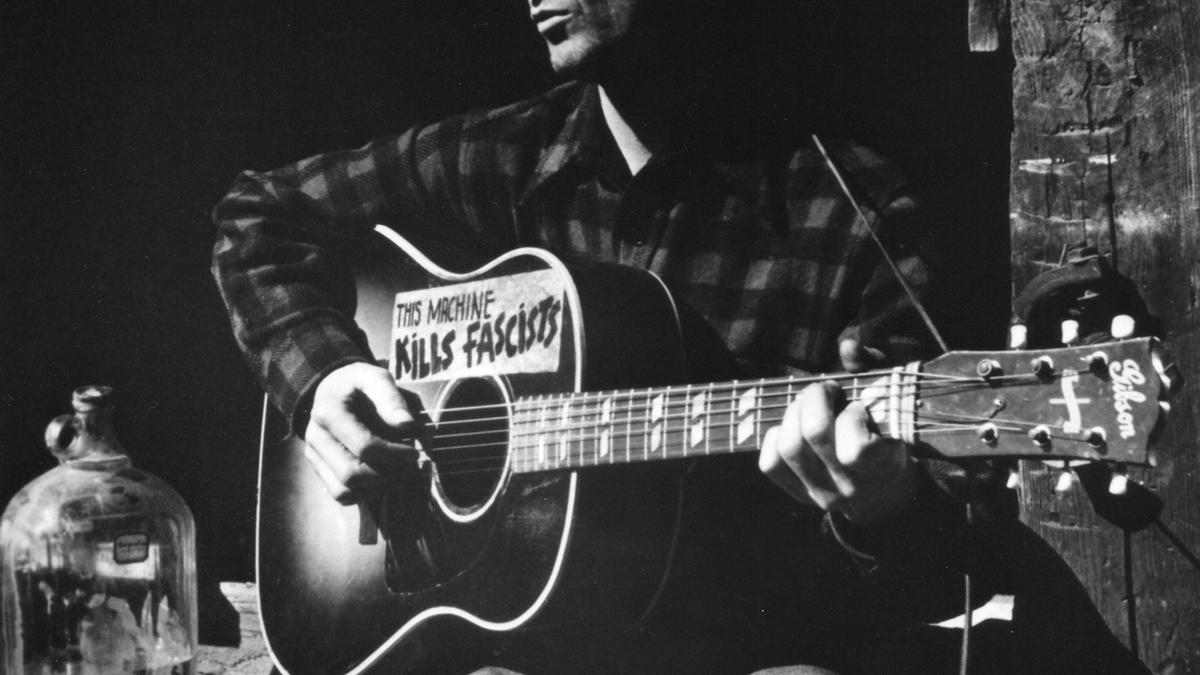
It was last year around the rainy season that I stumbled upon the previously unreleased Woody Guthrie songs from the 1950s. Recorded in the early 1950s, these songs return to a world still struggling with the same moral questions of migrants, war, displacement, and social justice that Guthrie wrote about with such compassion. Their re-emergence is a reminder that history’s unresolved injustices continue to echo across generations.Listening to those recordings, I felt a strange tug of recognition, as if a voice from my boyhood had resurfaced to speak again in a world grown darker, racist, and more divided. Woody Guthrie, one of America’s most influential folk singers and songwriters, was always there in the background of my growing years. I remember him for giving voice to the homeless, turning their suffering and resilience into songs of extraordinary moral force, particularly his song, This Land Is Your Land. But hearing his “undiscovered” music now, at this fraught moment in history, struck me differently. Guthrie, in one of those underground songs, imagines Fred Trump (Donald’s father) “stirring up racial hate … when he drawed that color line … at his … family project”. His words, buried for decades, resonate in today’s dismal Trumpian world as warning against postwar American landlord capitalism that is characteristically exclusionary and continues into the present.I recall, as an undergraduate, being fascinated by Guthrie’s ability to turn simple chords into plaintive melody. He now takes me back to my personal history of growing up in times when we also listened to Pete Segger, Bob Dylan, Simon and Garfunkel, voices that taught us, before we quite had the words for it, that music and meaning were inseparable, and that a song could carry the weight of an entire world’s conscience. I believe his music speaks to this moment, to the fractured times we find ourselves in, the ethnic wars, the sectarian upheavals, the casual brutalities that have come to feel almost routine. These were precisely the warnings we did not listen carefully enough.To me, his songs were munitions, scratched on battered guitars with the words This Machine Kills Fascists. Even then, before I could fully grasp their politics, I sensed they belonged to farmers cast off their land, to workers standing hungry before locked warehouses, to migrants carrying their children into uncertain futures. And I recalled Guthrie’s line: “Nobody living can ever stop me, / As I go walking my freedom highway,” a declaration that no wall, no border, no fear should stop people yearning for belonging.And perhaps that is why Guthrie returned to me in the wake of last year’s floods in Punjab. Water spilling across our villages carried me back to stories of the rivers before Partition, when the Sutlej and Ravi flowed freely through lands where Sikhs, Hindus, and Muslims lived together without suspicion. My elders spoke of a Punjab unscarred by borders, where land was not yet divided by barbed wire or hatred. Partition changed that forever. Fields were abandoned, neighbours lost, memory scarred. Listening to Guthrie today, I realise that Partition was a moment when people were uprooted not by wind and sand, but by politics and the cruelty of a line drawn on a map.No deed, no fenceAt the heart of Guthrie’s vision was the conviction that land belongs to no deed and no fence; it is made, as he sang , for you and me. It was no saccharine patriotic hymn but a radical critique of exclusion, of “No Trespassing” signs, and of hungry people staring at locked doors of plenty. I cannot help hearing those words today in the cries of Palestinians, exiled from olive groves and ancestral soil. I see farmers in Ukraine anguished with their fields turned to rubble, their homes occupied.Even in America itself, the land Guthrie sang for, the contradiction has never been sharper. Immigration policies under Trump continue to create a climate of fear and trauma lacking in basic humanitarian sensitivity. Migrants who harvest the fields, build the cities, and care for the children are vilified as intruders. Trump’s America has perfected this cruelty by ripping families apart, caging children, turning back asylum seekers. And across his recordings the refrain still echoes: “Ain’t got no home in this world anymore.”As I listened to those “new” Guthrie songs, I felt they were not relics but summons. They reminded me that music, like rivers, resists partitions. It flows across generations, carrying memory and defiance. Just as the Punjab floods remind us that water does not obey borders, Guthrie’s music reminds us that art cannot be silenced and that music has its own ways of seeping through borders at the right time and the right place. I carry this with me as both memory and responsibility. I remember the stories of rivers before Partition, when land was not yet turned into a wound.And I recognise, in today’s refugees and migrants, the same stubborn endurance Guthrie sang of, the refusal to disappear, the insistence on belonging. Woody Guthrie’s music rises again today not as longing but as foresight. It tells us that borders cannot erase memory, and that those cast out will always find their song. As Lebanon burns, as Ukraine bleeds, as immigrants are told to leave lands they have laboured to build, Guthrie whispers across time: “This land is not theirs to hoard. It belongs to the people, in their struggle and their hope.”shelleywalia@gmail.com
This land is your land
Discover how Woody Guthrie's timeless music resonates with today's struggles of migration, social justice, and enduring hope.
896 words~4 min read