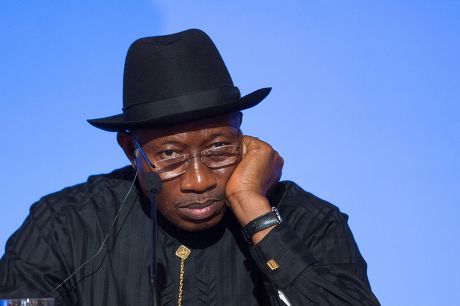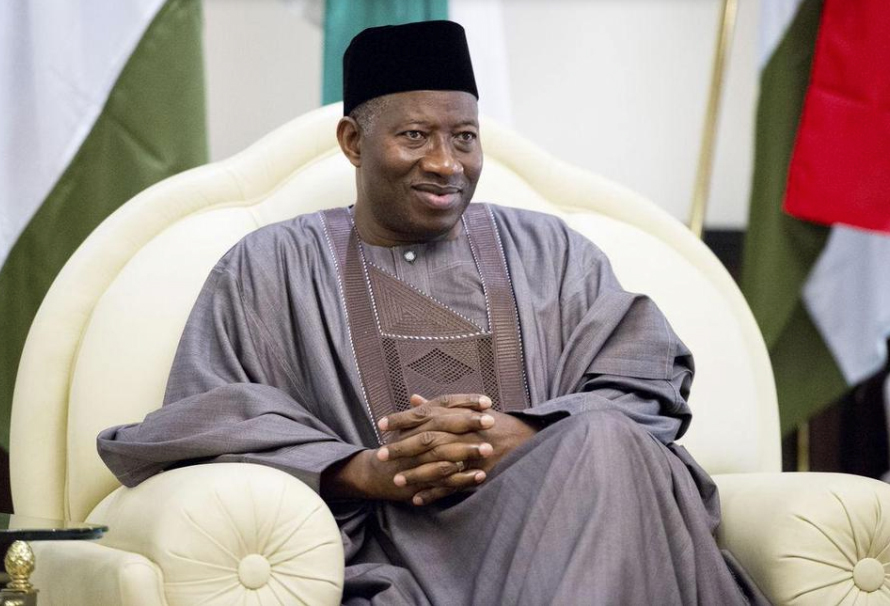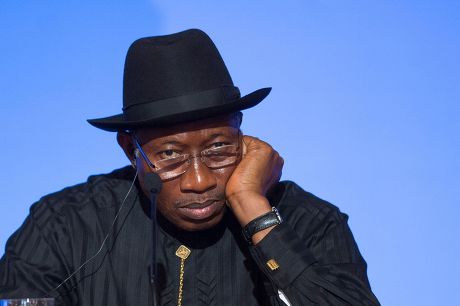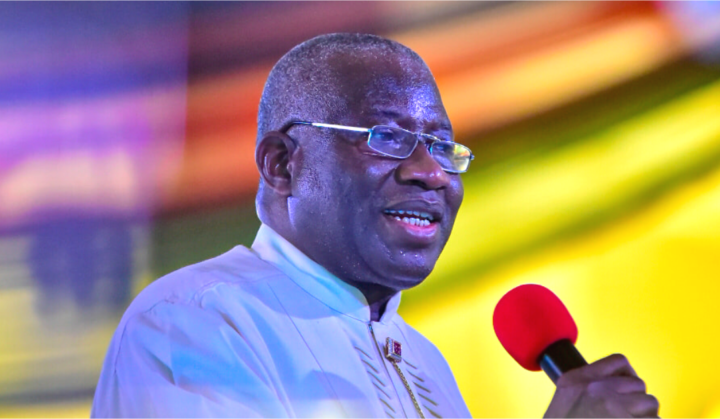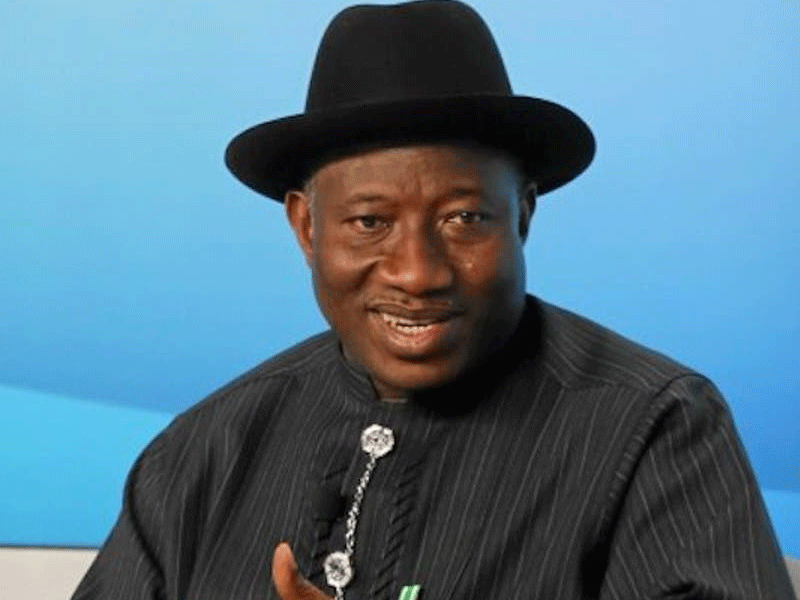
As Nigeria’s political atmosphere gradually gathers momentum ahead of the 2027 general elections, one name continues to echo quietly but persistently across the corridors of power, media conversations, and public discourse: former President Goodluck Jonathan. Yet, despite the growing speculation surrounding his possible political return, the former Nigerian leader has maintained an almost studied silence, leaving many Nigerians uncertain, curious, and increasingly uneasy.
In politics, silence is rarely empty. It often speaks louder than declarations. And in Jonathan’s case, his refusal to categorically define his position on the 2027 presidency has become a subject of national intrigue.
Across party lines and regional interests, conversations about the former president’s political future continue to deepen. Supporters see him as a stabilising figure with democratic credentials and international goodwill. Critics, however, argue that Nigeria cannot afford prolonged political ambiguity at a time when the nation urgently requires clarity, direction, and decisive leadership.
What makes the uncertainty even more compelling is Jonathan’s unique place in Nigeria’s democratic history. As a former president who conceded defeat peacefully in 2015, he earned global respect and etched his name into the annals of democratic statesmanship. Since leaving office, he has cultivated the image of a calm elder statesman, frequently engaged in peace missions, electoral mediation, and diplomatic interventions across Africa.