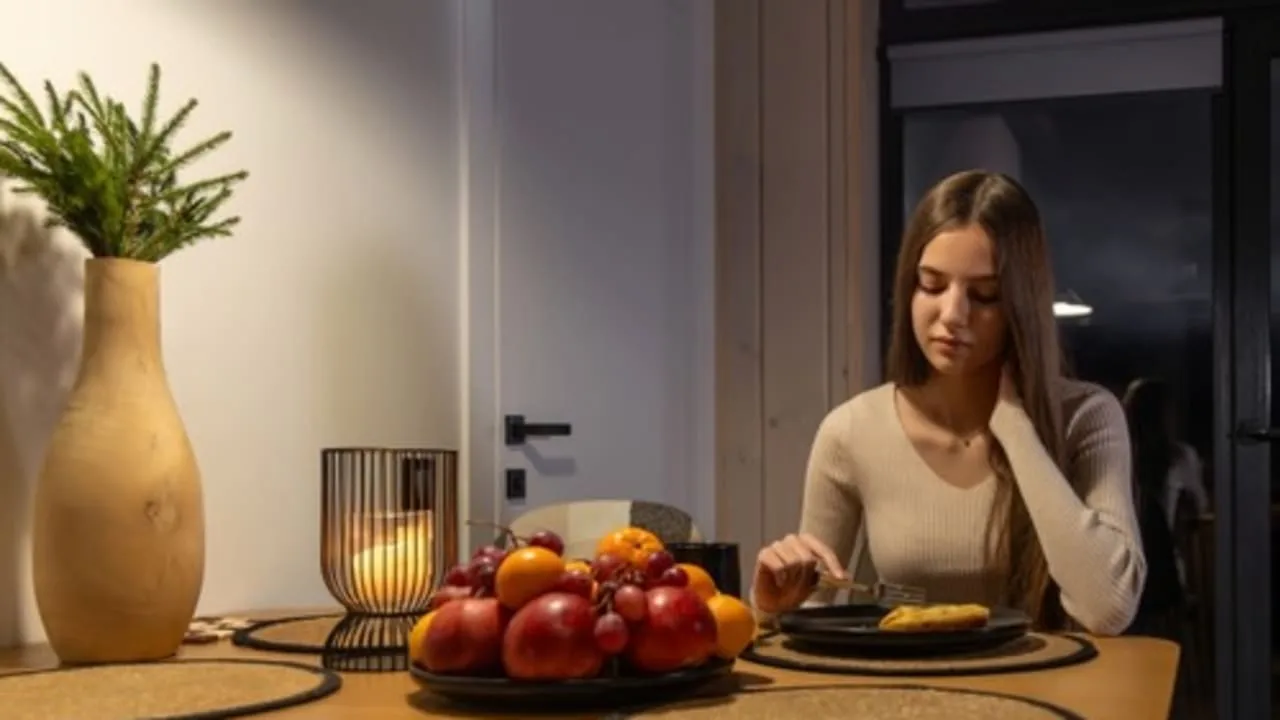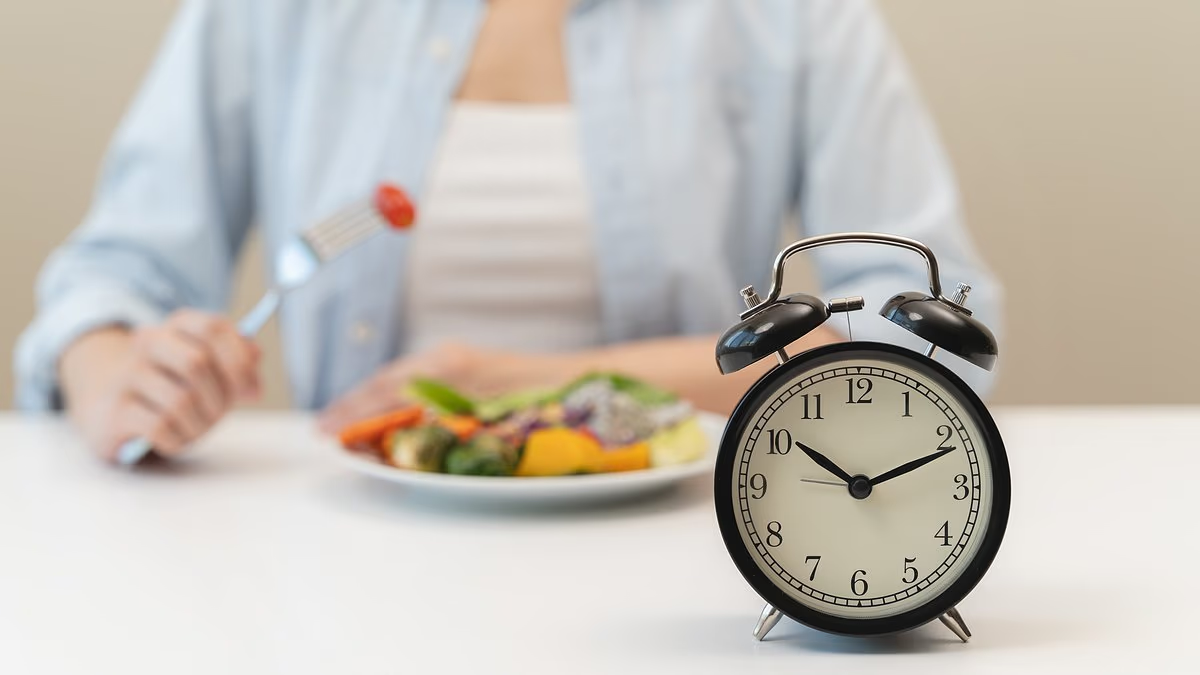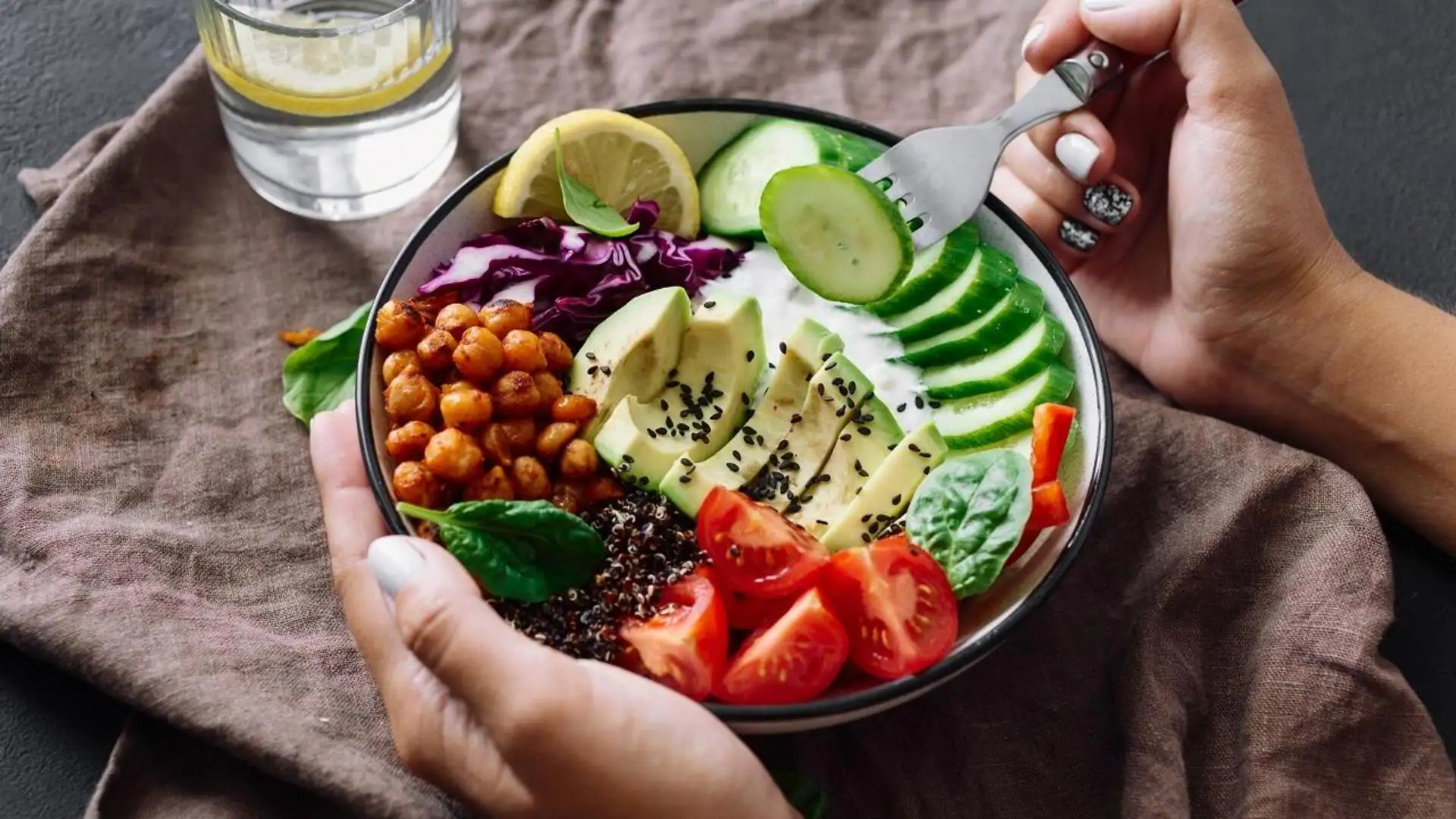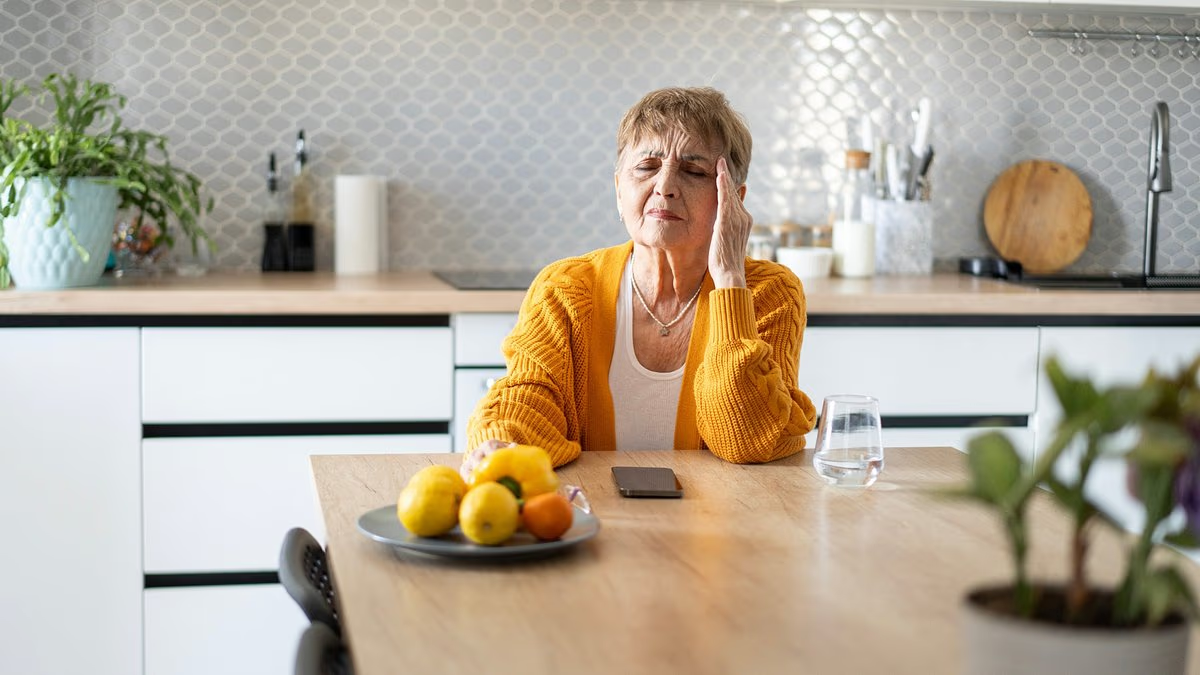
When it comes to better brain and heart health, it’s not just what a person eats - it’s also when they eat that matters.The key, researchers from Northwestern University Medicine say, is aligning meal and fasting periods with your bedtime. Ideally, experts recommend dinner between 5 pm and 7 pm. However, if that doesn't align perfectly with your schedule, researchers said the meal should not be eaten any later than three hours before going to sleep. Eating dinner at least three hours before bedtime helps improve blood pressure and heart rate overnight and supports a healthy day-night heart rhythm, all markers of better cardiovascular health. A healthy heart, in turn, helps keep the brain sharp by ensuring steady blood flow and reducing the risk of stroke.‘It’s not only how much and what you eat, but also when you eat relative to sleep that is important for the physiological benefits of time-restricted eating,’ said Dr Phyllis Zee, senior study author and sleep medicine expert at Northwestern University.The three-hour rule is simple: stop eating at least three hours before turning out the lights. That means dinner time can vary based on bedtime.For someone who is lights out by 9 pm, an early dinner of no later than 6 pm is recommended. For more of a night owl who doesn't turn in until 11 pm, their dinner should be finished by 8 pm at the latest. The three-hour rule is simple: stop eating at least three hours before turning out the lights. That means dinner time can vary based on bedtime (stock)
Exact time to eat dinner to reduce risk of strokes and memory loss
New research suggests that when it comes to protecting the brain and heart, the timing of dinner may be just as important as what's on the plate.
TL;DRAI
Northwestern Medicine found a ≥3h dinner-to-bed gap reduces nighttime heart rate by 2.3 bpm and cortisol 12% over 8 weeks (39 adults, no diet changes). Improved insulin sensitivity and overnight BP dipping lower long-term stroke and cognitive decline risk — drug-free, ~90% adherence.
1,153 words~5 min read