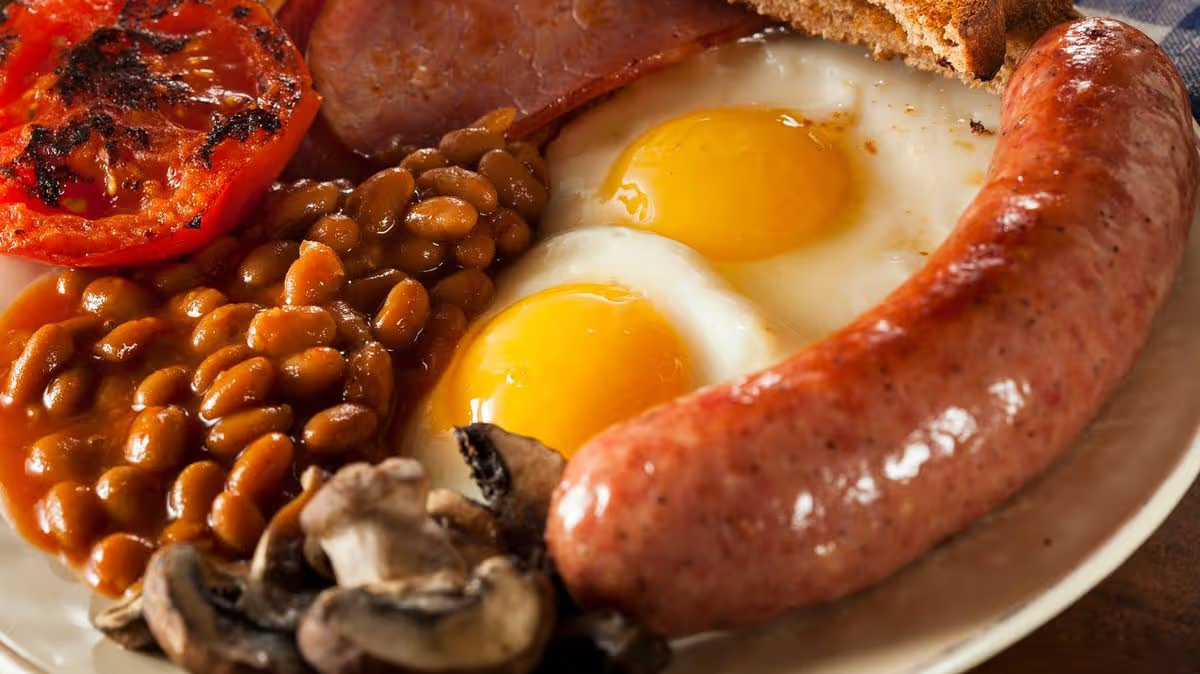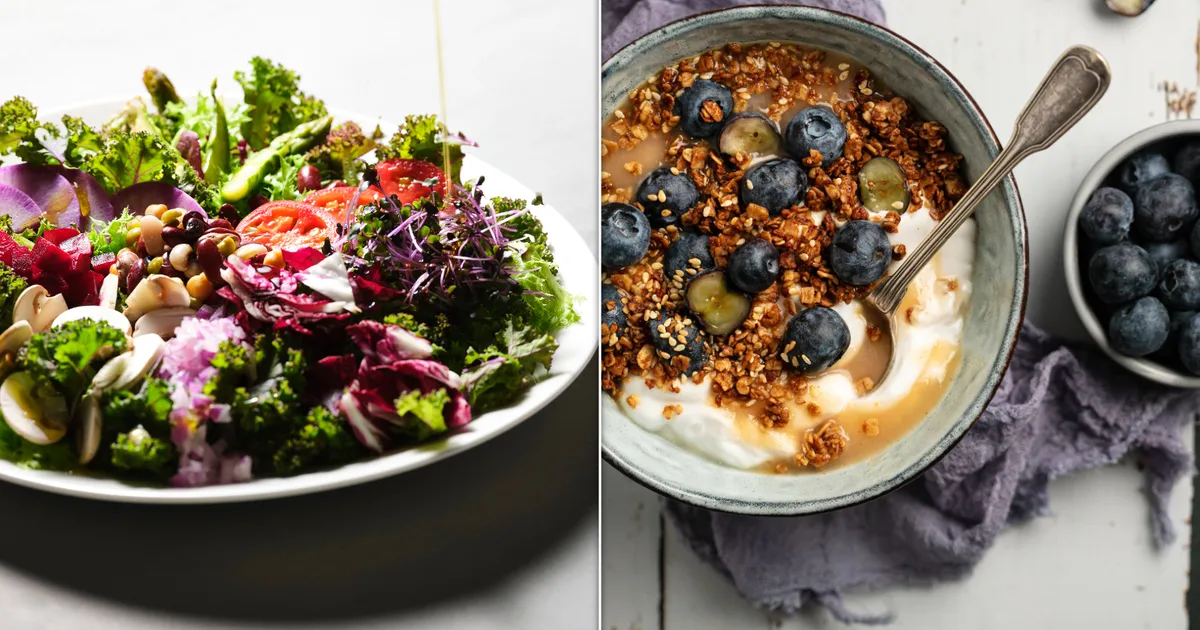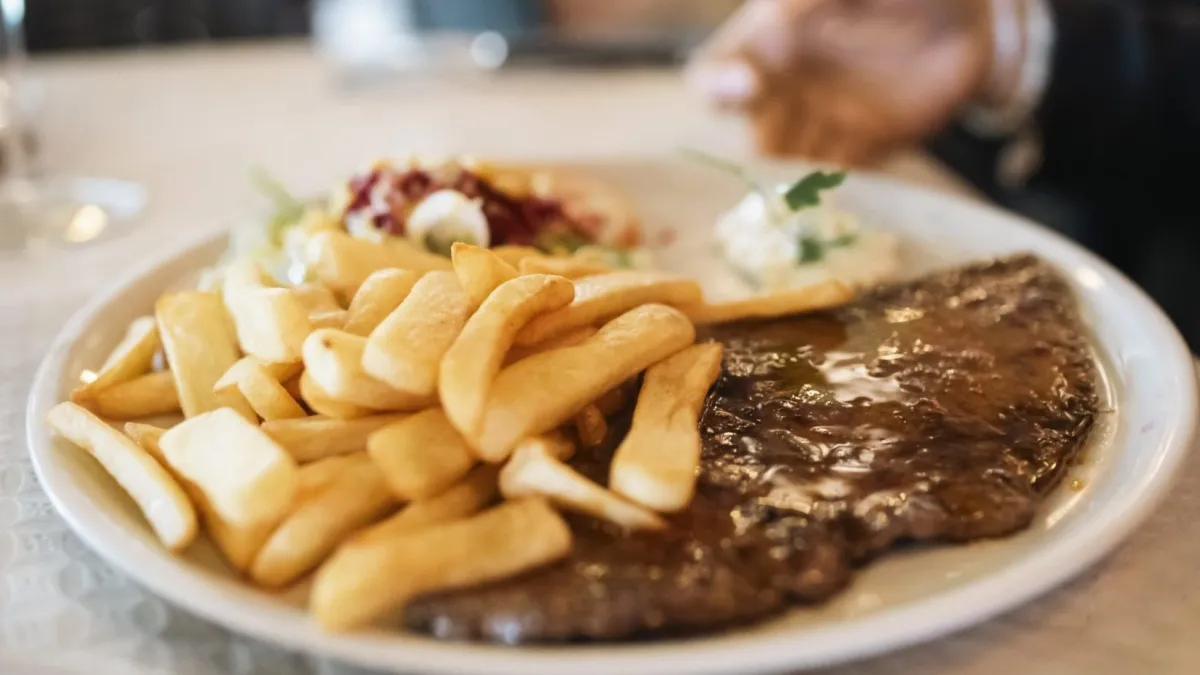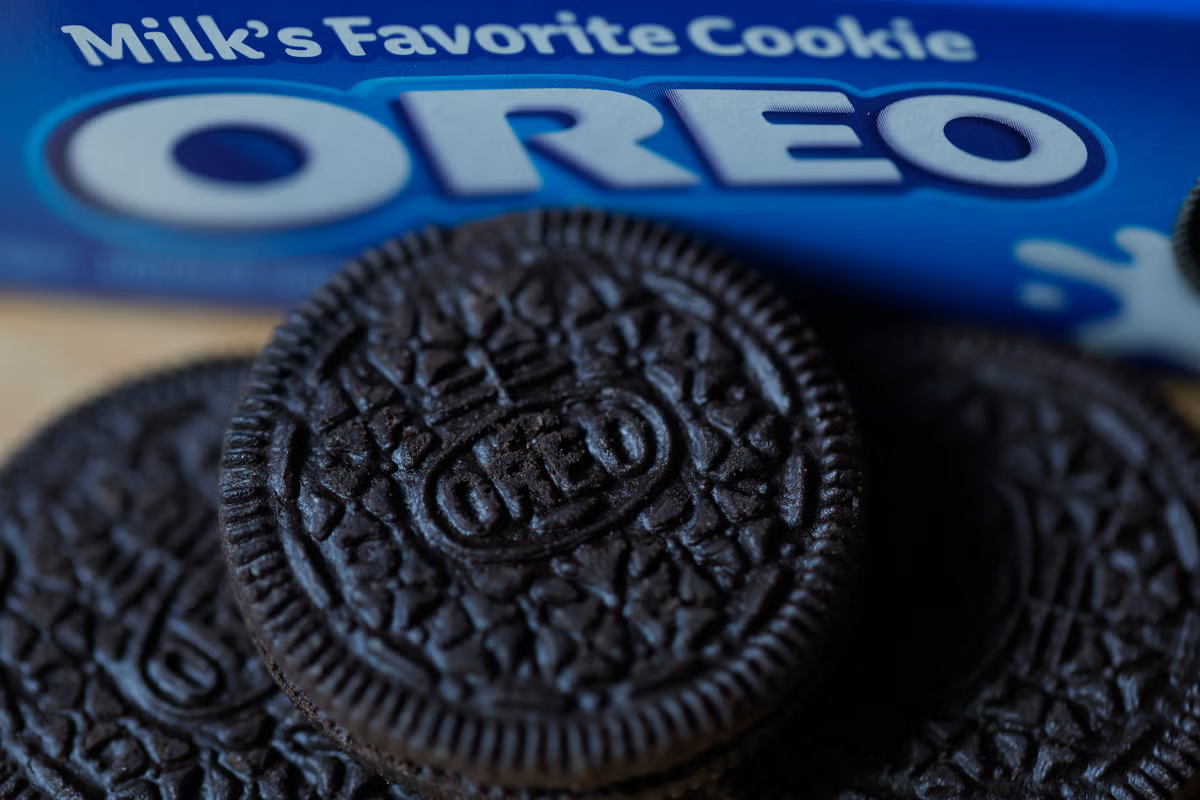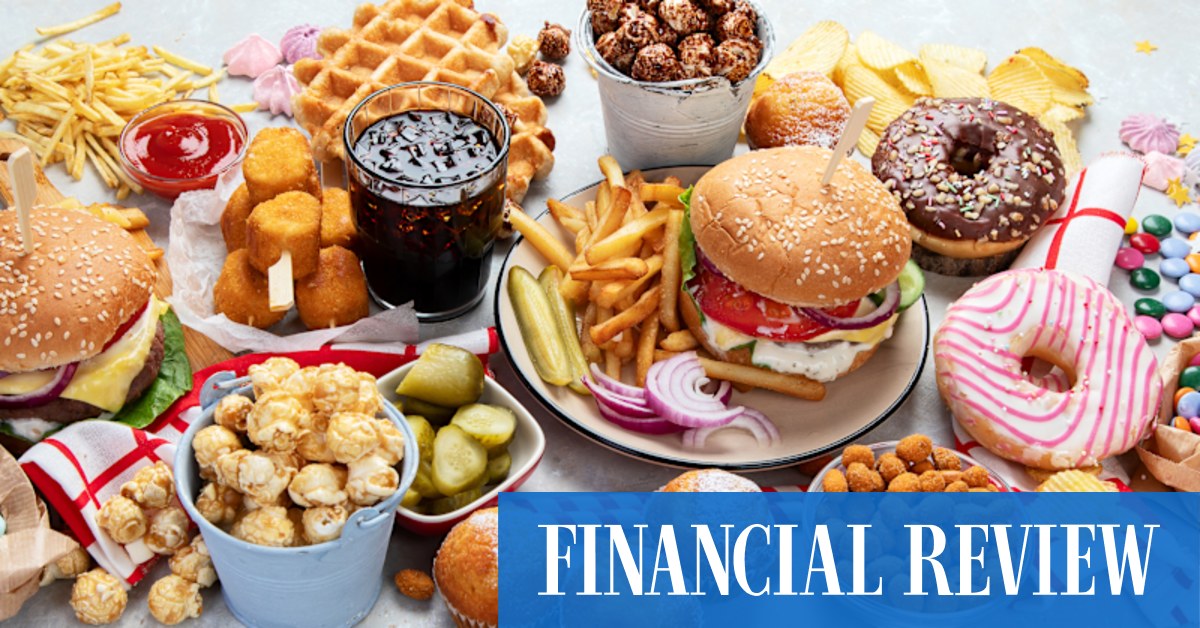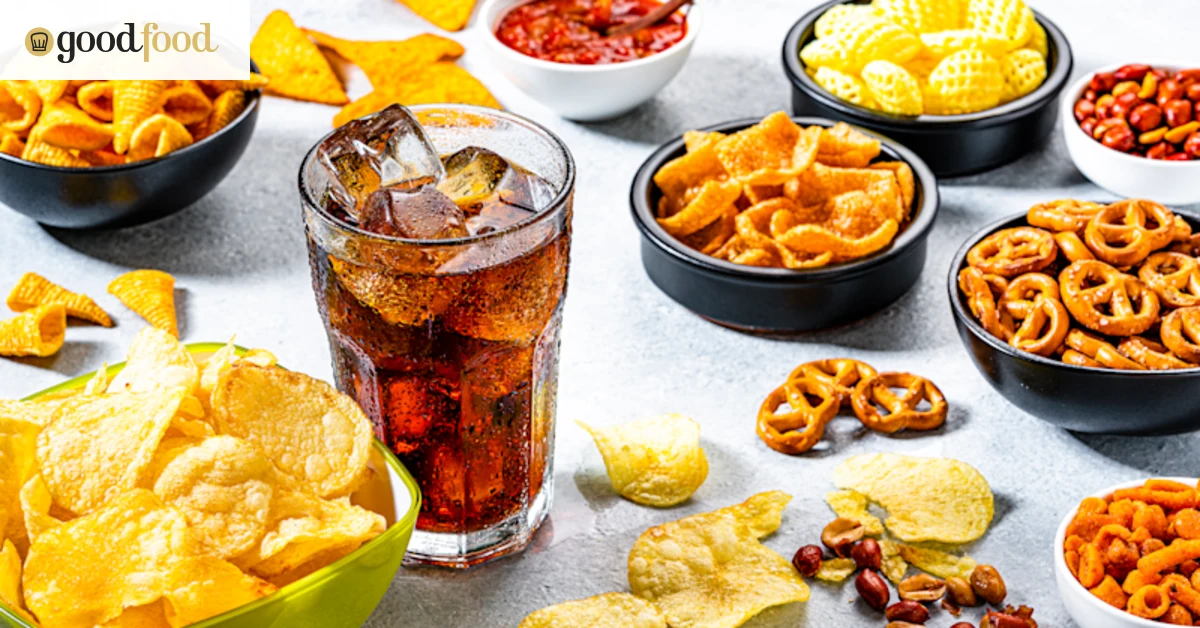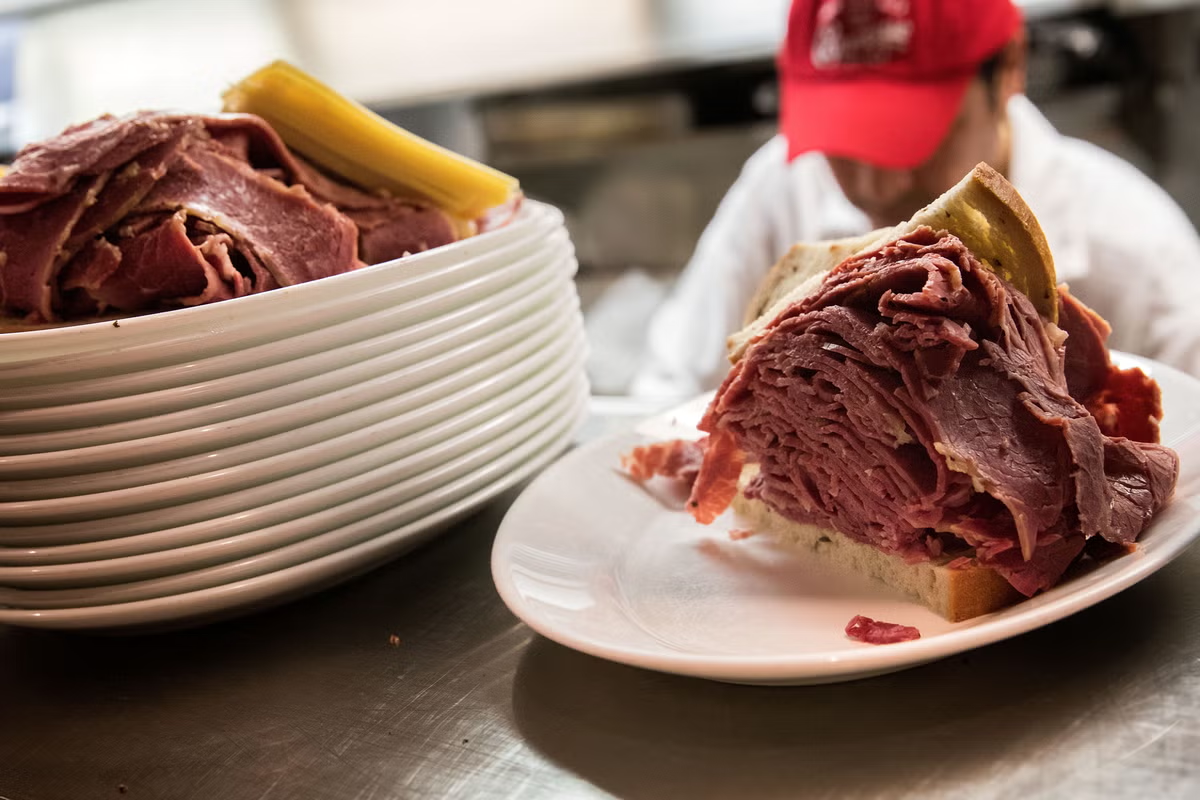
Research has found that eating certain foods may be linked to a higher risk of dementia10:45, 04 Jun 2026Dementia is one of the most challenging conditions anyone can encounter, wreaking havoc not just on the individual with the diagnosis, but on their family members as well. It's little wonder, then, that many people will do whatever they can to lower their chances of getting the disease.However, this could spell trouble if you're partial to a full English breakfast. Research has revealed ultra-processed foods such as bacon, sausages, and beverages loaded with artificial sweeteners may heighten your dementia risk.A Chinese study published in 2022 found those consuming more ultra-processed foods face a higher likelihood of developing dementia compared to people following a more nutritious diet.Among the 72,083 participants in the research, 518 went on to develop dementia, with Alzheimer's disease identified in 287 cases and vascular dementia in 119.Dr Rosa Sancho, Head of Research at Alzheimer's Research UK, said: "We don't know for sure why people who eat ultra-processed foods show an increased risk of dementia, reports Surrey Live.The researchers suggest it could be because these diets involve lower levels of important nutrients like fibre, because they include too much sugar and sodium, or because they may lead to high blood pressure or inflammation, which can be bad for long-term brain health."Dr Sancho noted other research indicated reducing your ultra-processed food intake by merely 10 percent could slash your dementia risk by 19 percent. She emphasised it's not simply your diet that can maintain brain health."We know that what is good for our heart health is also good for our brain health, so we encourage people to stay active, socially connected and involved in activities and hobbies that they enjoy," she said. "It is also important to maintain a healthy, balanced lifestyle."Examples of ultra-processed foodsFoods classified as 'ultra processed' are those which contain ingredients not typically found in kitchens, including additives, preservatives, sweeteners, and artificial colours, according to the British Heart Foundation. They usually have a lengthy shelf life.They frequently contain elevated levels of saturated fats, salt, and sugar. Examples of these types of foods include:Ham and sausagesMass-produced bread, breakfast cereals, instant soupsCrisps and biscuitsIce cream and fruit-flavoured yogurtsCarbonated drinks and some alcoholic drinks including whisky, gin, and rumArticle continues belowLink to depressionSeparate research has indicated there may be a connection between heavily processed foods and depression.The study led by Dr Raaj Mehta of Harvard Medical School and Massachusetts General Hospital found those with diets high in ultra-processed foods faced a significantly greater risk of developing depression.It also found those who reduced the amount of 'bad foods' they consumed by three servings daily were less likely to develop depression over a four-year period. Some experts have suggested this demonstrates artificial sweeteners may impact brain chemistry.
Foods linked to greater risk of dementia eaten for breakfast, lunch and dinner
Research has found that eating certain foods may be linked to a higher risk of dementia
464 words~2 min read