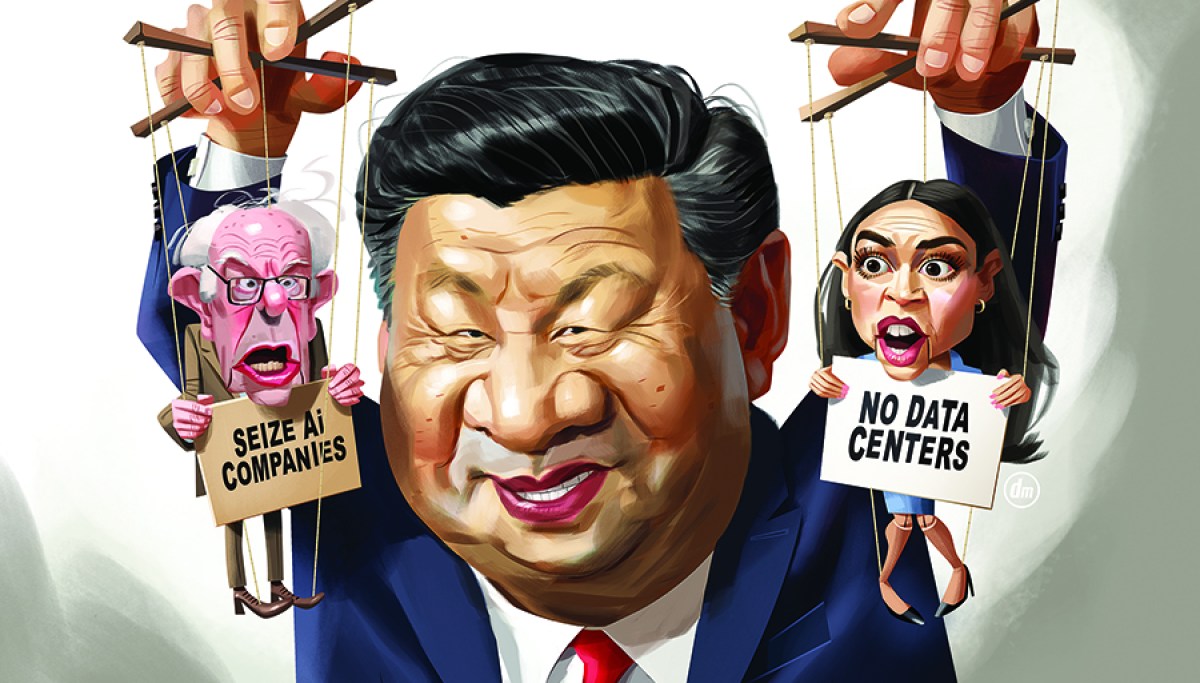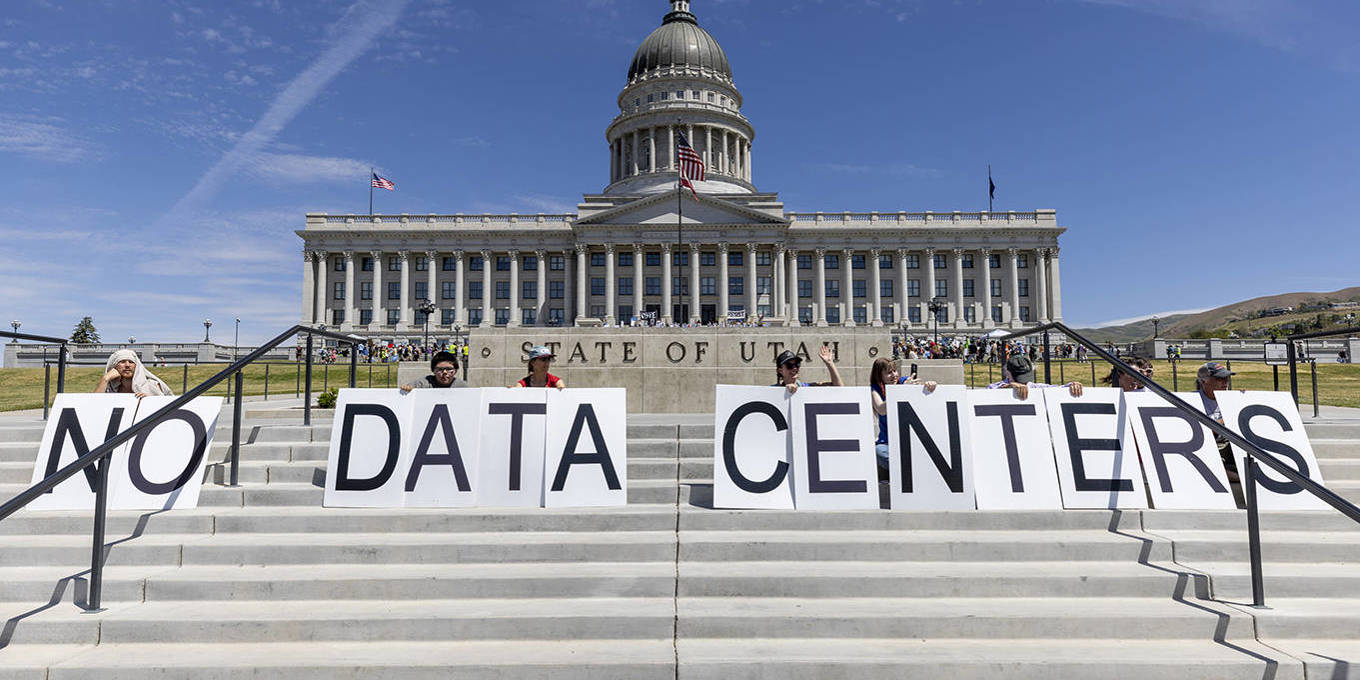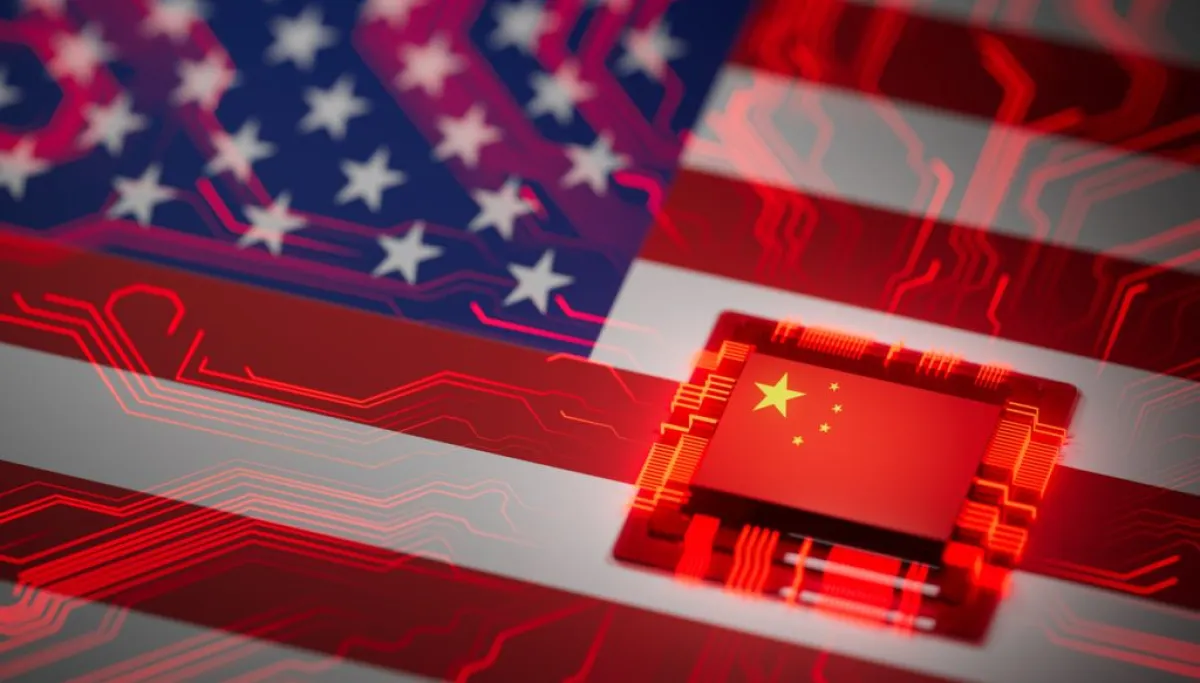
The anti-data center movement has gained rapid traction across the United States. Often portrayed as a purely grassroots response to local concerns, a recent report from the Bitcoin Policy Institute reveals a more troubling reality: significant foreign influence, particularly from actors aligned with the Chinese Communist Party, is coordinating efforts behind the scenes to hinder U.S. artificial intelligence development.The surge in AI has created massive demand for data centers, which are the critical infrastructure needed to train and run AI models. While these facilities do consume considerable energy and water, public portrayals of their impact are frequently exaggerated. In Karen Hao’s bestselling book “Empire of AI,” for instance, she claimed a proposed Google data center near Santiago, Chile, would use “more than one thousand times the amount of water consumed by the entire population” of a local town of 88,000. Analyst Andy Masley later exposed a unit conversion error (cubic meters vs. liters) that inflated the figure by roughly 1,000 times. Hao acknowledged the mistake and issued a correction, but the book continues to shape public discourse.Technological improvements, such as closed-loop cooling systems, can reduce freshwater usage by up to 70%. Despite this, data center projects face mounting opposition from communities and environmental groups. In his report “Foreign Influence in the Campaign against American AI,” Sam Lyman of the Bitcoin Policy Institute demonstrates that much of this pushback is not entirely organic. Foreign actors, especially those tied to the CCP, are actively working to slow U.S. AI infrastructure, including data centers.
Foreign influence operations are fueling the anti-data center movement
A future shaped by AI under the CCP’s control threatens to rewrite history and undermine the truth. Sustaining U.S. leadership in AI is therefore essential.
766 words~3 min read