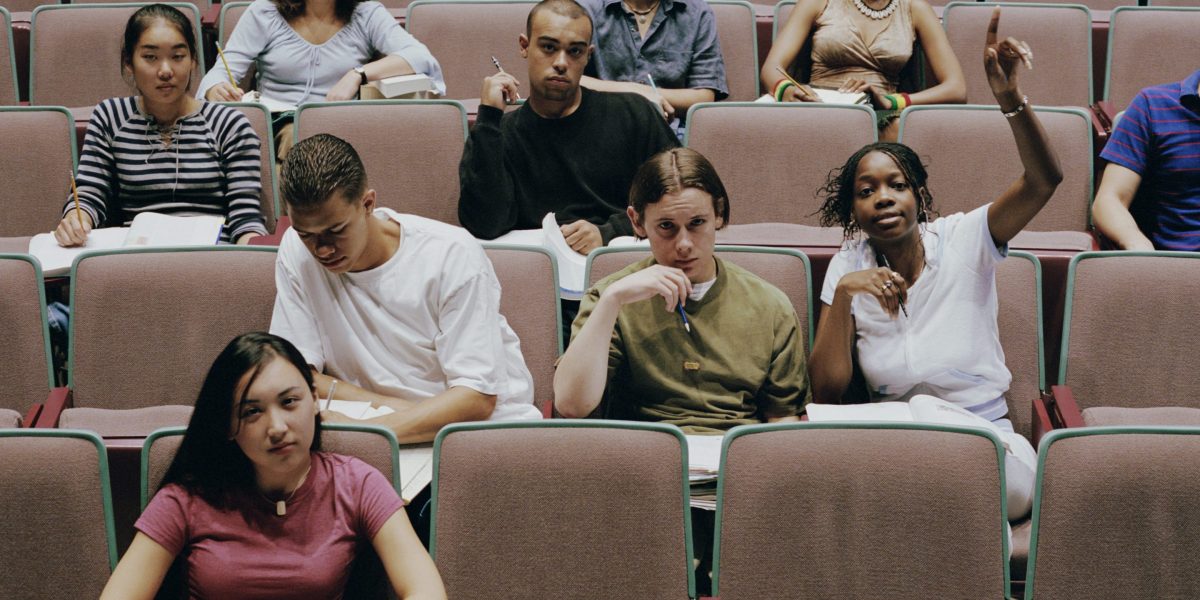
On a teacher’s best day, students are working toward one goal: solving a problem together. They organize themselves based on each other’s strengths and put their minds together to fill in the gaps as they go. This is organic. This is collaboration without hindrance.
The Future Is Bright
For many years now, I have had the pleasure of meeting the students of the winning teams for Toshiba/NSTA ExploraVision — the world’s largest K-12 science competition. Year after year I have been impressed with not only the ideas that come from these young minds but the viability of their projects in real-world applications.
In general, the students work to solve problems in their everyday experience. I’m not talking about potato batteries or baking soda and vinegar volcanoes; I’m talking about life-sized issues being tackled with complicated emerging technology. For example, this year, a team from Texas tackled energy overconsumption in data centers via a micro-gap thermal diode; a team from Virginia created an AI-powered drone that emits sound waves to eliminate the need for chemical pesticides; and a team of two kindergarteners from California designed an underwater alert system that uses a camera and AI technology to send an alert when someone is showing signs of drowning.