By Sally KornbluthMay 27, 2026
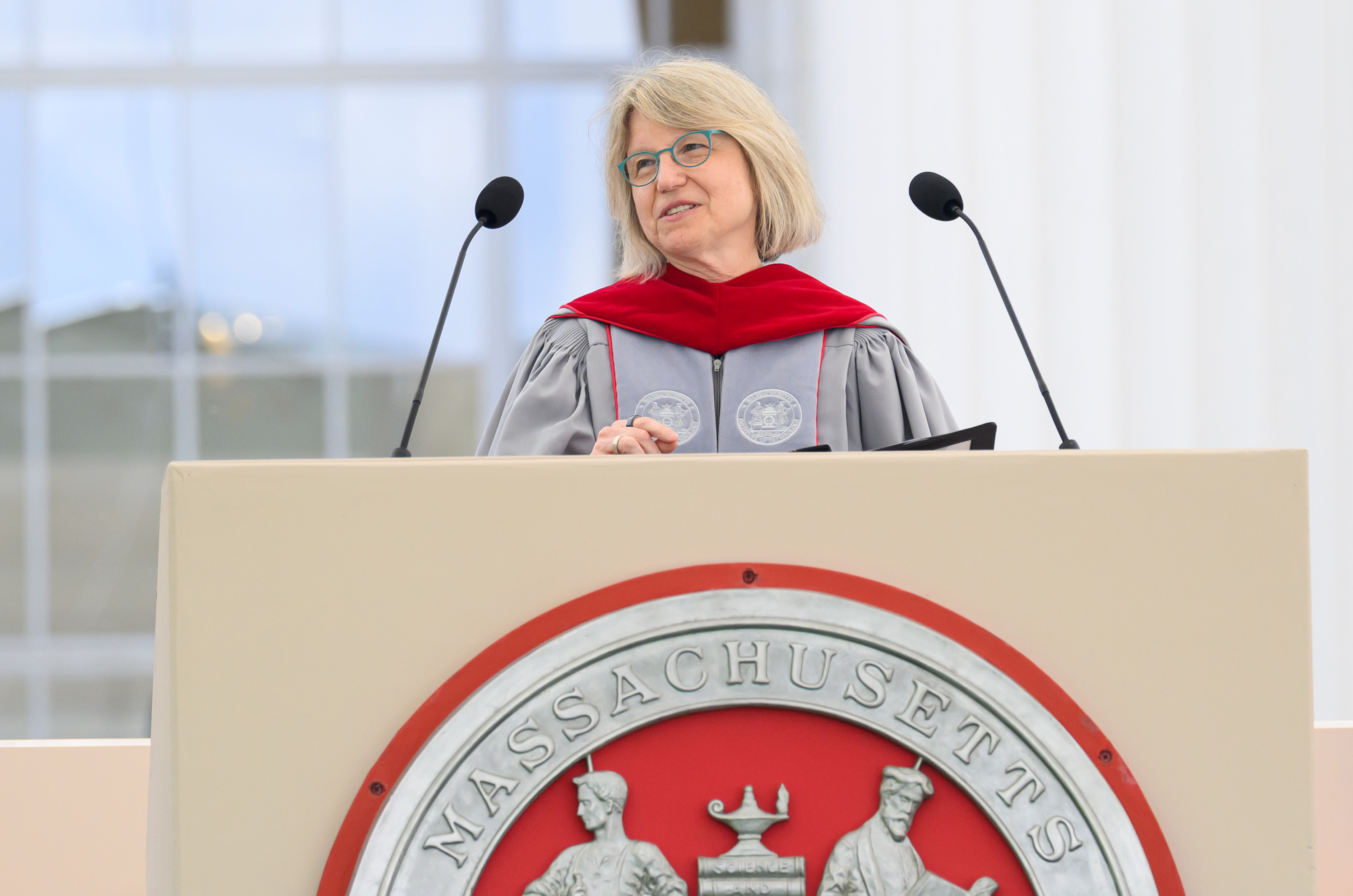
Kornbluth is the president of MIT.
Most successful scientists are optimists. They have to be, since the vast majority of experiments fail. In graduate school, I remember sitting in the lab at Rockefeller University in New York at 3 a.m., surrounded by stacks of culture dishes for growing cancer cells, none quite showing me what I hoped to find. But glimmers of interesting changes in the cells promised future success and made me feel the experiments wanted to work. That optimism drove me to keep trying. One day, they did work and I uncovered a new insight about a process in those cancer cells that no one had described before.
In 2026, there seem to be plenty of good reasons to be optimistic about science: Breakthroughs are everywhere.
At a recent dinner, the woman next to me glowed with so much energy that I was surprised to learn that she had been diagnosed five years ago with metastatic breast cancer. How had she done so well? She said she moved from one clinical trial to the next, following each new advance in the science — from therapies targeted against her general cancer type, to ones tailored to the genetic mutation that triggered her tumor, to therapies that unleashed her own immune system to fight the cancer. A death sentence turned into a manageable condition — thanks to the continuous investment in scientific discovery.