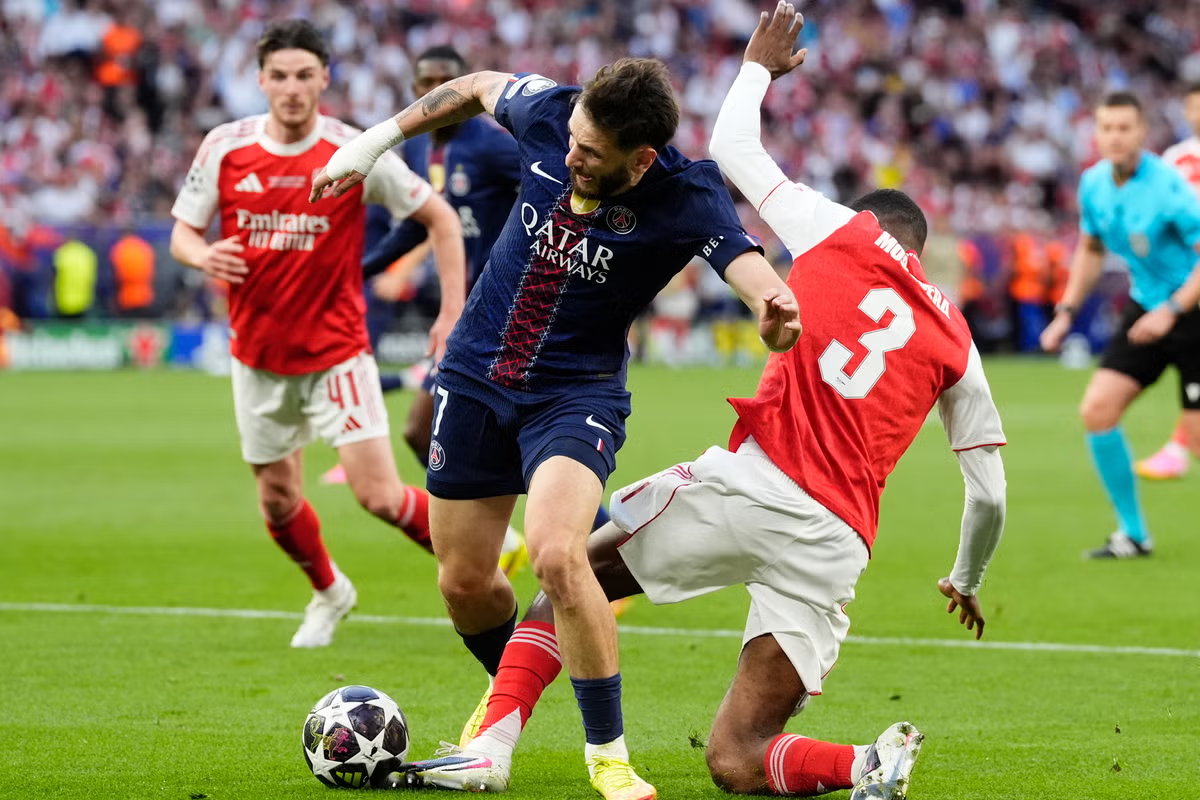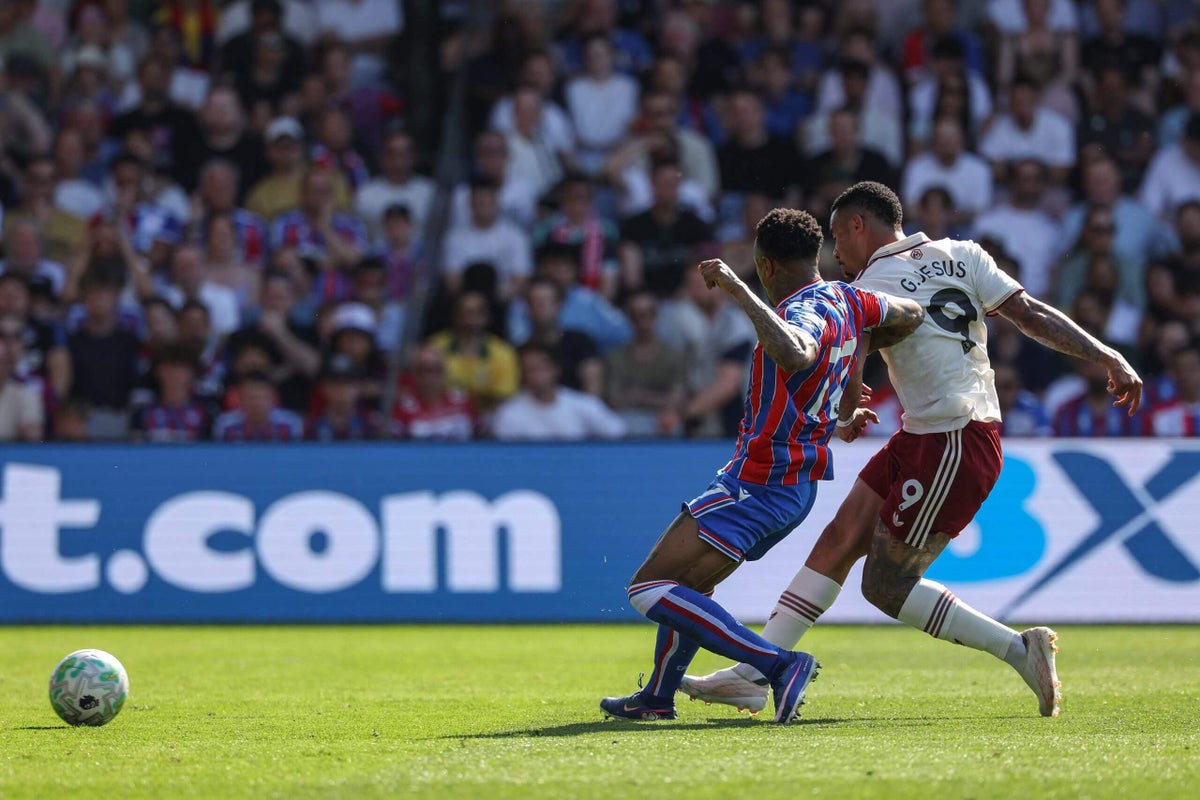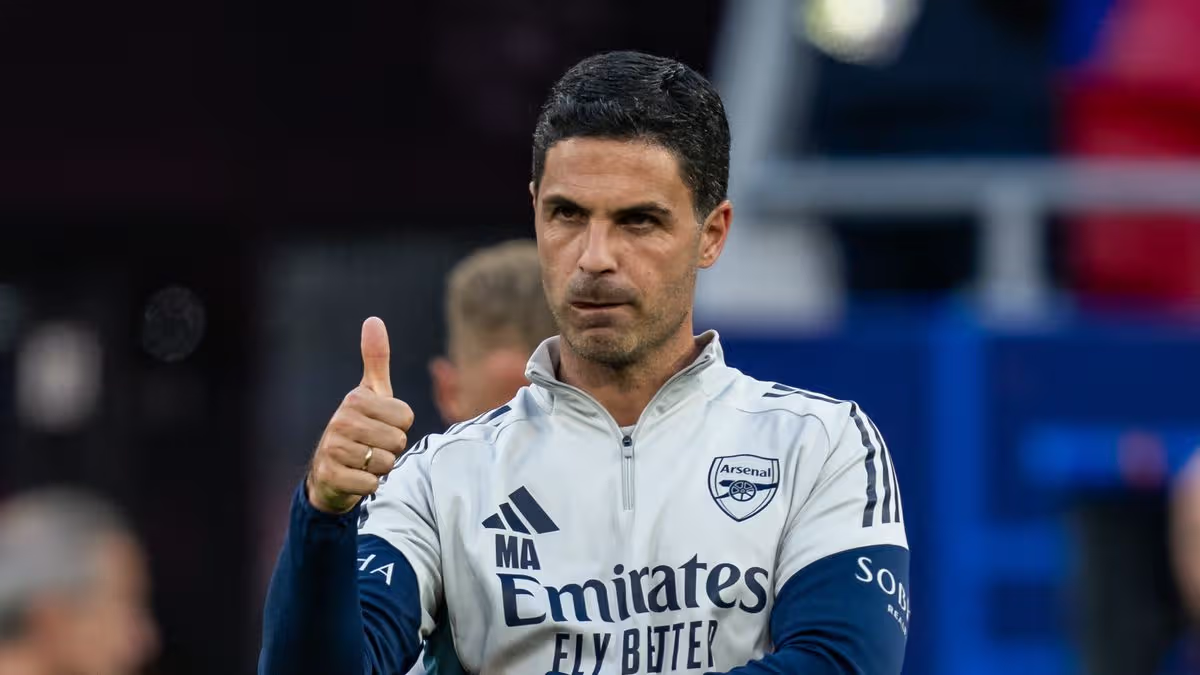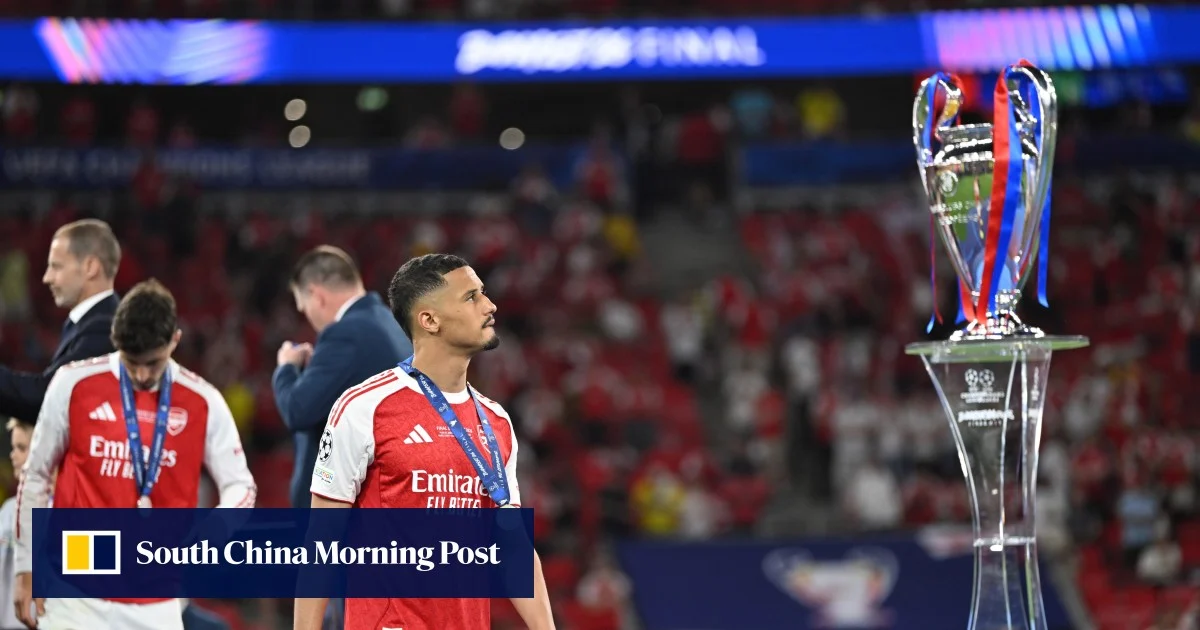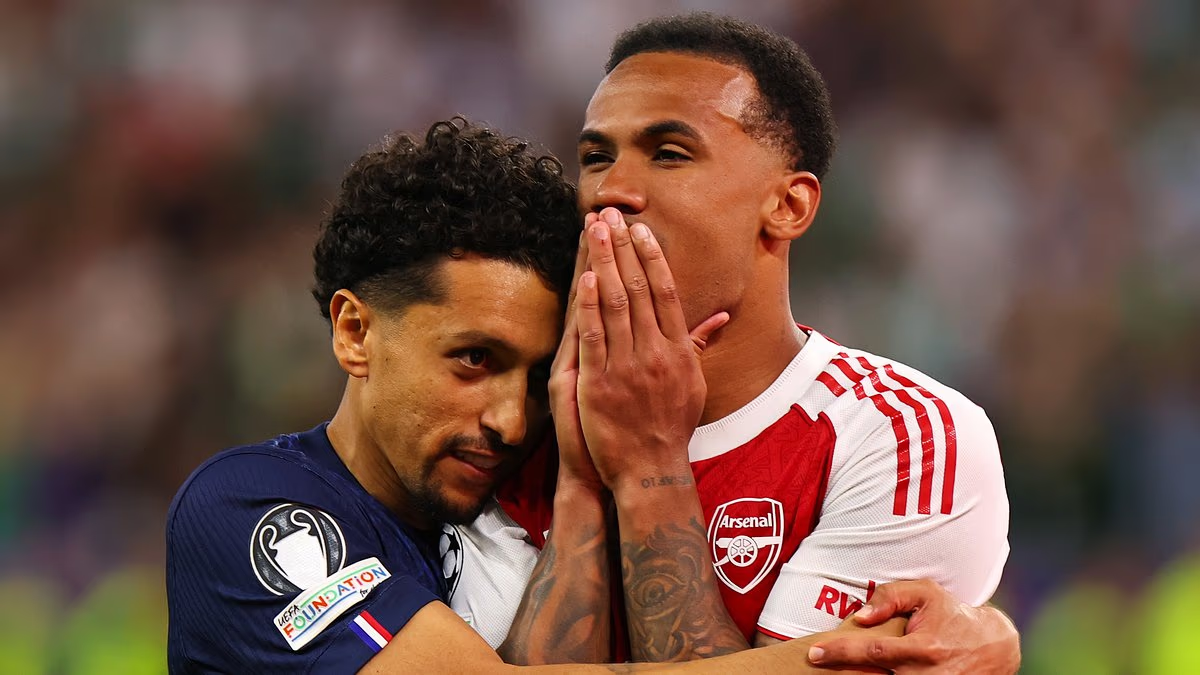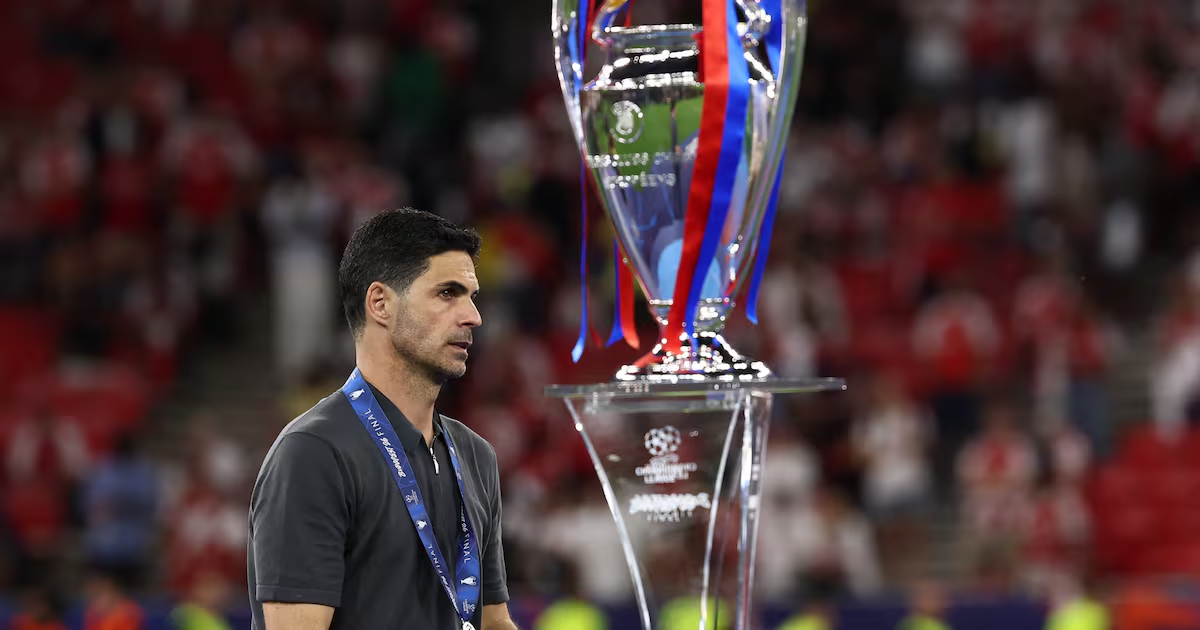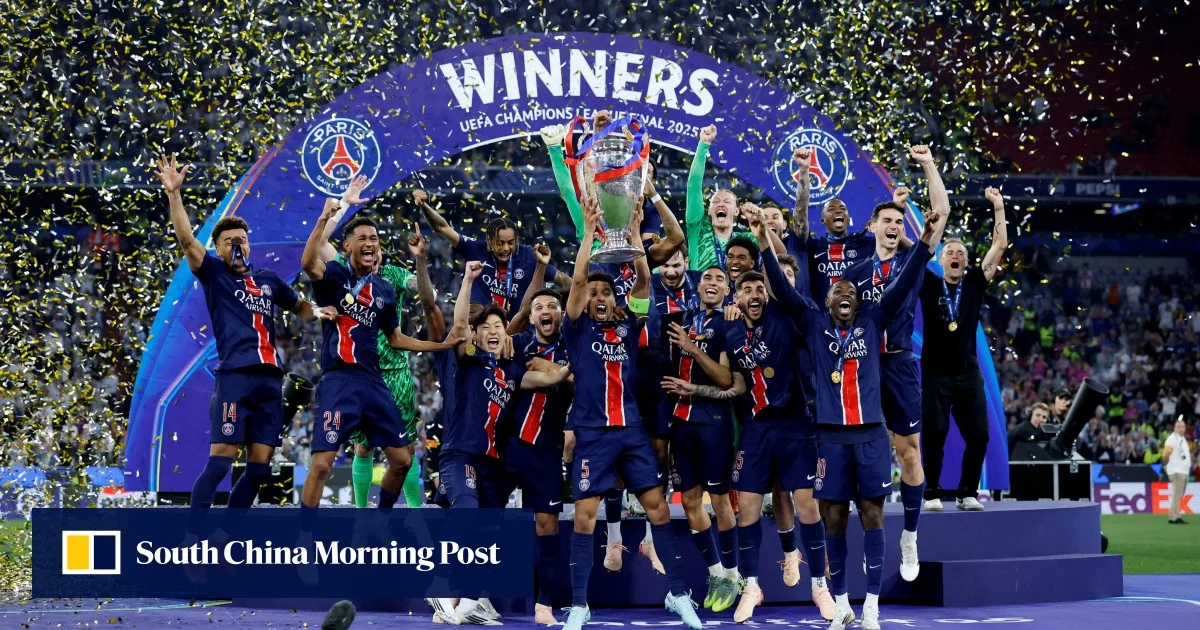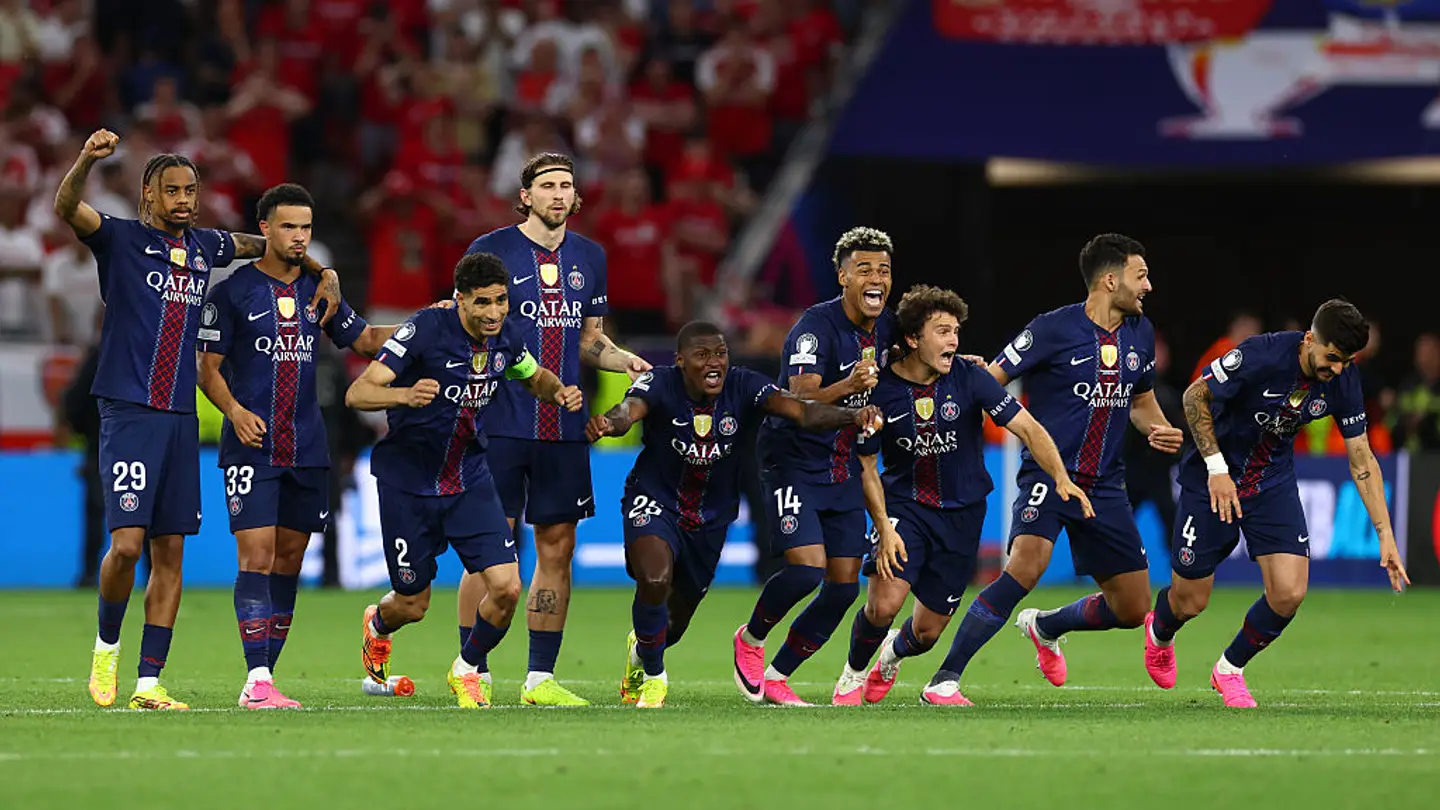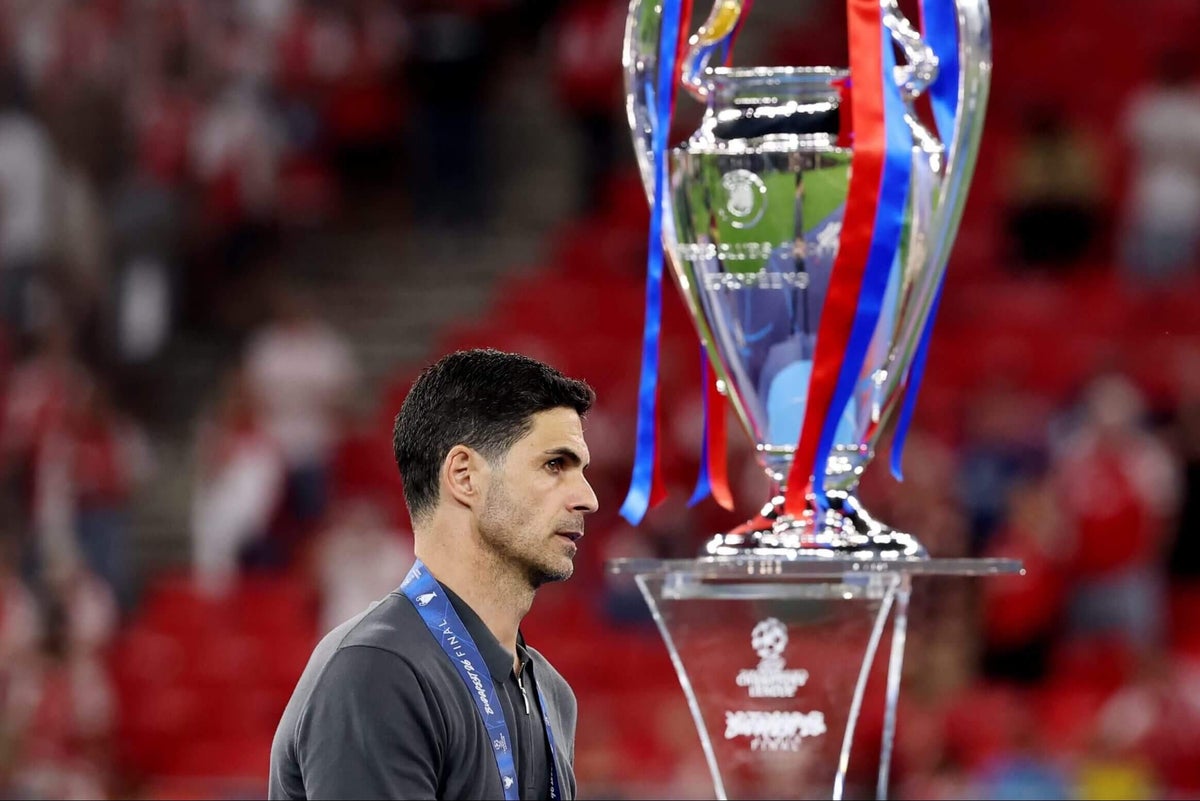
Ultimately, it was a contest that summarised Arsenal’s level of performance throughout 2025-26.Mikel Arteta’s side are among the most defensively solid teams European football has witnessed in recent seasons, and they largely did a good job of restricting Paris Saint-Germain to a handful of half-chances. But their level of attacking threat wasn’t at the required standard.PSG went into the final in Budapest as favourites. They boasted both a midfield better equipped to control the game, and an attacking trio more capable of providing the dribbling and the creativity too. Arsenal’s task was to shut down the game. A back-and-forth contest would favour Luis Enrique’s side. Mikel Arteta wanted something tighter, and that would mean the French champions dominating possession.That expected pattern was exaggerated by Arsenal going ahead early. The goal itself came out of nothing; a fortunate bounce for Kai Havertz, who took advantage of PSG’s centre-backs both being dragged out of position to run through on goal and hammer home.Arteta’s decision to go with Havertz over Viktor Gyokeres was framed as a big selection decision, but realistically, there was little chance the Swede would have been favoured here. Havertz, when fit, remains Arteta’s preference in big matches. A more interesting choice was using Declan Rice to the right of the midfield pairing, rather than to the left, presumably to help Cristhian Mosquera against PSG’s dangerous left flank, and to match Fabian Ruiz’s physicality.The slight fear from Arsenal’s perspective was that they might have scored ‘too early’. But they reached half-time without treating the game like a defence versus attack exercise. When PSG attempted to play forward from the back (which wasn’t all the time, as their goalkeeper Matvey Safonov is rather fond of hammering goal kicks out of play somewhere near the halfway line) Arsenal still committed their front four forward to press.Arteta’s side created a couple of promising situations by pushing up without possession — at one point, right-back Mosquera surprised Ruiz by following him into the centre of midfield, before pouncing to put Arsenal on the attack. PSG spent longer than they might have anticipated trying to work the ball forward from their own third.But that changed after half-time. Almost inevitably, Arsenal retreated and PSG spent long periods deep inside their half, rotating their forwards in search of a breakthrough.A serious chance never came, although when both Arsenal’s right-sided players, Mosquera and Bukayo Saka, received somewhat harsh bookings, it seemed logical for PSG to focus attacks down that side. Sure enough, Khvicha Kvaratskhelia’s give-and-go got him the wrong side of Mosquera, who brought him down. Ousmane Dembele equalised from the spot.Despite their involvement in the equaliser, though, neither of PSG’s two danger men were hugely dangerous — Arsenal largely prevented them from running with the ball. Curiously, the player who dribbled past opponents most often in this game was PSG’s left-back Nuno Mendes. In second place was Arsenal centre-back William Saliba, who went on two unexpected dribbles. Arteta would have happily taken that before the game.After the equaliser, Arteta immediately turned to his bench. Fit-again Jurrien Timber replaced Mosquera. The other change was more significant. Gyokeres was introduced, not as a replacement for Havertz, but alongside him. Captain Martin Odegaard was sacrificed.Gyokeres has performed well recently, notably in the second leg of the semi-final win over Atletico Madrid. Here, however, he desperately struggled to retain the ball and bring team-mates into play.Viktor Gyokeres has performed well recently, but struggled when he came on in the final (Will Palmer/Sports Press Photo/Getty Images)Worse still, Havertz — who had been doing that job very well, including in the build-up to his goal — was forced a little deeper, and Arsenal no longer played balls up to him, but to Gyokeres. There was logic to the switch, with Arteta hoping Gyokeres could work the channels. But after the change, Arsenal struggled to get up the pitch and created almost nothing.Other substitutes didn’t fare much better. Gabriel Martinelli offered renewed defensive energy to track Achraf Hakimi’s runs, but his decision-making and final ball was poor. This overhit pass, when Arsenal launched a rare counter-attack, was particularly frustrating.Noni Madueke replaced Saka, and he was brought down by Mendes, which left Arsenal screaming for a penalty — but he wasted a couple of corners from the right. Only Eberechi Eze, on in place of Havertz, offered composure in possession. In hindsight, Arteta might wish he’d replaced Odegaard with Eze, rather than Gyokeres. Safonov did not make a single save after Arteta’s changes.PSG’s bench wasn’t overwhelmingly impactful either. It would be unfair to say the game meandered to a draw; there was a period towards the end of the 90 minutes where it suddenly became quite open and stretched. Extra time passed without too much incident — PSG shaded it 0.2-0.1 in xG terms, and the Champions League final went to a shootout for the first time in a decade.The nature of a final means there must be a winner and a loser, heroes and villains, jubilation and tears. Really, though, this was very much a draw, with neither side doing enough in attack to win the game. That was roughly what Arsenal had wanted; the outcome of the shootout, of course, was not.May 31, 2026Connections: Sports EditionSpot the pattern. Connect the termsFind the hidden link between sports terms
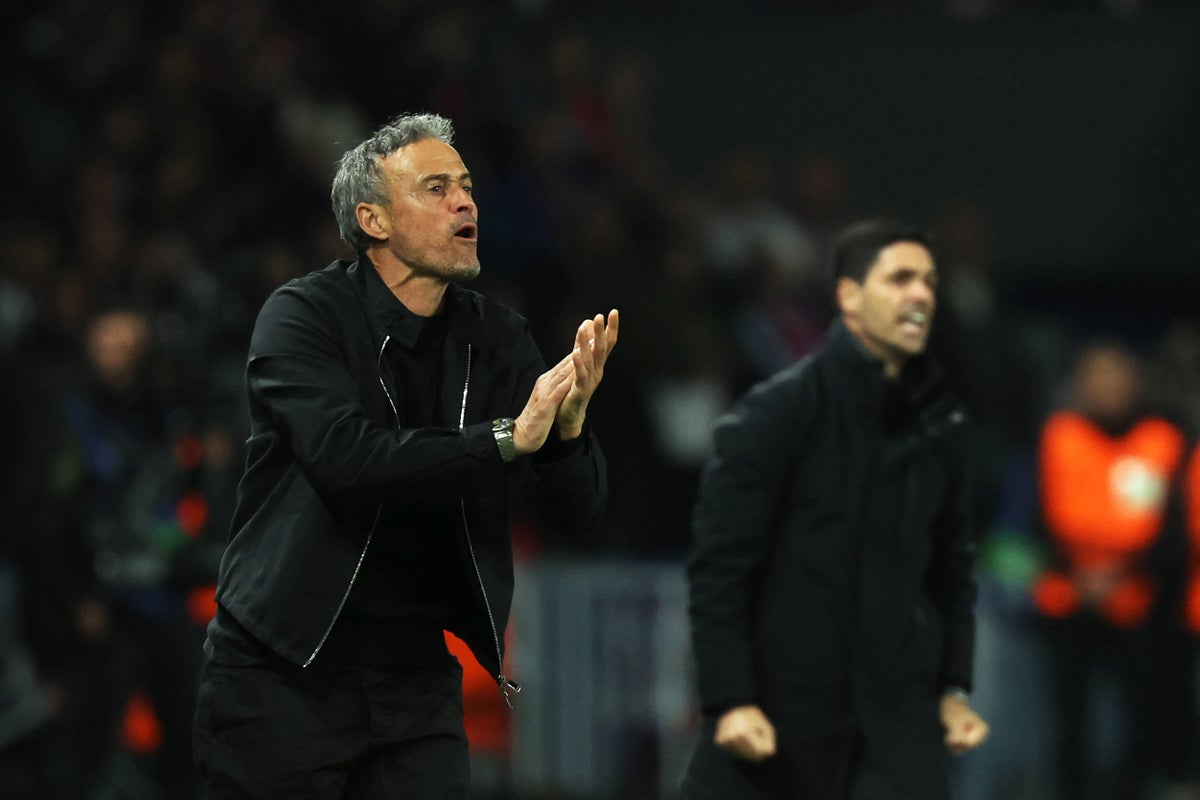
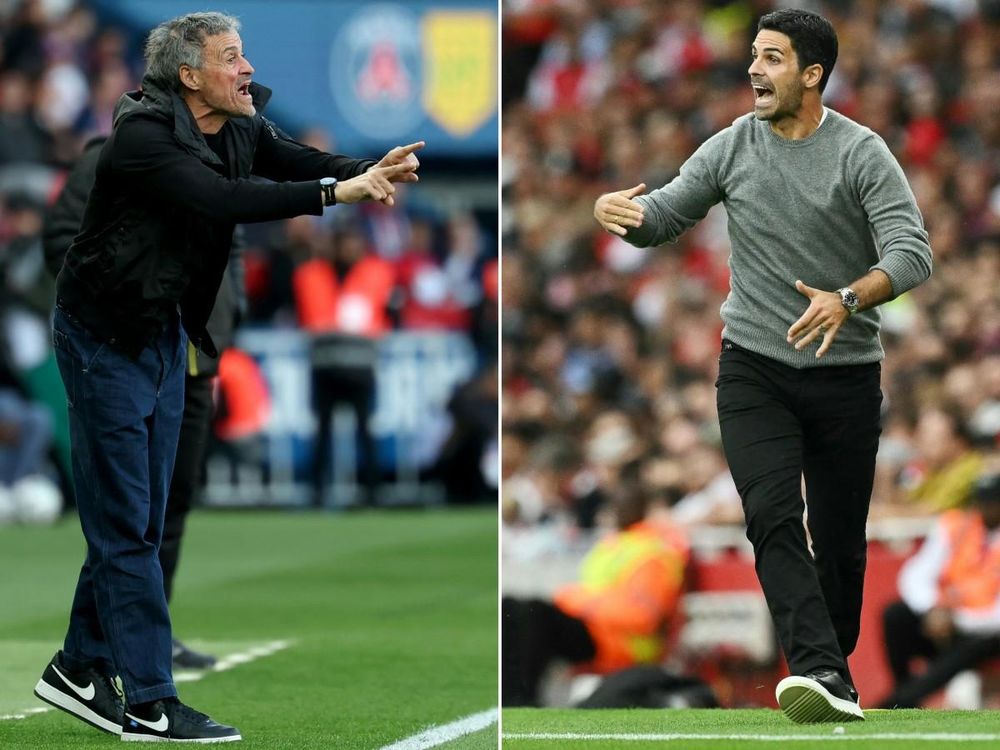
Mikel Arteta’s gameplan largely worked against PSG, but could in-game changes have been different?
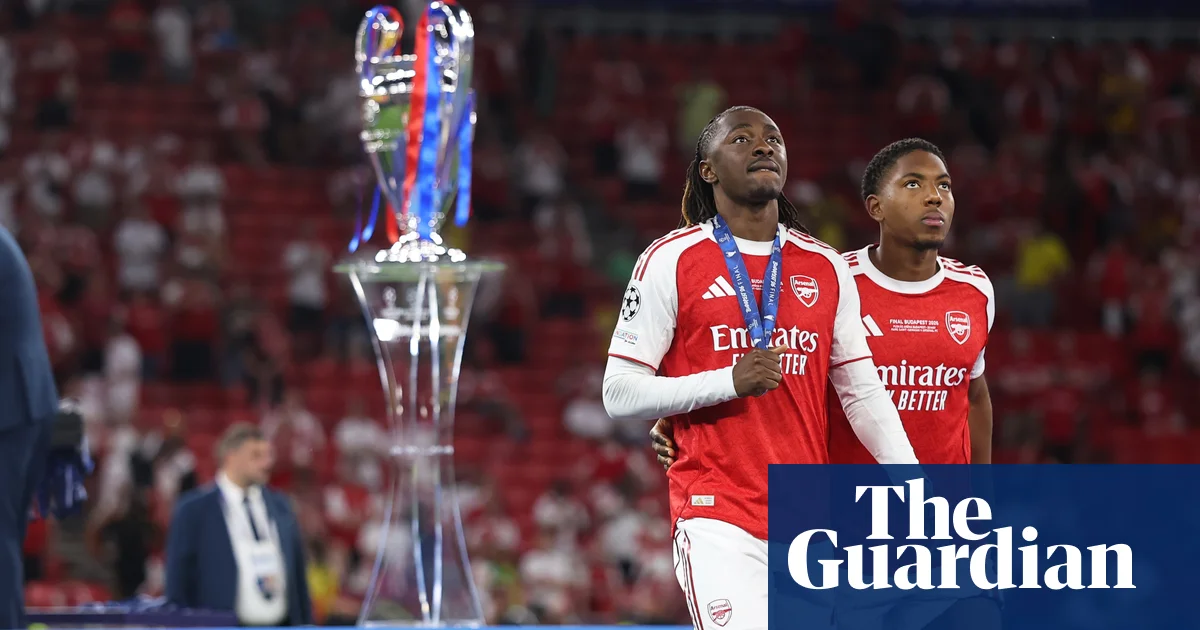
The nature of a final means there must be a winner and a loser. Really, though, this was very much a draw
TL;DRAI
Arsenal drew 1-1 with PSG in the Champions League final — Havertz opener, Dembélé penalty — before losing the shootout. Arteta's double-striker gamble (Gyokeres alongside Havertz, Odegaard off) killed Arsenal's attack: zero chances created after the change.
884 words~4 min read