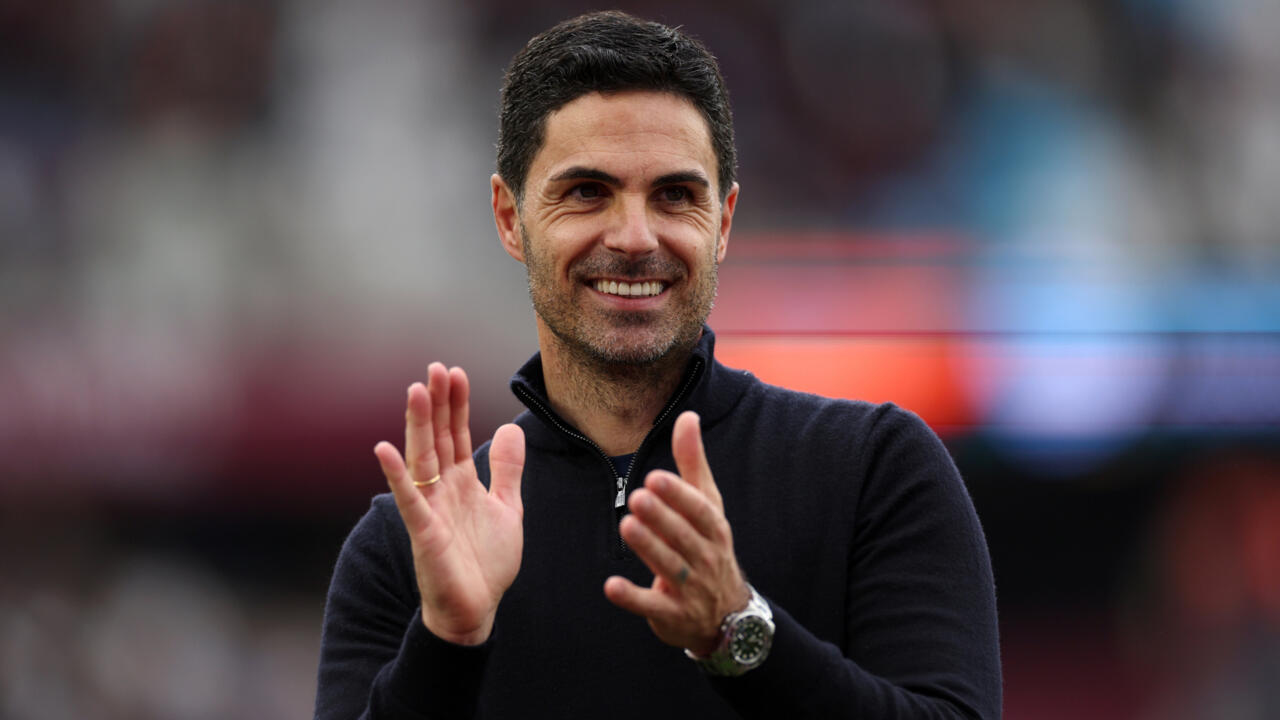
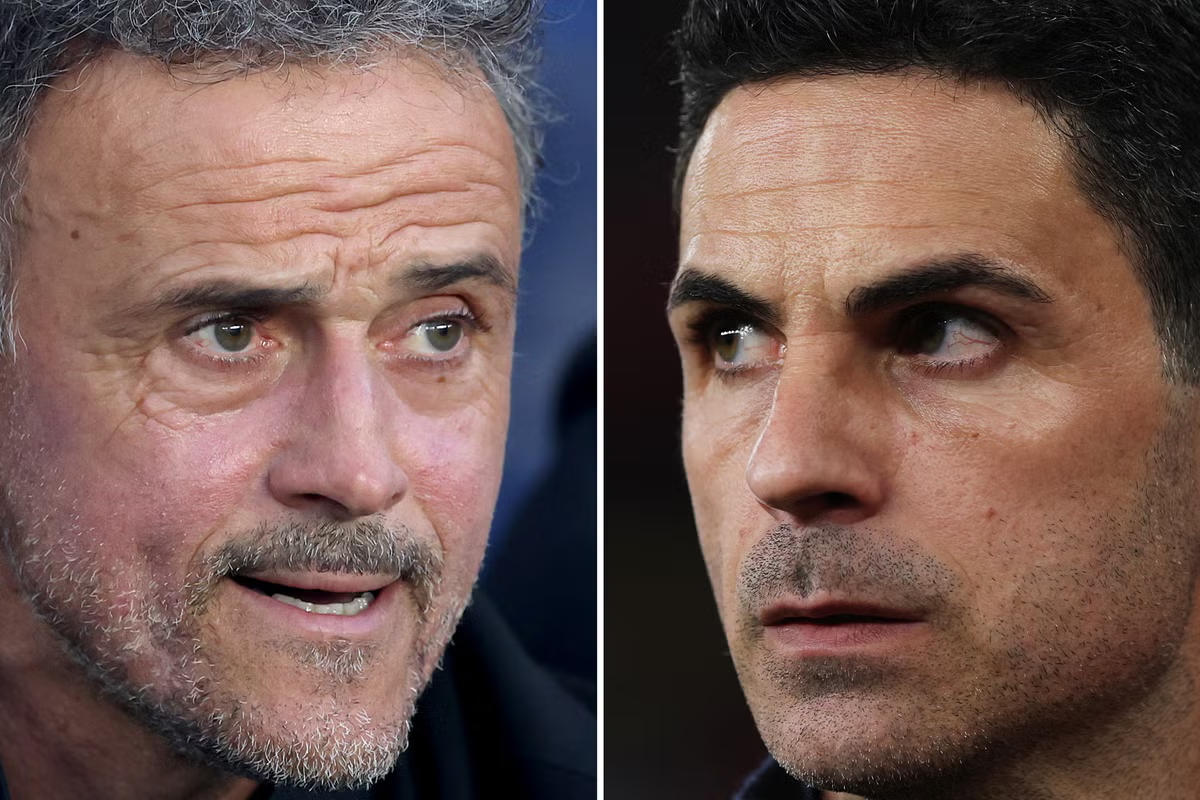
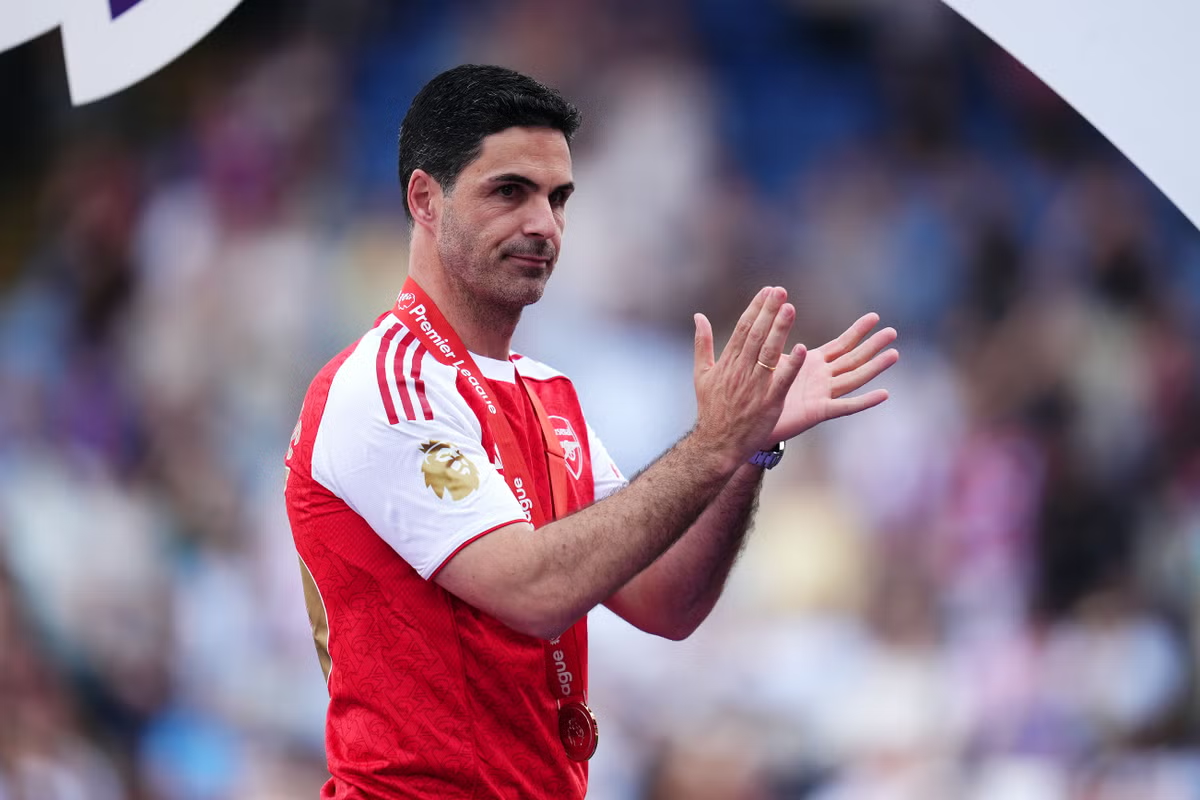
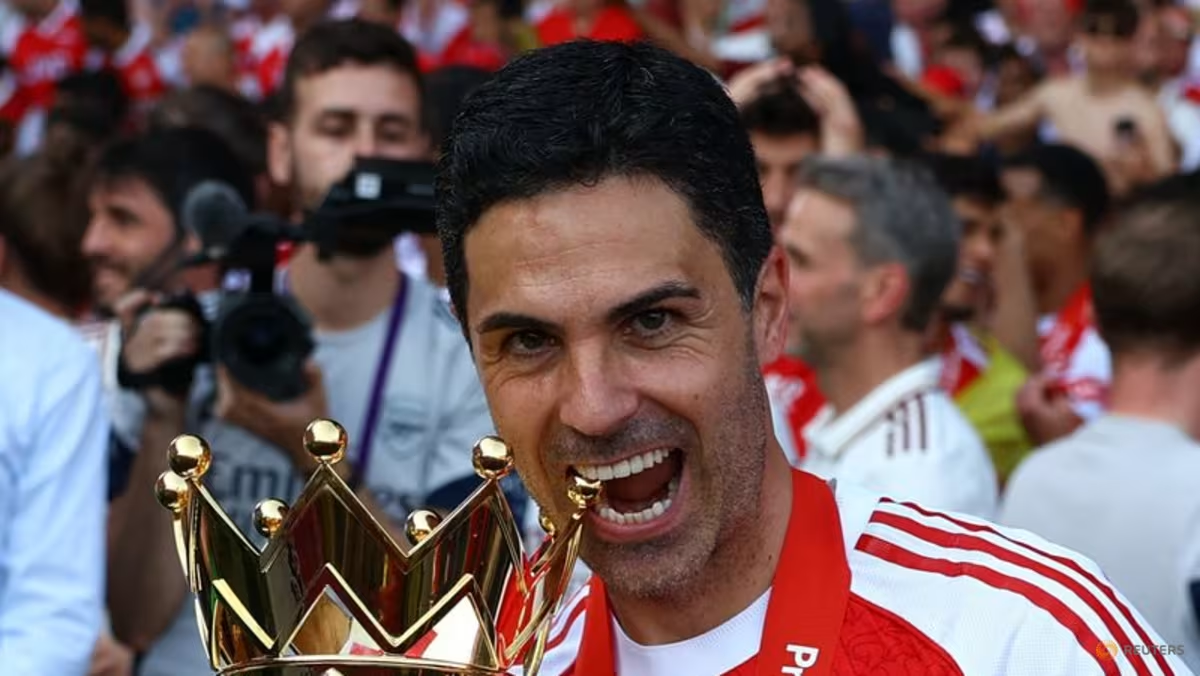
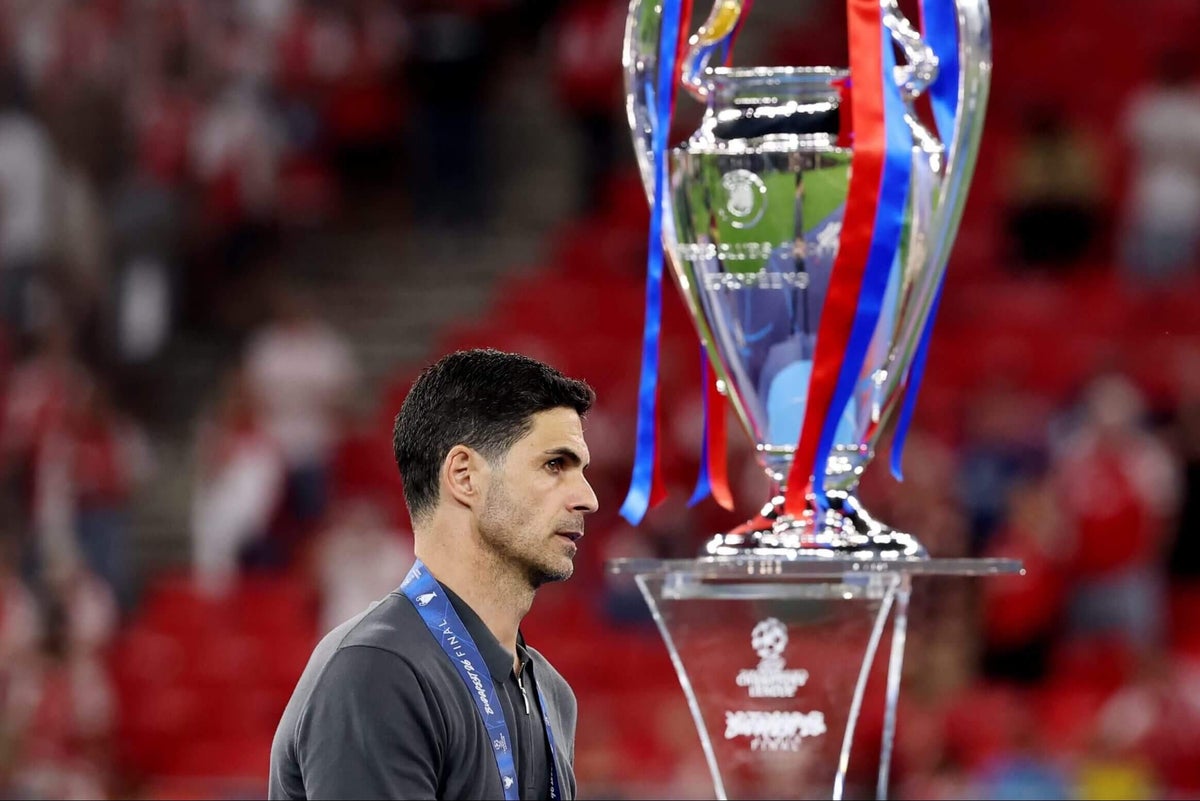
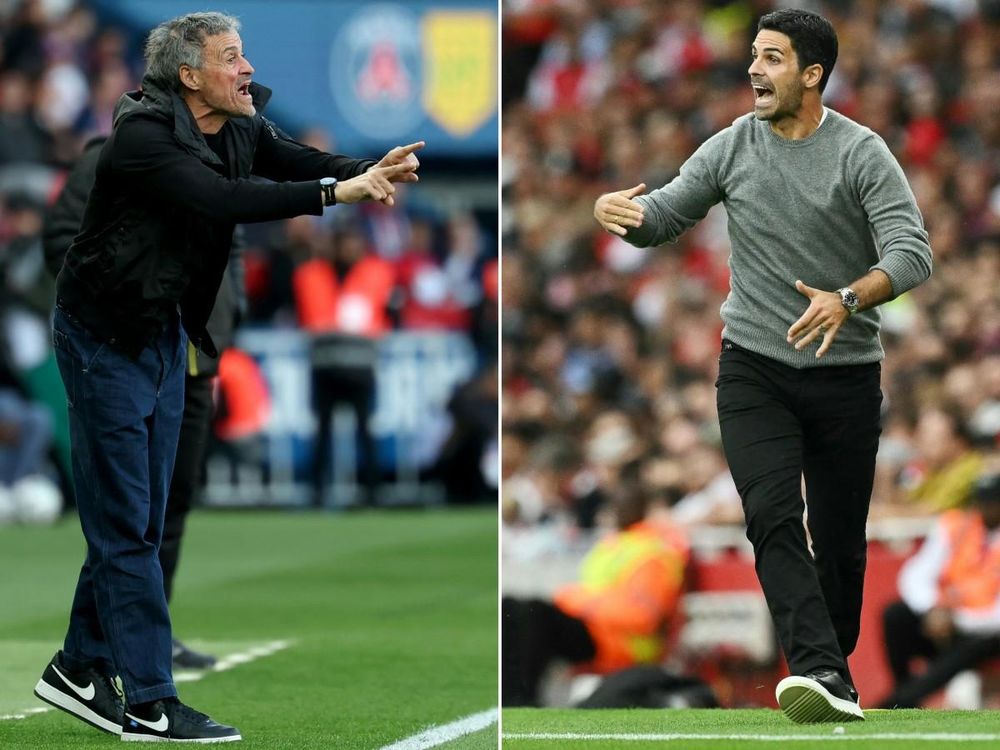
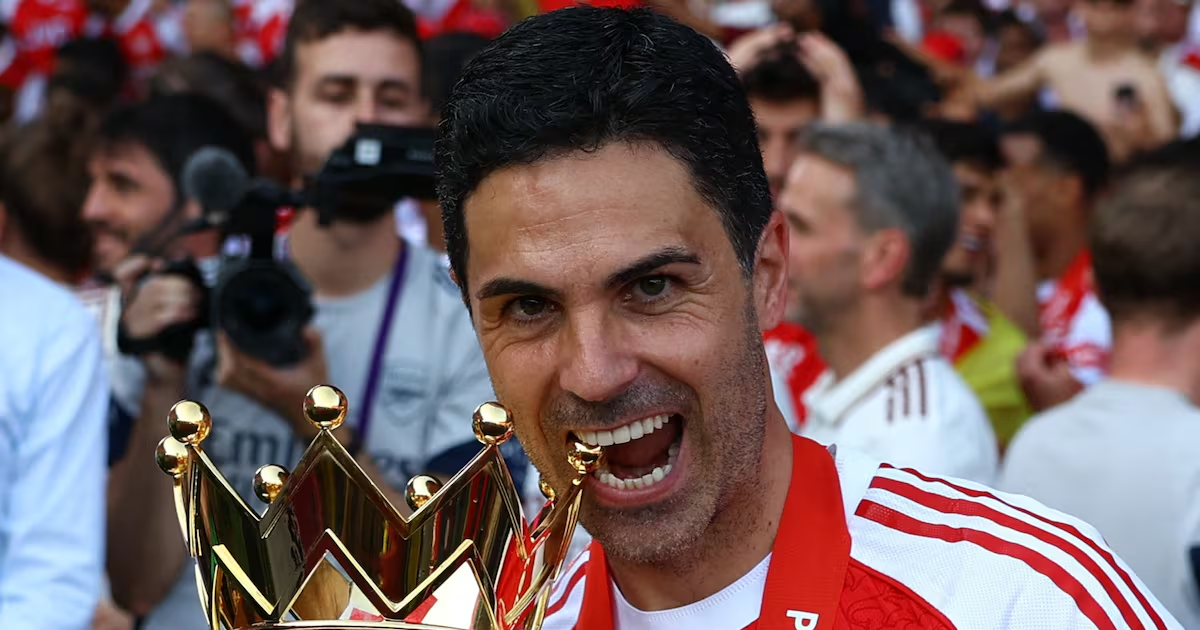
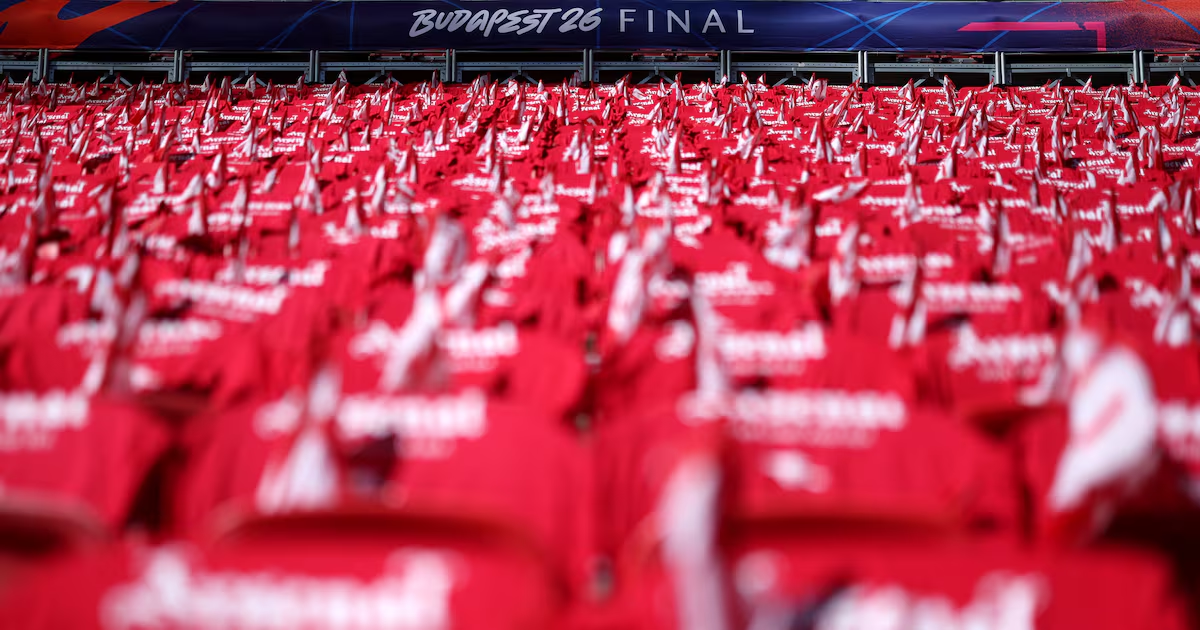
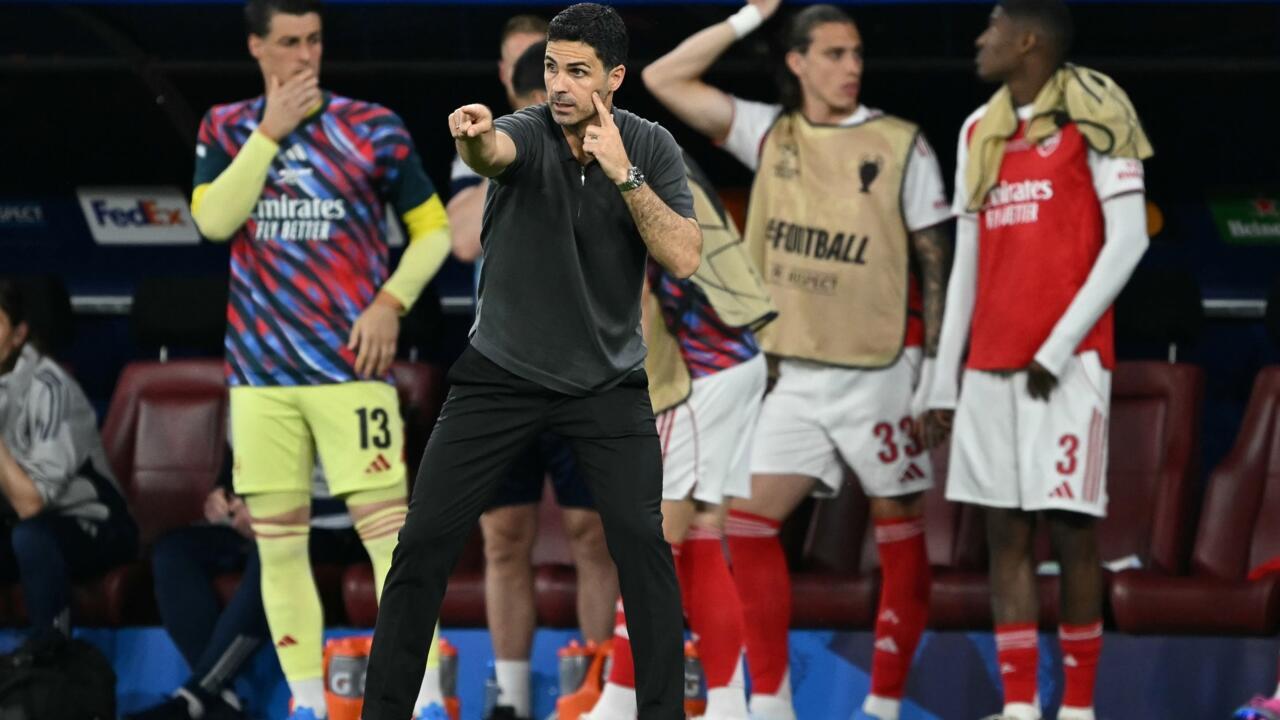
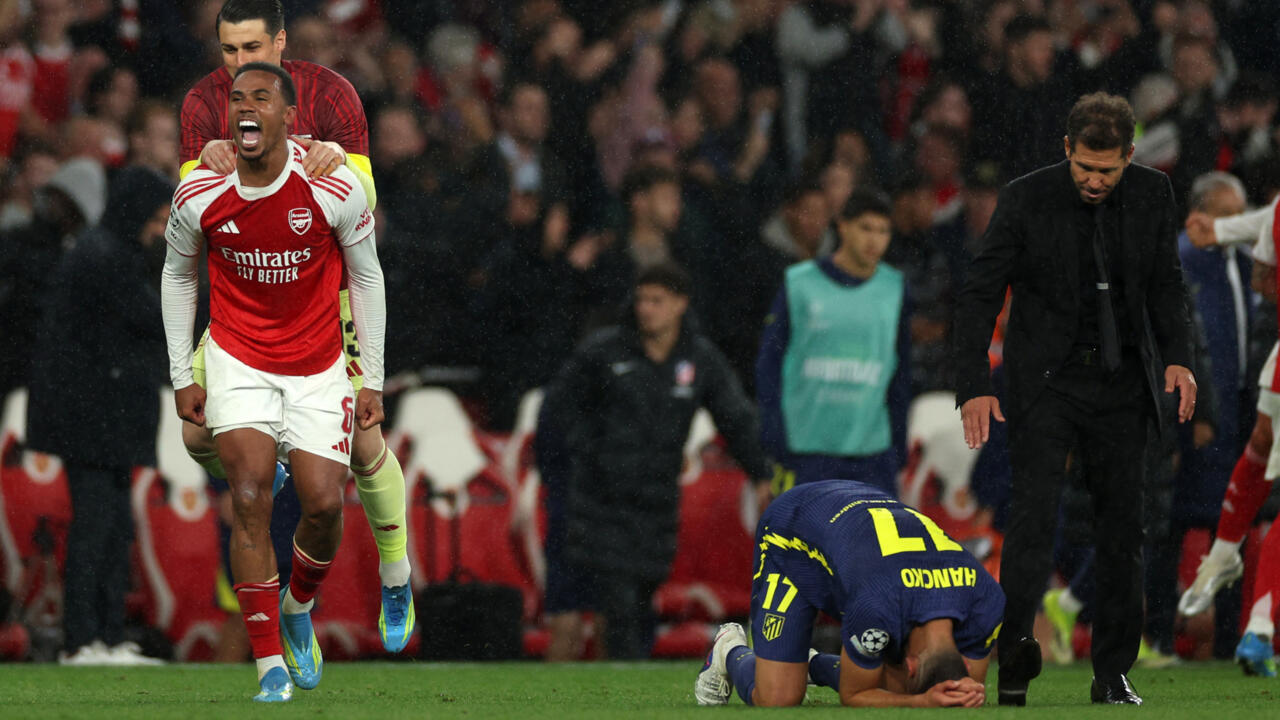
Maybe it is the method against the magic. Arsenal could be damned with faint praise when compared with Paris Saint-Germain, their more structured style of play contrasted with something more fluid and fast. And yet, should they become champions of Europe for the first time, it might be the product of planning.Whether or not it is actually done on spreadsheets, it has the feel of a project pursued in a logical, disciplined manner, the product of an organised mind. Mikel Arteta is far from the only elite manager who is accused of being a control freak but, especially as Arsenal now have the vantage point of being Premier League champions there is an orderly look to their progress.Mikel Arteta transformed Arsenal into Premier League champions (Getty)Trust the process, to borrow the old phrase? It has the feel of a process; step by step, incremental improvement. And if it involved an early step back – Arsenal were 15th at Christmas in 2020, a year after the Basque’s appointment – and if there was the question if his side had stalled amid a hat-trick of finishes as runners-up – with even Arteta admitting to wondering if someone else was required to take them to the next level – the solution has come from the method. And in Arteta’s Arsenal, that has involved addressing shortcomings. If Luis Enrique sometimes seems to be looking for perfection, Arteta’s aim may be to be flawless, and they are two very different concepts.Some six-and-a-half years into his reign, it is notable for the reset at the start, the defenestration of big names and big earners, in first Mesut Ozil and then Pierre-Emerick Aubameyang. More recently, Arsenal have started to pay superstar wages again; but in part for those turned into big names by Arteta, such as Bukayo Saka.Bukayo Saka has been turned into a star by Mikel Arteta (Getty)After failing in their attempt to use experience to deliver a shortcut back to the top – one of Arteta’s first, and worst, signings was Willian – Arsenal took the long, patient road. In the summer of 2021, they brought in six players: two then aged 21, two at 22 and two at 23. It is notable, along the way, that they have then looked to more experience as an antidote to youth, to players who won elsewhere to aid a group who lacked silverware. The Champions League winners Kai Havertz and Jorginho came from Chelsea, the Premier League winners Gabriel Jesus and Oleksandr Zinchenko from Manchester City.It is notable, too, that, Arteta can be ruthless in upgrading in a position, sometimes when few others have seen a need. Zinchenko is gone now, Jesus a fringe figure. The 2021 signing Aaron Ramsdale was voted the best goalkeeper in the Premier League then demoted for David Raya. Ben White, another of the 2021 influx, was leapfrogged by Jurrien Timber. Shrewd recruitment has helped Arsenal assemble a strong first and second XI (Getty)The 2022-23 season represented the great leap forward; Arsenal just missed out on Champions League qualification the previous season then topped the table for 248 days the following year. In each season, there has been a significant attempt to remedy a shortcoming in the previous campaign. The team of 2021-22 started with three straight defeats, so the side of 2022-23 began with five straight wins. They conceded too many goals that year; they had the best defensive record in the Premier League in 2023-24. City had the best midfield in 2022-23; Arsenal then beat them to the signature of Declan Rice. They received the most red cards in the Premier League last season, and none this.No player reached double figures for Premier League goals in 2024-25; Arsenal signed Viktor Gyokeres who, without looking world class, at least scored 14 top-flight goals and 21 in all competitions. A recurring theme, and perhaps an obsession for Arteta, has been to address any area where Arsenal lacked strength in depth.It was defence in the spring of 2023, when William Saliba was injured. Now he arguably has a back-up back four, in White, Cristian Mosquera, Piero Hincapie and Myles Lewis-Skelly. It was further forward last season, when Martin Odegaard, Saka and Havertz had lengthy spells out. Enter Gyokeres, Noni Madueke and Eberechi Eze. Mikel Arteta has done things his own way with a ruthless edge (Reuters)It is possible to construct a starting 11 for the Champions League final without a single summer signing (it involves picking Lewis-Skelly ahead of Martin Zubimendi). Arsenal may not have the best starting 11 in the world, but the Arteta model involves having the finest second 11.In Europe, too, his way has been to get steadily better. Since returning to the Champions League, they have reached the quarter-final, the semi-final and now the final. They came third in the inaugural league phase last year, first this year; perhaps league football suits a side who have not won a domestic cup since 2020 better. Their statement win was Real Madrid in last season’s quarter-finals; there has been no equivalent thus far this year but a reward for topping the group is that they have not needed one. Arsenal lost to Paris Saint-Germain last season. The theme of Arteta’s reign is that lessons are learned, improvement orchestrated. If so, a club who were in the bottom half of the Premier League when Arteta took charge will have become the champions of England and Europe. And using the Arteta method.
The Mikel Arteta method that could turn Arsenal into Champions League winners
A methodical, but ruthless, approach to recruitment has steadily built Arsenal into a side capable of challenging PSG
909 words~4 min read